

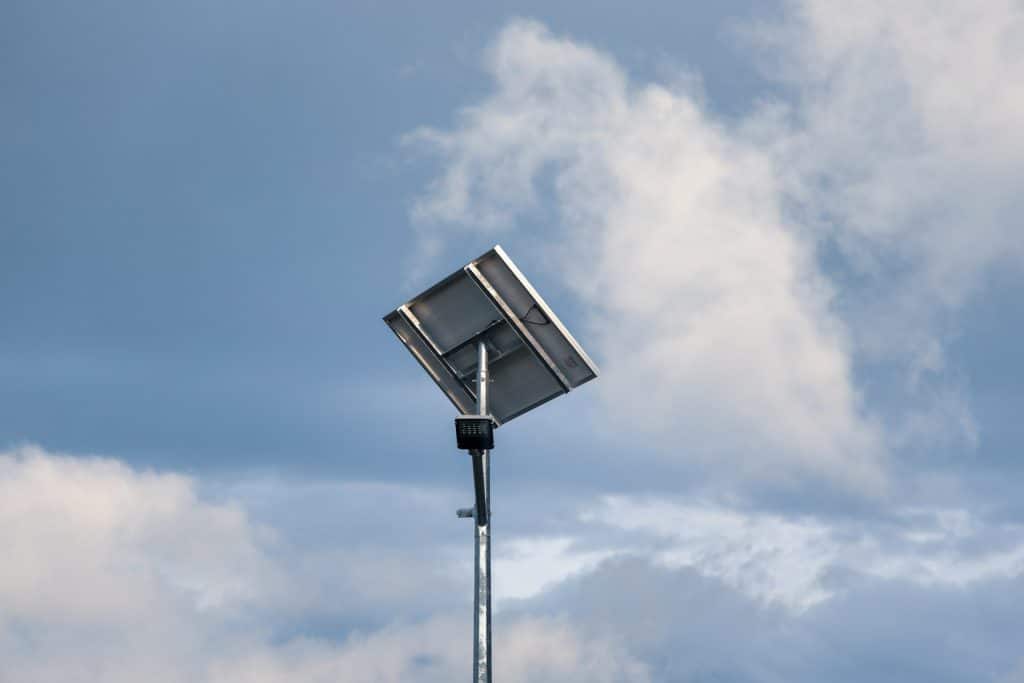
Solar street lights are a sustainable alternative that combines solar power, LED technology, and automated controls to deliver consistent illumination without relying on the electric grid. In many installations, planners recommend LED lights for solar street lighting because they offer controlled brightness, long service life, and predictable performance in an outdoor environment.
Public safety benefits from lighting systems that are designed with real-life scenarios in mind. Solar street lights support visibility, reliability, and control in ways traditional lighting is unable to match in public and shared spaces. Here are the 10 advantages of installing smart solar street lighting for public safety.
1. Improved Visibility in Public Areas
Visibility at night matters because people need to see what is happening around them. Streets, sidewalks, parks, and bus stops feel and in some cases are unsafe because the lighting is uneven, weak, or unreliable. Solar street lights improve how public spaces look and feel after sunset. The light is still consistent, which helps people spot obstacles, road markings, and others without straining their eyes. These lights also benefit drivers at intersections and crossings where poor lighting causes hesitation or late reactions.
Many planners rely on an LED light for solar street setup because LED technology allows precise control of brightness and beam direction. That control helps cover walkways and open areas properly without nearby homes or creating shadow where visibility is low.
2. Reduced Crime Through Better Illumination
Poor lighting creates gaps that people take advantage of as it gives people space to hide, stay unnoticed, or move without drawing attention. Improved street lighting reduces nighttime crime, mainly property-related offenses, by increasing natural surveillance in public spaces. Lighting does not stop crime on its own, but visibility makes people vigilant.
Solar street lights keep illumination consistent through the night. This results in fewer blind corners and fewer spaces where activities go unnoticed.
3. Smart Controls for Adaptive Lighting
Smart solar street lights use built-in options to adjust brightness. Motion sensors increase light output when there is movement nearby. When there is no footfall in an area, the brightness drops to a lower level without completely shutting off. This keeps walkways visible and avoids wasting energy simultaneously.
Adaptive lighting also improves safety during unexpected situations. A sudden increase in brightness when there is movement draws attention, which supports awareness for both pedestrians and drivers. This can also help get a clearer visual for security cameras placed on streets, as better lighting improves visibility and image clarity during recording.
4. Reliable Performance During Power Outage
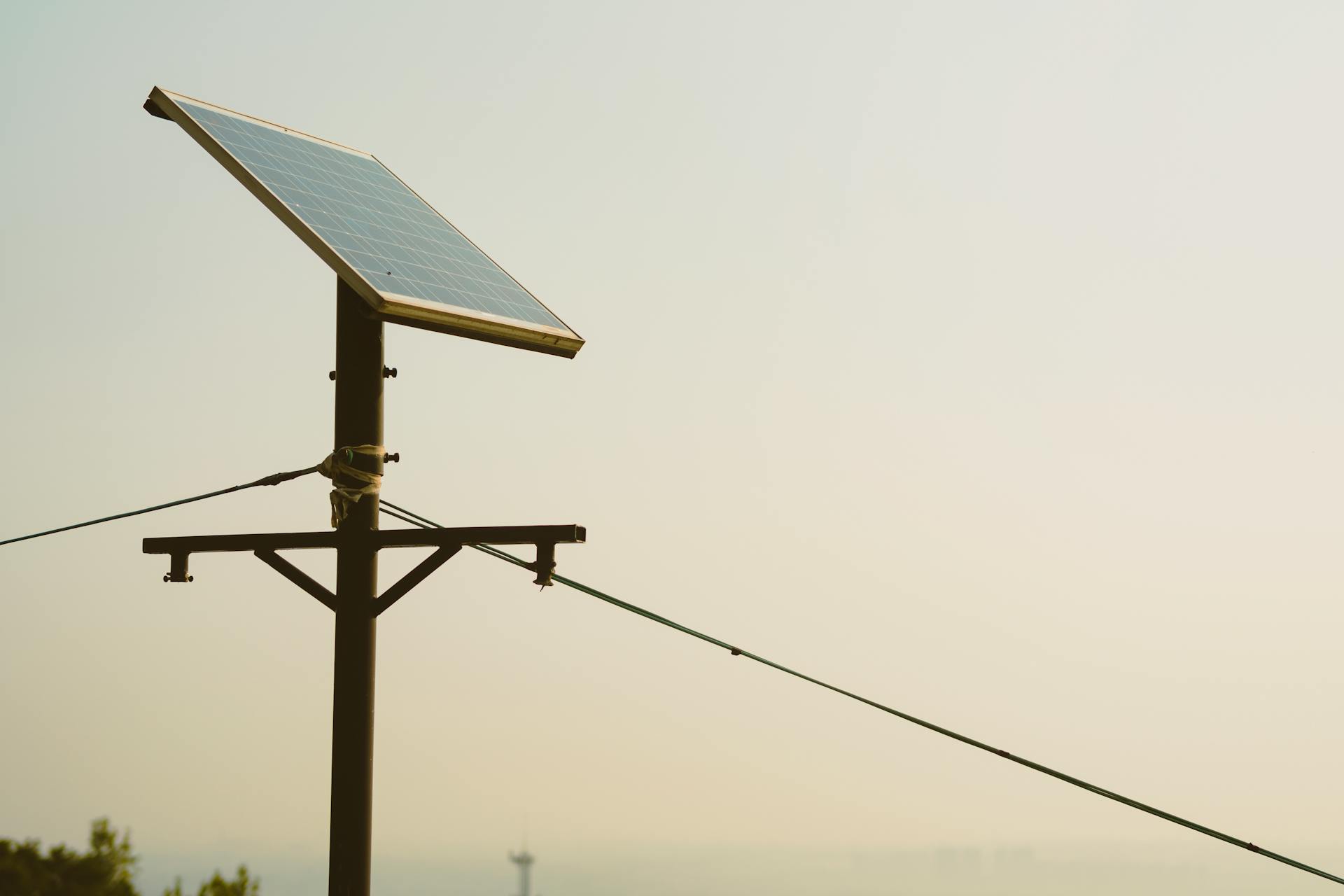
Sometimes there might be power outages in the area. In emergency situations, this can create confusion for pedestrians, drivers, and emergency responders. Solar street lights operate independently without electric grids. Each unit stores energy during daylight hours and uses battery power after sunset.
Even when storms or system failure disrupts electricity services, solar-powered lights continue operating. Battery systems used in modern solar street lighting continue to operate for multiple nights under limited sunlight conditions. This allows lights to remain active even when there are extended outages in the area. Solar street lights remove dependence on external power sources, keeping public spaces visible throughout the night.
5. Faster Installation in High-Risk Areas
Some locations cannot wait for long lighting projects. A road with frequent accidents, a temporary construction zone, or a poorly lit school crossing becomes a problem at night. Delays to install light can increase the risk.
Traditional street light requires road cutting, cable routing, and inspection. This process takes a lot of time. Solar street lights avoid these steps. Each unit is installed as a standalone fixture. Poles can be installed, and street lighting can work within days instead of months.
6. Lower Maintenance Risks and Downtime
Street light maintenance can get difficult as multiple components depend on the same power source. A single wiring issue or a grid problem can shut down several lights at once. Repairs take time because crews need to trace the issue through underground lines or shared connections.
Solar street lights can reduce these complications and save time during repair and maintenance. Each light operates in its own stored solar power system, so failure affects only one unit instead of the entire road. There are fewer electrical connections exposed to damage, and maintenance teams can address the problem directly at the pole.
7. Better Coverage in Remote or Underserved Locations
Some areas that are away from the electrical grid stay dark because extending the electrical infrastructure is not feasible. Rural roads, footpaths, parks away from town, and service lanes are usually outside the grid reach and fall pretty low on upgrade lists.
Solar street lights work in these places where grid power cannot. Each unit runs independently, so coverage depends on the placement. This allows light to reach roads, walkways, and public spaces that would have remained dark otherwise. For communities with limited infrastructure, these lights fill safety gaps without investing in a major construction project.
8. Environmentally Responsible Public Safety Solutions
Public safety projects add long-term investment to fulfill the energy demands of a city. Traditional street lighting draws power every night, and that demand increases as coverage of the light expands on roads. Lighting upgrades can raise operating costs and environmental impact at the same time.
Solar street lights reduce that load by generating power on site; energy comes from sunlight, not fossil fuel-based electricity sources. LED fixtures also take less power to light than older lighting types. For cities planning safety goals with environmentally friendly options, this approach works without adding complexity.
9. Cost Savings That Support Wider Safety Coverage
Public lighting budgets face constant pressure. Installation costs, electricity use, and ongoing maintenance come from the same funding sources. When expenses increase, planners scale back coverage or delay projects for lower-priority areas.
Solar street lights reduce long-term operating costs by removing ongoing electricity charges. Over time, those savings allow cities to install lighting in more locations instead of utilizing resources in a small number of areas. Wider coverage of street lights becomes possible without increasing the spending.
10. Long-Term Durability in Outdoor Conditions
Street lights are constantly exposed to heat, rain, dust, wind, and seasonal changes year after year. Poles and fixtures on roads need to hold up without frequent part replacement or performance loss. Over time, these conditions shorten the life of the lighting.
Solar street lights are durable and do not need constant maintenance. Even with continuous outdoor exposure, sealed components protect internal electronics and LED fixtures to maintain output for longer periods. With fewer external connections and no reliance on underground cabling, lights last longer, and replacement is needed less frequently.
Final Thoughts
Public safety improves when street lighting works consistently, covers the right areas, and stays reliable throughout the night. Smart solar street lights support public safety by staying operational even during outages while also reducing long-term maintenance issues. Over time, these practical benefits make the streets safer, and shared spaces function after dark by keeping visibility on when people need it.