
Renovating in Melbourne rewards climate-smart sequencing. I recommend tightening your building envelope first, electrifying major services second, and then refreshing kitchens, bathrooms, and outdoor spaces. This approach prevents retrofitting twice and locks in comfort gains quickly.
Melbourne sits in National Construction Code Climate Zone 6, a mild temperate zone that shapes best-practice insulation levels and glazing selections. Heating and cooling can account for roughly 20–50% of household energy use in Australia, so decisions on insulation, draught sealing, windows, and efficient heat pumps carry outsized bill and comfort impacts.
How to Use This Playbook
Start with the envelope upgrades because they cut bills fastest and prepare your home for efficient electrification. If your place is pre-1990, assume possible asbestos in eaves, old cement sheeting, and vinyl tiles, plus lead in paints. Test and engage licensed removalists where required before any sanding or demolition.
Capture a quick home audit before design changes. Use a thermal camera scan, check door and window seals, confirm insulation levels, and photograph switchboards and service locations. Document obvious draughts, condensation on windows, and rooms with temperature swings. Note window orientations, particularly west-facing glazing that drives summer heat gain.
Idea 1: Insulate and Draught-Proof First
Effective insulation can reduce heating and cooling costs by roughly 45%. I always recommend starting with ceilings, then walls and floors.
Sustainability Victoria recommends at least R3.5 ceiling insulation, with R5.0 preferred where practicable, around R2.5 in walls, and roughly R2.0 under suspended timber floors.
Draughts are silent energy thieves. Blocking leakage can reduce winter heat loss by around 15–25%, which directly cuts heater run-time and bills. While you’re in the roof space, swap halogens for LEDs, which use about 75% less energy and last up to ten times longer.
What to Do First
- Top up ceiling batts to at least R3.5 and add wall batts during renovations to R2.5 where possible
- Use underfloor insulation around R2.0 under timber floors
- Seal door bottoms with quality door seals and caulk gaps at architraves and skirting
- Fit back-draft dampers to exhausts and use chimney balloons in unused fireplaces
Have a licensed electrician confirm safe clearances around recessed downlights before adding insulation. Budget $$ for ceiling and underfloor insulation and $ for comprehensive draught sealing. ROI begins the first winter through reduced heating run-time.
Idea 2: Windows, Double-Glaze, Shade, and Dress Them
Windows are major weak points in your thermal envelope. Up to 40% of heating energy can be lost and almost 90% of heat gained through glass without mitigation. Double glazing or secondary glazing materially reduces these losses.
In heritage homes, secondary glazing and internal solutions achieve large gains without changing street facades. Lined curtains to the floor with box pelmets tighten thermal performance significantly. Exterior shading on west-facing windows, plus low-e films in rentals, cuts peak summer heat gain.
Prioritise living rooms and bedrooms you actively heat or cool. Use WERS-rated double-glazed units where replacement is feasible, and consider secondary glazing inserts for heritage overlays.
Heritage overlays may require permits for external changes, confirm early with your council.
Idea 3: Passive Layout Tweaks in Extensions
Orientation decisions made during extensions dramatically affect long-term comfort and energy use. In Australia, the sun tracks to the north, so orienting living spaces north captures winter sun and allows easy summer shading with eaves or pergolas.
Tame west sun with shading and position garages or laundries as thermal buffers. Add high-level openings for night purge and cross-breezes. On narrow blocks, assess overshadow impacts and maintain privacy while chasing solar gains with sun-path diagrams early in design.
Plan for Light and Air
- Bias living and dining areas to the north and place bedrooms east for morning light
- Minimise west-facing glass to reduce afternoon heat gain
- Add operable skylights and high-level windows to release heat on summer nights
- Model sun angles to size eaves that admit winter sun and block high-angle summer sun
Idea 4: Hot Water, Go Heat Pump and Bank Rebates
Heat-pump water heaters typically use about 30% of the energy of conventional electric storage systems. Victoria supports upgrades with Victorian Energy Upgrades discounts, an indicative $630 discount applies when replacing an inefficient electric system with a heat-pump unit.
Place units outdoors with good airflow, set 55–60°C with a tempering valve, plan quiet operation near neighbours, and schedule daytime operation if you have solar PV. Choose cold-climate capable models, size storage to household demand, and ensure safe condensate drainage.
Victoria is phasing in electrification. From 1 January 2027, all new homes must be all-electric. Gas hot water in existing homes must be replaced with electric at end-of-life from 1 March 2027. Engage a licensed plumber for installation and keep compliance certificates.
Cooling and Heating Melbourne
Reverse-cycle air conditioners are generally the most efficient combined heating and cooling option for Melbourne homes. The Zoned Energy Rating Label helps compare model performance in cold, average, and hot zones, which matters for our variable climate.
Size systems by room volume and envelope quality. Zone with doors to heat and cool only lived-in rooms. Pair units with ceiling fans to widen comfort bands and reduce compressor cycling. Calculate room volume and adjust for insulation and glazing quality to estimate required capacity.
Operations for Lower Bills
- Use 18–20°C set points for winter heating and 24–26°C for summer cooling
- Keep doors closed to zone effectively
- Clean filters quarterly and set fan to auto mode
- Locate outdoor units away from bedrooms and out of west sun
If you prefer a specialist to handle load calculations and installation, Savage Air can provide quotes, right-size heat pumps by room volumes and star ratings, and install split or ducted systems suited to Melbourne’s climate, see cooling and heating Melbourne for a local, ZERL-informed approach.
Idea 5: Solar PV Now or Pre-Wire for Later
Even modest PV arrays offset daytime heating and hot-water loads when you schedule heat-pump operation during sunny hours. If roof replacement or structural works come later, pre-wire conduit paths now, leave spare switchboard ways, and plan inverter and battery locations to avoid rework.
Run DC and AC conduits while walls are open, include pull strings, and label spare breaker positions. Lay EV-ready conduit to the garage or car space to future-proof charging. Coordinate with roofers and electricians to avoid penetrations in vulnerable spots.
Idea 6: Laundry-Mudroom Combo
A laundry-mudroom at the entry traps dirt and moisture efficiently. Include bench space over front-loaders, tall broom storage, and off-floor cabinets to keep pathways clear. Choose a heat-pump dryer to avoid dumping moist air indoors.
Stack washer and dryer to reclaim floor area. Use pull-out hampers near bedrooms or entrances and integrate shoe cubbies and seating. If budget allows, include a floor drain and graded tiles for easier cleanup after wet days.
Idea 7: Bathroom Refresh with Water-Wise Fixtures
Install WELS 4-star showerheads and mixers with flow restrictors to cut water use while maintaining good pressure. This supports Melbourne’s Target 150 objective of no more than 150 litres per person per day.
Design curbless showers with 900mm clearances and add wall noggins for future grab rails to make spaces safer and age-ready. Use thermostatic mixing for scald safety. Licensed waterproofers and plumbers are essential, keep compliance certificates for your records.
Idea 8: Safer, Cleaner Cooking and Ventilation
Induction provides precise control without combustion by-products. Plan a 32A circuit if needed and confirm cookware compatibility with a magnet test. Specify a rangehood that captures more than 80% of cooktop width, with low sone ratings, and always duct to outside.
Avoid recirculating units that spread moisture and odours indoors. Use short, straight duct runs sized correctly and sealed, terminating outside with a back-draft damper. Balance air flows with make-up air to prevent negative pressure pulling in draughts.
Kitchen Renovations Melbourne
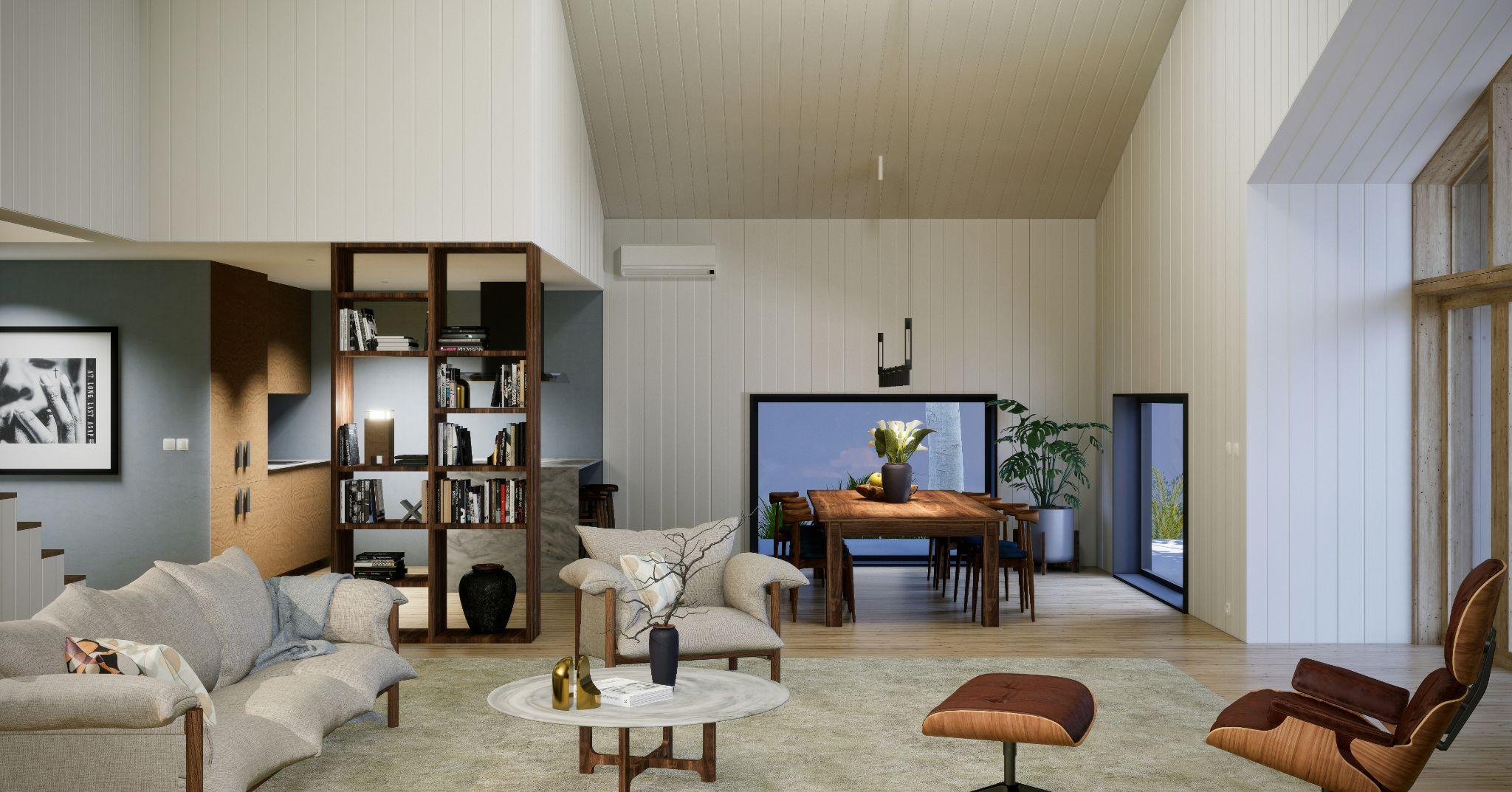
A well-planned kitchen zones prep, cook, clean, and serve areas efficiently. This matters especially in narrow terraces and busy family homes where space is tight. Use tall pantry walls, integrate corner solutions, and choose appliance sizes that suit the room rather than defaulting to bigger.
Step-by-Step for Narrow-Terrace Layouts
- Set aisle widths at 1000–1100mm main aisles and 900mm minimum in tight spaces
- Map triangle reach between sink, cooktop, and fridge to 4–7m combined
- Choose 600mm induction for most terraces; avoid 900mm ranges if they crowd benches
- Use full-height pantry sections and drawers over doors for pots and pans
South-side or deep-plan kitchens benefit from skylights or light tunnels. Specify an exterior-ducted rangehood sized to cooktop width. For heritage-friendly layouts, storage that speeds prep, and Melbourne-specific design-build execution, consider kitchen renovations Melbourne by Mint Kitchen Group to translate this step-by-step into a permit-ready plan.
Idea 9: Healthy Materials and Pre-1990 Safety
Specify low-VOC paints, sealants, and adhesives to reduce indoor pollutants. Ventilate adequately during and after installation. Assume asbestos in pre-1990 eaves, old cement sheeting, and some vinyl tiles.
Test suspect materials before any sanding or demolition and engage licensed removalists where required. Use lead-paint test kits on old trims and windows. Contain dust with zip walls and HEPA vacuums during works.
Idea 10: Quieter Rooms on Tram and Bus Routes
Traffic noise affects sleep quality and focus, especially in bedrooms and studies near busy routes. Seal, soften, and separate: acoustic door seals, heavier curtains with pelmets, and rugs or bookshelves on party walls cut transmission effectively.
Add acoustic batts in new stud linings or resilient channels on ceilings to decouple footfall noise from upstairs. Prioritise bedrooms and studies first. Consider laminated acoustic glass where window replacement is already planned.
Idea 11: Outdoor Microclimate, Shade, Breeze, Comfort
North courtyards, deciduous trees, and retractable awnings reduce indoor temperatures and provide seasonal comfort control. Design pergola and eave depths to summer and winter sun angles. Use permeable paving to cut glare and reflected heat.
Landscape to funnel breezes into living areas while screening hot west winds. Include task and ambient lighting for evening use and orient seating out of prevailing winds. Use climbing plants on trellises for adaptable shading.
Idea 12: Water-Wise Garden, Tanks, and Timing
Permanent Water Saving Rules apply state-wide in Victoria. Watering systems can only be used between 6pm and 10am; hand-held hoses with trigger nozzles can be used anytime. Target 150 encourages household water use of no more than 150 litres per person per day.
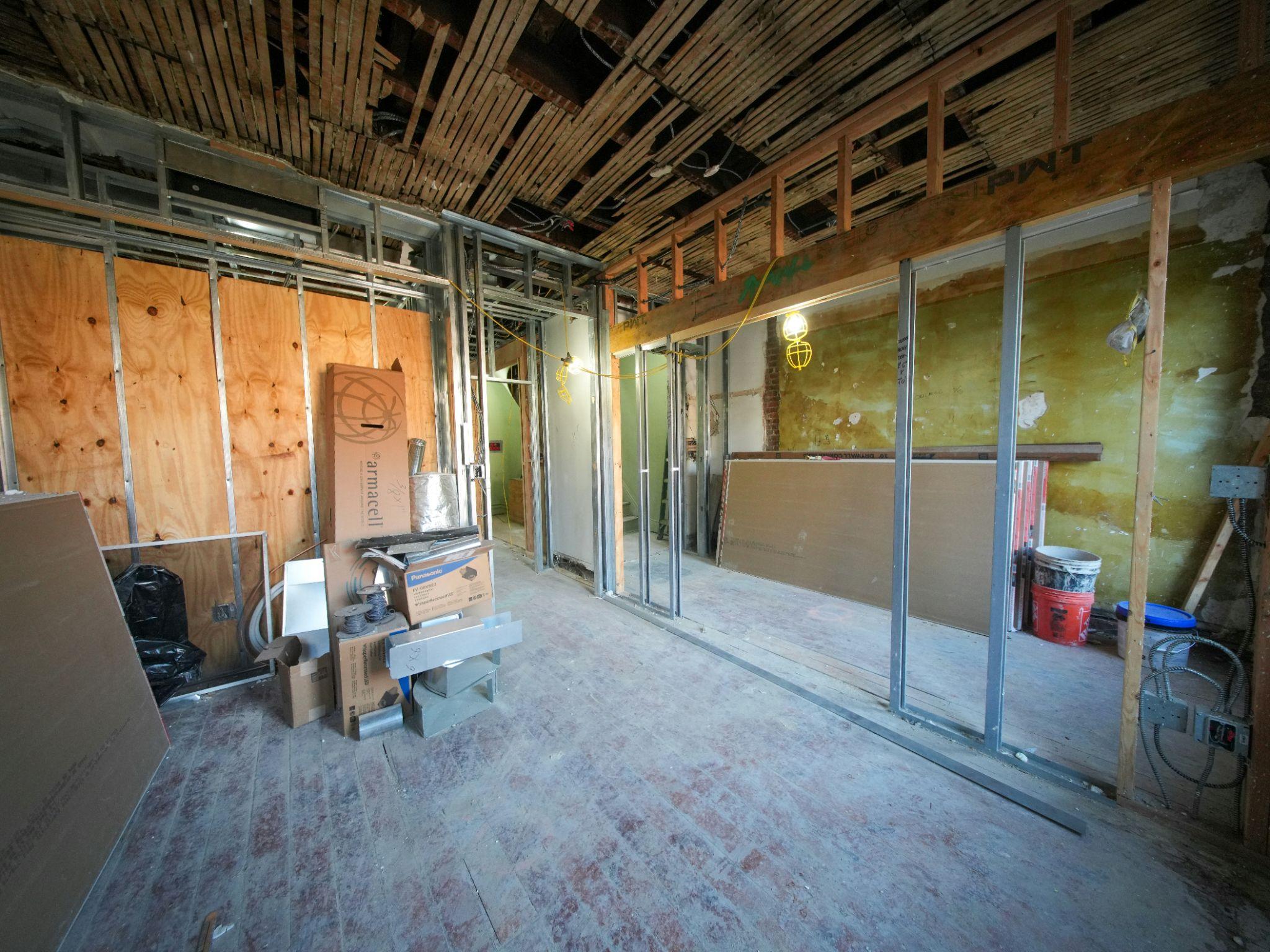
Mulch to 75mm depth, use drip irrigation with timers, and consider wicking beds for vegetables. Schedule drip systems for early morning or evening to comply with timing rules. Use soil moisture sensors to avoid over-watering. Plumb rainwater to toilets and laundry where feasible.
Sequencing Plan: Upgrade Order That Avoids Rework
Following a logical sequence prevents costly rework and maximises efficiency gains. Lowering loads first lets you right-size heat pumps and ductwork, saving capital and running costs. Service pre-wiring during demolition avoids opening finished walls later.
- Audit and safety: check for asbestos, lead, and electrical issues first
- Envelope improvements: insulation, draught sealing, glazing, and passive layout
- Services shift: electrify hot water and HVAC, pre-wire for PV
- Wet areas and kitchen: plan storage, accessibility, and durable finishes
- Comfort tuning: materials health and acoustic upgrades
- Outdoor and water: shade, breezes, tanks, and compliant irrigation
Build Comfort First, Then Layer Services and Style
Start where gains are largest and longest-lasting. Tighten the envelope, then electrify with correctly sized heat pumps and heat-pump hot water. Finally, update kitchens, bathrooms, and outdoor microclimates for everyday liveability.
Design and permit checks early prevent stoppages and rework, especially under heritage overlays or in bushfire-prone areas. Book a thermal scan and insulation quote first, sketch your passive layout moves, then map services upgrades into a realistic budget and timeline. Keep compliance certificates and create a home operations folder for efficient ongoing maintenance.