
Most homeowners ignore their roof until something goes wrong. A small leak turns into water damage. A few missing shingles turn into a full tear-off. By that point, you’re looking at thousands of dollars in repairs or a complete replacement.
The National Roofing Contractors Association (NRCA) recommends inspecting your roof at least twice a year. Once in spring and once in fall. These simple seasonal checkups catch problems early and keep your roof in working shape for decades.
The good news is that none of these tasks require special skills or expensive tools. Most homeowners can handle the inspections themselves and call a pro only when they find a real issue.
Here are five maintenance tasks worth adding to your calendar.
1. Inspect and Replace Damaged Shingles
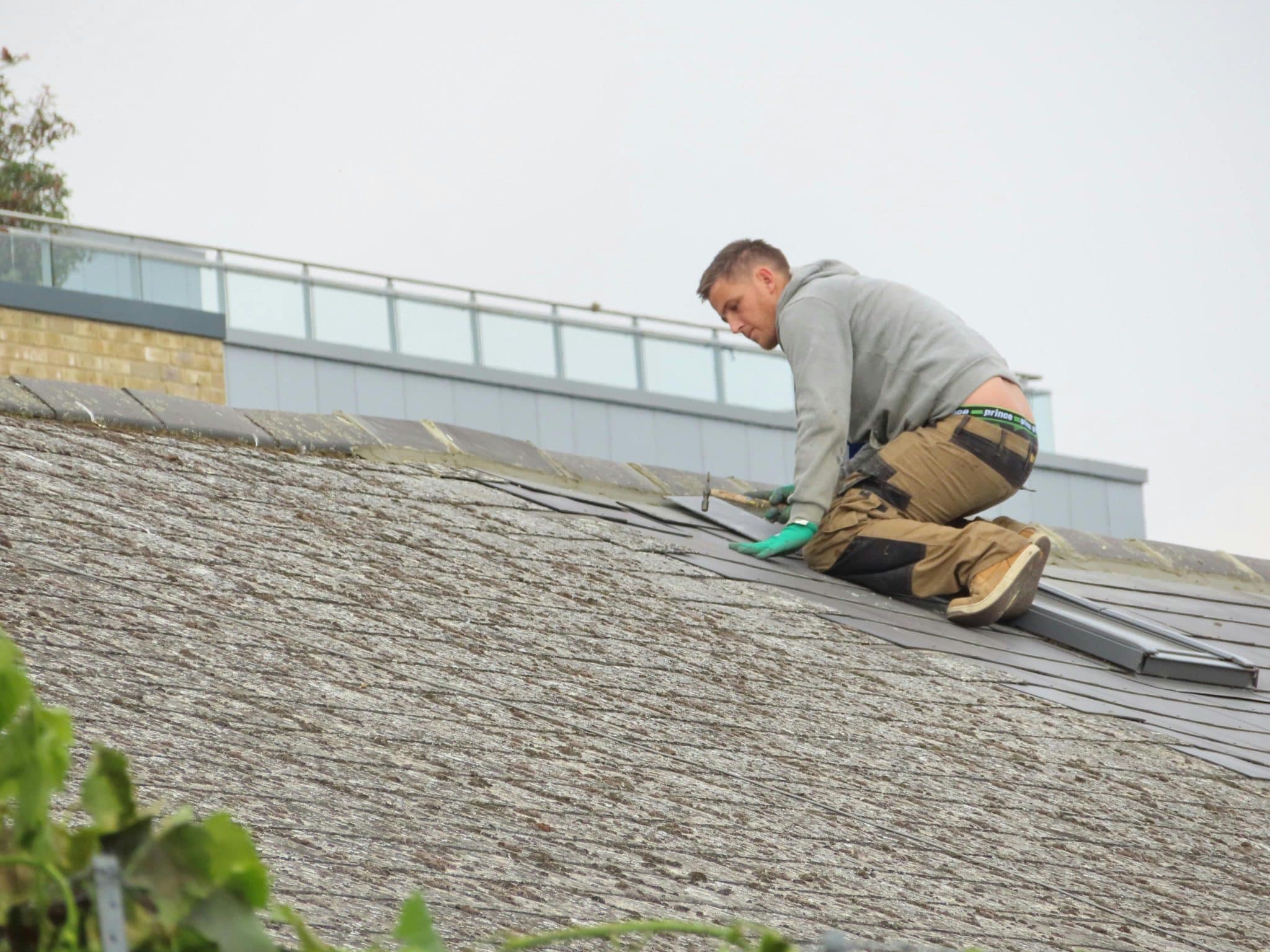
Winter storms, hail, and high winds tear shingles loose. Spring is the best time to walk your property and look up.
Check for curling, cracking, or missing shingles. Look for granules collecting in your gutters. That granule loss means your shingles are breaking down and losing their protective layer. Dark spots or streaks on the roof surface can also signal trouble underneath.
Replacing a handful of shingles costs between $150 and $400 on average, according to Angi’s 2025 pricing data. Ignoring the damage for a full season can lead to leaks, mold, and structural rot that costs 10 times more to fix.
If you notice damage across multiple areas of the roof at once, call a licensed inspector. Widespread shingle failure usually means the roof is nearing the end of its lifespan.
2. Clean Your Gutters Thoroughly
Clogged gutters cause more roof damage than most people realize. When water backs up, it pools along the roof edge. Over time, that standing water seeps under the shingles and rots the decking beneath.
Clean your gutters at least twice a year. Once in late spring after pollen and seed pods fall, and once in late fall after the leaves drop. Also check that your downspouts direct water at least four feet away from your foundation.
The average gutter cleaning costs $150 to $250 for a standard single-story home. Compare that to the $1,500 to $3,000 you might spend repairing water damage from overflow. The math speaks for itself.
3. Trim Overhanging Tree Branches
Branches that hang over your roof scratch the surface every time the wind blows. They also drop leaves, twigs, and moisture directly onto your shingles. During storms, heavy limbs can snap and puncture the roof entirely.
Trim any branches that sit within six feet of your roof. Hire a certified arborist for large trees near power lines. Schedule this task in late winter or early spring before new growth fills in.
This task matters especially in regions prone to severe weather. In Texas, for example, the demand for roof replacement in San Antonio spikes every year after spring storm season. Many of those replacements trace back to tree damage that homeowners could have prevented with basic trimming. A $300 tree trimming job beats a $12,000 roof replacement every single time.
4. Check Flashing and Seals Around Penetrations
Flashing sits around chimneys, vents, skylights, and any point where something penetrates the roof surface. It keeps water from sneaking into the gaps.
Over time, flashing corrodes, lifts, or separates from the roof. The caulk around pipe boots and vents dries out and cracks. These failures often go unnoticed because they happen gradually and stay hidden from ground level.
Inspect these areas every fall before the wet season hits. Re-seal any cracked caulk and replace rusted or bent flashing. A tube of roofing sealant costs under $10. A flashing repair runs about $200 to $500. But water intrusion from failed flashing can cause damage well into the thousands, especially if it reaches your attic insulation or ceiling joists.
5. Evaluate Attic Ventilation and Insulation
Your attic plays a direct role in your roof’s health. Poor ventilation traps heat and moisture. In summer, that trapped heat bakes your shingles from below and shortens their lifespan. In winter, it creates ice dams in colder climates and promotes condensation everywhere else.
Check that your soffit vents and ridge vents are clear and unblocked. Make sure insulation covers the attic floor evenly but does not block airflow at the eaves. Look for any signs of moisture, dark staining, or mold growth on the underside of the roof deck.
The U.S. Department of Energy estimates that proper attic insulation and ventilation can reduce energy costs by up to 15%. It also adds years to your roof’s functional life.
The Bottom Line
A new roof costs anywhere from $8,000 to $17,000 depending on the size of your home and the materials you choose. These five maintenance tasks cost a fraction of that and add years of service life.
Set reminders for spring and fall. Spend an afternoon on prevention now so you don’t spend a fortune on replacement later.
Your roof protects everything underneath it. A little routine attention goes a long way. Start with one task this weekend and build the habit from there.