Standing in the paint aisle, I remember feeling stuck between labels like acrylic, latex, and water-based.
They sounded similar but meant different things. I kept wondering, is acrylic latex paint water based, and why that detail mattered so much for a home project.
After using this paint on several surfaces, I learned how understanding its makeup affects results.
In this blog, I’ll explain what acrylic latex paint is and how it performs in real situations.
What is Acrylic Latex Paint?

Acrylic latex paint is a water-based paint that combines acrylic resins with latex polymers. It’s one of the most common types of paint used for homes, both inside and outside.
The name might sound complex, but the concept is straightforward: it’s essentially plastic (acrylic) particles suspended in water.
When you apply acrylic latex paint to a surface, the water evaporates, leaving behind a solid, durable film of color.
This paint type has become popular because it’s easy to use, dries quickly, produces fewer odors than oil-based alternatives, and cleans up with just soap and water.
Is Acrylic Latex Paint Water Based?
Yes. Acrylic latex paint is water-based.
Water acts as the main carrier in this paint. It mixes acrylic resins and latex polymers with water, not solvents.
When you apply it, water evaporates and leaves a solid color film behind. This makes cleanup easy with just soap and water.
Now, this leads to some common questions I hear from people working on different projects:
Is Acrylic Latex Paint Water-Based on Wood?
Yes, acrylic latex paint remains water-based when you apply it on wood surfaces. The surface doesn’t change the paint’s composition at all.
Is Acrylic Latex Paint Water-Based on Metal?
Yes, acrylic latex paint stays water-based on metal too. However, metal surfaces need proper primer first to ensure the paint sticks well.
Is Acrylic Latex Paint Washable?
Yes. Most acrylic latex paints are washable, but the level of washability depends on the sheen you choose.
I’ve tested this myself in my own home. My kitchen walls get splattered with cooking oil and sauce.
A quick wipe with a damp cloth brings them back to clean. The paint holds up beautifully.
The washability isn’t the same across all finishes though. Let me break down what you can expect from each sheen level
Water-Based vs Oil-Based Paint: Key Differences
When choosing between water-based and oil-based paints, it’s essential to understand their key differences.
Water-based paints dry faster, emit fewer odors, and are easier to clean up, making them ideal for interior walls and ceilings.
In contrast, oil-based paints offer a more durable, glossy finish suitable for high-traffic areas but require longer drying times and involve more complex cleanup.
| Aspect | Water-Based Paint | Oil-Based Paint |
|---|---|---|
| Composition | Uses water as the primary solvent. | Utilizes organic solvents like mineral spirits or turpentine. |
| Drying Time | Dries quickly, often within a few hours. | Takes longer to dry, typically 16-24 hours between coats. |
| Odor | Low odor due to fewer volatile organic compounds (VOCs). | Strong odor because of higher VOC content. |
| Durability | Less durable; may require more frequent touch-ups. | Forms a hard, durable finish suitable for high-traffic areas. |
| Color Retention | Resists yellowing over time; maintains color well. | Prone to yellowing, especially in low-light areas. |
| Cleanup | Easy cleanup with soap and water. | Requires solvents like turpentine or mineral spirits for cleanup. |
| Environmental Impact | Lower VOCs make it more environmentally friendly. | Higher VOCs contribute to environmental concerns. |
| Application | Easier to apply; quick drying can make blending challenging. | Longer drying time allows for smoother blending and finish. |
| Finish | Typically offers a less glossy finish. | Provides a high-gloss finish. |
| Best Use Cases | Interior walls and ceilings, areas where quick drying and low odor are priorities. | Trim, doors, and areas requiring a durable, glossy finish. |
Acrylic vs Latex vs Acrylic Latex
You’ll see these three terms at the paint store. They sound similar but work differently. Let me break down what each one means.
What is Acrylic Paint?
Acrylic paint uses acrylic resin as its binder.
This makes it durable and flexible. It resists cracking and peeling well. Once dry, it becomes water-resistant.
Best for outdoor projects. Costs more but lasts longer.
What is Latex Paint?
Latex paint uses rubber particles as binders. It’s water-based and cleans up easily. Dries fast with low odor. Less durable than acrylic.
Not ideal for high-moisture areas. Becoming rare in stores now.
What is Acrylic Latex Paint?
This paint combines both types. Water-based like latex. Contains acrylic resins instead of rubber. Easy to apply.
More durable than pure latex. Works for indoor and outdoor use. Most paint sold today is actually acrylic latex.
Where and When to Use Acrylic Latex Paint
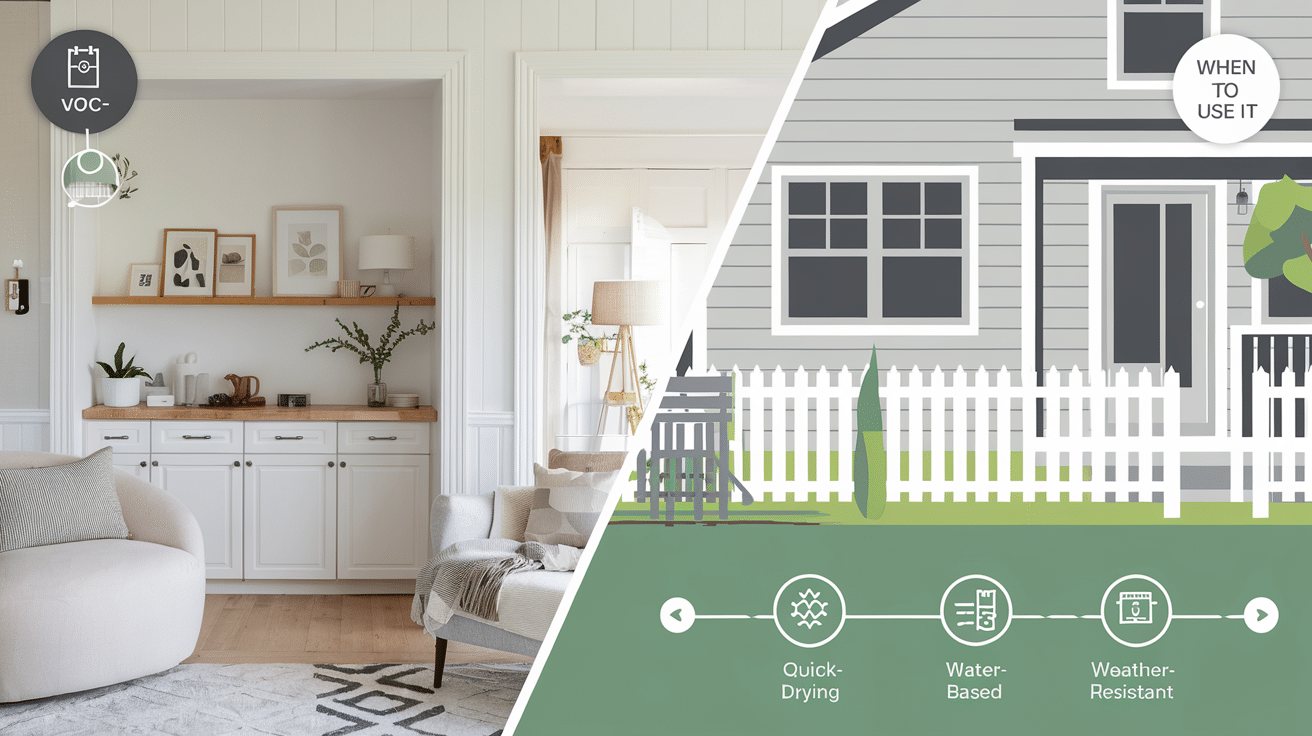
Acrylic latex paint has become a go-to choice for both homeowners and professionals. Its combination of durability, ease of use, and versatility makes it suitable for many different surfaces and situations.
Understanding where this paint performs best will help you make smarter decisions for your next painting project.
Indoor Living Spaces:
Acrylic latex paint is perfect for living rooms and bedrooms because of its low odor. This matters in spaces where you spend most of your time.
The paint dries quickly and won’t fill your home with strong fumes.
Kitchens and Bathrooms:
For kitchens and bathrooms, look for acrylic latex marked “kitchen and bath.”
These versions offer extra moisture resistance and can stand up to the humidity these rooms face daily. Many are also formulated to resist mildew growth.
Children’s Areas:
Kids’ rooms benefit greatly from acrylic latex paint. It’s washable and holds up to cleaning, which is a must with little ones around.
You can wipe off crayon marks, fingerprints, and other small disasters without damaging the paint.
High-traffic zones:
Hallways and stairwells get lots of traffic and touching. Acrylic latex holds up better than standard latex in these high-use areas.
It resists scuffing and can be cleaned more often without losing its finish.
Exterior Surfaces:
On siding, acrylic latex resists cracking as temperatures change. It’s flexible enough for trim work too, allowing the wood to expand without the paint failing.
Fences painted with acrylic latex keep their color longer against sun exposure.
Outdoor Projects:
Outdoor furniture lasts longer against weather damage when painted with acrylic latex.
The paint moves with the materials as they expand and contract, reducing peeling and flaking.
Quick-Turn Project:
Choose acrylic latex when you need to finish a room fast. It’s usually touch-dry in 1-2 hours and can often take a second coat the same day, unlike oil-based options that might need 24 hours between coats.
Not-So-Great Applications:
Very glossy surfaces need proper prep before acrylic latex will stick well. Areas with extremely high humidity, like shower interiors, might need a more specialized product.
For metal facing harsh conditions, you might want an oil-based option instead.
My Experience Using Acrylic Latex Paint
Over time, I’ve used acrylic latex paint in different areas of my home, each with its own conditions.
Here’s how it performed in three very different situations.
1. Living Room Walls (Low Moisture, High Visibility)
I used acrylic latex paint on living room walls where lighting was strong and surface flaws were easy to notice.
Result:
The paint spread evenly and dried quickly. Brush marks leveled out well, and the finish stayed consistent across large wall sections.
Cleanup took minutes, and there was no lingering smell. Even after regular cleaning, the color stayed intact.
2. Kitchen Walls (Heat, Grease, Frequent Cleaning)
The kitchen was a tougher test. Steam, splashes, and frequent wiping were constant factors.
Result:
With a satin finish, the acrylic latex paint held up well. Grease marks wiped off using a damp cloth without dulling the surface.
The paint film stayed firm and didn’t soften, which confirmed its washability in everyday use.
3. Exterior Wood Trim (Temperature Changes and Sun Exposure)
I also applied acrylic latex paint to exterior wood trim exposed to sun and seasonal temperature shifts.
Result:
The paint stayed flexible and didn’t crack as the wood expanded and contracted.
Color remained stable, and there was no peeling after weather changes.
Proper priming made a noticeable difference in long-term adhesion.
Top Acrylic Latex Paint Recommendations
Choosing the right paint brand can save you time, money, and frustration. Some deliver on their promises. Others fall short.
Let me share which brands I trust and why they’re worth your money.
Sherwin-Williams Duration Home

Why I recommend it: This paint offers excellent coverage in just one coat. The color stays true for years. It resists fading from sunlight better than cheaper options.
Best for: High-traffic areas like hallways and family rooms. The durability justifies the higher price. You won’t need to repaint as often.
My experience: I used this in my living room four years ago. The walls still look freshly painted. Not a single scuff mark shows through.
Benjamin Moore Regal Select
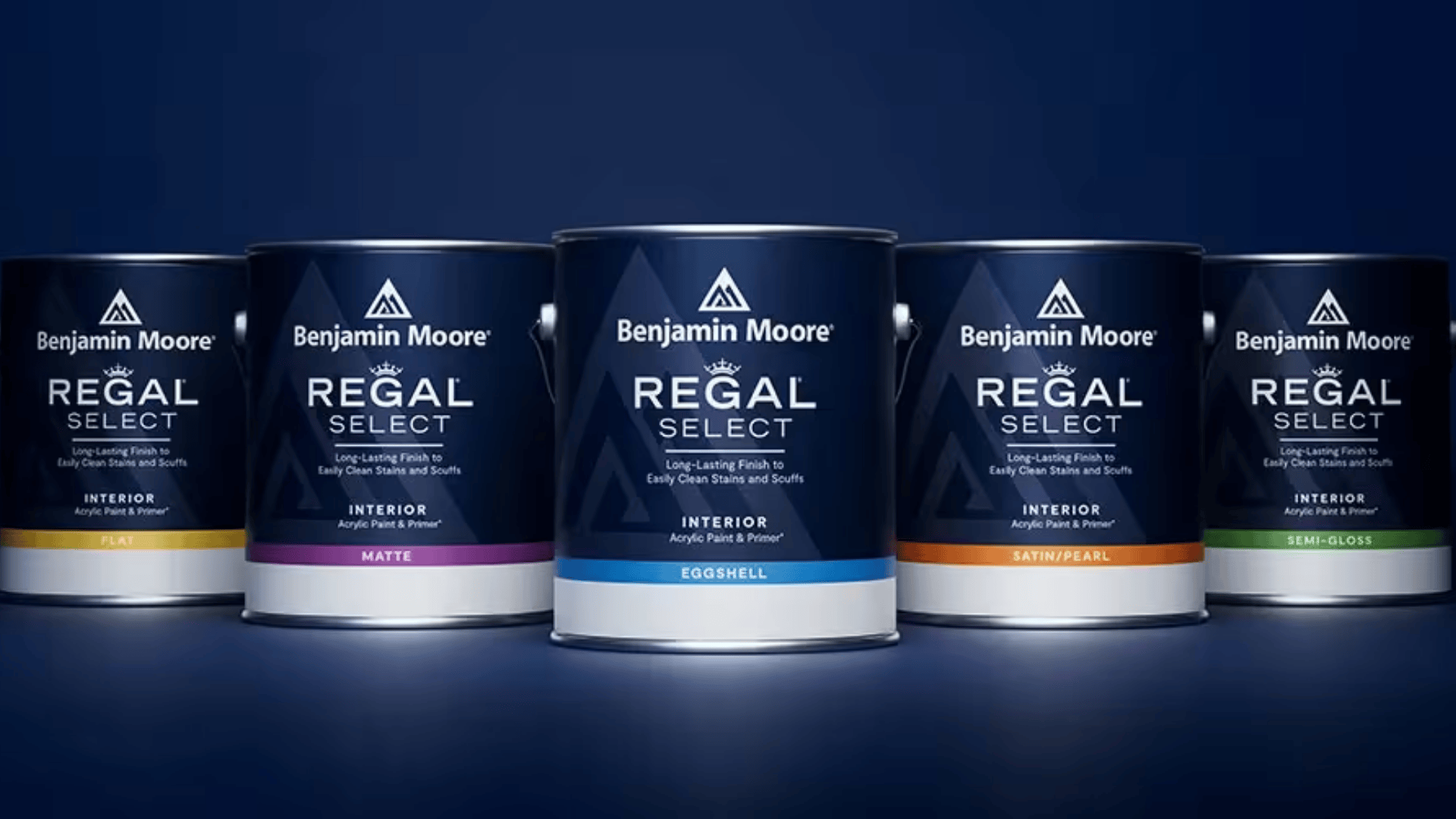
Why I recommend it: Superior hide quality means fewer coats needed. The finish stays smooth and even. It applies beautifully without streaking.
Best for: Rooms where you’re making big color changes. Dark to light conversions work great with this paint. Kitchens and dining rooms benefit from its cleanability.
My experience: Used this on the walls of my cousin Lisa’s dining room – dark brown walls with light gray in two coats. No primer needed.
Behr Premium Plus
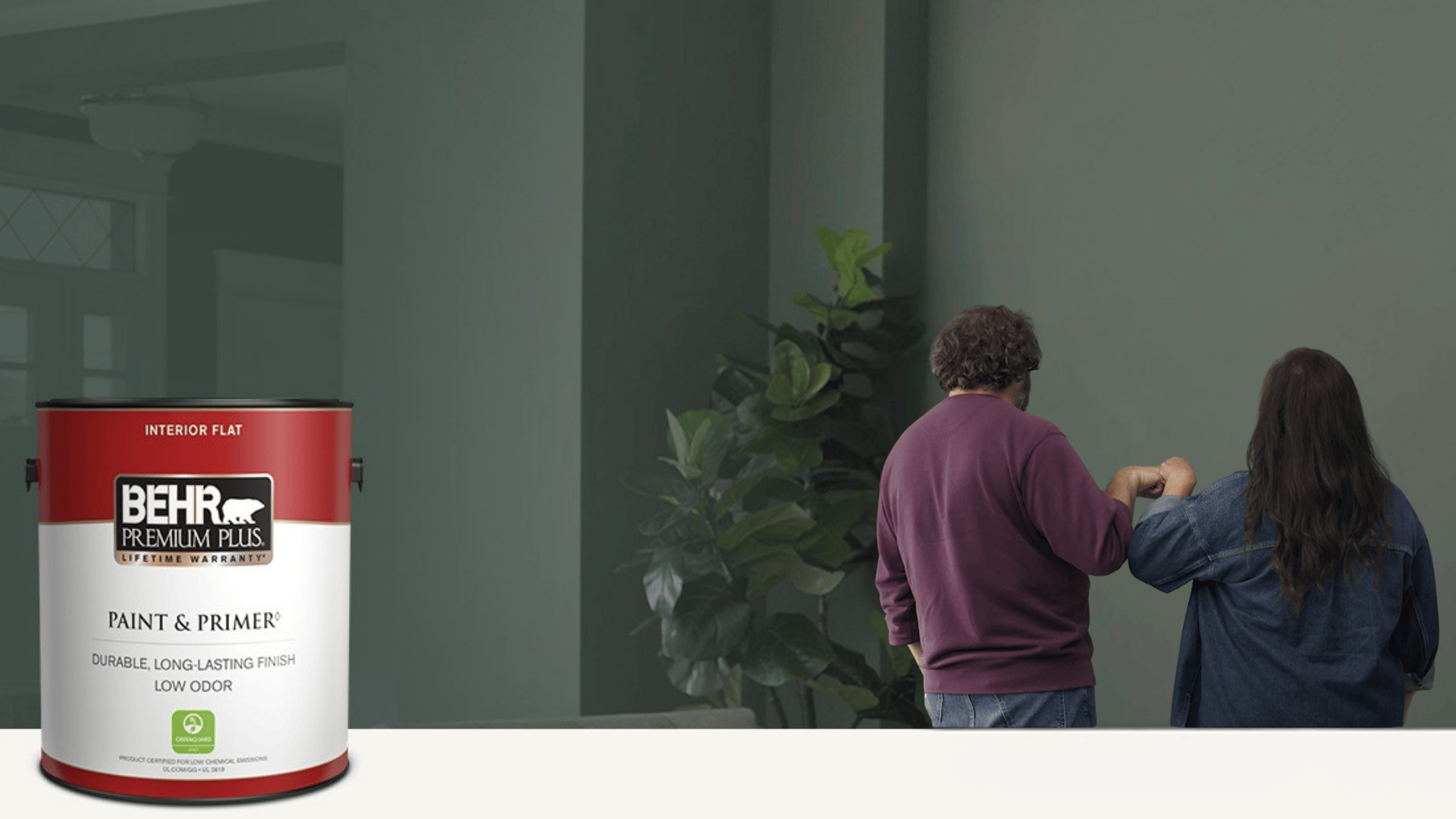
Why I recommend it: Great value for the quality you get. Built-in primer saves a step. Available at Home Depot makes it convenient.
Best for: Budget-conscious projects without sacrificing quality. Bedrooms and guest rooms work well. DIY painters will appreciate how forgiving it is.
My experience: Used this for three bedrooms in a rental property. Tenants have been there two years, and they still love it. Walls still look clean and fresh.
Valspar Signature
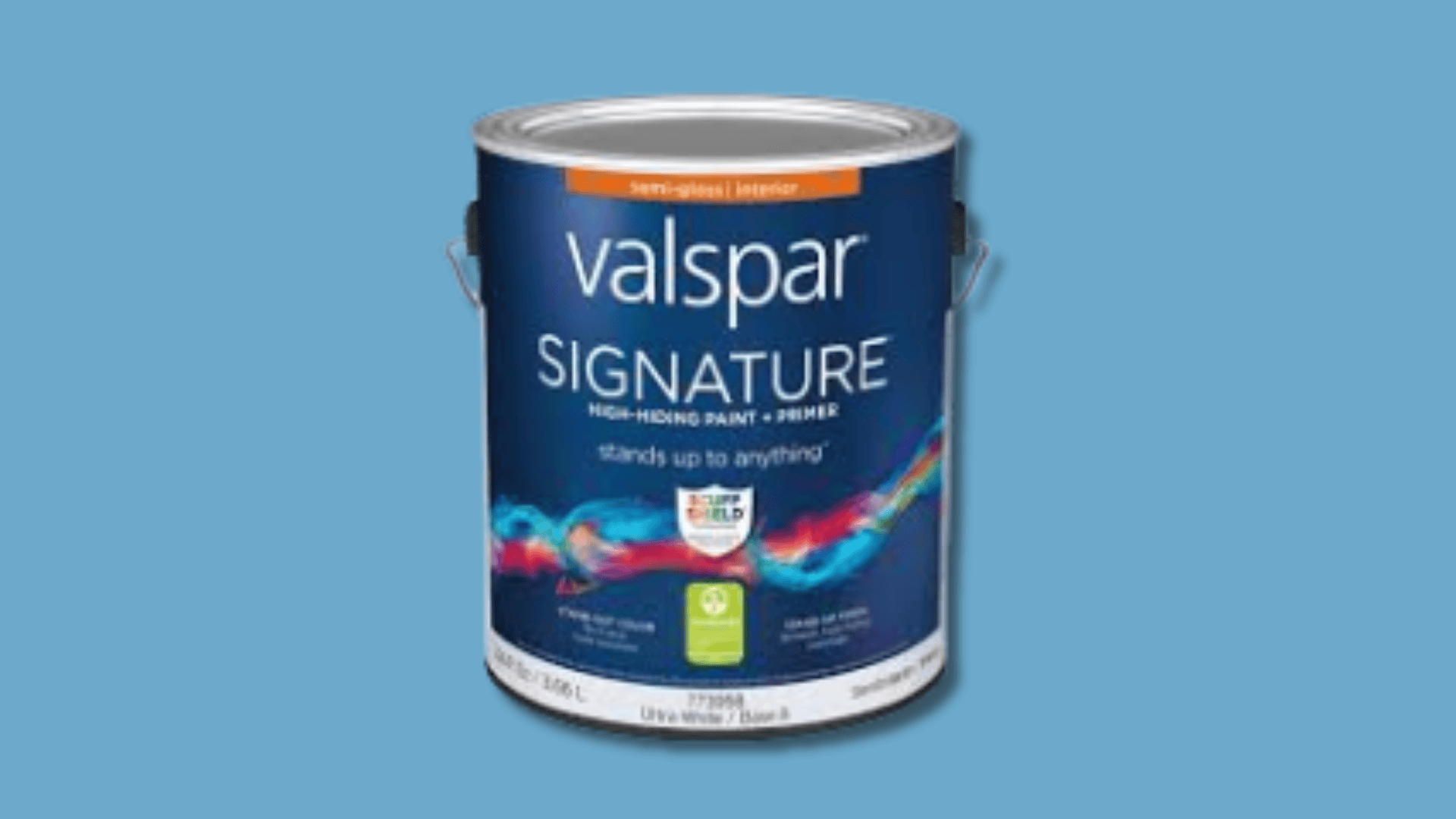
Why I recommend it: Good middle-ground option between budget and premium. Dries quickly so you can finish faster. Low odor makes it comfortable to use.
Best for: Whole-house projects that require consistency. The price point allows you to do more rooms. Good for ceilings too.
My experience: Painted my entire first floor with this brand. Applied smoothly. Dried fast. Cleaned up easily.
Application Tips for Best Results
Getting the most from acrylic latex paint isn’t just about buying the right can. How you apply it makes all the difference between an amateur-looking finish and professional results.
Surface Prep:
- Clean walls with soap and water
- Sand glossy surfaces lightly
- Let everything dry 24 hours
Priming:
- Use primer on bare surfaces
- Tint primer close to final color
Application:
- Use quality brushes and rollers
- Apply two thin coats, not one thick coat
- Keep a wet edge while painting
Drying:
- Allow proper time between coats
- Wait two weeks before washing walls
Weather (Exterior):
- Paint between 50-85°F
- Avoid rain for 24 hours after
The Bottom Line
After working with it across different surfaces, I can say with confidence that the answer to is acrylic latex paint water based is yes.
Its water-based formula explains the easy cleanup, quick drying time, and low odor I experienced on every project.
From indoor walls to exterior trim, it delivered reliable results without complicated application steps.
For most home painting needs, acrylic latex paint offers a practical balance of performance and ease that makes planning simpler and results more predictable.
Frequently Asked Questions (FAQs)
1. What is Acrylic Latex Paint Used for?
Acrylic latex paint is used for interior walls, ceilings, trim, and many exterior surfaces needing quick drying and easy cleanup.
2. How to Tell if Acrylic Paint is Water Based?
Check the label for water-based or soap-and-water cleanup, low odor, and fast drying, which indicate acrylic water-based paint type clearly.
3. Can I Paint Acrylic Over Latex?
Yes, you can paint acrylic over latex after cleaning, light sanding, and proper drying for better adhesion and lasting results.
4. Which is More Durable: Latex or Acrylic?
Acrylic paint is more durable than latex because it resists cracking, peeling, moisture, and weather changes better over time overall.