Vinyl doesn’t stay fresh-looking forever.
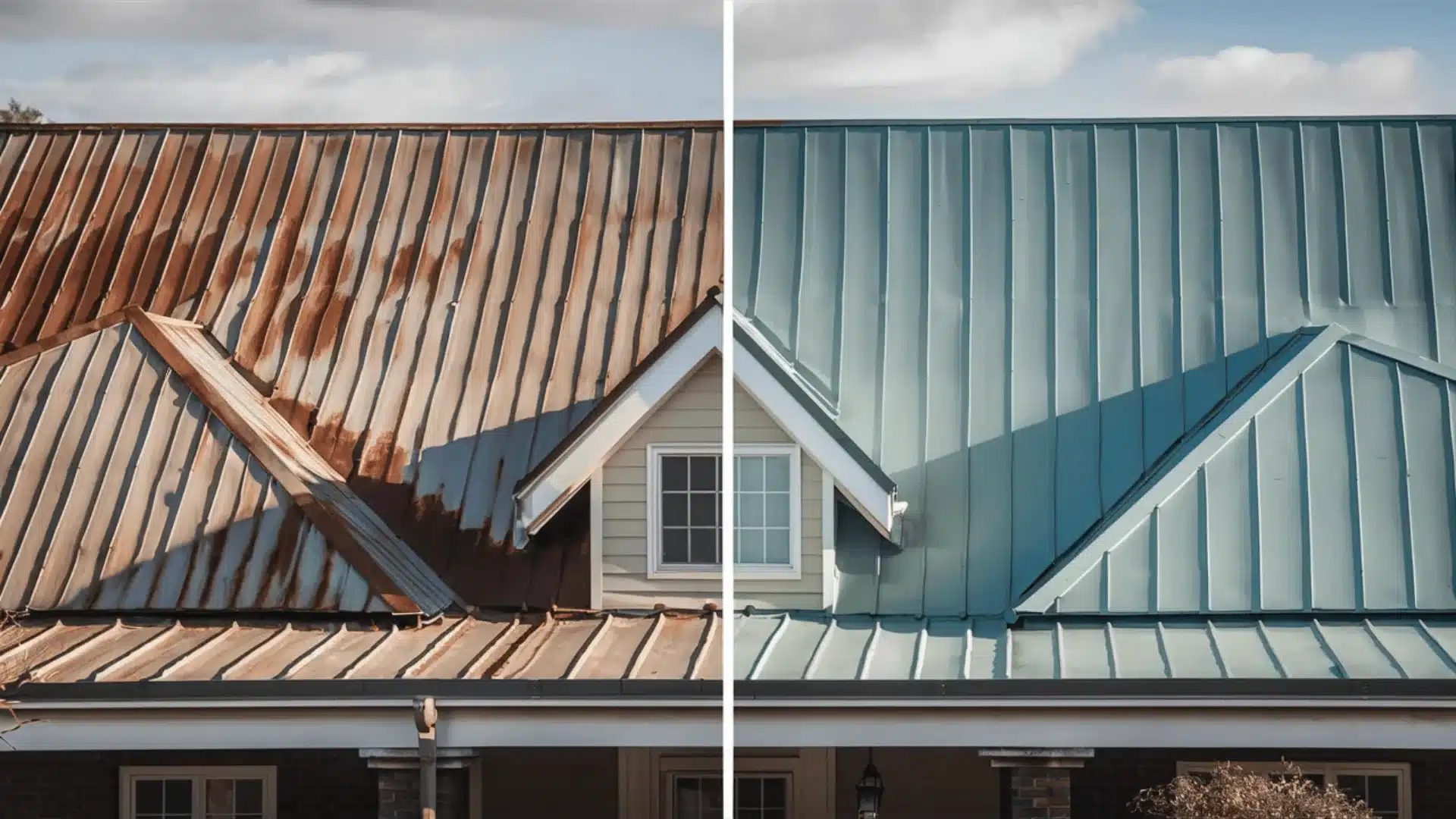
Sun and weather leave it looking dull and outdated. Painting costs a fraction of replacement while still refreshing your home’s appearance.
But there’s a catch: you need the right paint, proper prep, and correct application.
Wrong choices lead to warping, peeling, and wasted money.
This blog covers everything, from choosing vinyl-safe paint to avoiding common mistakes and making your paint job last longer.
Can You Paint Vinyl Siding?
Yes, you can paint vinyl siding. It’s a budget-friendly way to update your home’s look without replacing the entire exterior.
Use acrylic or latex paint made specifically for vinyl. Avoid oil-based paints and dark colors, as they absorb heat and can warp the siding.
Stick with shades lighter than or equal to your current color.
Clean the siding thoroughly before painting. Remove all dirt, mildew, and chalky residue. Let it dry completely, then apply two coats of paint using a brush, roller, or sprayer.
Properly painted vinyl siding lasts about 10 years, making it a smart alternative to costly replacement.
Painting Vinyl Siding: Pros and Cons
| Pros | Cons |
|---|---|
| Costs significantly less than full replacement—saves thousands of dollars | Paint lasts only 7-10 years vs. 20-30 years for quality vinyl siding |
| Quick process, most homes done in just a few days | Color choices limited—can’t go darker than original without warping risk |
| Complete control over color to match trends or personal style | Time-consuming prep work—cleaning and priming required |
| Extends siding life by adding a protective layer against weather and UV | Won’t fix cracked or damaged siding—only cosmetic improvement |
| Refreshes curb appeal without a major construction mess | May void your siding warranty |
Preparation First
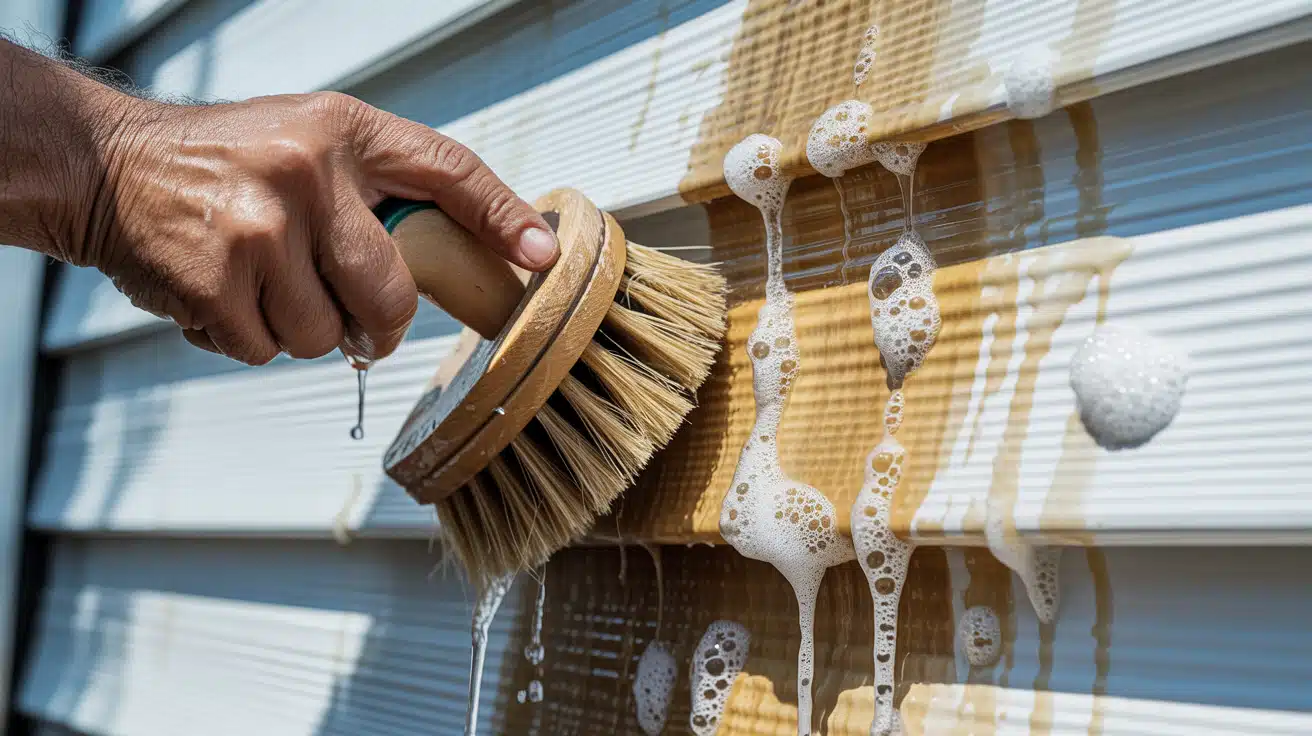
Proper preparation determines whether your paint lasts 10 years or peels in months.
Skip prep work, and you’ll waste time and money.
- Clean thoroughly first: Vinyl accumulates dirt, mildew, and chalky residue. Pressure wash on low setting or scrub with water and mild detergent. Rinse completely and let dry 24-48 hours. Any leftover grime prevents paint from bonding.
- Inspect and repair damage: Check for cracks, holes, or loose panels. Replace broken pieces before painting. Paint won’t hide structural issues or stick to damaged surfaces.
- Clear the work area: Remove light fixtures and shutters if possible. Cover windows, doors, and plants with plastic sheeting. Trim bushes away from the siding for easy access.
- Prime when necessary: Severely faded or chalky siding needs primer designed for vinyl. Most modern vinyl paints include primer, but an extra coat helps on weathered surfaces.
Choosing the Right Paint and Color
The secret to a lasting vinyl siding paint job is using the right paint and color. Not every exterior paint will stick or withstand the vinyl’s constant expansion and contraction.
Use 100% Acrylic, Vinyl-Safe Paint
Choose a high-quality, vinyl-safe acrylic exterior paint. These paints are flexible, fade-resistant, and designed to move with your siding, preventing cracks or peeling.
Top options:
Pick the Right Color
Vinyl absorbs heat, so color choice matters.
- Go lighter or similar: Lighter shades reflect sunlight and reduce warping risk.
- If going darker: Make sure it’s labeled vinyl-safe.
Look for a Light Reflectance Value (LRV) of 55 or higher for safety and durability.
Test Before You Commit
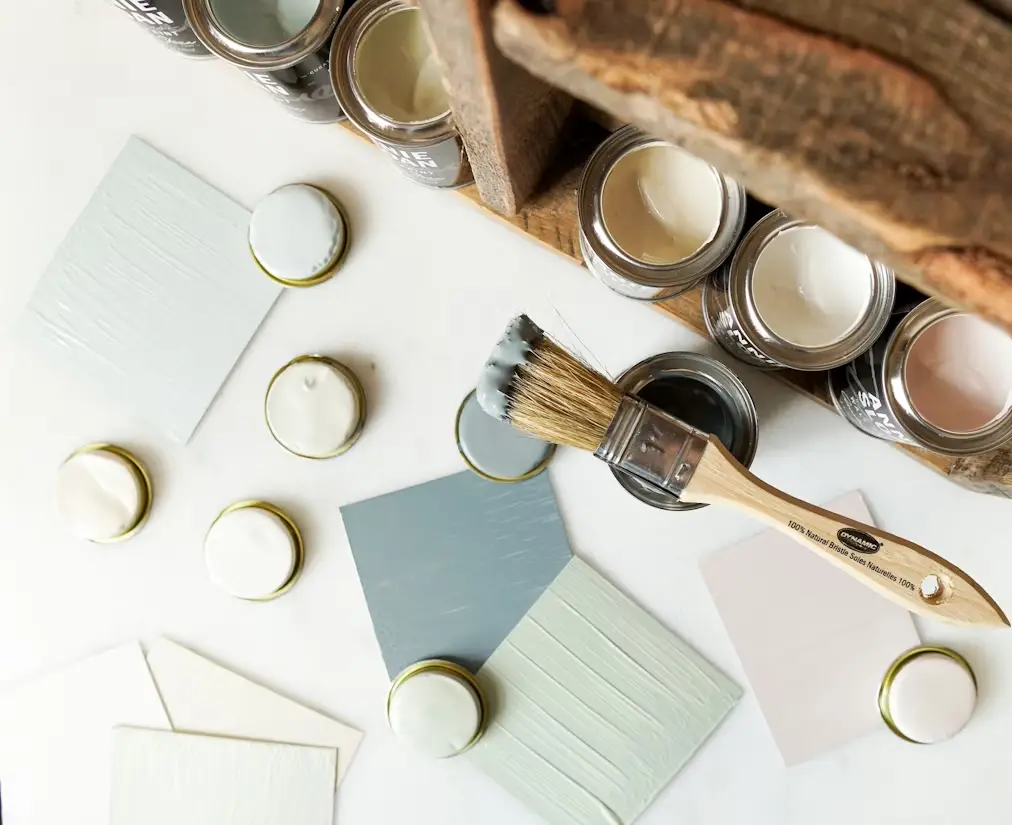
Paint a small area first to see how it looks in sunlight and shade. Vinyl color can subtly change how paint appears once dry.
Pro Tip: The right paint and color combo not only boosts curb appeal but also ensures your finish lasts 10–12 years without fading.
How to Paint Vinyl Siding Like a Pro
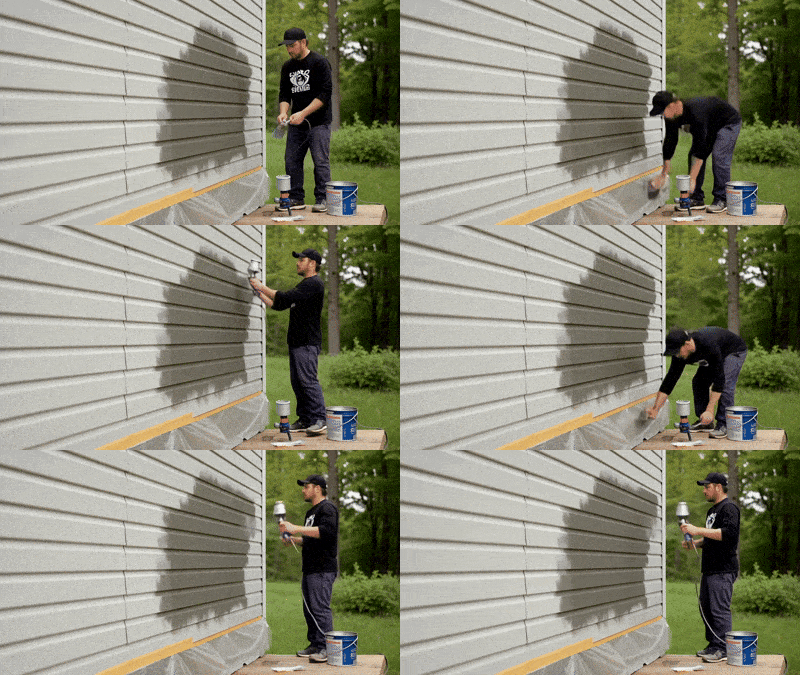
Follow these steps for professional results that last.
Step 1: Check weather conditions
Paint when temperatures are 50-85°F with low humidity. Avoid direct sunlight, rain, or wind. Early morning or late afternoon works best.
Step 2: Choose your application method
Use a paint sprayer for large areas or a high-quality brush and roller for smaller sections. Sprayers save time but require more prep work to protect surrounding areas.
Step 3: Start from the top
Begin at the highest point and work downward. This prevents drips from ruining freshly painted sections below.
Step 4: Apply thin, even coats
Don’t overload your brush or sprayer. Thin coats dry evenly and prevent drips. If spraying, hold the gun 12-18 inches from the surface and use smooth, overlapping strokes.
Step 5: Paint horizontally
Follow the natural grain of the vinyl siding. Move in horizontal lines to avoid visible brush marks and create a uniform finish.
Step 6: Let it dry completely
Wait 4-6 hours between coats. Check the paint can for exact drying times based on temperature and humidity.
Step 7: Apply a second coat
Two thin coats always beat one thick coat. Check for missed spots and touch up as needed.
Professional results come from patience and proper technique, not speed.
Cost Breakdown: Painting vs. Replacing Vinyl Siding
| Factor | Painting | Replacing |
|---|---|---|
| Cost per sq. ft. | $2–$3 | $5–$7 |
| 2,000 sq. ft. Home | $4,000–$6,000 | $10,000–$14,000 |
| Lifespan | 10–12 years | 30+ years |
| Time to Complete | 2–4 days | 1–2 weeks |
| Maintenance | Repaint every 10 yrs | Low maintenance |
| Best For | Good-condition siding | Old or damaged siding |
Painting is ideal for a quick, budget-friendly update, while replacing offers a longer-lasting investment.
Common Mistakes to Avoid When Painting Vinyl Siding
Avoid these errors to save time, money, and frustration.
1. Choosing dark colors: Dark paint absorbs heat and warps vinyl. Stick to colors with an LRV of 55 or higher; never go darker than your original siding.
2. Skipping proper cleaning: Dirt, mildew, and chalk prevent paint adhesion. Clean with TSP solution and dry for 48 hours before painting or expect peeling.
3. Using the wrong paint: Oil-based or standard exterior paint cracks on vinyl. Use only 100% acrylic latex labeled “vinyl-safe.”
4. Painting in bad weather: Temperatures outside 50-85°F, high humidity, or direct sun cause poor bonding and uneven drying.
5. Applying thick coats: Heavy layers trap moisture and bubble. Two thin coats always beat one thick coat.
6. Ignoring damaged siding: Replace cracked or warped panels first. Paint won’t fix structural problems and will peel from damaged surfaces.
7. Skipping primer on weathered siding: Faded or chalky vinyl needs primer for proper bonding. Without it, paint fails quickly.
Maintenance Tips
Simple maintenance extends your paint job’s lifespan.
- Clean annually: Wash with mild soap and water using a soft brush or low-pressure washer. Remove dirt and mildew before they damage paint.
- Inspect twice yearly: Check for peeling, cracking, or fading. Catch small problems before they spread.
- Touch up damage fast: Fix chips immediately with leftover paint. Small repairs prevent bigger issues.
- Trim vegetation: Keep plants 12 inches away from siding. They trap moisture and cause mildew.
- Avoid harsh chemicals: Skip bleach and high-pressure washing. They strip paint and shorten lifespan.
- Repaint every 7-10 years: Quality paint fades over time. Plan ahead when you notice significant wear.
Regional & Climate Considerations
Climate directly impacts paint performance and longevity. Hot, sunny areas fade paint faster, use UV-resistant formulas, and expect repainting every 6-8 years.
Cold regions need flexible paint that won’t crack below freezing. Paint only when temperatures stay above 50°F for 48 hours.
Humid coastal zones promote mildew; choose mildew-resistant paint and clean twice yearly. Rainy climates require excellent adhesion and mildewcide additives.
High-wind areas need thicker coats for protection against debris damage.
Four-season climates stress paint through temperature swings. Use premium flexible formulas and paint during mild spring or fall.
Match paint type and maintenance to your local conditions for the longest-lasting results.
Conclusion
Painting vinyl siding saves money and refreshes your home when done correctly.
Use vinyl-safe acrylic paint, choose lighter colors, and prep thoroughly for results that last 10 years.
Clean well, repair damage, and apply two thin coats. Avoid dark colors that warp siding. Annual maintenance keeps paint looking fresh longer.
Ready to convert your home? Start this weekend or hire a professional; both cost less than replacement.