Choosing the colour of a door frame can subtly transform the look and feel of a home. It defines the boundary between indoor and outdoor spaces while complementing walls, flooring, and the front door itself. The right door frame colour enhances architectural style, adds depth to design, and connects all elements of the façade into a cohesive whole.
Today’s homeowners explore a wide range of finishes, from timeless whites and deep charcoals to contemporary metallics and warm timber tones. The right choice doesn’t just blend—it highlights quality craftsmanship and reflects personal taste.
Understanding how colour interacts with light, materials, and surrounding features helps create balance and curb appeal. This guide outlines popular options, methods for choosing the best tone, and emerging trends shaping modern finishing techniques.
Popular Door Frame Colours
Door frame colours influence how a home’s exterior and interior design come together. They often balance visual harmony, durability, and maintenance needs. Many homeowners choose tones that complement wall shades, architectural style, and lighting conditions.
Timeless Neutrals
Neutral door frame colours remain popular for their flexibility and enduring style. Shades like white, off-white, cream, beige, and light grey create a clean and composed appearance. These colours work well with both traditional and contemporary homes, ensuring that frames blend rather than compete with other exterior features.
A matte or satin finish helps reduce glare while maintaining a smooth, subtle look. Light neutrals also help reflect sunlight, preventing heat buildup and protecting frame materials from fading.
When paired with bold wall colours or decorative trims, neutral frames provide contrast that looks refined rather than overpowering. Homeowners often select them to highlight windows or doors without drawing too much attention. Neutral palettes also make future repainting easier, as they coordinate with a wide range of exterior and interior updates.
Bold and Modern Shades
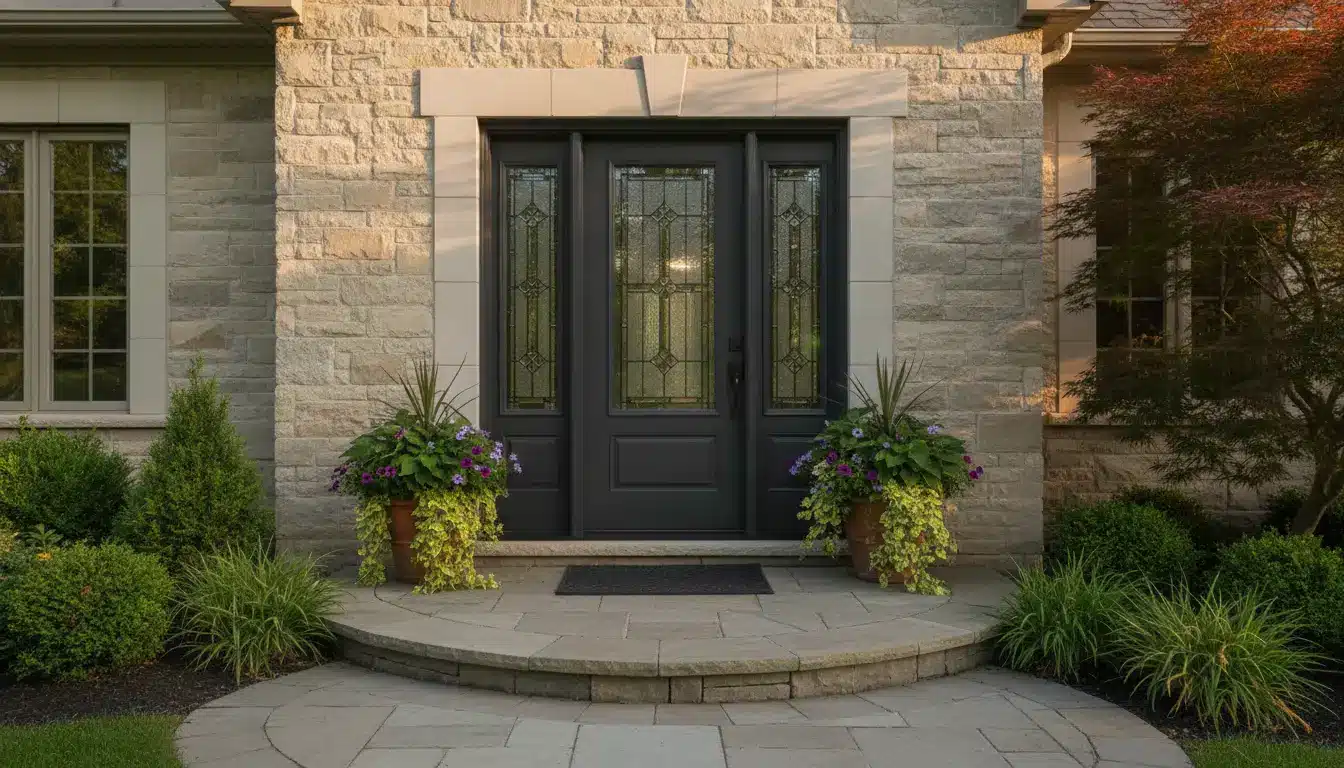
Bolder tones like black, charcoal, navy, and deep green continue to gain attention for their modern appeal. These colours add definition to a façade, especially in minimalist or industrial-style architecture. A black or charcoal frame, for example, produces a sharp outline that enhances glass areas and creates a crisp architectural edge.
Dark tones typically have a low light reflectance value, which means they absorb more heat. When choosing such colours, it’s important to use UV-resistant and moisture-protective paints to prevent warping or fading. In warm or humid climates, durable finishes such as semi-gloss or powder-coated surfaces help maintain appearance over time.
Modern shades pair effectively with lighter siding materials—such as off-white render, stone, or pale brick—to create contrast and depth. They can also serve as accents for metallic or timber doors, producing a more distinctive yet balanced entryway.
Classic Wood Finishes
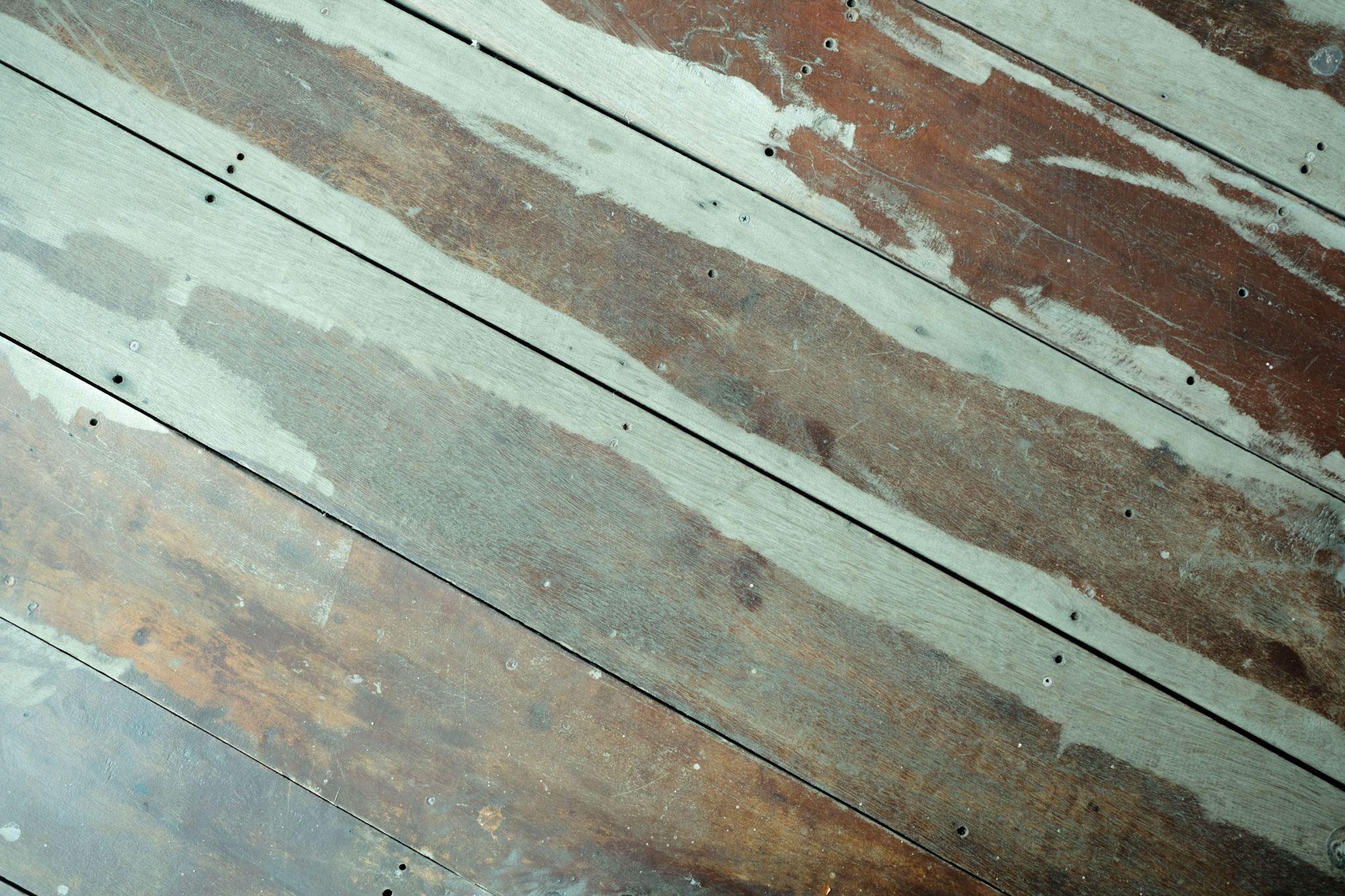
Classic wood finishes bring warmth and natural character to frames. Options like teak, walnut, oak, and mahogany stains showcase grain patterns that emphasize craftsmanship. These finishes blend well with a variety of architectural styles, from rustic cottages to formal heritage homes.
A clear sealant or semi-transparent stain preserves the organic look of timber while protecting it from moisture and sunlight. Regular maintenance, including gentle cleaning and reapplication of finish, helps wood retain its tone and prevent cracking or discoloration.
Compared with painted frames, wood tones provide a softer aesthetic that complements neutral or earthy exterior colours. Many homeowners favor this choice for its natural variation and the subtle sense of quality it adds to both modern and traditional doors.
How to Choose the Right Door Frame Colour
Selecting the best door frame colour depends on how well it complements existing design elements, responds to natural light, and aligns with intended style updates. Attention to door materials, layout, and nearby finishes helps maintain a consistent look while enhancing durability and visual balance.
Matching with Interior Decor
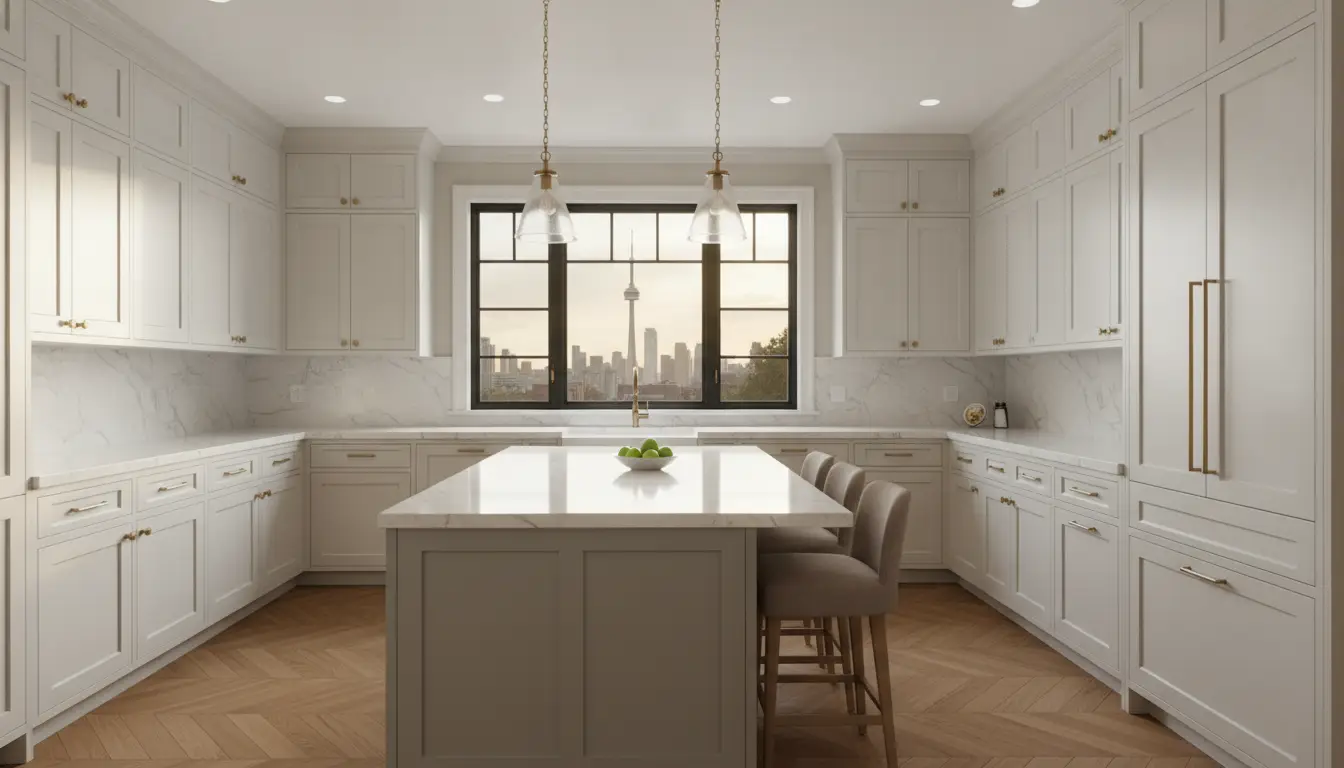
Door frames bridge walls, floors, and doors, so their colour should tie these elements together. Neutral tones like white, beige, or grey work well with most interior palettes and create clean visual lines. For homes with bold walls or patterned furniture, softer frame shades can help avoid visual clutter.
In contrast, darker frames add definition and depth when paired with lighter wall tones. They can emphasize architectural details or add a sense of formality. The key is ensuring contrast feels intentional rather than accidental. A simple test is to hold paint samples next to furniture finishes and wall colours under both day and artificial lighting.
Coordinating with Door Colour
The door and its frame should relate visually, but they don’t always need to match exactly. Matching creates a uniform appearance that blends seamlessly into the room. In contrast, a slightly darker frame can highlight the door’s shape and craftsmanship.
When doors feature glass panels or intricate textures, choosing a frame one or two tones lighter keeps attention on the design. For example, a navy-blue door pairs well with a slate-grey frame for a balanced contrast. It’s also practical to consider maintenance—darker paints hide scuffs, while lighter ones show dust less.
Consistency matters in multi-door spaces such as hallways or commercial settings. They look cohesive if door and frame colours follow a single tone family—even when shades vary slightly.
Replacing Old Doors with uPVC Double Glazed Doors
Replacing old glass doors with uPVC double glazed doors modernizes your home while improving energy efficiency. Choosing neutral frame colours like soft grey or black refreshes outdated timber tones and suits various interior styles.
Be sure to coordinate wall colours and hardware—matte black hinges work well with darker frames. uPVC offers versatile finishes and low maintenance, creating a consistent look when matched with nearby window frames for a seamless interior and exterior flow.