Selling a home often starts with making a strong first impression. Fresh paint can transform a property from worn to well-cared-for, helping potential buyers see a move-in-ready space instead of a to-do list. Repainting before selling typically increases appeal, shortens time on the market, and supports a stronger sale price.
A tired or outdated color can distract from a home’s best features. Neutral tones and clean finishes create a sense of space and give buyers the confidence that the property has been maintained. A simple refresh can make walls look new and help highlight the rest of the interior or exterior improvements.
Those preparing to sell often wonder how far to go with updates before listing. Repainting remains one of the most cost-effective ways to show care, enhance value, and present a finished, inviting look that appeals to a wide range of buyers.
Benefits of Repainting Your House Before Selling
A well-done repaint can modernize a home’s look, make wear less noticeable, and influence how buyers perceive its condition and value. It offers one of the highest returns on investment among pre-sale home improvements because it improves both appearance and buyer confidence.
Boosting Curb Appeal
Fresh paint quickly renews a home’s exterior, making it look cleaner, better maintained, and more inviting. Buyers often form an opinion within seconds of arriving, so a neat, updated exterior can significantly increase interest. Even minor updates—such as refreshing trim or shutters—enhance the overall aesthetic and signal that the homeowner has cared for the property.
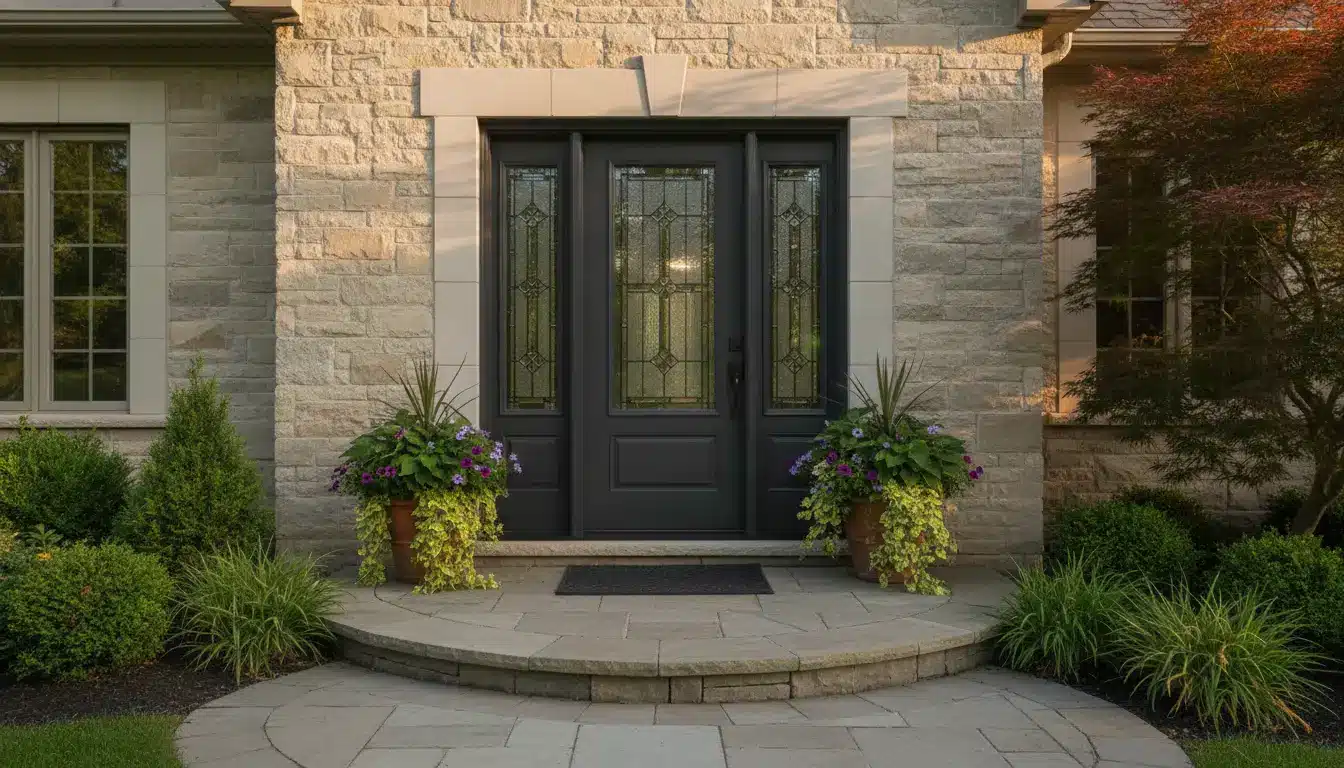
Neutral or regionally popular colors work best. Soft grays, beige, or off-white often appeal to the broadest audiences, while a contrasting front door color adds personality. Repainting also covers stains, fading, and chipped surfaces that can distract from architectural features.
A clean and coordinated palette helps the property stand out positively in listings and drive-by viewings. Real estate professionals frequently report that homes with newer paint tend to attract more showings and avoid being overlooked due to dull or neglected exteriors.
Increasing Home Value
Painting is a cost-effective upgrade that can raise a property’s perceived and actual value. Industry data suggests homeowners may recoup 2% to 5% of the home’s value through improved buyer appeal and higher offers. Buyers often equate a freshly painted house with fewer upcoming maintenance costs, which can make them more comfortable offering closer to the asking price.
Exterior repainting protects surfaces from weather, moisture, and sun exposure. This preventative maintenance extends siding life and helps future owners avoid early repair expenses. Inside, repainting rooms in light, neutral colors can make spaces feel larger and more updated, further supporting price strength.
Because painting costs less than major renovations, it produces a better return per dollar spent. For sellers on a limited budget, it remains one of the most efficient ways to improve value without taking on heavy remodeling expenses.
Creating a Positive First Impression
First impressions influence how long potential buyers stay during a showing and how they rank the property afterward. A freshly painted home immediately communicates cleanliness and care, reducing the sense that extensive work is needed. Buyers tend to trust that a well-presented home has been responsibly maintained throughout.
Key sensory details—like the look of smooth, even finishes and the absence of peeling paint—build a sense of reliability. Interior repainting also helps neutralize odors or discoloration from age, smoke, or previous repairs. Subtle shades and consistent finishes create a more cohesive environment that helps buyers visualize their own furniture and décor.
Good lighting paired with clean, uniform paint surfaces can make interiors feel brighter and newer. The result is a more memorable walkthrough and a stronger emotional connection that increases the likelihood of receiving quality offers.
When Is Repainting Necessary Before a Sale?
Repainting becomes necessary when a home’s condition, color choices, or presentation reduces its appeal to buyers. Buyers often form first impressions based on surface condition and visual harmony, which can substantially affect how quickly a property sells and at what price.
Visible Wear and Damage
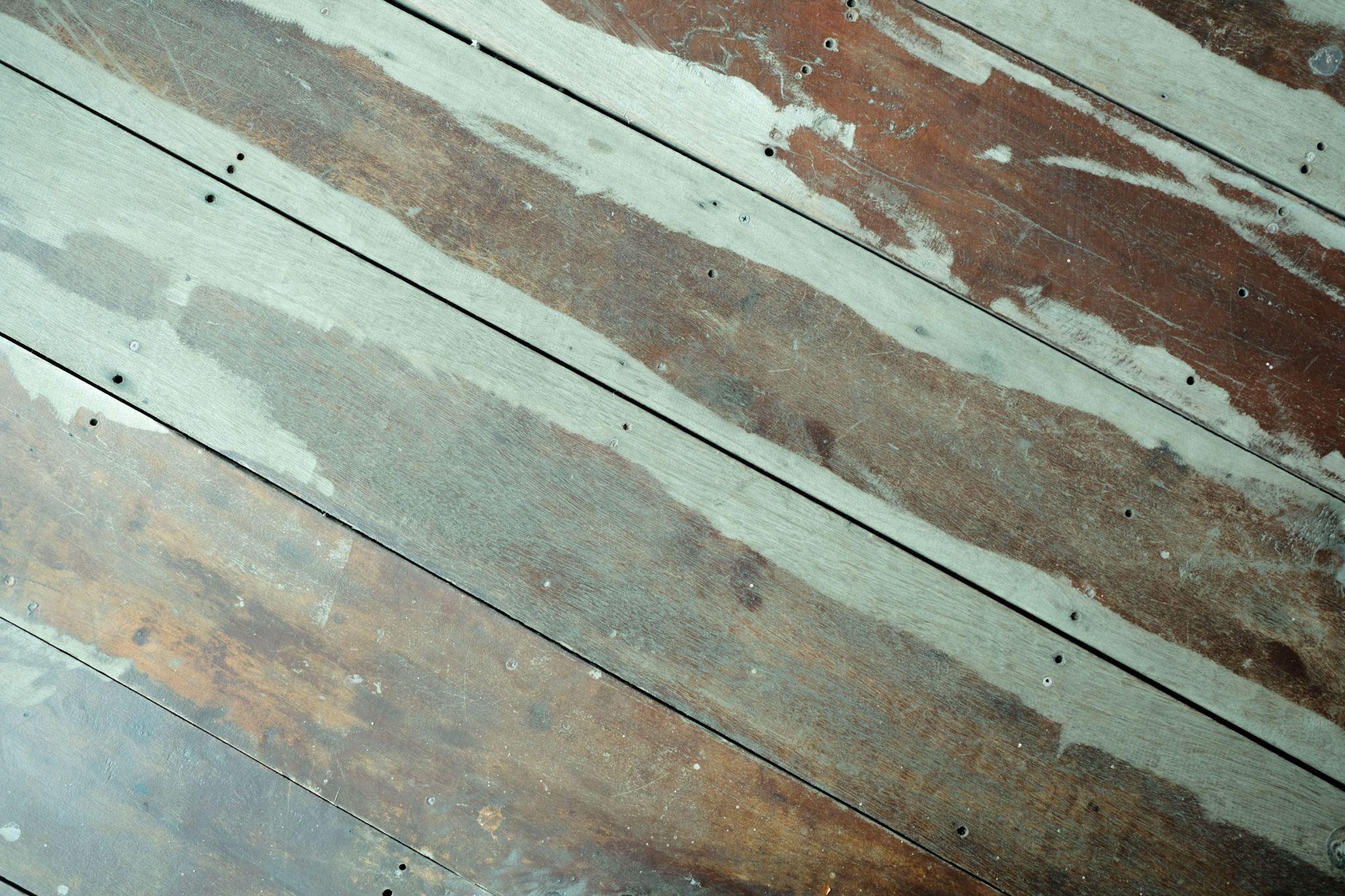
Paint that shows cracking, peeling, stains, or scuff marks signals neglect. Even minor surface flaws can suggest that the home has not been well maintained. In competitive markets, those signs may turn potential buyers away before they look further.
When walls or trim display moisture damage or faded color from sunlight exposure, repainting corrects both appearance and potential misunderstanding about upkeep. Fresh coatings help surfaces look clean and solid, reducing distraction from the home’s stronger features.
Professional painters often recommend focusing on entry areas, kitchens, and bathrooms first, as these spaces experience the most wear. Using durable, washable finishes adds value because it helps keep the home looking newer until closing.
Outdated or Unpopular Colors
Colors that were trendy years ago can now feel dated, especially bold tones or overly personalized schemes. Neutral palettes—such as soft grays, warm whites, and light beiges—allow buyers to picture their own furniture and style more easily.
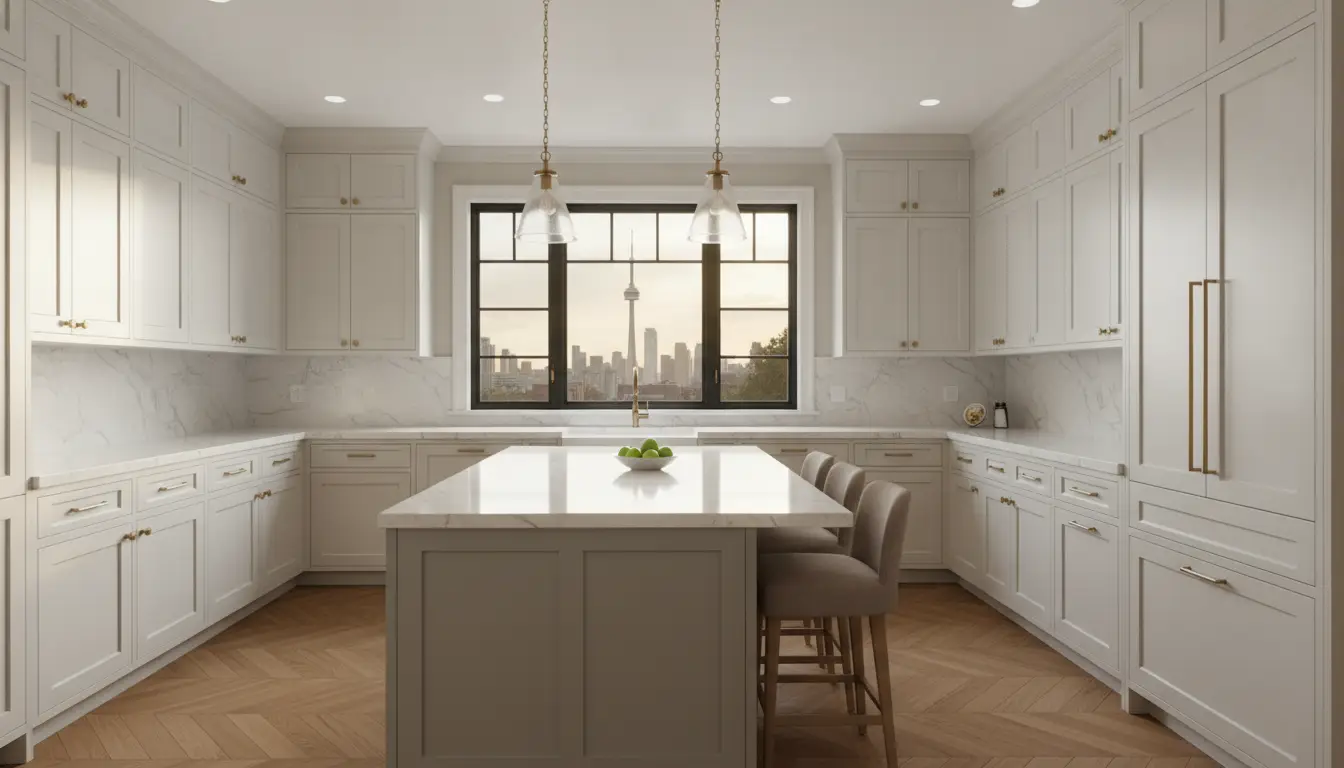
Repainting outdated rooms with neutral tones helps unify the interior and makes spaces appear larger and brighter. Agents and staging professionals often note that homes with fresh, neutral walls photograph better and attract broader attention online.
Preparing for Professional Photography
A clean, consistent paint finish improves how a property appears in listing photos and virtual tours. Photography lighting emphasizes imperfections such as patchy paint, glossy glare, or discoloration, which can distract from interior design and architecture.
Repainting before photography helps create even lighting reflection and more uniform tones throughout each room. This consistency allows professional photographers to capture clearer images with minimal editing, increasing the listing’s visual quality.
Soft neutral colors work best when photographed because they balance natural and artificial light, making spaces look open and inviting. A bright, even wall surface also reduces the need for flash, helping photos more accurately represent the home’s atmosphere and scale.
Choosing the Right Paint and Colors for Selling
Selecting the right paint involves more than choosing a pleasant shade. Buyers notice condition, finish, and color tone, all of which influence how fresh, clean, and move-in ready a home feels. Appropriate selections can subtly highlight space and light while minimizing wear.
Neutral vs. Bold Color Choices
Neutral tones remain the most effective for market appeal. Shades such as off-white, beige, gray, or soft taupe allow buyers to picture their own furnishings and reduce the risk of strong reactions. These colors also make rooms appear larger and brighter, especially in spaces with limited natural light.
Bold colors can work when used selectively. A deep navy or charcoal front door, for instance, can add interest and improve curb appeal without deterring buyers. However, strong interior shades—like bright reds or dramatic purples—can narrow appeal by distracting attention from the home’s features.
When repainting, sellers should evaluate lighting and existing fixtures. Cooler neutrals often complement modern finishes like stainless steel, while warmer tones fit homes with traditional wood accents. The goal is to create a consistent, balanced palette that feels cohesive across rooms.
Quality and Finish Considerations
Paint quality affects both appearance and durability. High-quality paints typically provide better coverage, fade resistance, and easier touch-ups, making them a practical choice for sellers who want lasting results. Investing in a mid-range or premium product helps ensure even color and fewer coats.
The finish impacts how light reflects and how easily surfaces can be cleaned. Semi-gloss or satin finishes suit trim, doors, and bathrooms, where moisture and fingerprints are common. For living rooms and bedrooms, eggshell or matte finishes hide wall imperfections and deliver a softer look.
Applying the right number of coats also matters. Two coats are usually sufficient for robust coverage, especially when covering existing marks or darker colors. Proper surface preparation—washing walls, patching holes, and priming where needed—improves paint adhesion and a professional appearance.
Cleaning Up After Repainting and Moving
After repainting, it’s important to hire a professional cleaning company to remove dust, paint splatters, and residue, ensuring your home looks spotless. Professional movers can then safely handle your furniture and belongings, protecting freshly painted walls and reducing stress during the move.
Start packing early by sorting and labeling boxes by room, keeping essentials separate for easy access. Combining expert cleaning services with professional movers makes your move smooth and hassle-free.