Confidence doesn’t usually arrive all at once for kids. It builds slowly, through everyday moments where they test themselves, take small risks, and realize they’re capable of more than they thought. And, while confidence can grow in classrooms and sports teams, some of the most important moments happen much closer to home.
Backyard play is one of these moments, giving children the space to move at their own pace. There’s no scoreboard, no audience, and no pressure to get things right the first time. It’s a setting where effort matters more than outcome, and that’s exactly where confidence tends to take root.
Why Physical Challenge Matters for Building Confidence
Kids naturally seek out activities that challenge them physically. Climbing, hanging, swinging, and lifting their own body weight all help children understand what their bodies can do. These movements don’t just build strength; they also build trust in themselves.
When a child tries something new outdoors, there’s usually a moment of hesitation followed by a decision to give it a go. That moment is important. Each time they push past it, even in small ways, they’re learning that effort leads somewhere. Over time, those small wins begin to shape how they approach challenges in other areas of their lives as well.
Confidence Grows at Different Speeds
Some children are cautious by nature, while others jump straight in. However, one of the benefits of backyard play is that it doesn’t force kids to keep up with anyone else, and outdoor play equipment allows both approaches to coexist without judgment.
For example, a child might watch from the sidelines for days or weeks before trying something new. Then one afternoon, they’ll surprise everyone, including themselves. That sense of choosing the moment rather than being pushed into it plays a big role in how confidence develops.
Creating Space for Independent Play
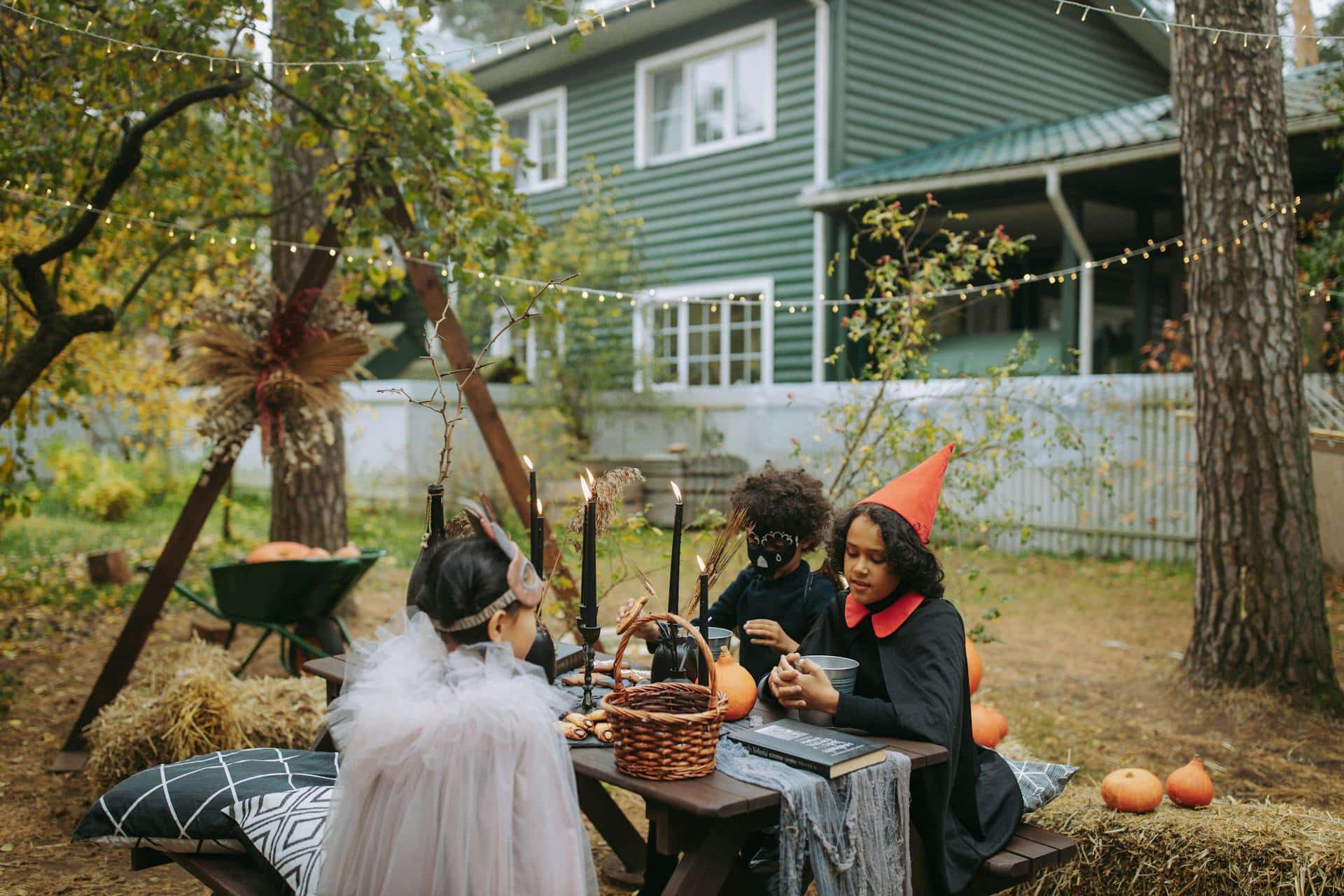
Backyards offer a rare mix of freedom and safety, which means kids can feel independent, but parents are still close by. It’s this balance that encourages children to experiment, problem solve, and make decisions on their own.
Monkey bars, climbing frames, and similar equipment naturally support this kind of independent play. Kids can figure out how to move from one bar to the next, how to recover if they slip, and when to try again. These moments quietly build resilience and teach children that setbacks are part of learning, not something to fear. Play structures like the Recreations Outlet climbing dome can add variety to backyard setups, giving children a safe and fun way to challenge themselves while boosting confidence and coordination.
This is where equipment like Vuly monkey bar sets is ideal. Their design encourages gradual progression, allowing kids to build strength and confidence over time without feeling overwhelmed.
The Emotional Side of Active Play
Confidence isn’t just physical. Active play also helps children work through frustration, excitement, and nervous energy. Hanging from a bar or climbing across a frame requires focus, which can be calming for some kids and grounding for others.
Parents might also notice that kids who spend time playing actively outside come back indoors more settled. This often comes from a sense of having released energy and achieved something, even if it’s as simple as crossing one more bar than last time.
How Families Fit into the Picture
Although confidence-building play is often independent, family presence still matters. Parents don’t need to instruct their children or intervene, though. Sometimes it’s enough to simply be nearby, offering encouragement or watching.
Siblings also help with this, as younger children learn by observing older ones, while older kids gain confidence by helping or demonstrating. These shared moments build connection alongside capability, turning the backyard into a place where growth happens naturally.
Evolving Play
As kids grow, the way they use their backyard equipment changes. What starts as cautious hanging or assisted climbing often turns into confident movement, games, and personal challenges. Kids set their own goals, whether that is reaching the end without stopping or trying a new route.
This evolving relationship with play keeps backyard equipment relevant for longer, especially when it offers variety and room to progress. It becomes less about the equipment itself and more about what kids are learning about themselves through it.
Building Confidence One Backyard at a Time!
Confidence-building doesn’t need grand gestures or carefully planned lessons. Often, it grows through repetition, freedom, and the chance to try again tomorrow. Backyard play offers all of that in a setting that feels familiar and safe.
By giving kids space to move, test themselves, and grow at their own pace, you can create an environment where confidence can develop naturally. And over time, those small moments spent in the backyard can shape how kids see themselves far beyond the fence line.