Plywood has earned its place as one of the most reliable and widely used building materials in home improvement. From large-scale renovations to simple DIY tasks, it offers a balance of strength, affordability, and versatility that few materials can match. Whether you are updating a single room or tackling several projects around the house, plywood often proves to be the practical choice.
Below, we’ll look at what makes plywood so useful, where it works best, and why homeowners and professionals alike continue to rely on it.
What Makes Plywood Different From Solid Wood?
Plywood is made by bonding thin layers of wood veneer together, with each layer’s grain running perpendicular to the next. This layered structure gives plywood properties that solid wood often lacks.
Because the grain direction alternates, plywood resists warping, cracking, and shrinking much better than many solid timber boards. It also distributes weight more evenly, which increases overall strength without adding excessive thickness. For home projects, this means a material that stays stable over time, even when exposed to changes in temperature or humidity.
Strength Without Excess Weight
One of plywood’s biggest advantages is its impressive strength-to-weight ratio. It can support significant loads while remaining relatively lightweight. This makes it easier to handle during installation and reduces strain on walls, floors, and supporting structures.
For example, plywood is commonly used for:
- Subfloors and underlayment
- Shelving and storage units
- Wall paneling and partitions
In each case, it provides dependable support without the bulk of thicker solid wood planks.
A Versatile Material for Many Home Projects
Plywood works well in a wide range of applications, which is why it is often considered a go-to material for home projects.
It can be cut, drilled, and shaped with standard tools, making it suitable for both beginners and experienced DIYers. Plywood can also be painted, stained, or laminated, allowing it to suit many interior styles.
Common uses around the home include:
- Cabinets and cupboard carcasses
- Furniture such as desks, benches, and bed frames
- Wall features, ceilings, and built-in units
- Outdoor projects when exterior-grade plywood is used
This adaptability means you can often use the same material across several projects, simplifying planning and purchasing.
Cost-Effective Without Compromising Quality
Compared to many solid hardwood options, plywood is generally more affordable. This makes it an appealing choice for larger projects where material costs can quickly add up.
Despite the lower price point, good-quality plywood still offers reliable performance and a long lifespan when used correctly. For homeowners working within a budget, plywood allows for durable results without unnecessary expense.
Stability in Changing Conditions
Homes are constantly exposed to changes in humidity and temperature, particularly in areas such as kitchens, bathrooms, and utility rooms. Plywood’s layered construction helps it cope with these conditions better than many solid wood boards.
Moisture-resistant and exterior-grade plywood types are specifically designed for environments where dampness may be an issue. When chosen appropriately, plywood can maintain its shape and strength in areas where other materials might swell or split.
Easy to Finish and Customize
Another reason plywood is so useful is how easy it is to customize. Depending on the grade, the surface can be smooth and attractive enough to leave visible, or it can serve as a strong base for other finishes. Many homeowners also choose prefinished plywood panels for projects that require a polished appearance with less finishing work and faster installation.
You can:
- Paint plywood for a clean, modern look
- Stain it to highlight the wood grain
- Cover it with veneers, laminates, or panels
This flexibility makes plywood suitable for both structural elements and visible design features.
Environmentally Responsible Options
Plywood can also be a more sustainable choice when sourced responsibly. Because it uses thin layers of wood, it makes efficient use of raw timber, often producing more usable material from a single log than solid wood boards.
Many manufacturers now offer plywood made from sustainably managed forests, giving homeowners the option to choose materials with a lower environmental impact.
Suitable for Both DIY and Professional Work
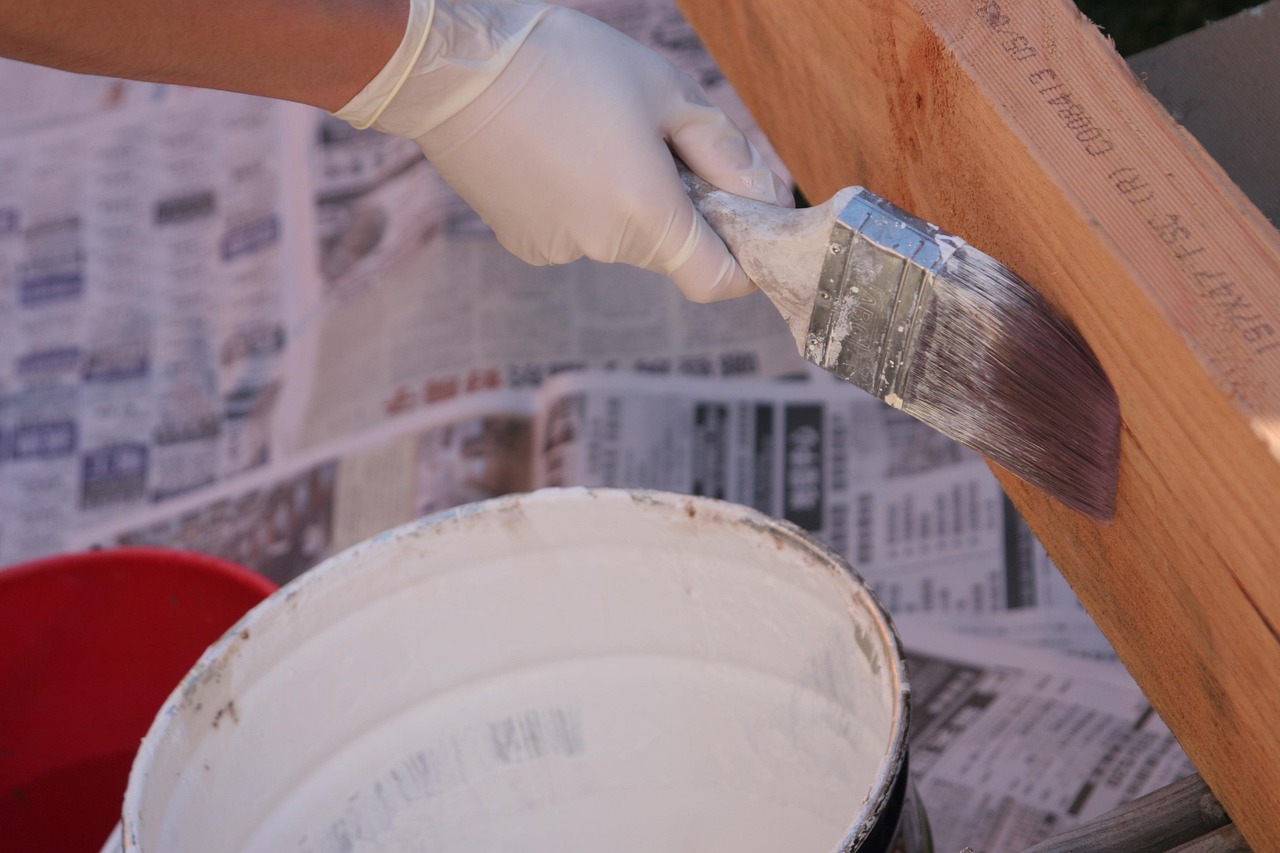
Whether you are a weekend DIY enthusiast or working with a contractor, plywood fits comfortably into both approaches. Its predictable performance and availability in standard sizes make planning and installation more straightforward.
Professionals value plywood for its consistency, while DIYers appreciate how forgiving it is to work with. Mistakes are easier to correct, and replacements are usually easy to source.
A Reliable Choice for Long-Term Results
When selected and installed properly, plywood can last for decades. Its strength, stability, and adaptability make it suitable for both temporary solutions and permanent installations.
From structural elements you never see to finished pieces that are part of your everyday living space, plywood continues to prove its value in home projects of all sizes.
Final Thoughts
Plywood’s usefulness comes down to a combination of practical benefits: strength, versatility, affordability, and ease of use. It performs well in a wide range of home projects and adapts to different styles, finishes, and environments.
For homeowners looking for a dependable material that delivers consistent results, plywood remains one of the smartest and most flexible options available.