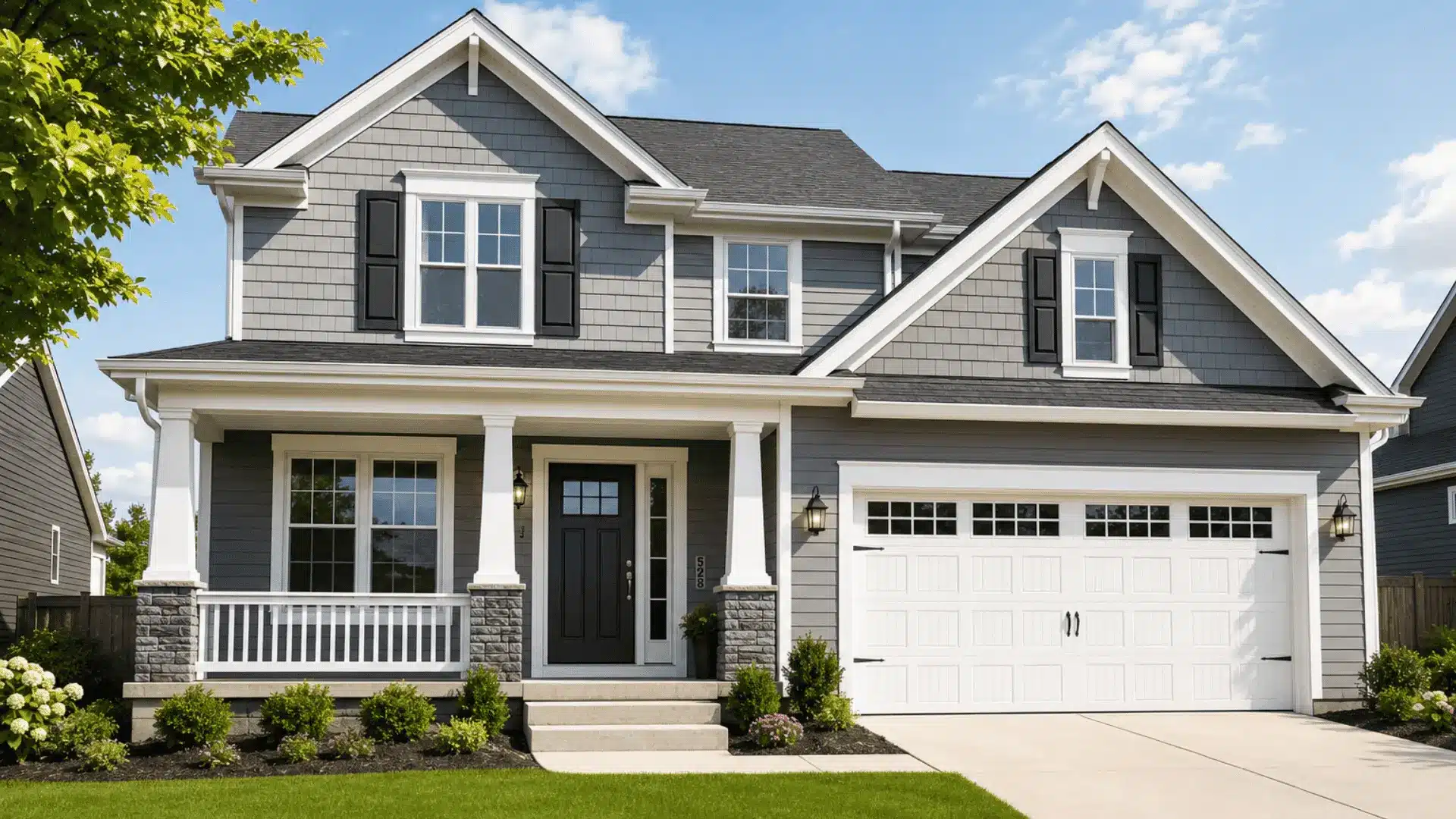
A stairwell is often the first thing you see upon entering a building. It can serve as a striking architectural focal point that sets the tone for the entire space. So if you want to give your home a fresh look, painting your stairwell is a great place to start!
Although it may seem like a relatively straightforward task, painting your stairwell requires a bit of knowledge to get right, especially when you factor in the hard-to-reach spots and fall hazards that come with a job like this. In this article, we will simplify the process and explain how to paint a stairwell step by step, from choosing the right colour scheme and ladder to perfecting a streak-free paint job!
Selecting Your Colour Scheme
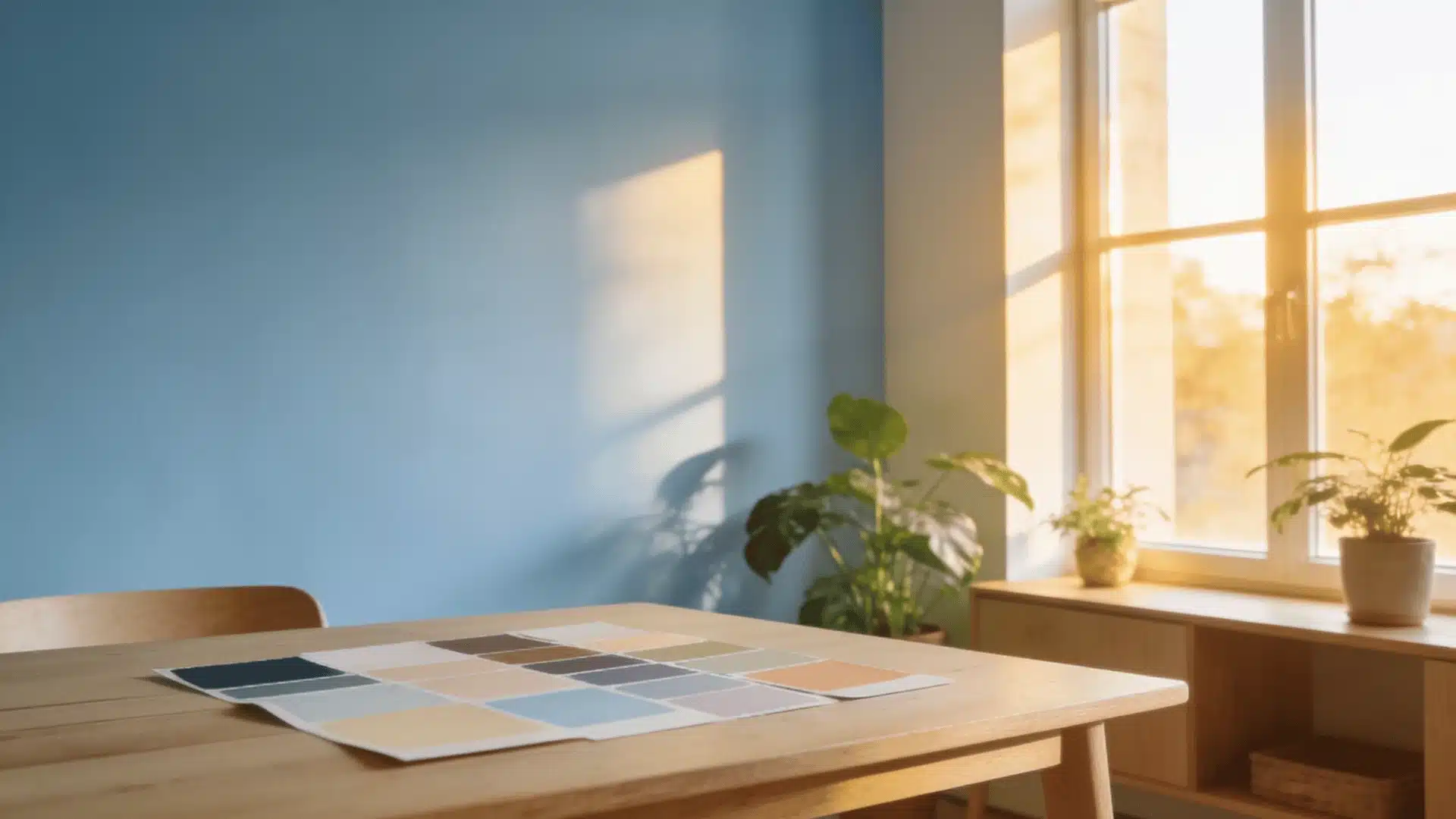
Stairwells are often small and lacking in natural light, so you will want to choose a colour that helps to open up the space.
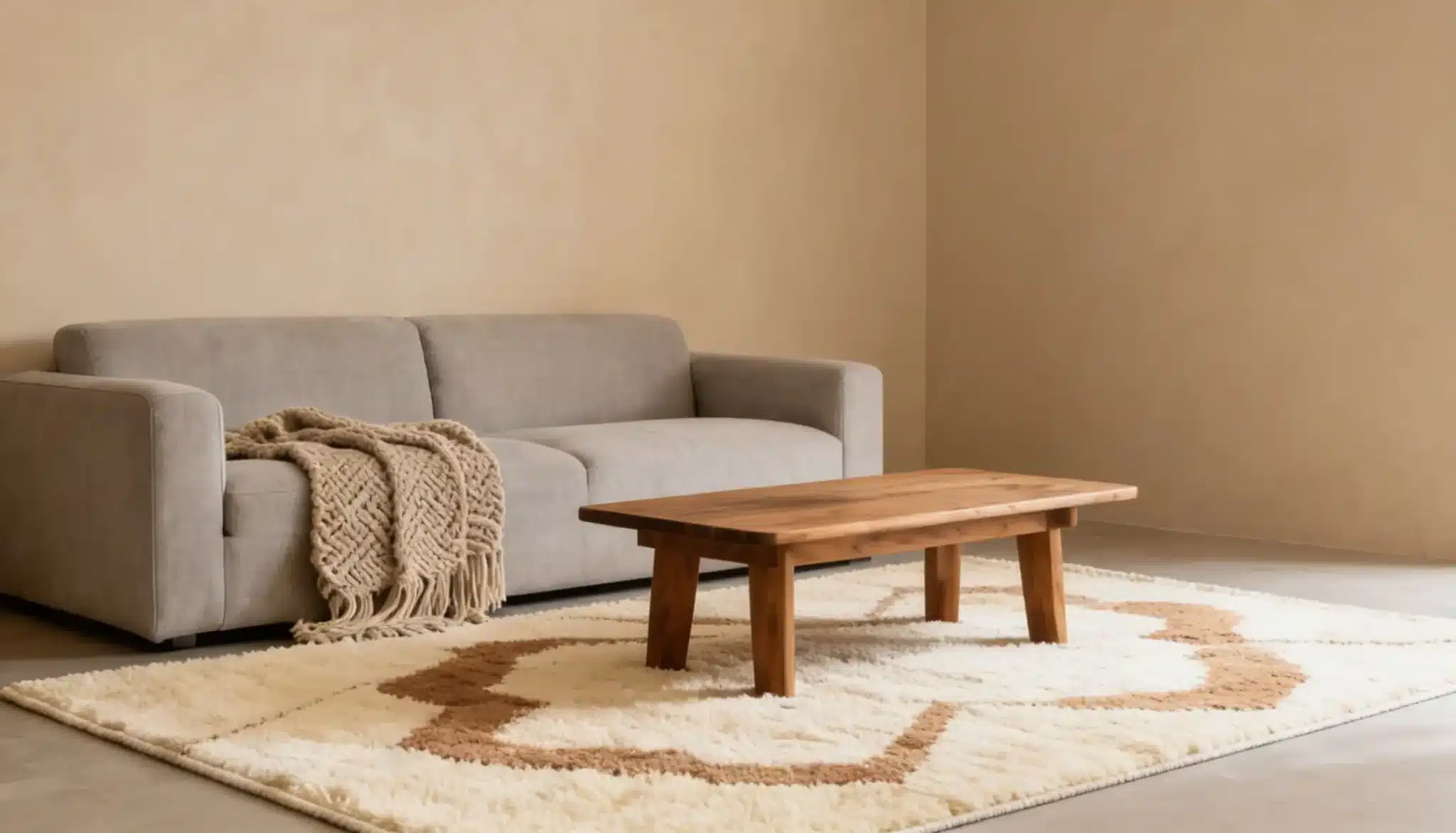
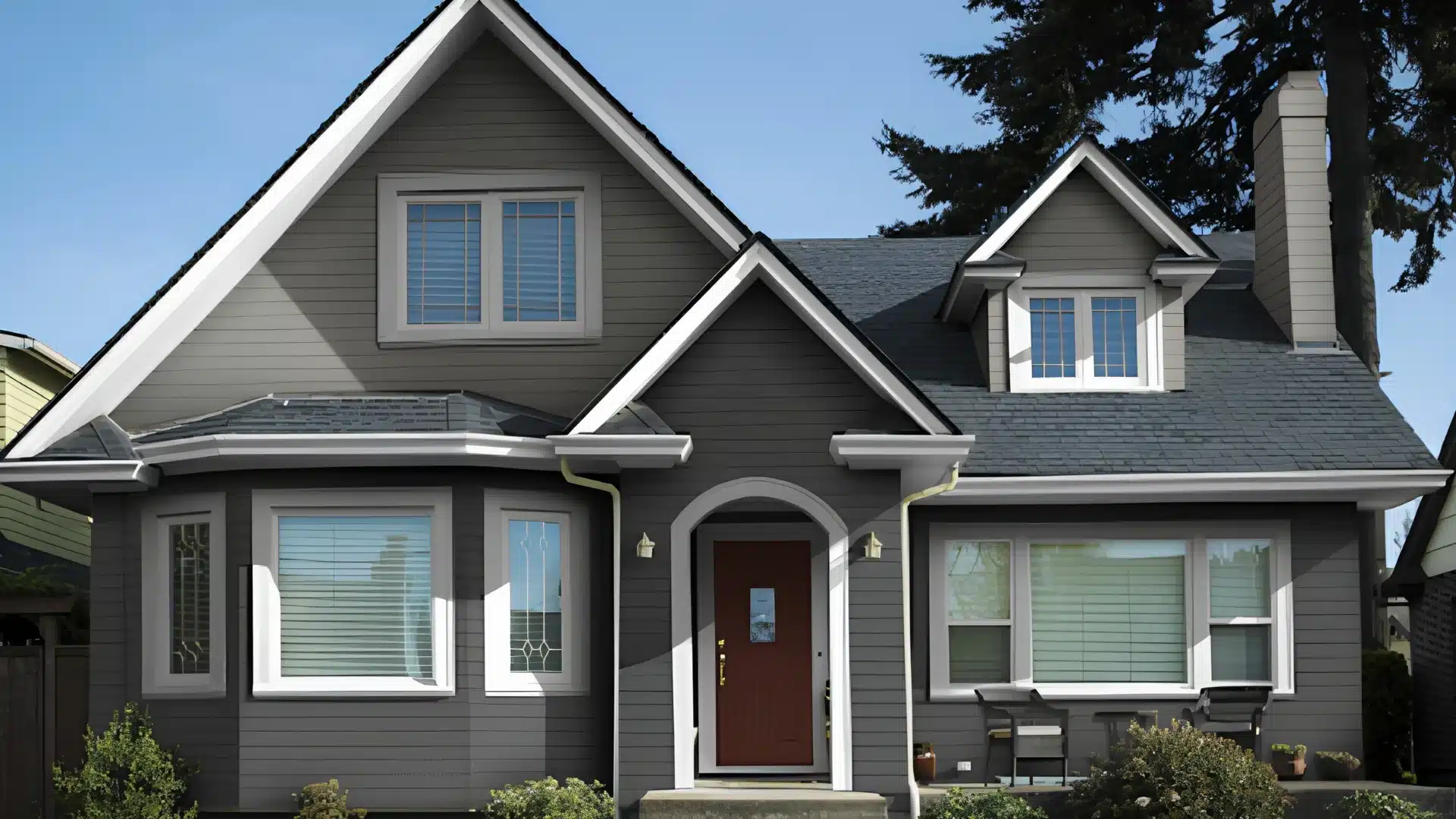
If you’re looking to create a timeless and bright stairway that emphasises the detail of the staircase itself, white never goes out of style! Alternatively, if you want a sophisticated and modern look, grey can be a good choice; and if you want to create a soft and welcoming atmosphere then muted, natural shades like beige and cream can really bring a space together.
If classic and neutral colours aren’t quite your style, don’t fret! Staircases painted with bold colours can be just as beautiful, whether you want to create a dramatic impact with rich blues and greens or a cheerful, fresh vibe with bright yellows and oranges. You can even choose to paint just the stairs in a bright colour and leave the walls neutral, or vice versa!
Choosing the Right Ladder
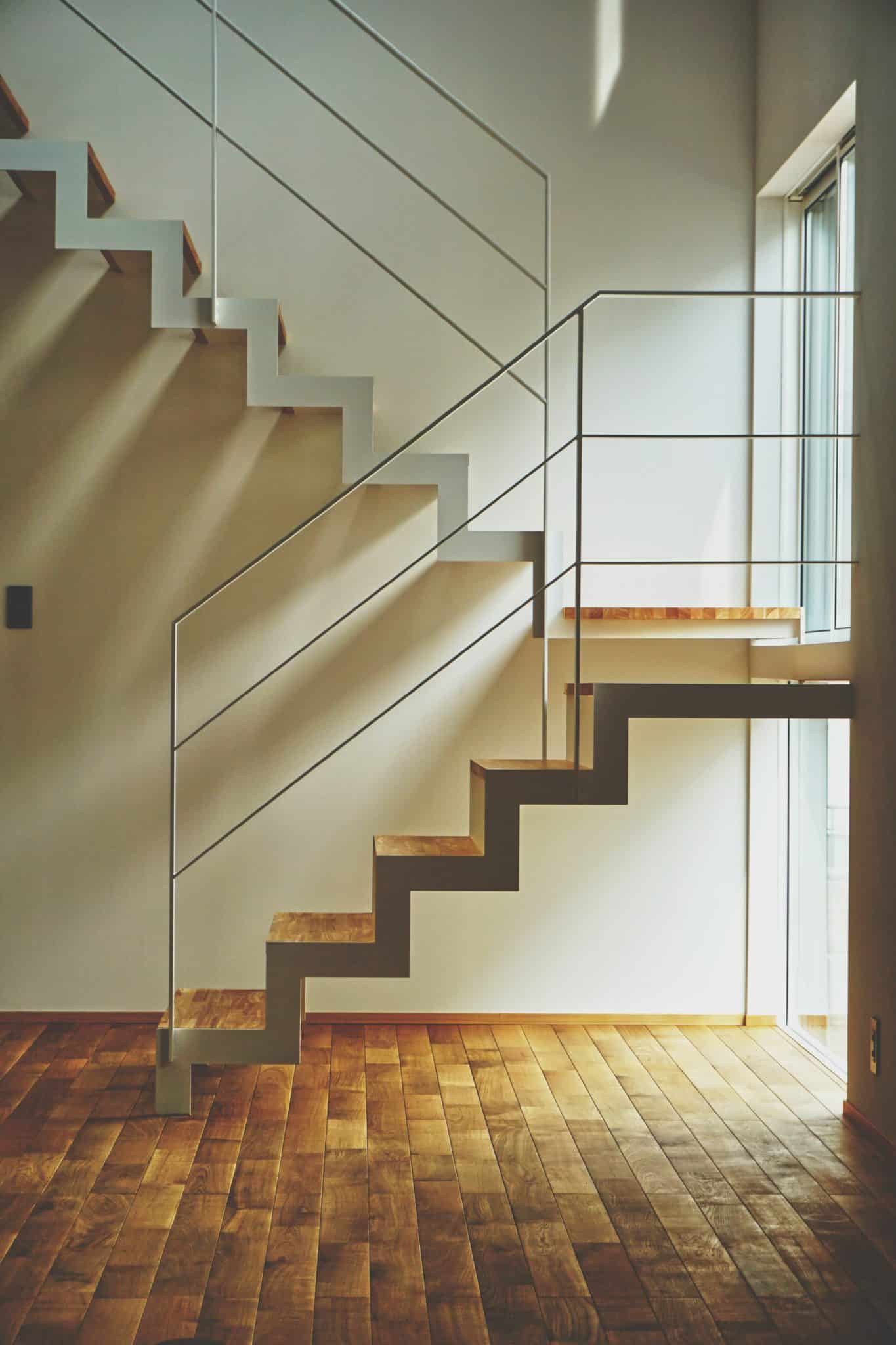
When you’re painting a room with a large, flat floor you can use a run-of-the-mill ladder to get the job done. Stairwells, however, are a different story. How can you set up a ladder when there’s no level surface available? Isn’t that unsafe?
Well, yes it is – but fortunately you can get ladders that are specifically designed for use on staircases. Stair ladders are perfect for painting stairwells because they provide stable height access, giving you a safe and simple means of reaching those awkward spots above your staircase.
Stair Ladder Safety Tips
Along with standard ladder safety rules like thoroughly inspecting the ladder before use, maintaining three points of contact (one hand and two feet or two hands and one foot) and keeping your belt buckle or navel between the vertical rails at all times, there are some additional safety guidelines that apply to stairwell ladders specifically:
- Always ensure that the ladder’s locking mechanism is fully engaged before use – you certainly don’t want your ladder to slip when it’s supporting an open paint can!
- Always recheck the locking mechanism every time you change the ladder’s setup.
- Never extend the top section of the ladder beyond any limit markers.
- Never overreach – if you can’t reach a certain area, climb down and move / adjust the ladder as needed.
Before You Can Start Painting, You Will Need…
- A stair ladder
- Dust sheets or newspaper
- Soapy water
- Sanding block and sandpaper
- Decorating tape
- Cutting-in brushes
- Paint tray
- Extendable paint roller
- Paint (of course!)
Painting Step by Step
- Start by covering everything in the surrounding area with dust sheets and newspaper to prevent damage from dripping paint. Make sure that the floor coverings are not so loose that they’re sliding all over the place as this can create a slip hazard.
- Next, check the walls for cracks and peeling paint and repair and sand these areas as necessary. If the walls are particularly dirty, you can clean them using soapy water – just make sure you wait for them to dry before you begin!
- You can then use decorating tape to tape off any areas that you want to protect from paint (like door frames, light switches and sockets).
- Start painting by using an angled brush and cutting in around the edges of the room.
- Before the cutting-in paint is fully dry, pour your paint into a tray and use your extendable roller – starting in the high areas – to draw ‘X’ shapes before filling in the rest of the square. This technique prevents streakiness and paint drips, and ensures that the walls get an even coat of paint.
- Before you dismantle the setup, it is recommended that you do a second coat of paint to achieve a bold and smooth finish. You can then remove the decorating tape…and voilà! You have a new and improved stairwell!
There you have it! By following these tips on how to choose your colour scheme, select the correct ladder and safely climb and paint, you should be able to paint your stairwell with ease, injecting a little bit of extra character and visual appeal into your home.