Choosing a roof is part design statement and part long-term protection plan. The best choice respects your architecture while meeting local weather and budget realities. Color, profile, and material all shape how your home reads from the street and how it performs in heat, wind, and rain. With a clear match between style and system, you get beauty that lasts and a quieter life under a reliable surface.
Classic And Colonial Homes
Symmetry defines these façades, so the roof should look composed and orderly. Architectural asphalt shingles with a slate-inspired cut complement gables, dormers, and centered entries without stealing attention. If you want more texture, a synthetic slate gives crisp edges with far less structural load than quarried stone.
A deep charcoal or muted gray keeps brick and white trim balanced, while copper or faux copper accents at small roofs over bays add a graceful highlight. Good attic ventilation protects paint lines around cornices and keeps ice risk low in cooler regions. If you prefer guidance and a tidy installation plan, consult local pros who offer full-spectrum roofing services so the profile, color, and details align with the era your home evokes. A short on-site review can also confirm slope, ventilation, and permitting details before you commit to specific materials.
Modern And Midcentury Homes
These designs favor clean planes, long horizons, and minimal ornament. Standing seam metal reinforces that language with crisp vertical lines that lead the eye along broad eaves. Color matters here, and a soft graphite or warm silver supports glass and concrete without visual clutter.
Low slope sections need membranes designed for pooled water, so specify a high-quality single ply or a top-tier modified bitumen with a light color to tame heat gain. Hidden gutters and tidy edge metal keep sightlines sharp while moving water decisively away from the structure. Solar arrays sit naturally on these roofs when rails and wiring routes are planned with the standing seams and parapets from the start.
Mediterranean, Coastal, And Stucco Styles
Clay and concrete tiles belong on stucco walls and arched openings because their curves echo the architecture. Barrel profiles throw soft shadows that look lovely at sunset, and S profiles give a sleeker finish that still reads traditional. In storm-exposed areas, choose tiles and fasteners rated for high wind and ask for foam or clip attachment that keeps courses steady through gusty seasons.
Light sand, wheat, and terracotta tones pair well with pale walls and keep attic temperatures in check on bright days. Salt air can be tough on metal, so specify corrosion-resistant flashings and gutters that stand up to coastal conditions. Underlayment choice is critical with tile, and a breathable system helps the deck dry after sudden rain.
Craftsman, Bungalow, And Ranch
These homes celebrate wood, stone, and hand-worked details, so the roof should add depth without heaviness. Architectural shingles with a subtle variegated blend complement tapered columns and exposed rafter tails. Wide porches benefit from metal accents at shed sections and over entries, which add sparkle and improve drip control where foot traffic is close to the edge.
Low pitches on ranch layouts ask for careful flashing at long valleys and a ventilation plan that keeps large attics at even temperature through the day. Earth-toned palettes like heathered brown or weathered gray sit well against cedar and brick, while dark solids can feel top-heavy on single-story footprints. Ask for ridge lines that align cleanly with porch and garage transitions so the whole roof reads as one calm composition.
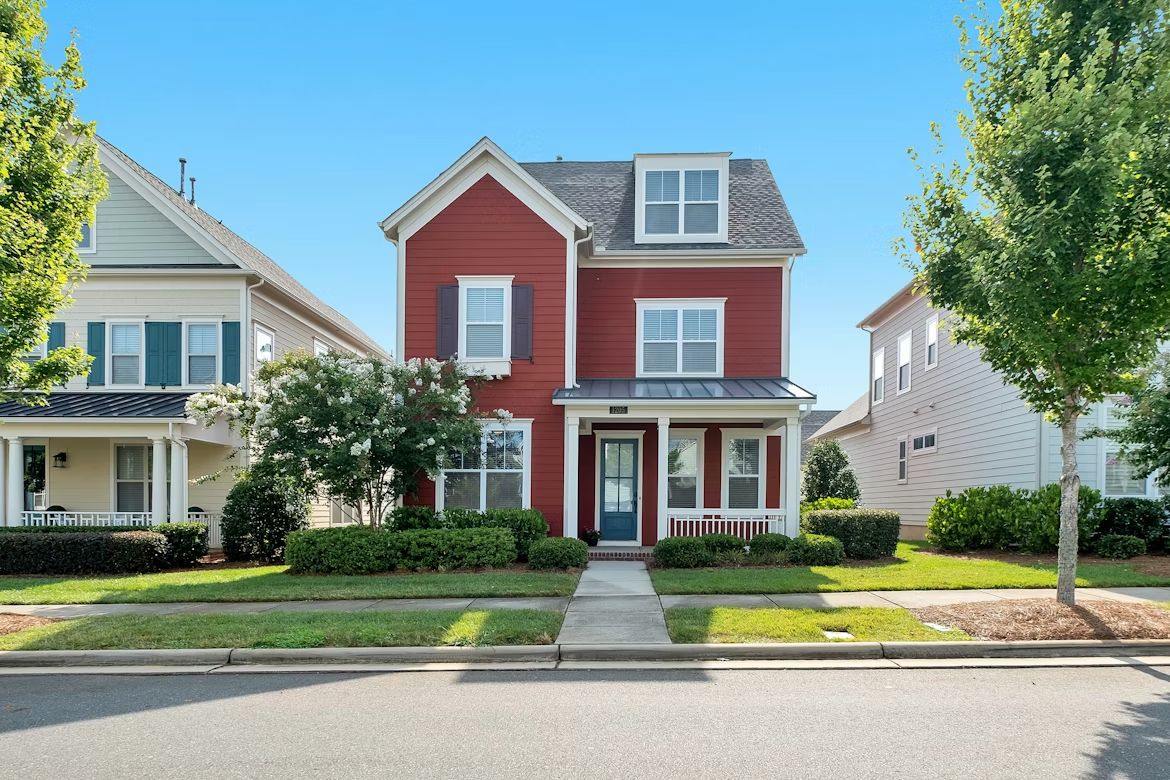
A roof that fits your style looks right on day one and stays convincing as years pass. Classic lines favor slate-inspired profiles, modern planes shine with metal and tidy edges, coastal forms stay honest with tile, and craftsman details sing when texture and color feel grounded. Within each choice, smart ventilation, flashing, and drainage turn a pretty picture into a durable system. Choose a professional roofing contractor that treats your home or business like their own. BlueBird Roofing delivers premium materials, expert installation, and stress-free service.
Work with a team that understands both architecture and performance, and your home will greet the street with confidence while sheltering everyday life with quiet reliability.