Scrolling through Pinterest at 2 AM, we’ve all seen those perfect interiors and thought: “That must cost as much as my annual salary.” But here’s the thing — you don’t need deep pockets to get a similar effect. Small details, done right and consistently, will transform your dated house into a Gen Z dream home. The real secret is knowing exactly where to put your effort and money.
Look at the homes racking up thousands of repins. There’s a pattern: no clutter, everything looks maintained inside and out, and there’s this cohesive feel throughout. You can create that for pennies if you know the right steps.
A Lawn Your Neighbors Won’t Judge
Your yard is what people see first. And you don’t need to hire a landscape designer for three grand. Just mow regularly and do it properly. Turns out, most people cut their grass way too short, which makes it yellow and sickly.
The sweet spot for grass height is around 3 inches. At that length, roots grow deeper, your lawn handles heat better, and it looks thicker. Here’s something most people miss: sharp lawn blades on your mower make clean cuts, while dull ones tear the grass and leave brown edges. Professional landscapers swap or sharpen blades every 20-25 hours of use, but even doing it twice a season makes an obvious difference.
Another trick from the pros: mow in different directions each time. This prevents ruts and keeps coverage even. If you went lengthwise last time, go crosswise or diagonal this time.
Don’t skip edging either — that crisp line between lawn and flower bed creates the professional look that catches your eye immediately. A regular shovel or a $30 edge trimmer will do the job in 20 minutes.
The Paint Color That Changes Everything
White walls seem like the safe bet, but they often make rooms feel flat and boring. Interior designers figured this out ages ago: the right shade creates depth and mood that furniture alone can’t achieve.
Benjamin Moore’s “Revere Pewter” became iconic for a reason — this warm gray works with basically any lighting and makes spaces look expensive. Sherwin-Williams “Accessible Beige” gives a similar effect but leans more beige. These shades cost the same as regular white paint, but the results are completely different.
One catch: always buy a sample and paint a large piece of cardboard you can move around the room. Look at it in the morning, afternoon, and evening under artificial light. Wall color can look totally different than it does in the store or on your computer screen.
Want something bolder? Do an accent wall. Just not the one everyone expects. Instead of the wall behind your bed, paint the one with the window — it creates an unexpected and interesting effect.
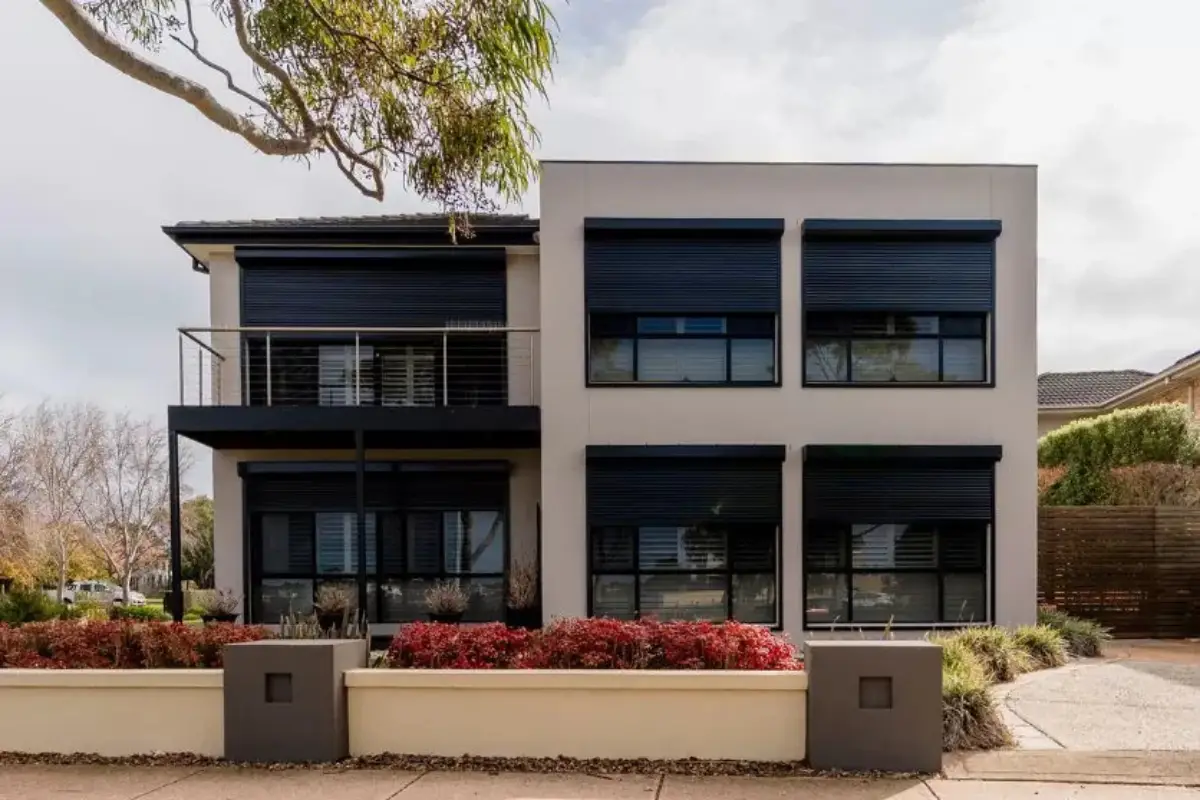
Same principle works outside. A house facade in a modern color changes how people perceive the whole property. Dark gray, deep navy, or even black are getting popular for exterior walls, especially paired with white window frames.
Paint Instead of Replace
We all have that dark wooden cabinet from grandma or doors that belong in a ’90s museum. First instinct is to toss them and buy new. But here’s the deal: quality vintage furniture is often better made than what IKEA sells now.
Annie Sloan’s chalk paint changed the game. This stuff doesn’t need surface prep — you can paint right over varnish. A can runs about $35 and covers roughly 140 square feet. One can handles a small dresser or nightstand.
Doors are their own story. Most people don’t even consider repainting them, but it’s the fastest way to update your whole house look. Take them off the hinges, lay them flat on sawhorses, and use a foam roller for a perfectly smooth finish without brush marks.
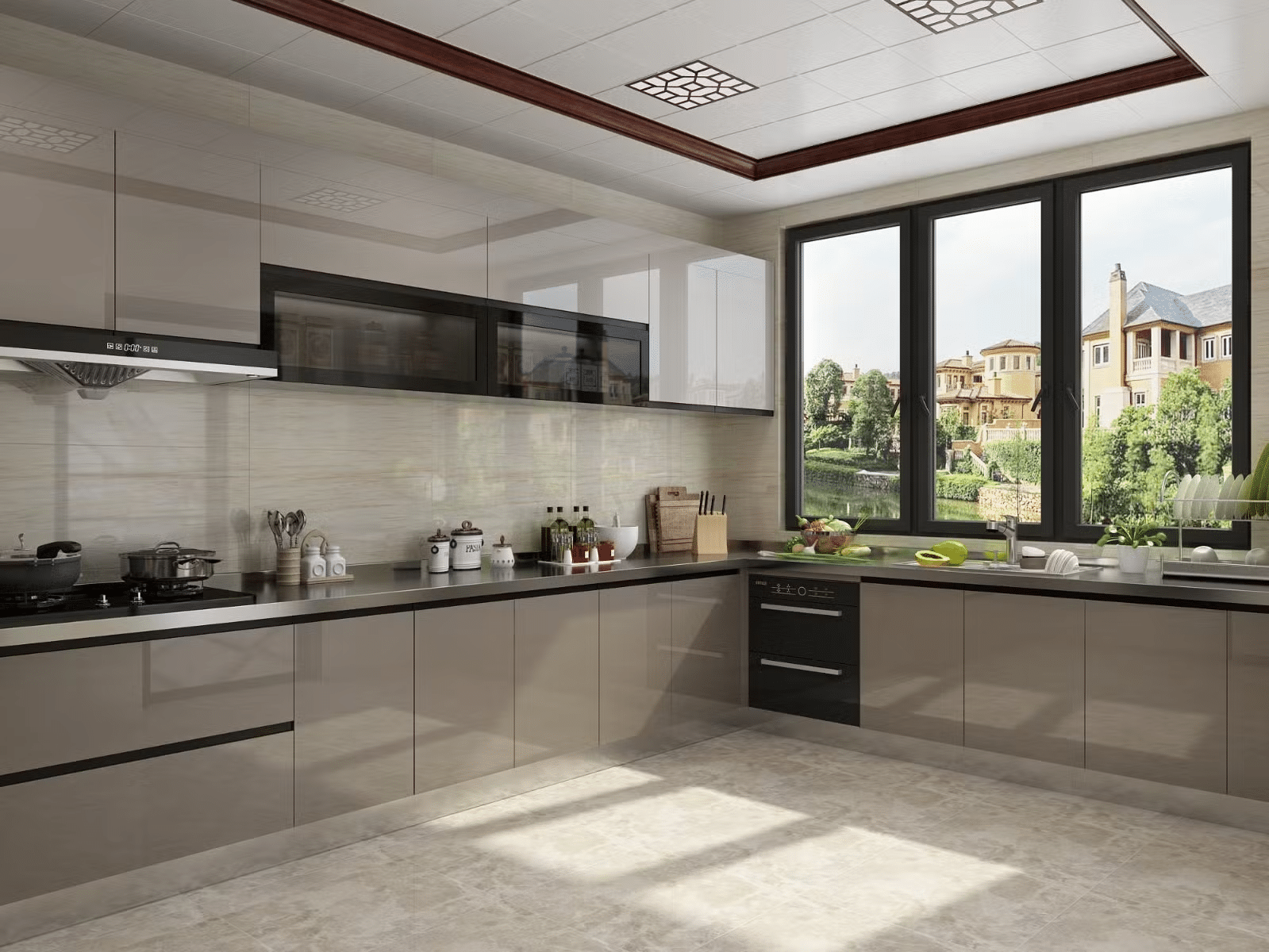
Same logic applies to kitchen cabinets. Rust-Oleum put out a line called Cabinet Transformations — it’s a complete system with everything you need to repaint a kitchen. The whole kit costs around $150-200, while replacing cabinets runs tens of thousands.
The trick is in prep work. 80% of success comes from sanding and degreasing. Use TSP (trisodium phosphate) to clean surfaces before painting. This powder sells at any hardware store for a few bucks and removes grease that would prevent paint from sticking.
Don’t forget entry doors and exterior elements. A repainted front door in a bold color — classic red, deep blue, or even yellow — creates that welcoming effect visible from the street. Add new hardware and a mailbox in the same style, and your facade comes alive.
Hardware That Costs Like Coffee But Looks Like a Million
Door handles, faucets, light fixtures — these little things form 50% of your interior’s impression. And you don’t need designer pieces at crazy prices. You just need to know where to look.
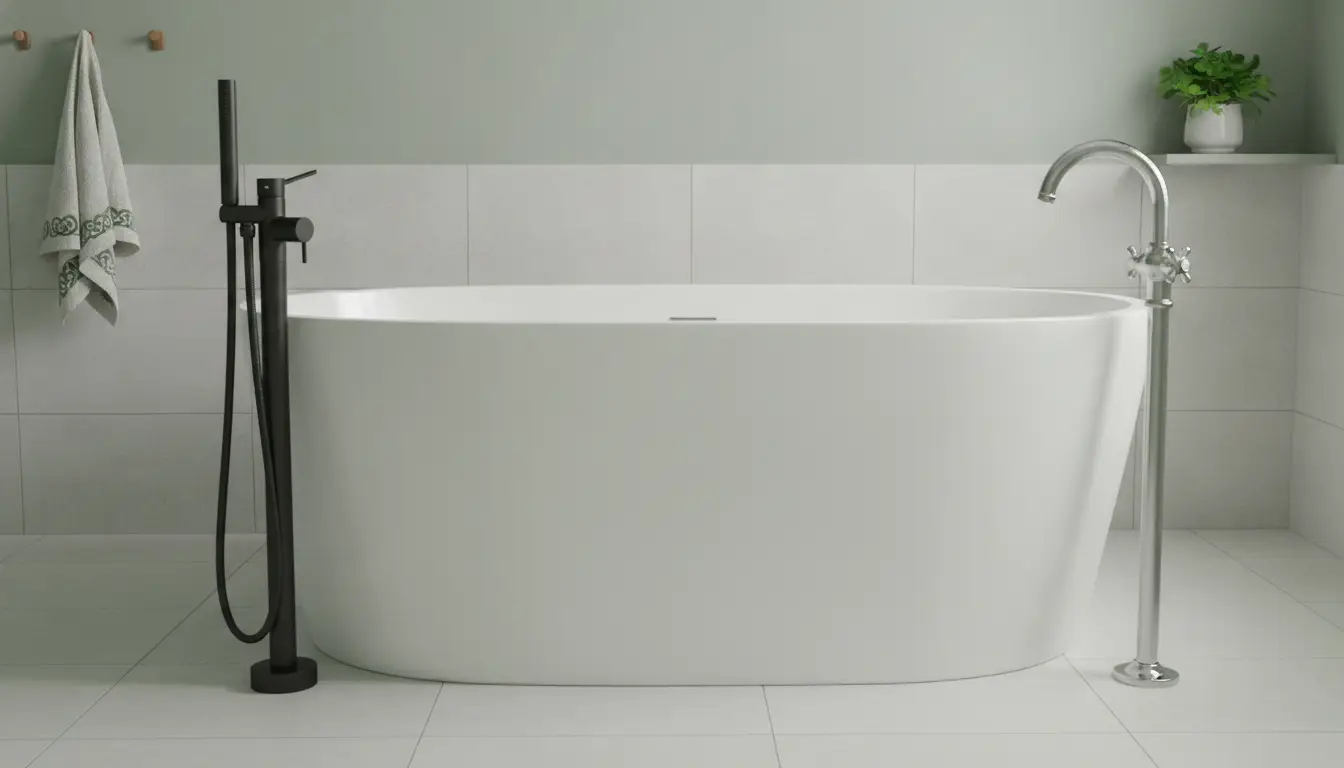
Amazon Basics makes matte black hardware that looks identical to what design stores sell for five times the price. A set of ten door handles costs around $40. For comparison, one Emtek handle can run $50-70.
If you’ve got that gold hardware from the ’80s or ’90s and you’re thinking of replacing it — hold up. Rust-Oleum makes spray paint specifically for metal. Matte black or satin nickel will transform that dated gold shine into something current in 20 minutes of work.
Light fixtures follow the same pattern. Wayfair and Overstock constantly run sales where you can find chandeliers that look like Restoration Hardware pieces for $80-100 instead of $500.
Exterior hardware matters too. House numbers, mailbox, entry lights — all of this creates first impressions. Modern matte black or copper elements instead of old gold or chrome instantly update your facade.
Outlets and Switches Everyone Forgets About
Here’s what nobody consciously notices but everyone subconsciously feels: yellowed or dated outlets and switches. They’re in every room, and if they’re cheap plastic from the ’90s, your whole interior looks neglected.
Leviton Decora is the standard used in expensive homes. A pack of five outlets costs around $15. Replacing all outlets and switches in an average house runs about $100-150, but the difference feels like hostel versus hotel.
Switch to white, even if your walls aren’t white. It looks cleaner and more modern than ivory or beige, which were popular before.
Want to go further? Install dimmers. Lutron Caseta makes “smart” dimmers controlled from your phone for about $50 each. But even regular mechanical dimmers at $15 will change a room’s atmosphere.
Smart Lighting Changes the Vibe
This is the secret professional designers know and regular people ignore. Proper lighting can make a cheap room look expensive, while wrong lighting ruins even the best interior.
Each room needs a specific light color. What works for bathrooms, white or cool light (5000-6000K), absolutely doesn’t work for bedrooms, where you want warm light (2700-3000K). Living rooms need a combination — general lighting plus task lighting for reading or accents.
Meik Wiking in his book “The Little Book of Hygge: Danish Secrets to Happy Living” dedicates a whole chapter to lighting. The Danes, considered the happiest nation, are fanatical about proper light.
Basic rule: never rely on just one overhead fixture. That creates flat, uninteresting lighting. Add 2-3 additional light sources at different heights: a table lamp, floor lamp by the chair, maybe LED strips behind the TV or under kitchen cabinets.
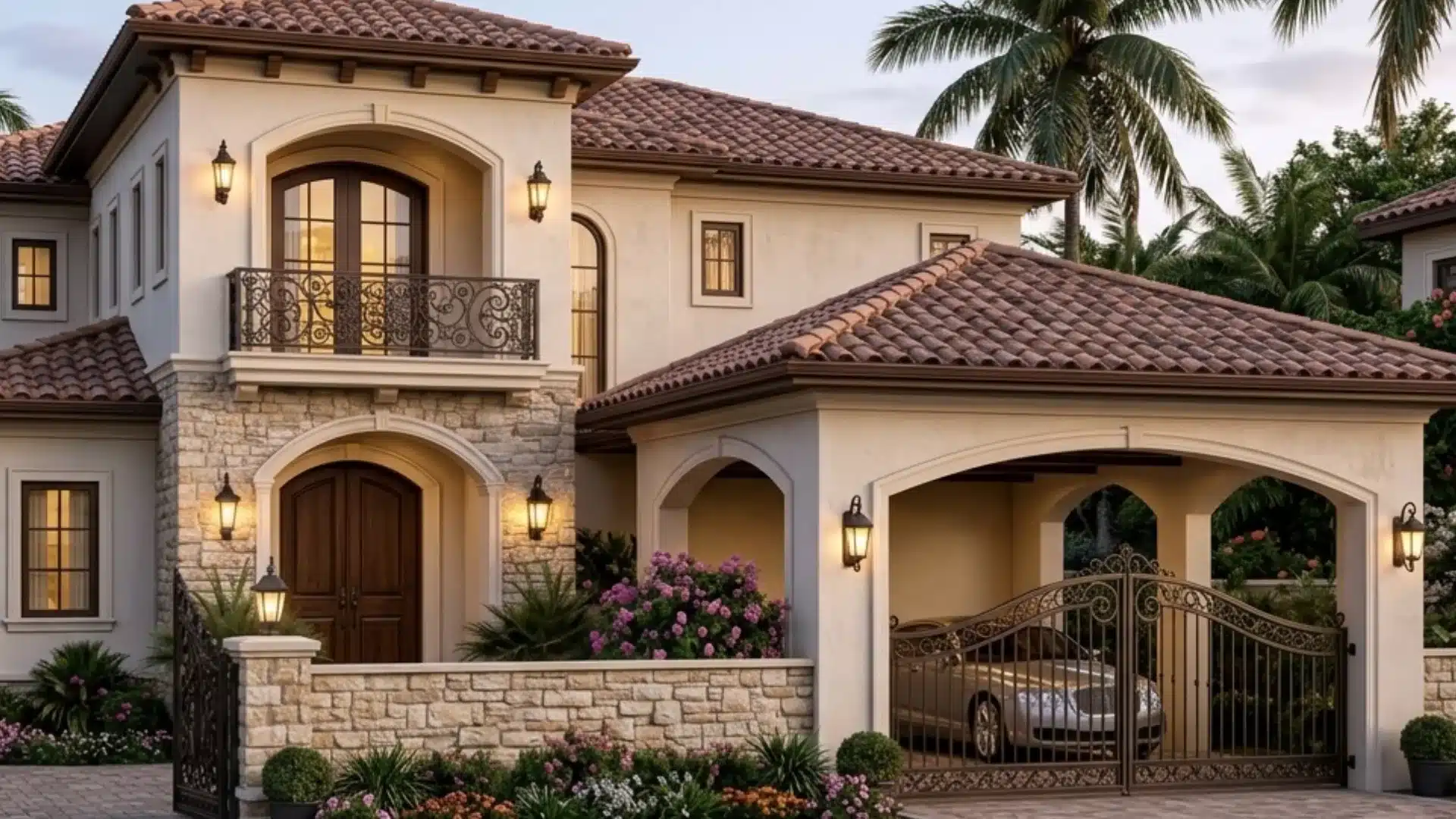
Outdoor lighting often gets ignored completely, even though it creates that welcoming look at night. Lights along the walkway to your house, uplighting for plants or architectural features, modern wall sconces by the entry — all of this doesn’t cost much but transforms a house into a magazine photo.
Ring, known for their doorbell cameras, also makes outdoor lights with motion sensors. They’re not just practical but look modern too. For $30-40 each you can create a professional facade lighting system.
Wall Art Without Going Broke
Empty walls are the biggest interior mistake. But you don’t need to buy original paintings. Most of what you see in beautiful homes are prints, posters, or even DIY stuff.
Society6 and Minted sell prints from known artists and designers for $20-50. Grab a basic frame from IKEA for $10, and you’ve got something that looks like $500.
Or make your own abstract “art.” Buy a large canvas at Michael’s (when they have 50% off sales), three cans of acrylic paint, and just smear them in big strokes. That minimalist abstract stuff selling for thousands often looks exactly like this.
Placement matters too. Picture centers should be at eye level, roughly 57-60 inches from the floor. And don’t fear large sizes — small pictures get lost on walls.
Exterior decor follows the same principles. Large house numbers in a modern font, a stylish family name plaque, even properly chosen planters by the entrance — these details create that sense of intentionality.
The Pinterest Formula
When all these elements work together, you get that effect people hunt for on Pinterest. A maintained lawn with clean lines sets the quality standard before anyone enters your house. Outdoor lighting and an updated front door create a welcoming atmosphere. The right wall shades inside make spaces feel deeper and more interesting instead of flat.
Repainted furniture instead of cheap new stuff adds character and quality. Quality hardware throughout the house (door handles, faucets, outlets) creates that sense of attention to detail. Thoughtful lighting at different levels in each room adds the atmosphere you can’t achieve with just furniture. And wall decor removes that empty feeling, making spaces complete.
The secret is knowing exactly which details create that high-end look, and investing time and small money into those specific things. A mower with sharp blades, a can of the right paint, a set of modern hardware, a few extra light sources — each of these costs less than a hundred bucks, but together they create an effect worth thousands.
How to Do a Pinterest-Level Makeover on a Budget
This whole Pinterest-perfect look isn’t about having a huge budget. It’s about understanding which details create the impression of quality and care. Most people spend money on the wrong things — they buy expensive furniture but forget about hardware. They invest in a new couch but ignore lighting or lawn condition.
Now prioritize by the “maximum effect for minimum money” principle. Replacing all outlets in your house will give bigger visual impact than a new $50 decorative pillow. Repainting old cabinets will transform your kitchen better than new accessories.
Set aside $100-200 monthly for these improvements. In six months you’ll work through the whole list and have a house that looks like a designer touched it. When really — it’s just attention to the right details and willingness to do things yourself instead of buying expensive ready-made solutions.