Energy costs have become a growing pressure point for renters, especially for those searching for apartments for rent and trying to budget realistically before signing a lease. With average U.S. residential electricity prices up roughly 25–30% since 2022, many renters now see monthly utility bills landing between $180 and $260 – on top of rent. If it feels like energy costs are quietly draining your budget, you’re far from alone.
The encouraging reality is that you don’t need to own your home to take control of those expenses. While major upgrades are usually off-limits, renters still have significant influence over drafts, thermostat habits, lighting, hot water use, and everyday power consumption.
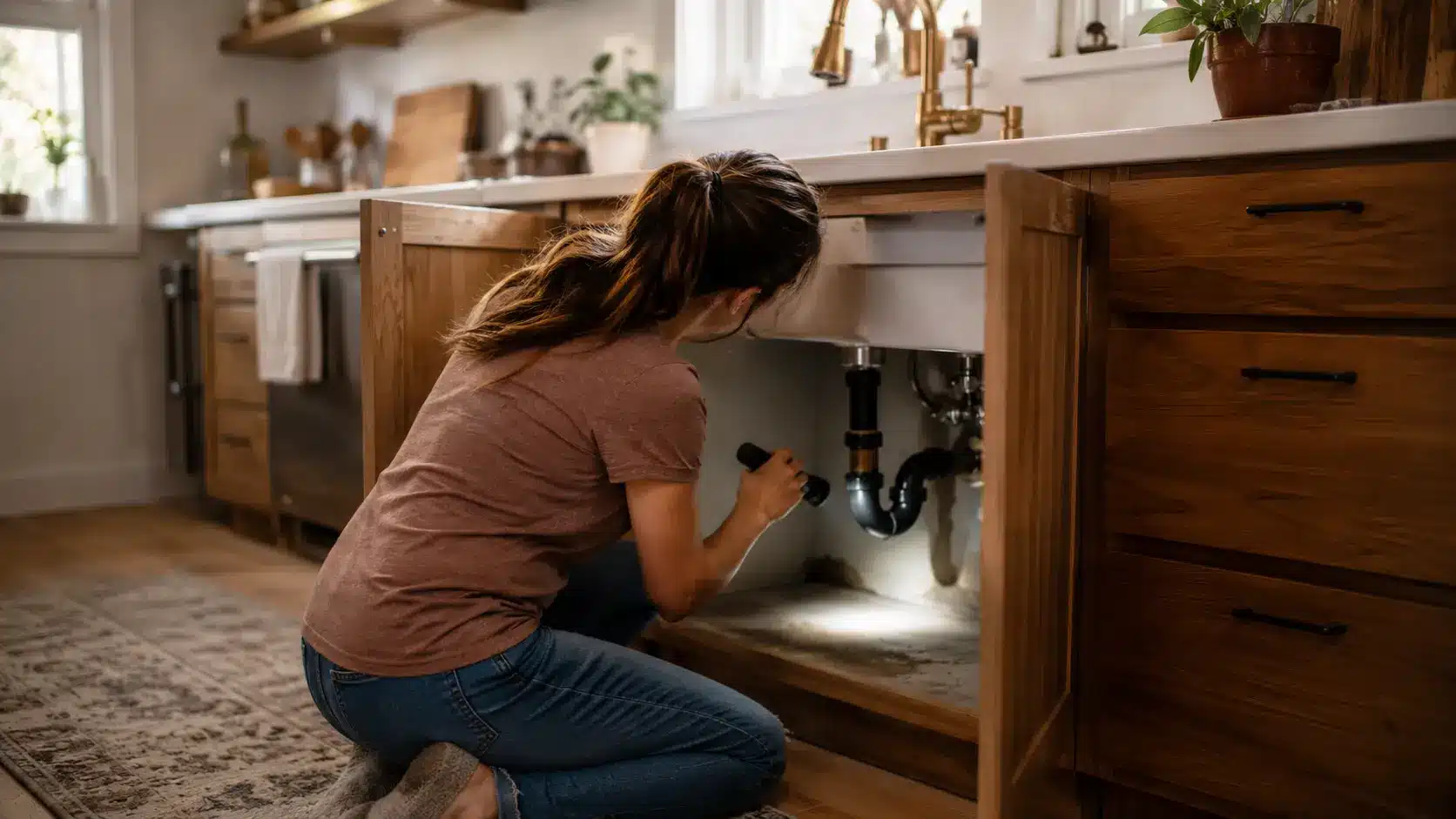
A careful property inspection, both when touring apartments and while living in your rental, can reveal small inefficiencies that add up to big savings over time. The strategies in this guide are designed to be reversible, affordable, and landlord-friendly – helping renters lower energy bills, protect their deposit, and keep more money in their pocket throughout the lease.
Find and Fix Drafts First
Air leaks around 1970s–2000s era windows and doors can waste the equivalent of leaving a small window open year-round. That’s conditioned air – air you paid to heat or cool – escaping directly outside. Before you touch your thermostat or swap any bulbs, hunting down and blocking drafts delivers some of the fastest returns.
The One-Evening Draft Hunt
You can identify problem areas in about an hour using two simple methods:
One simple way to detect air leaks in a rental is the damp hand test. Lightly wet your hand and slowly move it along window frames, door jambs, and baseboards. If there’s a draft, the moving air will feel noticeably cooler against your skin. This method works best on windy days or when the outdoor temperature is at least 10°F colder than inside, making airflow easier to detect.
Another effective option is the incense stick test. Light an incense stick and hold it near areas where you suspect air may be leaking, such as around windows or doors. Watch the smoke carefully – if it drifts or blows sideways instead of rising straight up, you’ve identified a draft. For the most accurate results, perform this test when the indoor air is calm and all exterior doors are fully closed.
Focus your hunt on exterior walls, especially around:
- Window frames and sashes
- Door jambs and thresholds
- Baseboards where walls meet floors
- Electrical outlets on exterior walls
Renter-Safe Sealing Options
Once you’ve identified the culprits, here’s what actually works without triggering landlord concerns:
- Removable weatherstripping tape for door frames ($5–$10 per door)
- Foam tape for window sashes ($3–$8 per window)
- Draft stoppers or “draft snakes” under doors ($10–$15 each, or make your own)
- Removable “seal and peel” rope caulk around window trim and sliding glass doors for heating season – it peels off cleanly before move-out
Prioritize the main entry door, large living room windows, and any sliding balcony door first. These are typically the biggest sources of heat loss in winter and heat gain in summer.
Upgrade Windows and Floors Without Renovating
Single-pane or older double-pane windows from pre-2000 buildings are often the biggest comfort and energy problem for renters. You can feel the cold radiating off them in winter and the heat pushing through in summer. Fortunately, you can dramatically reduce heat loss without touching the actual window.
Window Film Kits
Clear plastic shrink film window kits attach with double-sided tape and a hair dryer. They create an insulating air pocket that blocks drafts and reduces condensation.
The film is nearly invisible once installed and completely removable. When lease renewal time comes, peel it off, and your landlord will never know it was there.
Thermal Window Treatments
Thick thermal curtains, layered drapes, or insulated cellular shades on tension rods can keep heat in during winter and block sunlight in summer – all without drilling a single hole. Look for curtains with thermal backing or blackout properties for maximum effect.
Seasonal window strategy:
Seasonal curtain management can make a noticeable difference in comfort and energy efficiency, especially in rentals with strong sun exposure. In winter, south-facing windows should be left open during sunny days to take advantage of free solar heat, then closed at sunset to help retain warmth as temperatures drop. On overcast winter days, keeping curtains closed helps reduce heat loss through the glass.
During summer, the strategy shifts toward blocking excess heat. Curtains on south-facing and other sun-facing windows should remain closed during the hottest part of the day – typically between 11 a.m. and 4 p.m. – to limit direct sunlight. This simple step can significantly reduce indoor temperatures and ease the workload on air conditioning systems, helping maintain a cooler living space without increasing energy use.
Don’t Forget the Floors
If your rental home has bare floors over an unheated basement or above a garage, that space is bleeding warmth. Area rugs or carpet tiles provide insulation and reduce floor chill. Even an inexpensive 5×7 rug from a big-box store can make a noticeable difference in both comfort and heating bills.
Make Your Thermostat Work Harder for You
Heating and cooling usually consume 40–50% of a typical renter’s total energy use. This means small thermostat changes matter more than almost anything else you can do. A few degrees here and there add up to real money.
Target Temperature Settings
The Department of Energy recommends these settings for optimal energy savings without sacrificing comfort:
Adjusting thermostat settings based on your daily routine and the season can improve comfort while keeping energy use under control. During winter, a temperature of around 68°F (20°C) is ideal when you’re home and awake, providing warmth without unnecessary energy waste. At night, lowering the thermostat to between 60 and 64°F supports comfortable sleep and reduces heating costs. If you’re away for the day, keeping the temperature in the same 60–64°F range helps conserve energy while preventing the home from getting too cold.
In summer, slightly higher temperature settings are more efficient and still comfortable. When you’re home and awake, setting the thermostat between 76 and 78°F (24–26°C) balances cooling and energy savings. While sleeping, a setting of 78–80°F is typically sufficient, especially with fans in use. When you’re away for extended periods, increasing the temperature to 80–82°F helps reduce cooling costs without overworking the system.
Each 1-degree reduction in winter heating saves approximately 3% on energy costs. Drop your temperature 7–10 degrees for 8 hours daily (while sleeping or at work), and you could see up to 10% annual savings on heating.
Manual Thermostat Strategy
If your rental property has a basic manual thermostat, you’ll need to build habits around adjusting it:
- Lower the temperature 30 minutes before bed
- Drop it again before leaving for work
- Reduce significantly before long weekends away