

Colors play a huge part in the aesthetics of a room. When it comes to bathrooms in particular, the colors of the vanity and how they gel with the rest of the interior are a critical aspect of the design.
The vanity often acts as a focal point, and its color can either blend seamlessly with the bathroom design or create a bold visual contrast. So, it’s crucial to choose it wisely. In this article, we are going to learn how to choose the right color for your bathroom vanity so that it elevates the aesthetics.
Understanding Color Wheels and How They Can Help Make Vanity Color Choices
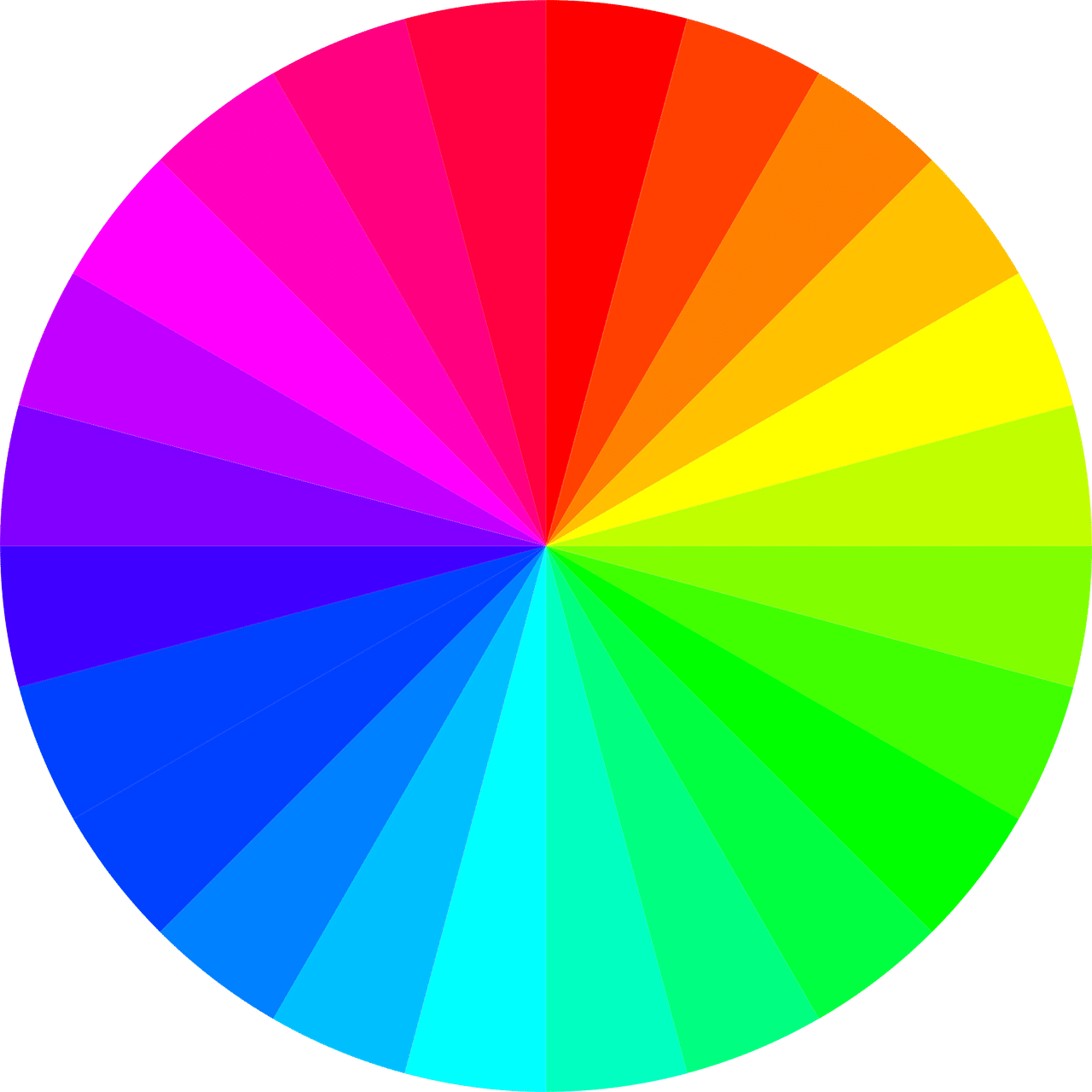
The color wheel is a diagram that has various colors arranged in a way that all colors of similar shades are together. The color wheel is an integral part of color theory that designers use to create color combinations that look good.
Using the color wheel can make it easier to select vanity colors that feel balanced and intentional rather than random. Let’s see how you can use it.
Monochromatic Scheme
A monochromatic color scheme uses different shades, tints, and tones of a single color. So, think yellow, light yellow, dark yellow, stuff like that. More often than not, there is no difference; the same color is used for everything.
For bathroom vanities, this approach creates a clean, cohesive look. To understand how it would look, imagine this: a deep navy vanity paired with lighter blue walls and soft gray-blue accents. This look adds depth, yet it is easy on the eyes.
Analogous Scheme
In analogous color schemes, colors that sit next to each other on the color wheel, such as blue, blue-green, and green, are used.
This type of combination feels natural and harmonious. The colors don’t jockey for attention, and are easy on the eyes.
That’s why this scheme is a popular choice for bathrooms. To get a better idea of what this scheme would look like, imagine this: a soft green vanity paired with teal accents and neutral finishes eclipsing a green or cyan wall.
Of course, you can try this with any color family. The main thing to remember is that the whole bathroom must use the color scheme for things to remain cohesive.
Complementary Scheme
Complementary colors are located opposite each other on the color wheel, such as blue and orange or green and red. This approach is best for creating strong contrasts.
However, with contrasts, things can look visually heavy, so you must choose the colors carefully. In a bathroom setting, this scheme works best when one color is dominant, and the other is used as an accent, such as a deep blue vanity paired with warm brass or copper-toned details.
Triadic and Tetradic Schemes
Triadic schemes use three colors evenly spaced around the color wheel, offering a vibrant yet balanced look when applied thoughtfully. Tetradic schemes involve four colors arranged in two complementary pairs, providing even more flexibility and complexity.
As with complementary colors, triadic and tetradic colors must have one dominant color, and the rest should be accents. Otherwise, you will see that all the colors clash in a noisy way, and that looks terrible.
For a bathroom vanity, you can apply these schemes like this: choose one main color for the vanity and incorporate the others through towels, wall color, or décor. This prevents the colors from becoming overwhelming.
Hue and Color Psychology in Bathroom Design
While the color wheel and schemes are a great way to select colors for your bathroom vanity, you must also understand color psychology to make the best choices.
The color hue has a profound impact on our mood and perception. So, if you understand how specific hues affect your mood, you can use specific shades and schemes for your bathroom vanity so that it evokes good feelings.
Here’s a small breakdown of how various hues affect us.
- Blues are associated with calmness and cleanliness. They also provide a sense of coolness. They are ideal for bathrooms focused on relaxation.
- Greens are similar to blues. However, they are on the warmer side, so they provide a soft, soothing feel to a space.
- Whites and neutrals are simple and bright. They evoke a sense of spaciousness, thereby helping smaller bathrooms feel more open.
- Darker hues, such as charcoal or deep brown, can add sophistication, depth, and warmth when balanced with proper lighting.
- Warmer tones, like beige or soft taupe, provide a comforting and welcoming feel without being abrasive or overwhelming.
So, consider which type of atmosphere you like, then choose a suitable color scheme accordingly. This will help you choose the right color for your bathroom vanity.
How Finishes Affect the Appearance of Color
The finish of your bathroom vanity can significantly change how a color appears in the space. Even the same color can look dramatically different depending on the surface treatment. Here’s a small breakdown of different finishes and their effect on color.
- Glossy finishes reflect more light. They make colors appear brighter and more vibrant. So, they work well in smaller or dimly lit bathrooms. Choose this finish if you want a lighter color for your bathroom vanity.
- Matte finishes absorb light. Thus giving colors a softer and more muted appearance. This finish often feels modern and understated. It works well with dark colors like gray, black, charcoal, etc.
- Satin or semi-gloss finishes are a great middle choice. They strike a balance between the previous two types of finishes. As such, they provide a subtle sheen without excessive reflection. Use this if your bathroom colors support it.
- Textured or wood-grain finishes are useful for adding depth and warmth to colors that can appear flat. This is especially true for neutral or darker colors. Use this finish to add some personality to your bathroom vanity.
How Lighting Influences Vanity Color
Lighting is an important aspect of color perception. No matter what the color of your bathroom vanity is, it won’t have the desired impact without the proper lighting.
Natural light tends to reveal the truest version of a color, while artificial lighting can shift tones to the warmer or cooler side. You want lighting that complements the vanity colors instead of fighting them.
For example, white colors can appear creamy and soft under warm lighting. Warm hues also look better under this lighting. Cool lighting, on the other hand, benefits blue and gray colors by making them pop.
When choosing a bathroom vanity color, you need to understand how it will look under your bathroom’s primary light sources throughout the day. If possible, you should take a color sample first to test it before investing in a vanity.
Consider Bathroom Size and Spatial Impact
The size and layout of the bathroom also influence vanity color choices.
Smaller bathrooms are ideal for light colors, as they make the space feel larger. For example, white walls and a white vanity will look good because of the lack of visual breaks.
Larger bathrooms, on the other hand, can use muted, dark colors with matte finishes and not feel cramped. Dark colors also provide a sense of luxury. So black, a black or charcoal bathroom vanity can look amazing in such spaces.
So, consider that before you select a vanity color.
Test Colors Before Making a Final Decision
One of the smartest things you can do before finalizing a vanity color is to test various colors. You can use sample color swatches and test them in your bathroom at different times of the day under various types of lighting. As a result, you can make the best choice from experience.
Final Thoughts
So, there you have it, tips on how to select the right bathroom vanity color for your bathroom. To make the best choices, you need to understand color psychology, the concept of the color wheel, and color schemes, and your bathroom’s lighting and space.
These will help you decide which color you should choose for your vanity, but don’t forget to test the chosen colors to see how they mesh with your lighting.
And that’s how you can choose the correct colors.