Old homes have something new construction can’t replicate: authentic character built with materials and craftsmanship that simply don’t exist anymore. But that character comes with drafty windows, outdated systems, and layouts designed for a different era.
You don’t have to choose between preserving history and living comfortably. Decades of preservation research and real-world renovation projects have identified what actually works.
The Data Behind Smart Renovation Decisions
Here’s something most renovation advice won’t tell you: there’s actual research on this.
The National Trust for Historic Preservation’s 2011 Preservation Green Lab study analyzed thousands of renovation projects and found that homes maintaining their original architectural features: trim, floors, built-ins, staircases, sell for 20-26% more than comparable properties where these elements were removed. That’s not a small difference. Buyers are willing to pay substantial premiums for true character they can’t get anywhere else.
Dr. Donovan Rypkema, one of the leading economists studying historic preservation, analyzed 1,500 renovation projects in 2014 and found the sweet spot: successful renovations keep 55-65% of original architectural features while upgrading 100% of building systems.
The key is understanding the difference between what carries your home’s personality and what’s just old infrastructure. Those original hardwood floors with a century of patina? That’s irreplaceable character. The 1972 furnace costing you $400 a month to heat the house? That’s obsolete equipment you should replace without guilt.
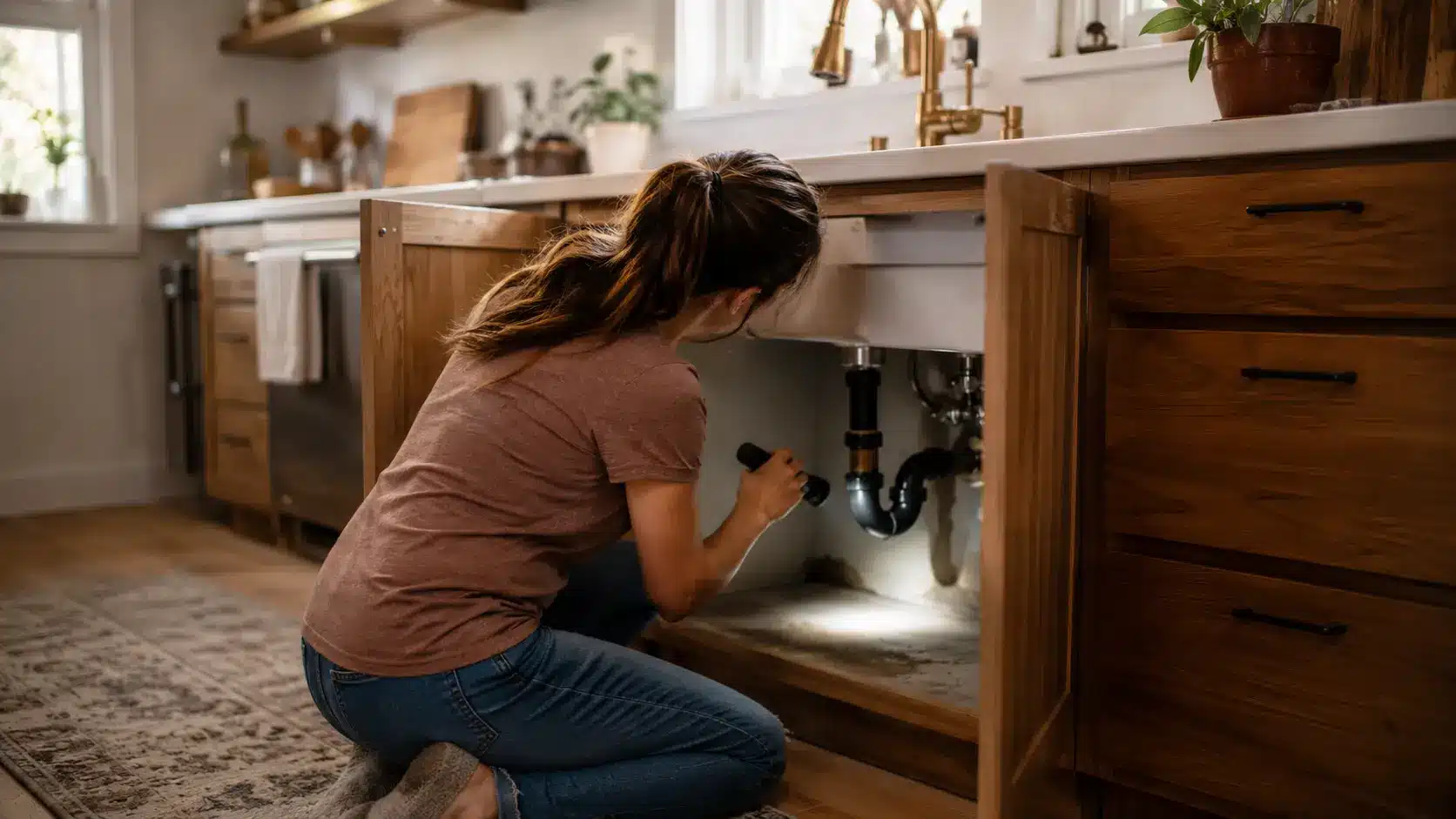
Focus preservation efforts on visible architectural elements. Modernize the invisible infrastructure; HVAC, insulation, plumbing, electrical, things that makethe house livable.
Why Subway Tile Works (When Done Right)
Subway tile is a historically appropriate choice for homes built between 1900 and 1950.
First mass-produced in 1904 by the American Encaustic Tiling Company for New York City’s subway system, these 3×6 inch tiles became standard in American homes by 1920. According to the Historic American Buildings Survey, approximately 73% of homes from this era originally had subway tile in kitchens or bathrooms.
But their installation method matters more than most people realize.
Period-correct subway tile uses 1/8 to 3/16 inch grout lines, not the ultra-thin 1/16 inch joints you see in modern installations. The National Park Service’s Preservation Brief 40 specifically addresses this: wider grout lines accommodate the slight variations in handmade tile and create the visual texture that belongs in older homes. Modern thin-set installations with minimal grout lines look aggressively contemporary and out of place.
Color is equally important. Pre-1950 white tiles measured 82-88 on the Light Reflectance Value (LRV) scale. They’re warm off-whites, not the bright white (92-95 LRV) used today. Dr. Frank Matero, who directs the University of Pennsylvania’s Graduate Program in Historic Preservation, notes that using overly bright materials creates visual disruption that undermines authenticity, even when the form is correct.
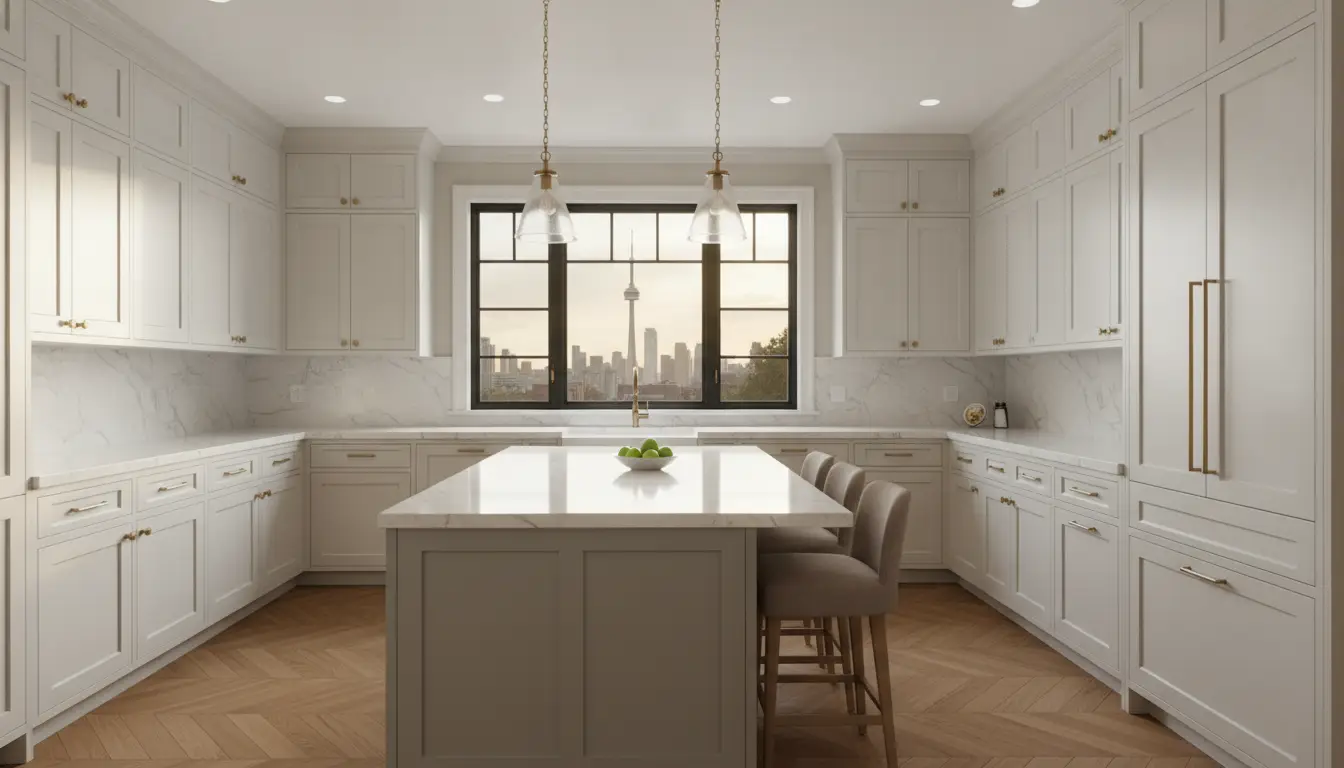
Use slightly beveled tiles with white or light gray grout, but never charcoal, which reads distinctly modern. For pre-1930 kitchens, extend tile to counter height rather than using a short backsplash. Full-height tile was period-standard and makes small kitchens feel larger while protecting walls.
Done right, subway tile looks like it’s always been there. Done wrong, it announces renovated last month.
The Window Decision That Changes Everything
According to Doug Conner from Universal Windows Direct of New Jersery, windows define how your home looks from the street and feels from inside. This is the one decision you really can’t afford to get wrong.
Original windows in pre-1960 homes used old-growth timber, dense, rot-resistant wood from 200-400 year old trees with 8-12 growth rings per inch. These forests no longer exist in commercial supply. Modern lumber averages just 3-5 growth rings per inch and doesn’t have the same durability.
The Preservation Green Lab’s 2011 technical study found that properly maintained old-growth wood windows last 100+ years, while vinyl replacement windows average 17-22 years before seal failure requires replacement. The lifecycle economics strongly favor restoration:
- Wood window restoration: $500-900 per window, 50+ year lifespan
- Vinyl replacement: $400-700 per window, 15-20 year lifespan
- Wood replacement: $800-1,500 per window, 30-40 year lifespan
But what about energy efficiency? Old single-pane windows are legitimately drafty.
The solution is simple: storm windows.
Testing by the Lawrence Berkeley National Laboratory shows that interior storm windows combined with weatherstripped original windows achieve U-factors of 0.30-0.35, essentially matching modern double-pane windows (U-factor 0.28-0.32) at one-third the cost. Interior storms install on the inside, remain invisible from the street, and are fully reversible.
Exterior storm windows work too, especially painted aluminum models. They look appropriate on pre-1950 homes because storm windows were standard by the 1930s.
If replacement is necessary, use wood windows matching the original dimensions and profiles. Here’s why: original windows have a glazing-to-frame ratio of about 75:25, meaning 75% glass and 25% frame. Vinyl windows average 65:35 because of material structural requirements. That 10% difference is visually obvious from the street, even if you can’t immediately articulate why something looks wrong.
Dr. Travis McDonald, an architectural historian at the University of Notre Dame, documents another critical detail: original muntin width (the strips dividing panes) measured about 7/16 inch. Modern simulated divided lights use 3/4 inch muntins that look cartoonish in old homes. If you must replace, specify true divided lights or the thinnest available simulated muntins.
The Modern Systems Nobody Sees
The best modernization is invisible.
Ductless mini-split heat pumps can hide in closets, providing efficient heating and cooling (SEER ratings up to 27-33) without destroying original plaster to install ductwork. According to the Air-Conditioning, Heating, and Refrigeration Institute, mini-split installations in historic homes increased 214% between 2015 and 2023 because they work so well for this application.
Insulation belongs in attics (R-49) and crawlspaces (R-19), where building science research from Building Science Corporation shows it provides 65-70% of total thermal improvement while remaining completely invisible. Spray foam in exposed joist bays, by contrast, looks aggressively modern and damages resale value.
LED bulbs now come in 2700K color temperature with Color Rendering Index (CRI) values above 90, matching the warm light quality of the incandescent bulbs your original fixtures were designed for.
Your electrical panel can be 200 amps and fully code-compliant. Your plumbing can be PEX. Your HVAC can be state-of-the-art. And none of this has to show.
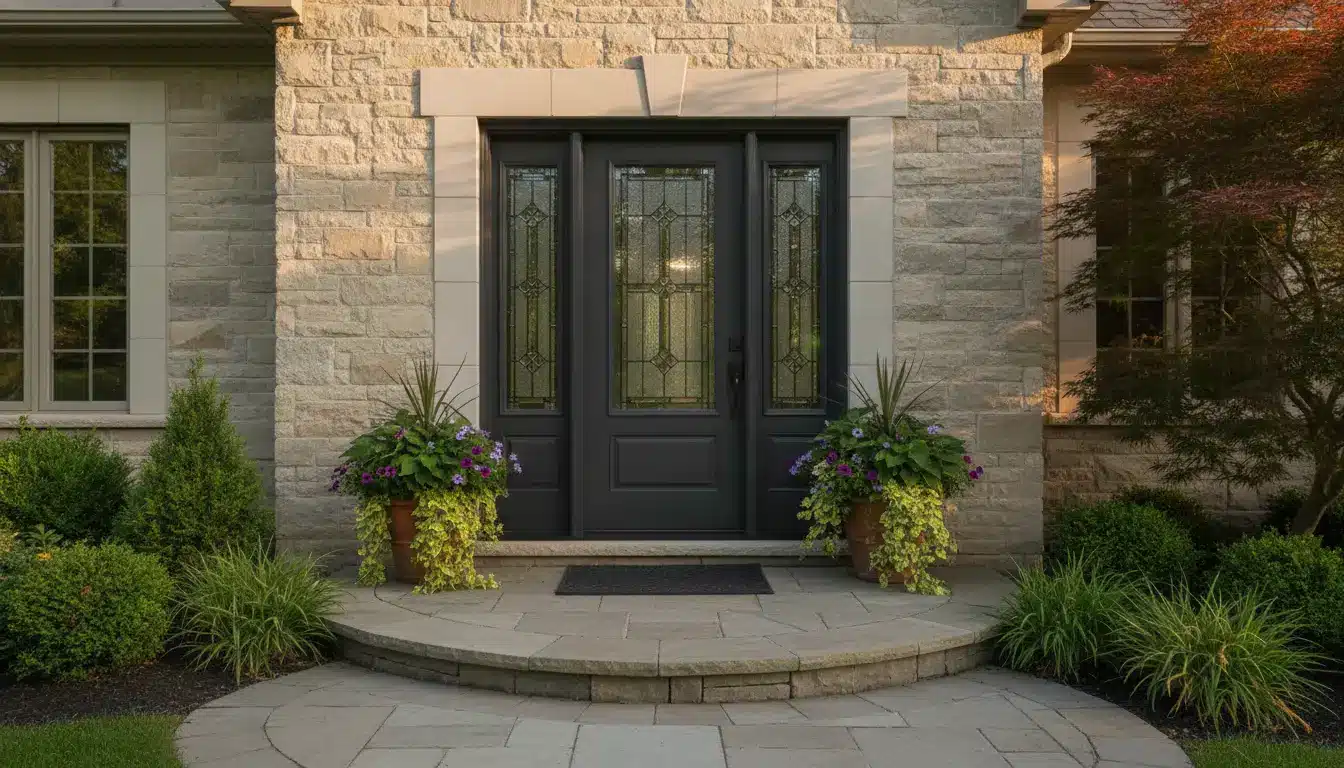
According to Rich Kingly, consultant at Driveway King, the homes that feel successfully modernized are the ones where you notice the original pavements, the wooden floors, the craftsmanship, not the mechanical systems quietly making it 72 degrees year-round.