Most people think that adding a few eco-friendly systems will suddenly make their home sustainable. But in reality, the biggest problem isn’t what you add; it’s what you have to fix/renovate that’s causing most of the eco-related issues.
It all starts with one simple question: Is it REALLY necessary?
Most of the time, it really isn’t. Hidden environmental costs lie in generating constant waste through fixing old, unused, or damaged things around your home, without considering the bigger picture.
This is when you start planning in advance, while paying attention to materials, way of use, and taking a look at all the pros and cons of addressing the future.
Why Frequent Renovations Create More Waste Than We Realize
Of course, change is good; we all (well, most of us) lean towards it.
But ignoring all the signs that something isn’t working, no matter how many times you fix it, even when you renovate every 5 to 10 years, you do more harm than good.
A home that constantly needs to be adapted loses its efficiency.
Let’s say you want to redesign your backyard. Firstly, you want a summer kitchen with a patio, but next year you realize that doesn’t work due to a lack of free space. There could even be plumbing or drainage issues. With each step or change, there are unused materials, lots of waste, extra transport, and increased pollution around you.
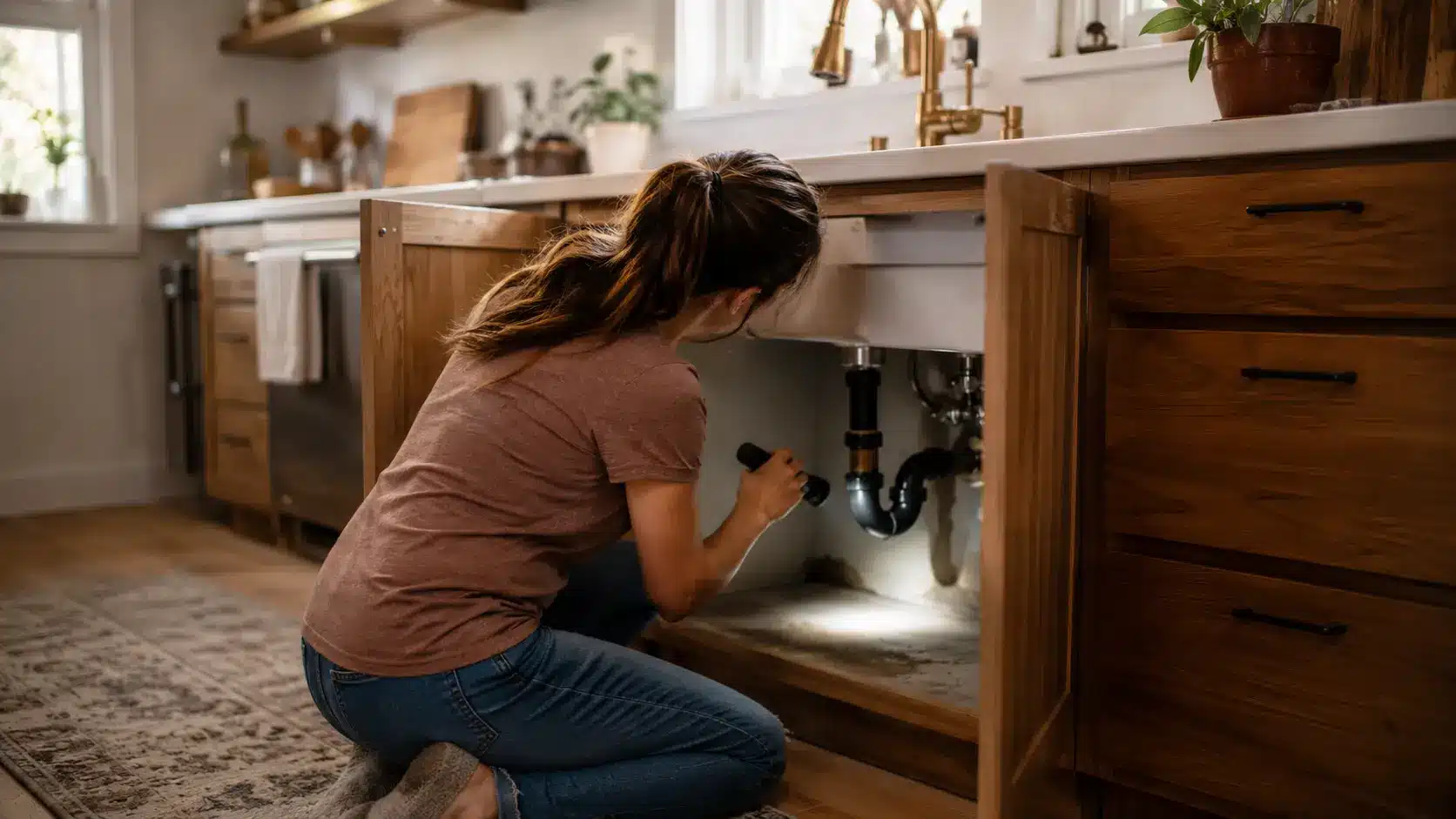
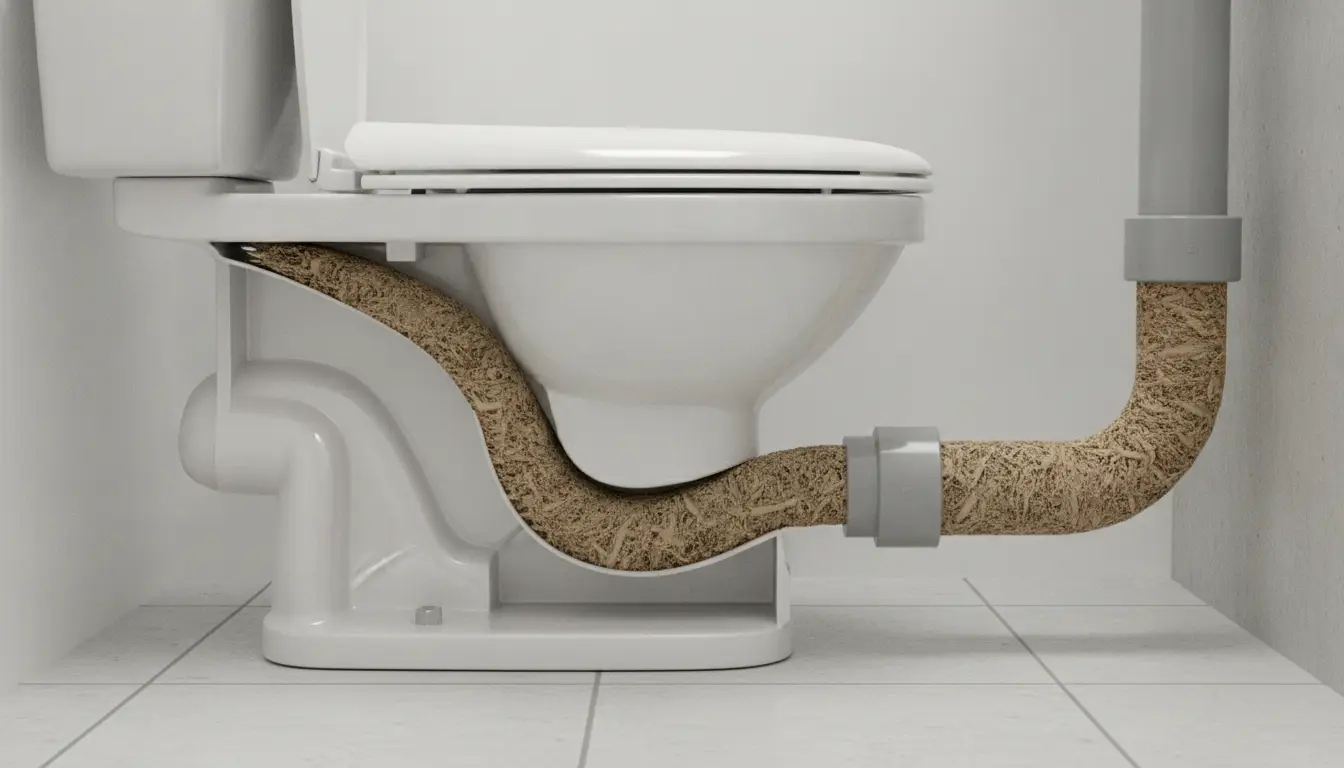
Even when doing minor renovations in your home, if crucial things like pipes or electric systems aren’t checked, that’ll always mask the problem without addressing it.
Every renovation, no matter the size, without a check and plan, will lead to unnecessary overuse of energy and materials. In these situations, you think you may have saved yourself money and prevented the extra waste, when in the long run, it’s completely opposite.
In order to prevent constant investment in your home, start planning from the start, considering every aspect, from your needs, space management, to being environmentally responsible.
Creating a sustainable home doesn’t have to be such an obstacle; the only thing you have to change is your approach towards things and to think more deeply about them.
Smart Planning Reduces the Need for Constant Fixes
Not planning a solution for a core problem will lead you to renovating and addressing the same things repeatedly.
In order to prevent that, the key is to understand your starting position in that problem and the differences between certain fixes.
Short-Term Fixes and Long-Term Decisions
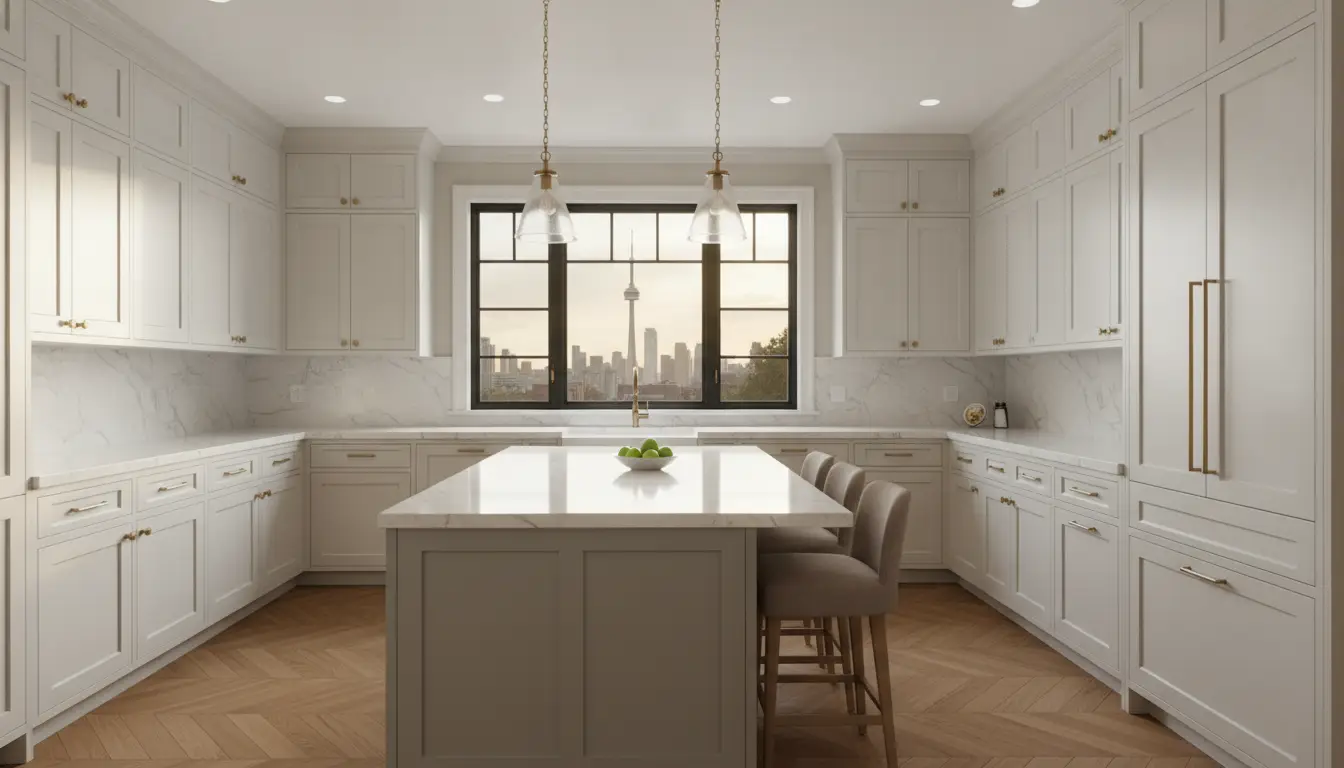
There’s a difference between something breaking down, like a chair, and replacing it and moving on. Of course, taking care of used material properly. And redoing your whole kitchen two times in 5 years due to piping problems.
Solving today’s problems can’t be avoided; however, they aren’t focused on tomorrow’s new challenges.
Taking that into consideration, planning a solution for a few more days may seem like a mess around you, but it will lead you towards better space use and save you from several upgrades.
The main goal is to plan the whole system at first, when you decide to build or renovate it in a way that will be cost-effective and environmentally friendly. Without taking care of things part by part, it’s only going to damage the previously done parts.
Modern Living Needs in Older Homes
In today’s world, when people are constantly on the move, with their needs changing day by day, living in older neighborhoods has begun to be more of a difficulty.
Whenever you want to change something, no matter if you live in a house or a flat, you have to invest more time and energy, like beginning from scratch.
The good thing about modernization is designing things to fit together without making them fit additionally.
For example, looking at older towns such as West Chester or Elkton, they were built for slower lifestyles and are currently under development, as new residents want a more modern lifestyle.
In older homes, modern features are typically added through renovation – older houses get new things little by little, while new houses get everything right from the get-go.
If you take a house where you have lots of old houses, such as Elkton (Maryland), you’d find that lots there are usually narrow and/or irregularly shaped. They have lots of old (big) trees, which would be a shame to take down – just imagine the shade they provide during summers, you can’t recreate that just like that, plus you have fixed, existing utility lines, all of which will limit where a pool could be placed.
In ground pools Elkton MD residents have in their backyards all had to solve these issues before installation, especially if it was post-renovation – all the more reason why you’d want an experienced contractor to do the installation in the first place.
When you compare these design issues with somewhere like Naples FL, you’ll notice that the in-ground pools here aren’t shaped so much by lot age as they are by high water tables and the specific soil conditions.
And to prevent shifting and long-term structural issues (mainly cracks), Naples pool installers have to do some very specialized engineering.
Conclusion
Incorporating an eco-friendly lifestyle with a new habit of planning renovations and taking big steps ahead will eventually lead to a greener planet.
Focusing on not only saving resources and energy, but also your time and money is going to leave you more satisfied inside your home, without constant worry – what’s next to be fixed?
Additionally, having more people do smart planning with their renovations and reducing their waste and pollution is a perfect example to be followed.