To get a sense of balance in a room, you need to do more than just buy expensive furniture or follow the latest trends on social media. It necessitates a profound comprehension of the impact of physical environments on human psychology and daily productivity. As the line between work and home life gets less clear, the home has become a multi-functional ecosystem that needs to support deep focus, physical restoration, and social connection all at once.
The industry has moved away from the cold, sterile minimalism of the past decade and toward a style that is more layered, tactile, and emotionally resonant. This style is often called “Warm Minimalism.”
The Philosophy of Living with Purpose
The idea of “essentialism” is at the heart of modern design. This doesn’t mean living in an empty room; it means making sure that every object in a space has a clear purpose, whether that purpose is practical or just for looks. When a room is full of things that aren’t needed, the brain has a hard time finding a place to relax, which makes stress levels go up. Homeowners can make their homes more conducive to mental clarity by carefully choosing a few high-quality pieces that are both durable and visually pleasing.
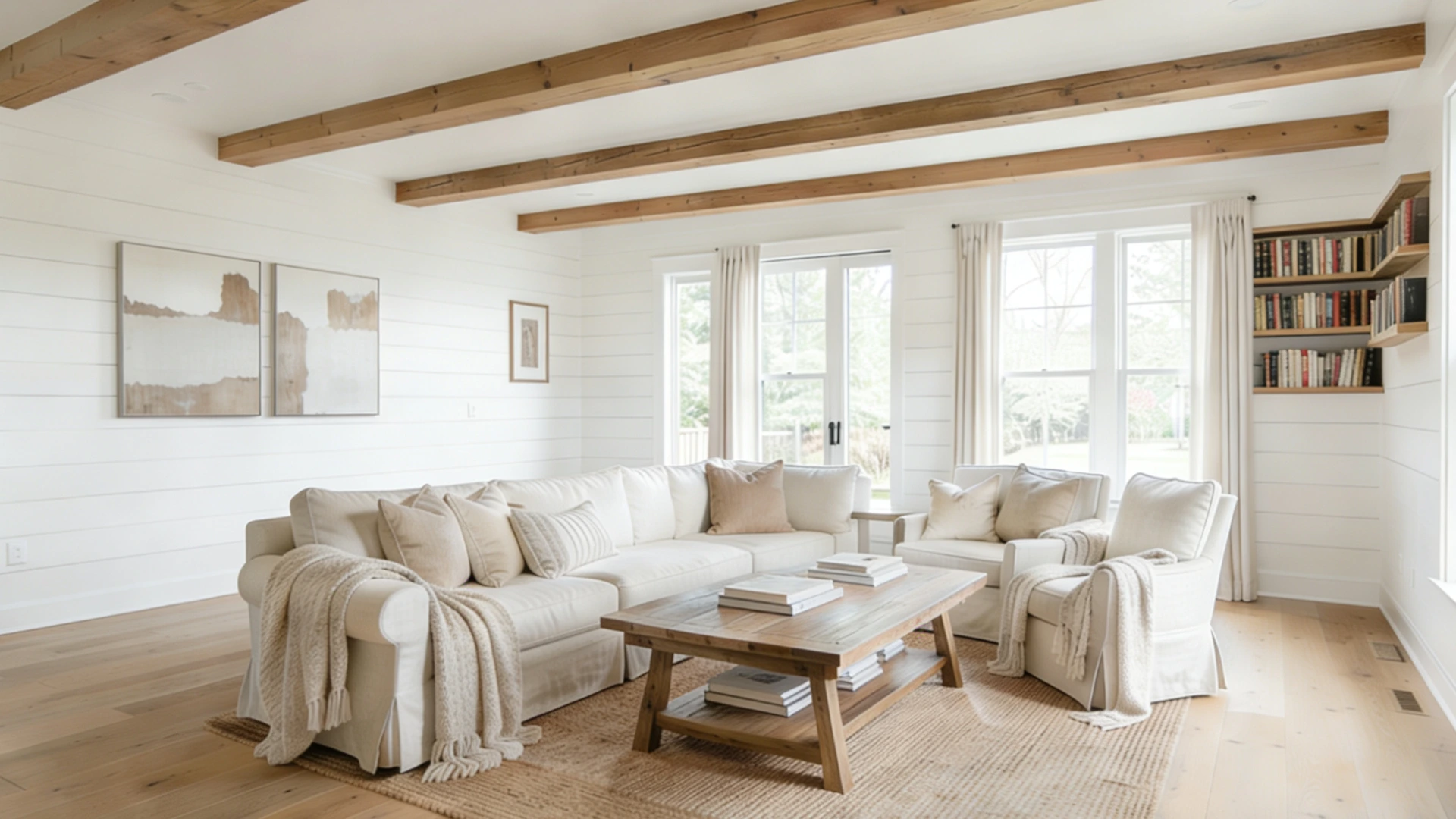
Using organic materials is one of the best ways to do this. Natural stone, solid wood, and hand-woven textiles give the feeling of being outside, which synthetic materials can’t do. The “honesty” of these materials—the way they age, their unique flaws, and their thermal properties—adds a level of luxury that is felt rather than just seen. This method also fits with the growing trend toward biophilic design, which aims to connect people with nature again through architecture.
Reimagining the Bathroom as a Place for Health
The bathroom has changed more than any other room in the modern home. People no longer see it as just a place to do quick tasks; they now see it as the main place to take care of themselves and recover physically. The move away from clinical white surfaces toward deep, immersive color palettes and different textures that feel like a professional spa environment is a sign of this change.
Choosing a high-quality bathroom vanity is a key part of this sophisticated change. Modern vanities are made to be the main piece of furniture in a room, unlike the simple cupboards of the past. More and more homeowners are choosing floating designs that make a room feel open and airy, or “furniture-style” units with beautiful tapered legs and detailed wood grain patterns.
The type of material you choose for the vanity top—honed marble, matte quartz, or integrated porcelain—sets the tone for the whole suite. When you add hidden LED strip lights and “smart” mirrors that change color temperature based on the time of day, the bathroom becomes a great place to get energy in the morning and relax in the evening.
The Circular Economy and Sustainable Materiality
Sustainability used to be something that only a small group of eco-conscious builders cared about, but now it’s the standard for quality in the luxury market. The New York Times published a study that says people are more and more willing to pay extra for materials that are ethically sourced and built to last a lifetime. This change is bringing back traditional craftsmanship, which makes things using joinery methods that don’t need toxic glues or weak hardware.
Because people are more concerned about the quality of the air inside, they are using a lot less materials that give off volatile organic compounds (VOCs). Natural oils are taking the place of chemical lacquers for floor finishes. Clay-based paints are being used to make “breathable” walls that help control humidity. These choices show that the home is seen as a protector of health as a whole. When every surface is chosen for its safety and its impact on the environment, the home becomes a truly sustainable asset for future generations.
The Science Behind Lighting in Architecture
People often call lighting the “invisible architecture” of a house. It can change how big a room looks, bring out textures, and set the mood for the people who live there. A well-designed home uses a layered lighting plan that includes ambient, task, and accent lighting to add depth.
To get the most natural light during the day, which is important for keeping a healthy circadian rhythm, large-format windows and skylights are used in the kitchen and living areas. As the sun goes down, the lights should change to warmer colors (around 2700K) to tell the body that it’s time to relax. This is where architectural details like recessed soffit lighting and sconces on the wall are very important. You can get rid of harsh shadows and make a room feel more open and welcoming by bouncing light off of textured surfaces like a stone backsplash or a wall with wood panels.
Creating a Smooth Flow and Consistency Between Zones
People often make the mistake of treating each room as a separate project when they are doing a lot of renovations. There needs to be a “visual thread” that runs through the whole property in order to get a truly high-end, professional look. A consistent flooring material that runs through all of the living areas or a unified metal finish for all of the hardware, such as door handles, light switches, and plumbing fixtures, is often how this is done.
This consistency doesn’t mean that every room has to look the same; instead, they should all have the same DNA. If you’ve picked a certain set of “earth tones” for the main living area, bringing those colors into the bedrooms and utility rooms with textiles or art makes it feel like you meant to do it.
This “flow” is what gives a home its personality and makes it feel like a single architectural statement instead of a bunch of random ideas. It also raises the property’s resale value a lot because potential buyers can tell how much thought and care went into the design.
The Growth of High-End Upcycling
The idea of “pre-loved” or reclaimed materials is becoming more advanced as we think about the future of home improvement. People are moving away from the “distressed” look of the early 2010s and toward a more polished, industrial-modern style where old materials are treated with the same care as new ones. Old wharves, warehouses, and factories are being torn down and their wood is being used to make beautiful dining tables, feature walls, and even structural beams.
This process takes a lot of work, like sanding, kiln-drying, and finishing, but the end result is a product with a history and a density that you can’t find in new-growth wood. It is a kind of luxury that values story and soul more than making things in bulk. Many dedicated DIYers and small furniture makers are finding that the best way to help this sustainable cycle is to reuse the high-quality wood from heavy-duty shipping pallets.