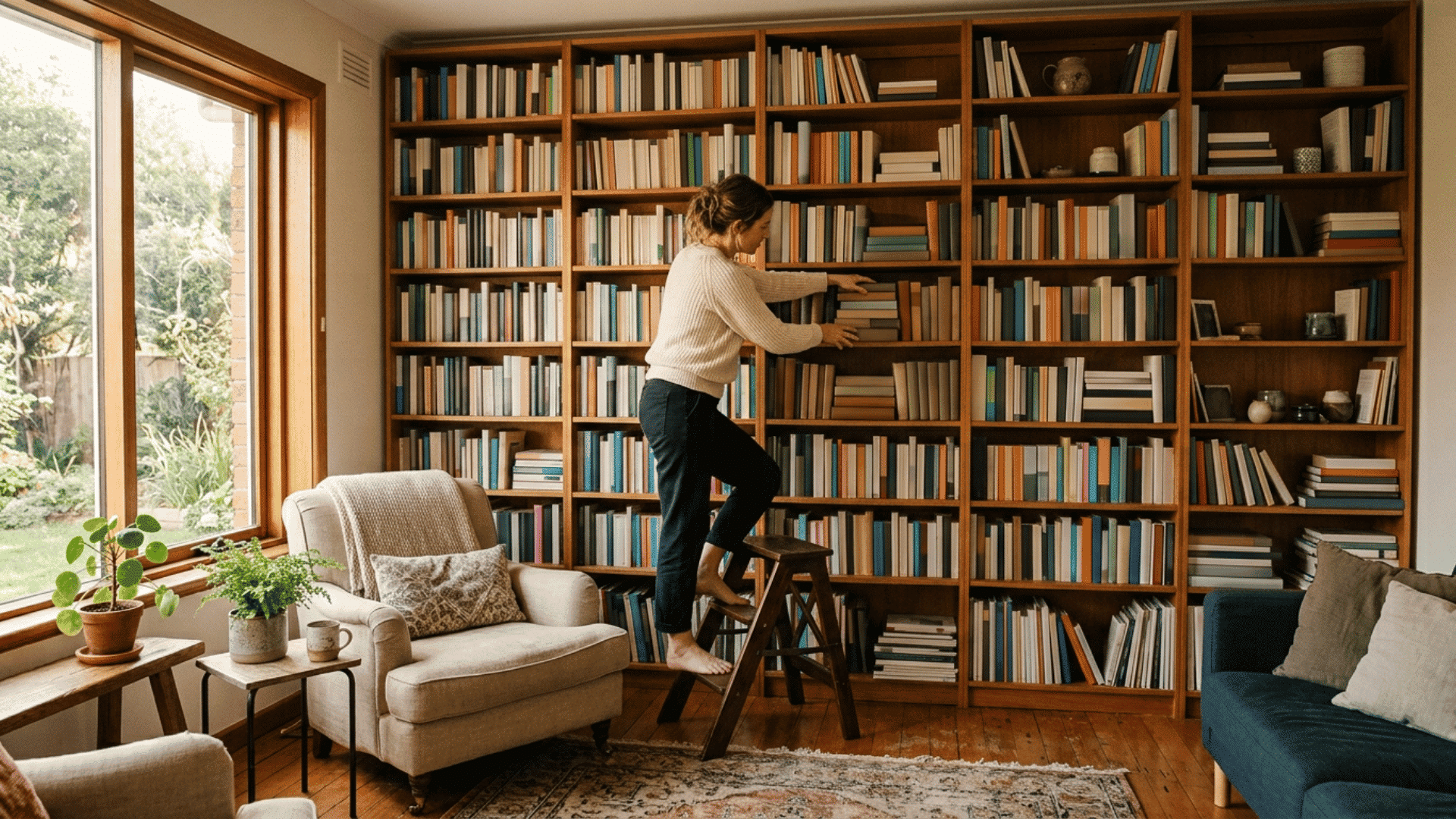
A room can look beautiful and still feel like something is missing. That feeling often comes from what you notice through touch rather than sight. Texture influences how a space feels when you walk through it, sit down, or pause for a moment. It adds warmth, depth, and comfort in ways color alone can’t. When texture is considered early, a home environment feels more personal and easier to live in.
How Texture Affects the Experience of a Room
Texture plays a major role in how comfortable a space feels day to day. Smooth surfaces bring a sense of calm, while rougher materials add warmth and character. When both are present, the room feels balanced instead of flat. You may not focus on each surface, but you notice how the space supports you.
A room filled only with sleek finishes can feel cold, even when warm colors are used. Too many coarse materials can make a space feel heavy or unfinished. Mixing materials introduces contrast that keeps the room engaging and grounded. That balance helps a home feel welcoming rather than styled for show.
Smaller tactile details help complete that mix. Objects meant to be touched give your hands something familiar to reach for. A smooth stone resting on a desk or coffee table, similar to worry stones, adds a grounding element during quiet moments. These choices feel natural and lived-in without drawing attention to themselves. They can also enhance sensory rooms, creating small pockets of calm and interaction.
Emotional Comfort Comes From What You Can Touch
Touch affects how relaxed you feel in a space. Soft fabrics, warm wood, and natural finishes make rooms easier to settle into. These materials support comfort without calling attention to themselves. You feel the difference when a space invites you to stay awhile.
Tactile decor adds another layer of connection. Items placed within reach encourage small pauses throughout the day. They bring presence into a room, even during busy routines. A space feels more personal when it offers something physical to engage with.
Incorporating polished natural elements, such as smooth gemstone touchstones and sage and smudging practices, adds a grounding presence to coffee table vignettes. These items invite touch and quiet interaction rather than sitting there only to be seen. They bring texture into everyday moments in a way that feels natural and unforced. Adding elements like essential oils or small decorative scented candles can further enhance the sense of calm in these areas.
Finding Balance Between Rough and Smooth Surfaces
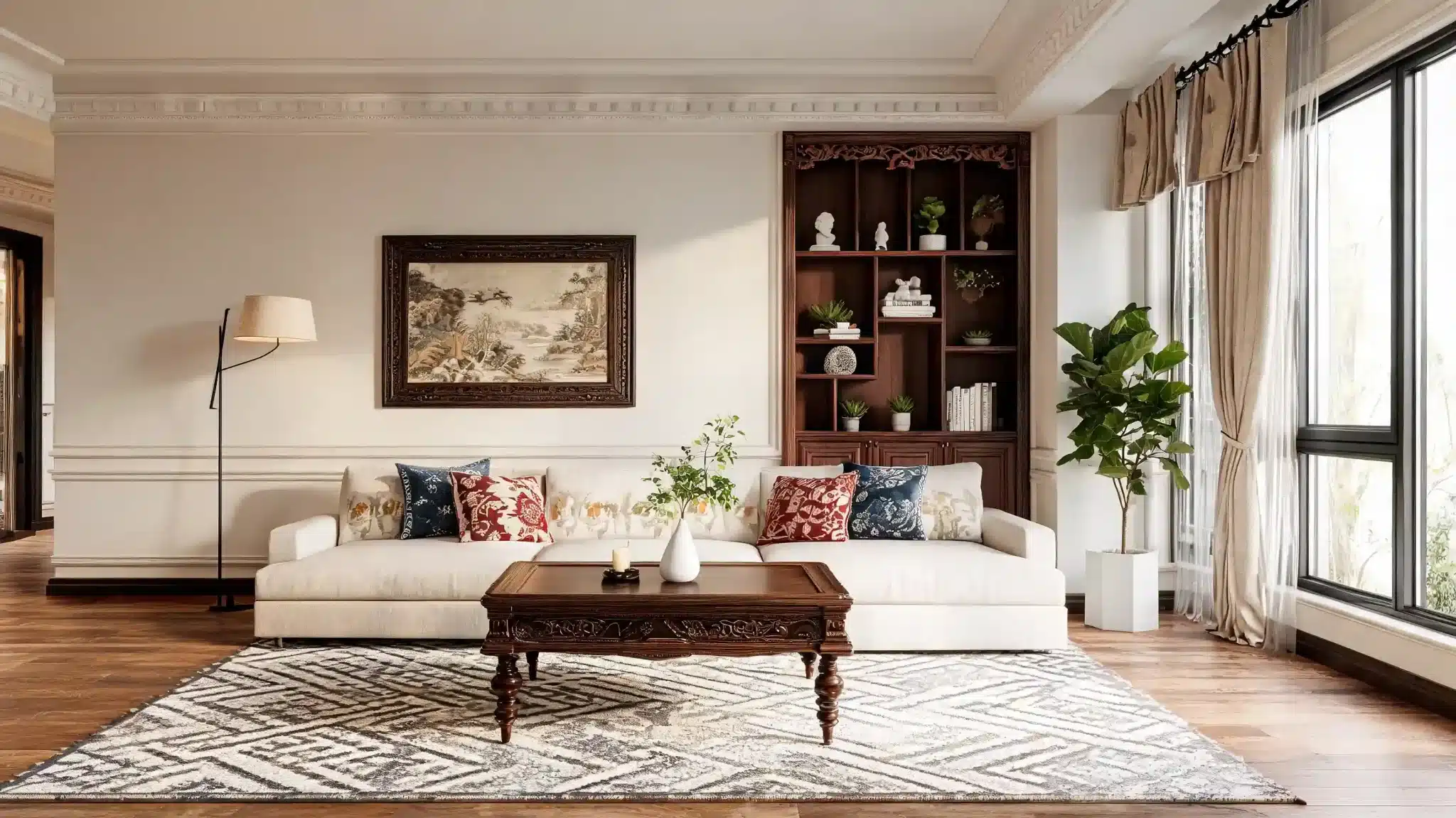
A well-designed room often relies on contrast. Rough textures like exposed wood, brick, or woven fibers bring warmth and depth. Smooth finishes, such as glass or polished stone, help keep the interior space light and open. Together, they create a room that feels considered.
Contrast keeps a space from feeling predictable. A soft sofa feels richer against a textured wall. A smooth table feels warmer when paired with natural materials. These combinations add interest without overwhelming the room. Using LED strips or dimmable lights in these spaces can highlight textures while maintaining a cozy atmosphere.
When textures work well together, nothing feels out of place. Each surface supports the others instead of competing. The result is a space that feels comfortable, thoughtful, and easy to live in. Ambient lighting also helps draw attention to the textures while supporting comfortable living.
Why Texture Stays Relevant Over Time
Texture holds lasting appeal because it isn’t tied to trends. Materials that feel good to live with remain relevant as styles change. Textured spaces adapt naturally without needing constant updates. That’s what gives them staying power.
Touch is something everyone responds to. Regardless of personal style, people gravitate toward materials that feel familiar and comfortable. Texture connects different design preferences and helps spaces feel grounded. Adding familiar items or tactile objects encourages sensory perception and long-term comfort.
Focusing on texture also prevents rooms from feeling overdesigned. Instead of chasing new looks, the space reflects how it’s used every day. That approach creates homes that feel natural rather than curated. Incorporating sensory triggers thoughtfully can enhance both functionality and mood.
Guiding Movement Through Material Choices
Texture influences how you move through a room. Softer materials often signal places meant for rest, while smoother finishes keep areas feeling open. These cues guide movement without being obvious. You instinctively sense where to pause and where to keep going.
In open layouts, material changes help define areas without walls. A textured rug can anchor a seating area. A shift in finishes can separate spaces while keeping the layout open. This creates order without closing things off. Adding sound-absorbing panels can subtly mark spaces while reducing noise in busy areas.
This approach supports flexible living. Rooms feel defined yet connected. Material choices give each area purpose while maintaining a sense of flow throughout the home. Small touches like familiar items or gentle lava lamps can make transitions between areas more inviting.
Choosing Texture That Works With Your Routine
Texture should support how you live, not complicate it. Materials that feel good but require constant upkeep can become frustrating. Choosing finishes that age well and feel comfortable makes everyday life easier. That balance matters more than visual impact.
Think about how each room is used throughout the day. High-touch areas benefit from materials that feel pleasant and hold up over time. Quiet spaces work best with softer textures that encourage rest. Small corners with cozy corner seating or soft throws can promote emotional well-being.
When texture fits your routine, the space feels effortless. Nothing feels forced or overthought. The room supports you in a way that feels natural. Thoughtful additions like blackout curtains, sensory-friendly space zones, or subtle visual stimulation elements like colored accents can all support daily comfort.
Adding Depth to Smaller Spaces
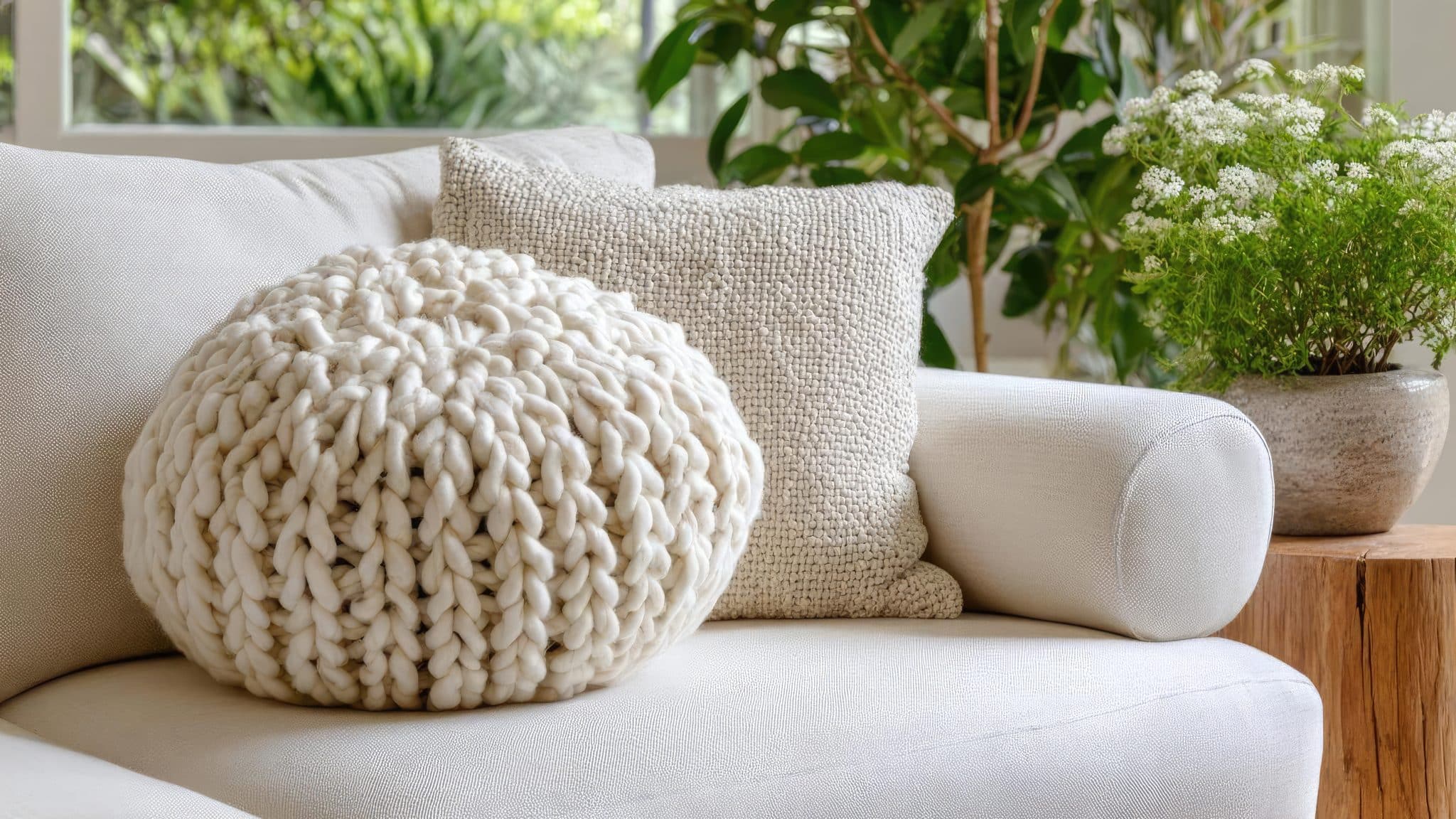
Texture is especially useful in smaller rooms. When square footage is limited, materials add interest without taking up space. They give the eye more to explore, which makes the room feel fuller. This works well in apartments, compact homes, or floor plans where every inch counts.
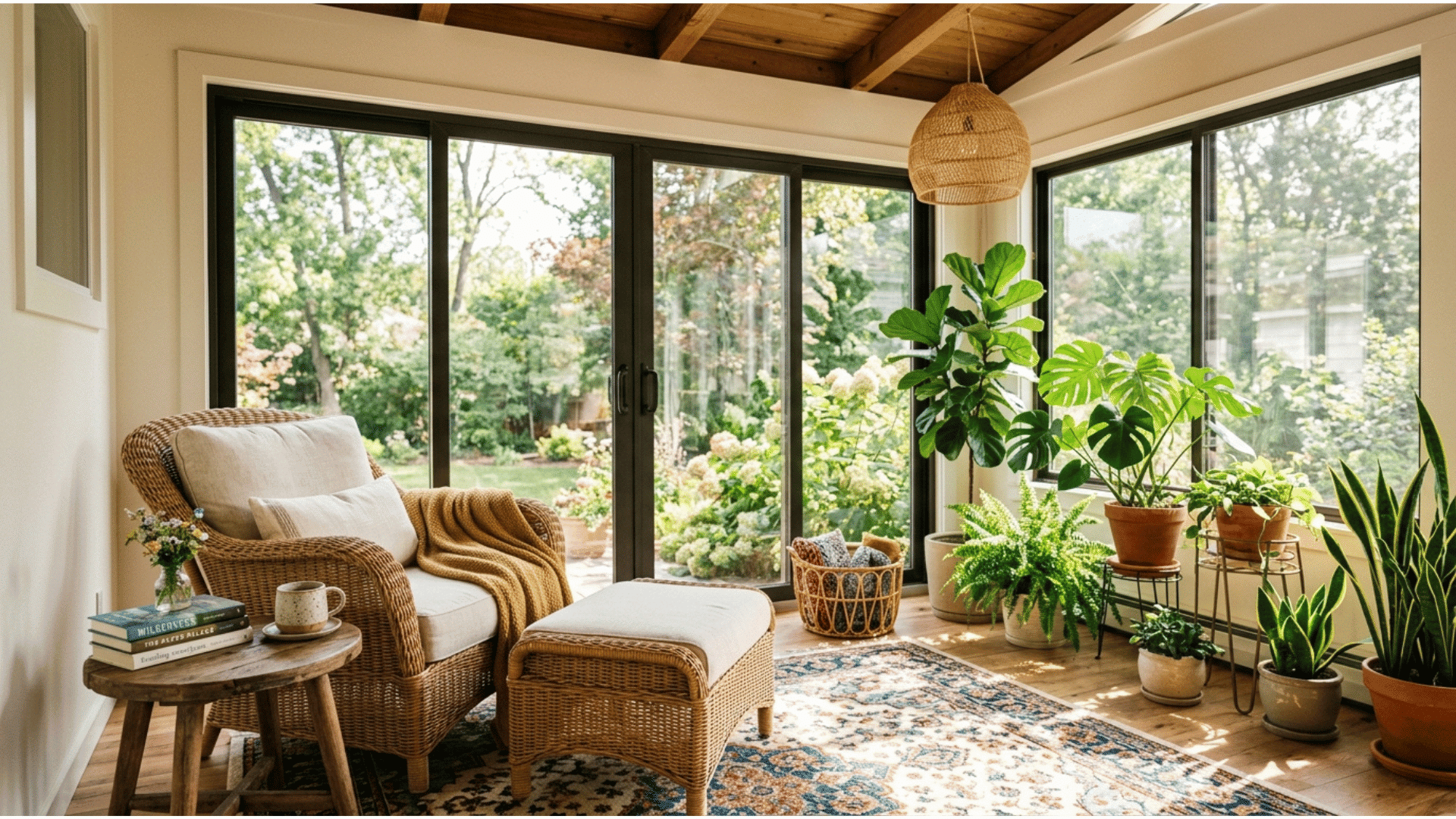
Layered materials prevent small spaces from feeling flat. A mix of finishes draws attention to experience rather than size. The room feels intentional rather than restricted. Incorporating natural light whenever possible enhances textures and makes the space feel larger.
Even small additions can change how a space feels. A textured cushion, a tactile object, or a natural finish can bring depth. Thoughtful touches like sensory spaces or soft fabrics can make smaller rooms feel complete and inviting.
In Conclusion
Texture brings warmth, comfort, and depth into a home. It influences how spaces feel and how they support daily life. When rough and smooth materials work together, rooms feel balanced and welcoming. Paying attention to touch helps create a home that feels personal and easy to live in. That’s when design moves beyond appearance and starts to feel real.