Some people may argue that minimalism and rustic styles are completely different and even contradictory; however, their combination can result in cosy and fashionable interiors. Minimalism is about simplicity and functionality, whereas rustic style is an instinctively developed idea of natural warmth through rough textures. By combining these two, you can produce interiors that look so casual but are very warm and inviting. The following are some easy and actually helpful ways of achieving such a balance.
Use Art to Introduce Character Without Clutter
Rustic houses generally make use of natural textures such as wood, stone, and linen, which already give a feeling of being grounded. Keeping the minimalist style is about not piling your walls with numerous ornaments. You could, however, choose some beautiful artworks that bring a silent impact without dominating the space.
This is where unique minimalist art prints can bridge the two styles perfectly. Their clean lines, restrained compositions and muted palettes complement rustic features such as exposed beams or limewashed walls, allowing visual interest without disrupting the calm of the space. When framed simply in natural wood or matte finishes, these artworks add personality while preserving the clarity and restraint central to minimalist design.
Choose Natural Materials with Refined Edges
A rustic interior usually incorporates worn, handcrafted or natural elements. To keep the house looking simple, these elements should be demonstrated in a very disciplined and elegant manner. Take, for example, the reclaimed wood, which goes very well in the case of floors or cabinets, as long as it is not excessively used. Concrete, stone, or smooth lime plaster surfaces enrich the texture without causing visual disorder.
Blend rough and smooth elements in a restrained way. Pair a timber dining table with sleek steel chairs, or a linen-covered sofa with a raw clay side table. Let each material breathe in the space; don’t compete for attention. The result is tactile interest with visual simplicity.
Limit Colour, but Add Depth Through Tone
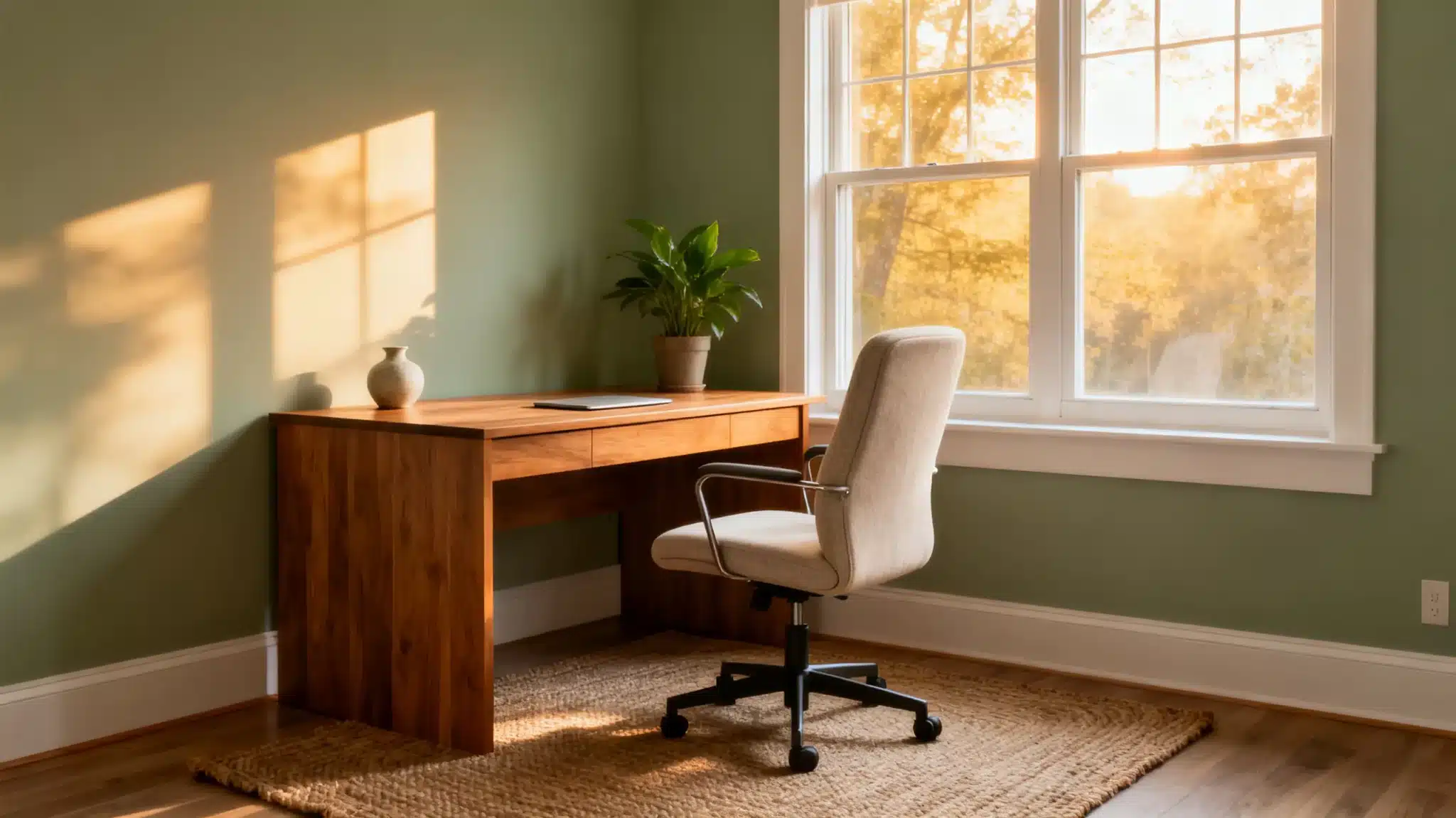
A minimalist colour scheme need not be uninviting. Instead of going for stark whites or flat greys, bring in a warm, earthy colour foundation, think of taupes, clay tones, warm neutrals, and dusty greens. This colour scheme is excellent for a rustic vibe, but it also looks chic and low-contrast.
Steer clear of bright colour pops as they can disturb the serenity of the space. On the other hand, you can introduce the notion of depth by using layers of different tints of the same colour.
Let Functional Furniture Anchor the Space
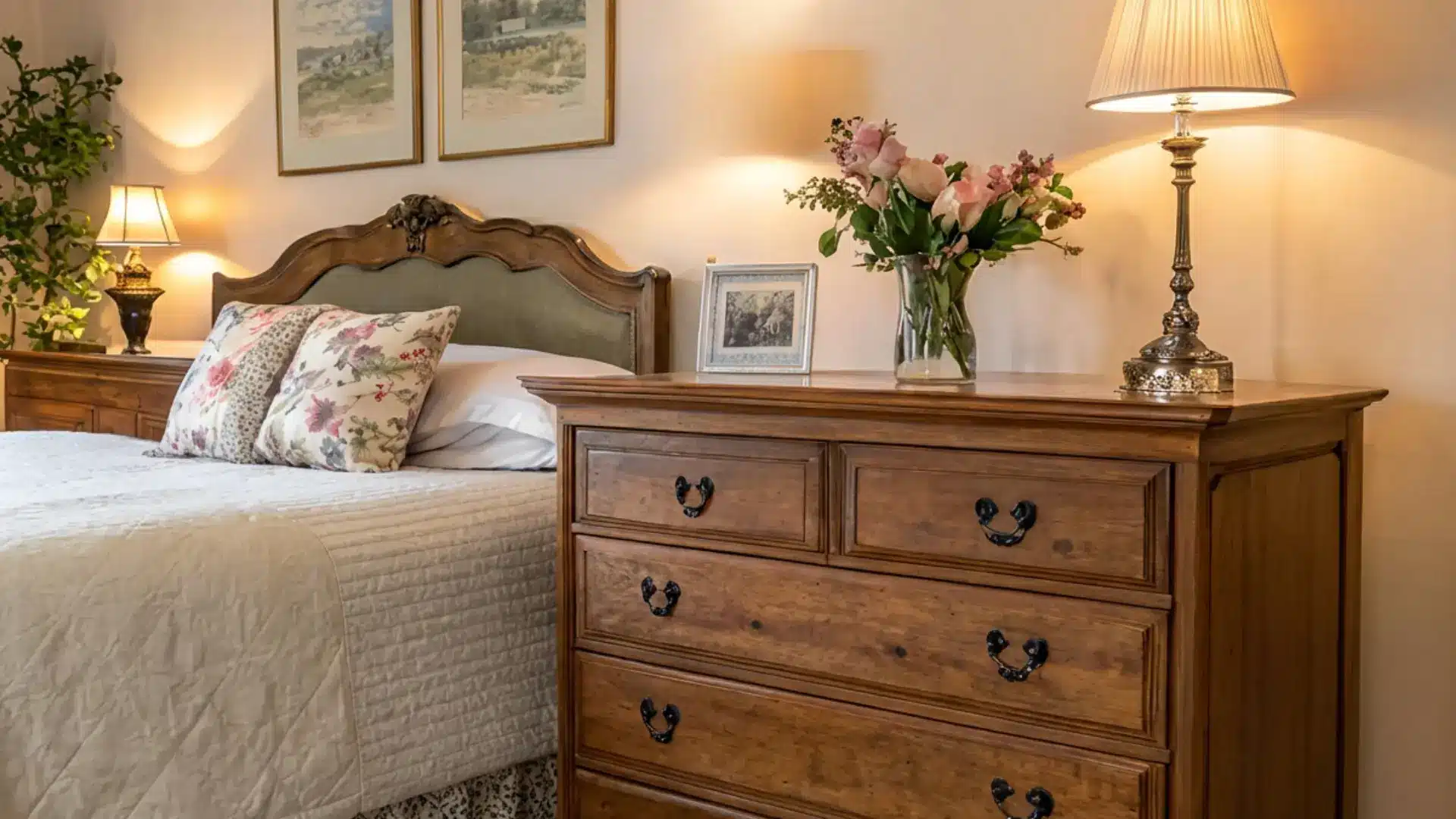
Furniture in minimalist rustic interiors must be functional and straightforward with the use of materials. It is advisable to go for furniture with strong shapes, visible grain, and simple details. A good quality wooden bedframe, a kitchen table with simple legs, or a bench showing the natural elements of the wood could be enough to create a certain atmosphere.
Refrain from overdecorating. Each piece should serve a purpose and leave breathing room around it. Open floor space is as important as the items themselves. This restraint allows the textures and form of your furniture to shine without visual competition.
Embrace Negative Space as a Design Element
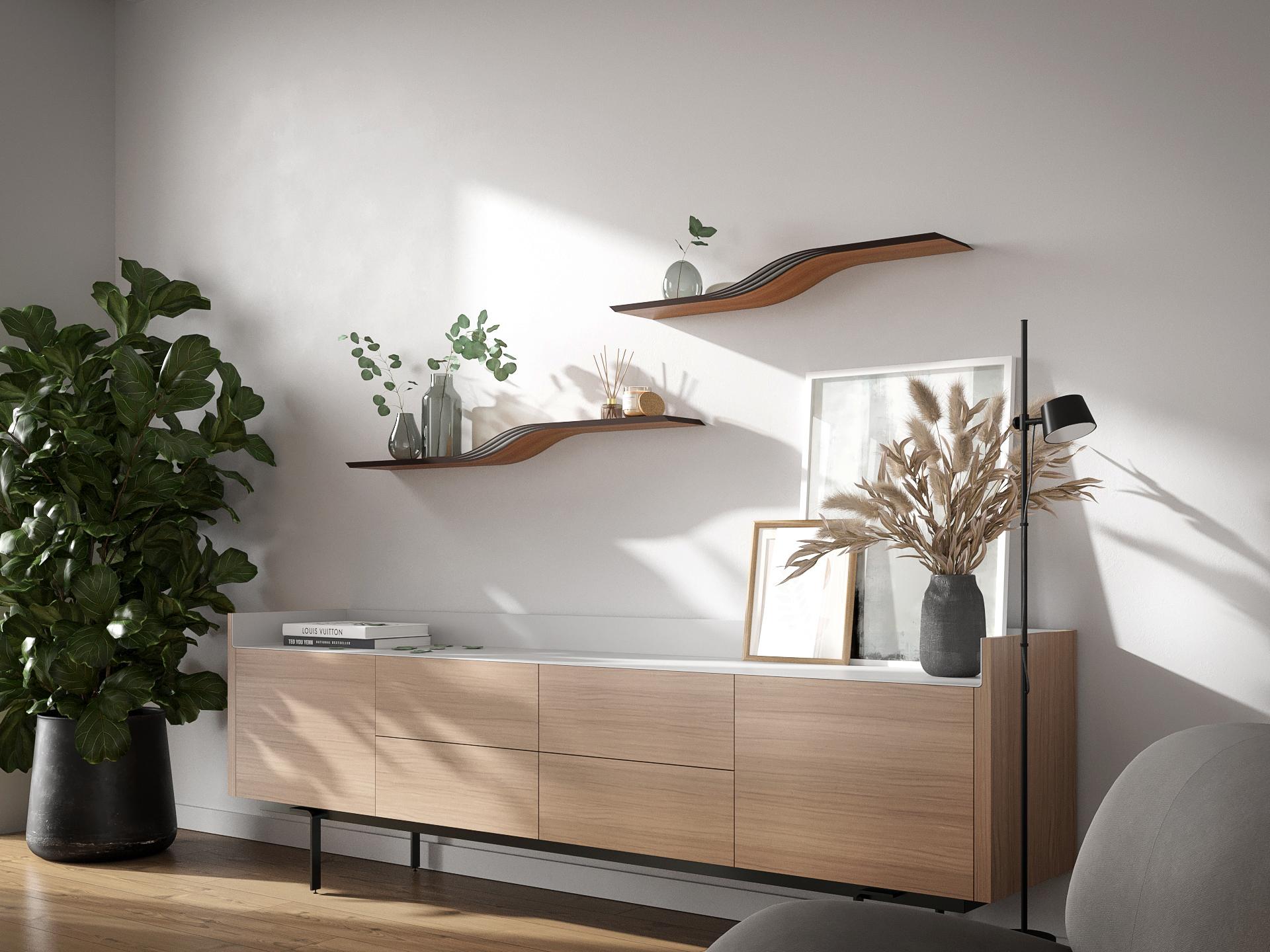
Clutter is the enemy of minimalism, and it is very clear indeed how it can reduce the feeling of natural calm that you are trying to create through rustic design. Make space for the negative area by leaving some wall or floor segments empty. That way, the few things you add will stand out and become focal points, whether it’s a delicately selected lamp, a handmade vase, or a single large print.
Concentrate on an even distribution of free space without totally packing it with stuff. Not decorating every surface is a good way to let the different elements such as the materials used in the room, the lighting, and the layout have their own voice. Take inspiration from modern organic design, which celebrates natural materials, soft forms, and curated openness to create interiors that feel both grounded and effortlessly refined.
Light with Warmth, Not Excess
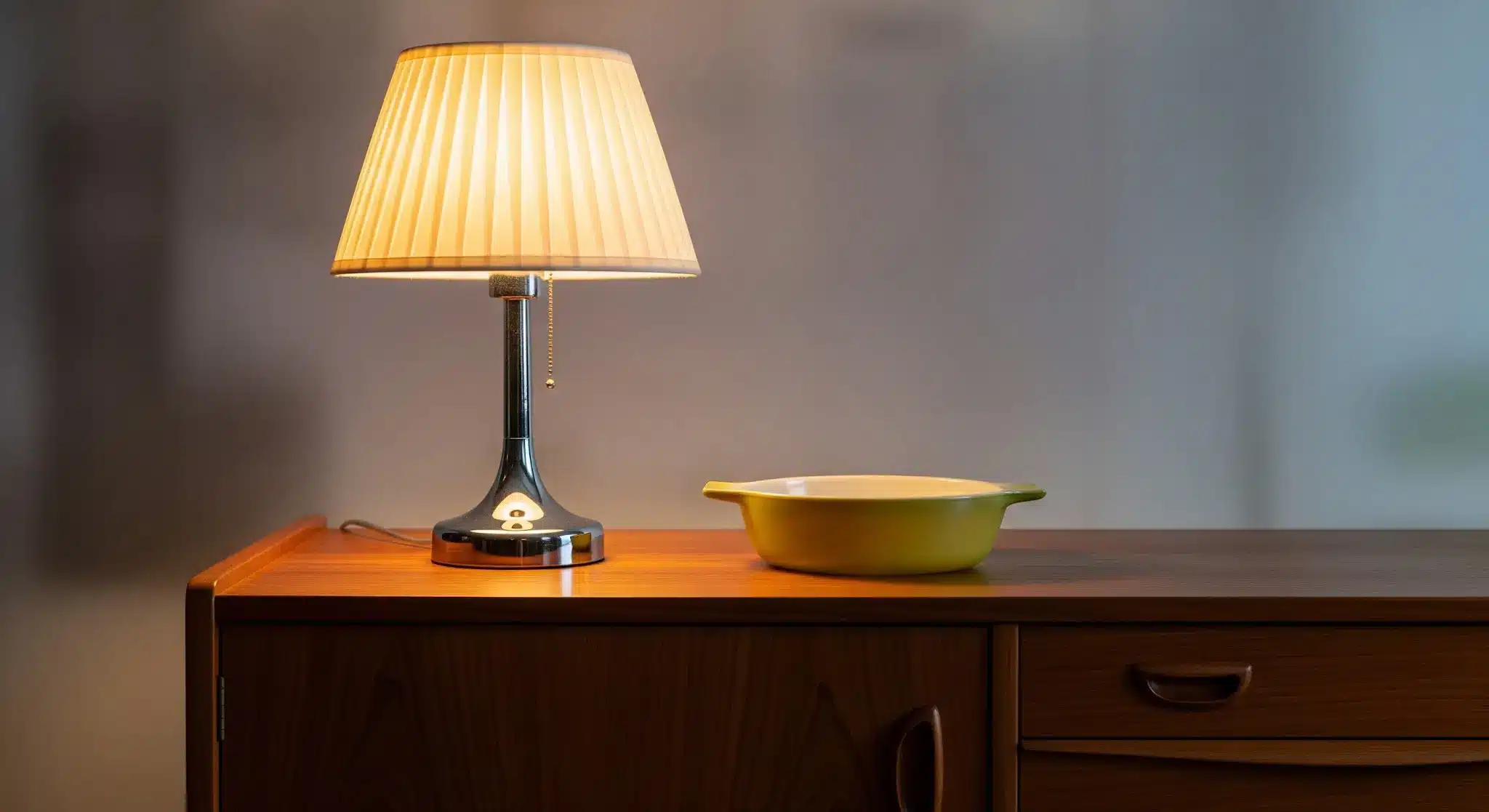
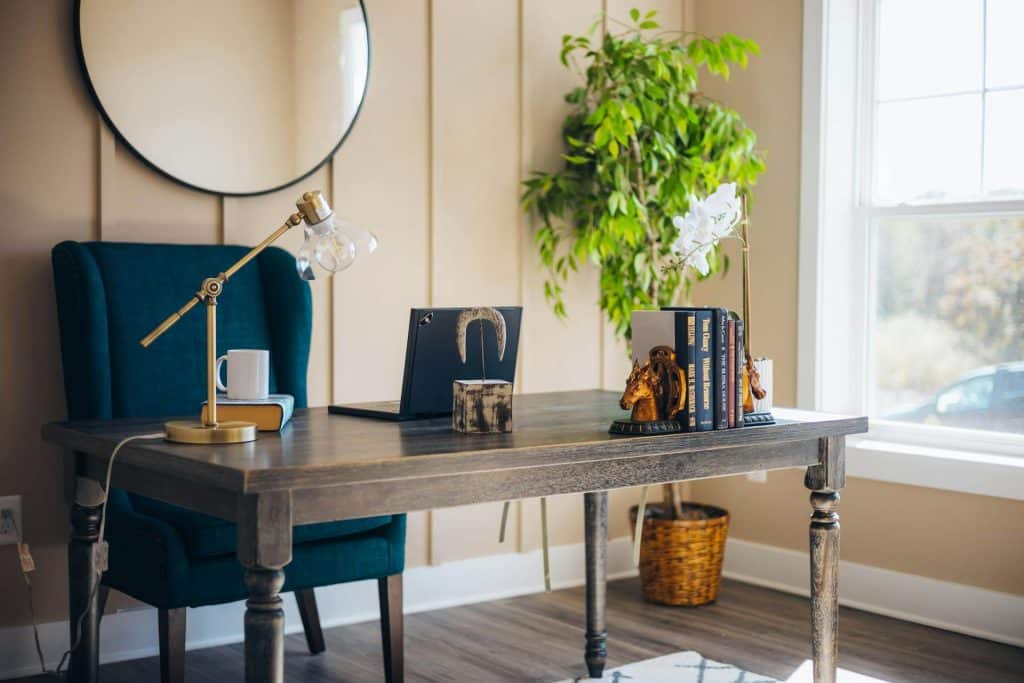
Lighting is very important for blending the rustic atmosphere and minimalist openness. Select lighting sources which have a minimal impact on the visual appearance such as linen shades, matte ceramic wall lamps or exposed bulbs on unpolished metal arms.
Use a combination of different low, level light sources to create a mood: a floor lamp next to a reading chair, a pendant over a timber table, or candles on a reclaimed shelf. Also, bring in as much natural light as possible through large, clear windows or sheer window coverings. The light needs to be warm and natural, not clinical.
Keep It Quiet, Keep It Purposeful
There should be a feeling of deliberateness in each design decision made in a minimalist rustic house. Art on the walls and colors in the fabrics are just few examples where simplicity and comfort can be your main considerations. The stylistic feature here is that it doesn’t shout but speaks gently, through texture, brightness, and harmony. If it is done right and together, it results in a dwelling that is beautiful and quietly refreshing at the same time.