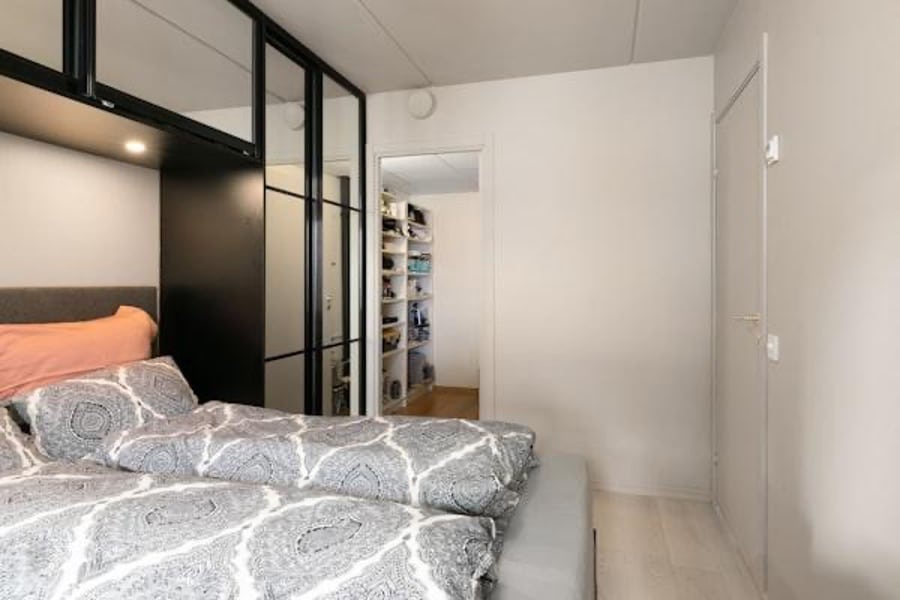
Your bedroom should support restorative sleep and safe movement every night. This guide translates Australian standards and evidence into practical measurements, layouts, and product choices. It is written for homeowners, renters, older Australians, and carers who want safer, more comfortable sleeping spaces.
The need is widespread. In 2022, 5.5 million Australians, or 21.4% of the population, were living with disability, up from 17.7% in 2018, according to the Australian Bureau of Statistics. Falls risk is high for older adults. In 2021–22, 34% of injury hospitalisations involved people aged 65 and over, and about 70% of injury deaths in this age group in 2020–21 were due to falls, according to the Australian Institute of Health and Welfare (AIHW).
This blueprint blends Livable Housing Design principles, falls prevention strategies, sleep science on temperature and light, allergy-safe materials, and climate-savvy thermal tactics. You will find checklists, measurements, and staged budgets that support quick wins in a weekend and larger upgrades during renovations.
What Bedroom Comfort and Accessibility Looks Like in Practice
Design your bedroom so thermal comfort, low noise, and clear circulation work together for current and future mobility needs.
Comfort covers temperature, light, noise, and indoor air quality that support sleep, while accessibility means safe, efficient movement for current and future mobility needs. The Australian Building Codes Board (ABCB) Livable Housing Design Standard specifies minimum 820mm clear openings for internal doorways and at least 1,000mm clear width for connected corridors.
The Australian Government’s YourHome guidance recommends at least 1,000mm between the bed and adjacent walls, power outlets at least 600mm above floor level, and switches within 900–1,100mm height. For sleep quality, aim for 17–19°C overnight according to the Sleep Health Foundation, and keep bedroom noise near 30 dB(A) at night, which is similar to a quiet library.
Non-Negotiable Outcomes to Design For
- Continuous 1,000mm path from door to bed edge and onward to bathroom
- Bed positioned to allow safe sit-to-stand transfers with height tuned to mid-knee
- Dark, quiet conditions for sleep with low-level amber path lighting for safety
- Step-free approach to bed with compliant smoke alarms installed
Quick Wins Versus Bigger Upgrades
Quick wins include decluttering, adding motion night lights, hot-washing bedding at 60°C or higher, installing blackout curtains, and sealing door gaps. Bigger upgrades involve widening doors, reconfiguring wardrobes, adding ceiling fans with reverse-cycle air conditioning (AC), and reinforcing bathroom walls for grab bars.
Measure First: Doors, Corridors, and Sleeping Space Baselines
Accurate measurements reveal tight spots early so you avoid costly mistakes in furniture purchases, assistive equipment selection, or renovations.
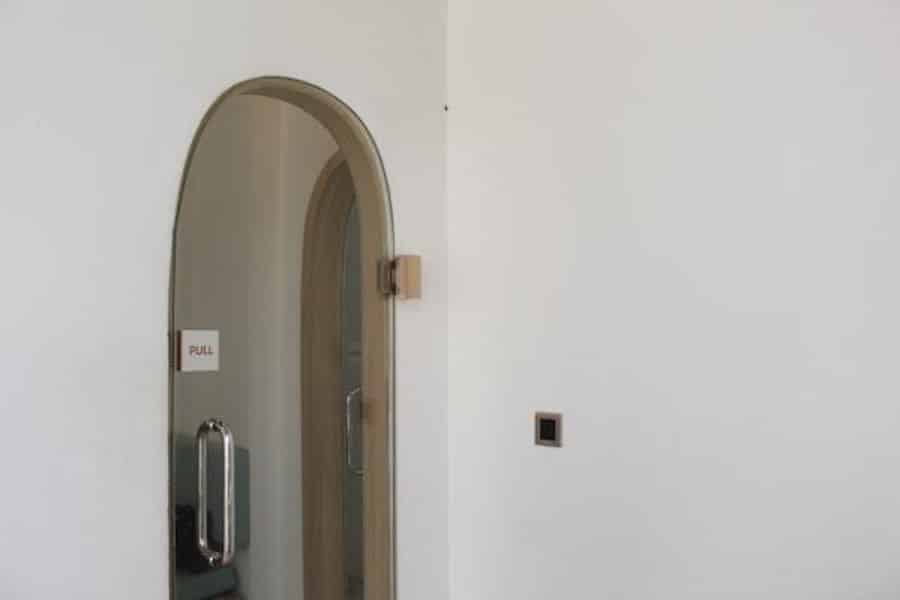
Validate movement and transfer space before purchasing or renovating because it forms the foundation for all other choices. Measure door clear openings targeting at least 820mm and corridor widths of at least 1,000mm to ensure wheeled mobility and carer access.
Field Checklist
- Record door leaf width and actual clear opening, accounting for hinges and door stops
- Note corridor widths from entry to bedroom, including pinch points at corners and built-ins
- Verify at least 1,000mm clear on one long side of the bed
- Record switch and outlet heights, flagging any below recommended levels
Retrofit Tactics When Space Is Tight
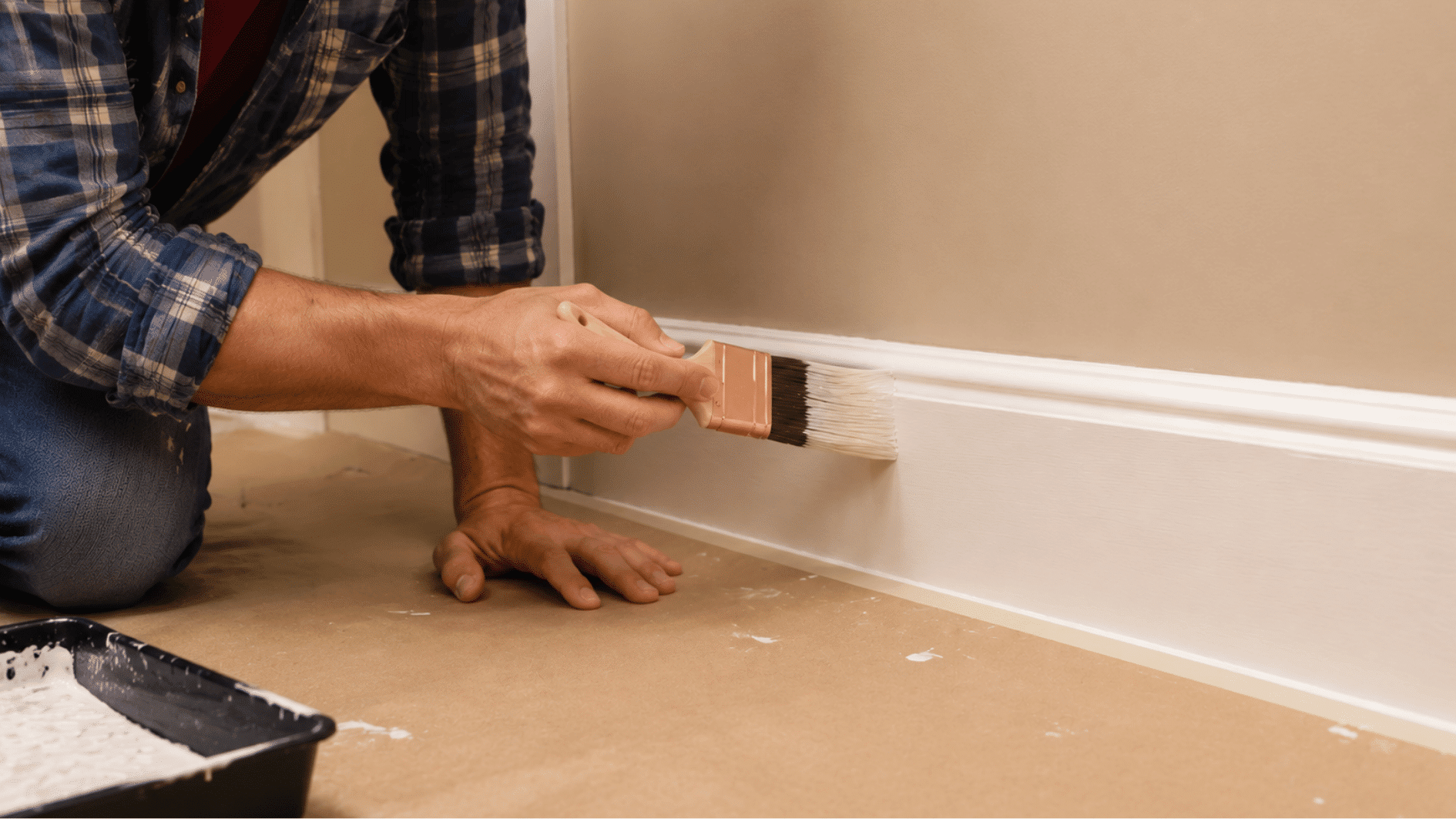
Install offset swing-clear hinges to gain extra millimetres of clear opening. Consider rehanging doors to swing outward where safe, or replacing them with cavity sliders to reclaim floor area. Trim protruding skirtings and replace bulky handles with low-profile pulls that reduce snags on clothing or mobility aids.
Layout for Safe Transfers and Clutter-Free Circulation
Thoughtful furniture layout creates intuitive routes that reduce falls risk, support sit-to-stand transfers, and leave room for carers when required.
Keep a continuous 1,000mm corridor from doorway to bed edge and onward to bathroom, avoiding encroaching furniture or portable heaters. Place the headboard against a solid wall, keep bed edges clear of door swings, and secure all rug edges with non-slip underlay.
Bed Placement and Transfer Space
Align the bed to allow sit-to-stand on the preferred side with at least 1,000mm clear to the bed edge. Tune bed height to user anatomy, typically around mid-knee height, and ensure space for carers where relevant. Avoid placing the bed where drafts hit the head.
Trip-Hazard Elimination
- Remove or secure loose rugs with high-contrast edging on any step-downs or transitions
- Cable-manage chargers with adhesive clips and trunking to keep cords off walking paths
- Use rounded furniture corners and avoid glass furniture where balance concerns exist
Bedroom Furniture That Supports Safe Movement
Select furniture for the bedroom that stabilises the body, protects walking paths, and integrates with rails, hoists, or other assistive devices.
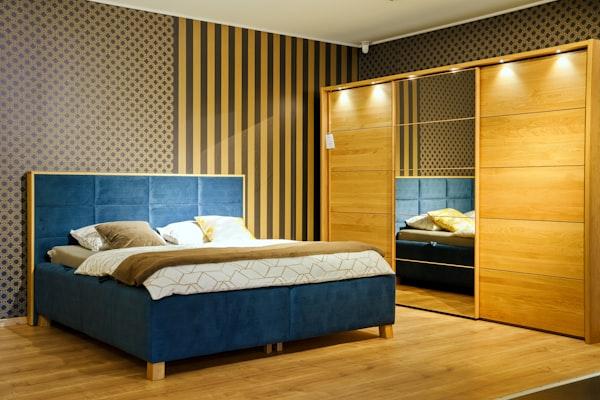
Choose furniture that preserves 1,000mm paths, supports safe transfers, and integrates with assistive devices when needed. A sturdy bed base at appropriate height, a headboard allowing grab-aid mounting, and rounded corners all reduce impact risk.
Beds: Stability and Compatibility
Target bed height around mid-knee for the primary user. Avoid sharp metal corners and ensure frames accept bed rails if prescribed. Confirm clearance under the bed for hoist legs if relevant.
Storage That Preserves Circulation
Use shallower wardrobes or sliding doors where swing space is constrained. Prioritise drawers over deep shelves, fitting soft-close and full-extension runners for easier access. Place daily-use clothing within the 600–1,200mm reach zone.
Thoughtfully chosen wardrobes, bedside tables, and bed bases can either protect or compromise 1,000mm circulation paths, so align any new purchases with your OT’s advice and your long-term mobility or care needs. If you are upgrading bases or wardrobes to maintain clear 1,000mm pathways and safer transfers, browse Dshop’s Australian range of bedroom furniture, prioritising storage beds that free floor space and sturdy frames compatible with bedside grab aids.
Thermal Comfort That Suits Australian Climates
Layer passive design, fans, and efficient air conditioning so bedrooms stay cool enough for sleep without bloated energy bills.
Aim for 17–19°C overnight, and remember that air movement from a fan can make a room feel about 3°C cooler. Fans cost around 2 cents per hour to run, while reverse-cycle air conditioners operate at 300–600% efficiency according to energy.gov.au.
Follow the passive cooling hierarchy: shading first, then cross-ventilation and night purging, then fans, with AC as a supplement in extreme conditions. Seal gaps at doors and windows, install blackout curtains with pelmets, and shade east and west glazing using awnings, trees, or external blinds.
Quick Wins for Renters and Owners
- Add block-out curtains with close-fitting pelmets
- Cross-ventilate at night with secure window stays
- Install a quiet ceiling fan with low-speed sleep modes
Heat-Wave Plan
Pre-cool the room in late afternoon with blinds closed. Employ the fan overnight for air movement. Move heat-generating devices off the nightstand before bed to reduce local heat load.
Light and Noise for Better Sleep
Control light and sound so the room stays dark and quiet for sleep while still allowing safe night-time navigation.
Dark and quiet sleep conditions improve quality, but provide low-level amber path lighting at floor level to prevent trips. Keep indoor night noise near 30 dB(A) where practical, following World Health Organization (WHO) guidance.
Lighting Layers That Support Sleep and Safety
- Ambient: dimmable warm-white lights with large rocker switches
- Task: adjustable reading lights with glare control
- Path: motion-sensing amber LED strips from bed to bathroom
Noise Reduction Tactics
Seal door gaps and add door sweeps. Use heavy curtains to cut street noise. Add soft furnishings like rugs with secure underlay and upholstered headboards to reduce room reverberation.
Allergy-Friendly Materials and Cleaning Protocols
Choose low-allergen surfaces and repeatable cleaning routines that reduce dust, mould, and chemical exposure in the place you sleep most.
Encasing mattresses, pillows, and quilts while hot-washing bedding weekly at 60°C or higher reduces dust-mite exposure according to the National Asthma Council Australia. Use high efficiency particulate air (HEPA) filter vacuums and damp-dusting routines.
Bedding and Encasement Protocol
- Use dust-mite-proof encasements for mattress, pillows, and quilts
- Hot-wash sheets weekly; sun-air quilts and pillows regularly
- Vacuum the mattress base with a HEPA-filter vacuum
Flooring and Finishes
Prefer hard floors or low-pile carpet for allergy-sensitive rooms. Choose low or zero-volatile organic compound (VOC) paints and adhesives. Fix leaks promptly and use exhaust fans in adjacent bathrooms to prevent mould.
Bedside Commodes for Night-Time Safety
Use a commode chair beside the bed when night-time toileting makes long walks to the bathroom unsafe, especially after surgery or with balance challenges.
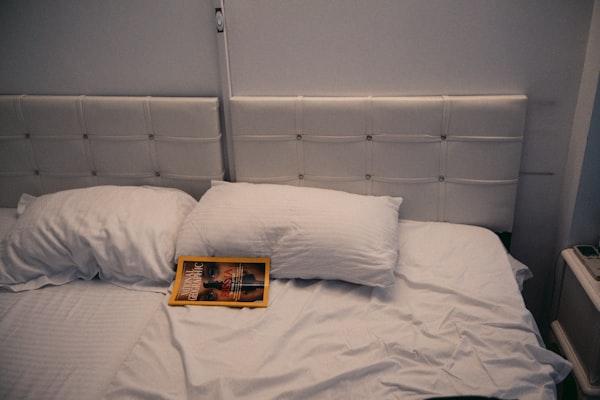
Across Australian falls-prevention programs, reducing risky night-time walks and providing stable, supported toileting options is a core strategy, particularly for older adults, people recovering from surgery, or anyone managing chronic balance or mobility challenges. For people managing nocturia (frequent night-time urination), balance issues, or post-operative restrictions, occupational therapists (OTs) routinely recommend bedside commodes as a practical interim or long-term safety aid. These devices shorten the distance to toileting so urgency does not force fast walking in the dark, and they combine well with motion-sensing lighting that maintains orientation without fully waking the household.
Reputable Australian options are available through Back to Sleep’s range of commode chairs, which can be positioned and adjusted to suit the user and room layout. Select adjustable-height models with stable frames and armrests, ensuring the seat height aligns with the user’s knee height for safer transfers.
Setup and Maintenance
- Place on even, non-slip flooring while maintaining 1,000mm clear paths
- Empty promptly after use, following manufacturer disinfecting guidance
- Inspect weekly for loose fasteners and replace seals as needed
Switches, Sockets, and Smart Controls
Well-placed switches and smart controls cut bending, reaching, and fumbling in the dark, which is how a share of night-time falls start.
Install switches within 900–1,100mm height and outlets at least 600mm above floor level to ensure easy reach. Add two-way switching at bedroom entries and near the bed for convenience.
Code-Aligned Heights
- Switches at 900–1,100mm; outlets at least 600mm above floor
- Controls at least 300mm from internal corners for visibility
- Fan and AC controls reachable from bed without twisting
Night-Time Automation
Use occupancy sensors for path lights and schedule dimming after 9pm. Integrate voice control for lamps and fans to avoid fumbling in darkness. Set up a single ‘goodnight’ scene that arms path lights automatically.
Funding and Support Pathways
Use funded assessments and modification schemes so bedroom accessibility does not depend entirely on your savings or family support.
Start with a general practitioner (GP) referral to an occupational therapist for assessment and functional goals, which supports funding applications. The National Disability Insurance Scheme (NDIS) funds home modifications that are reasonable and necessary, with minor modifications typically under $20,000.
Through My Aged Care’s Assistive Technology and Home Modifications scheme, eligible older Australians can access funding tiers up to $15,000 over 12 months for approved items. Use OT reports to scope works, obtain quotes, and ensure compliance with the National Construction Code.
Budget Recipes for Staged Upgrades
Stage your bedroom upgrades so each budget bracket buys specific, measurable improvements in safety, comfort, or independence.
Meaningful improvements are possible at any spend level when you start with safety and sleep quality.
Quick Refresh Under $500
- Dust-mite encasements and hot-wash routine
- Motion-sensing amber night lights and cable management
- Basic pelmet draft-stoppers and decluttered paths
Weekend Upgrade $500–$2,000
- Ceiling fan installation with blackout curtains
- Additional outlets at correct heights via licensed electrician
- Low-VOC repaint and wardrobe re-fit for mid-shelf access
Targeted Modification $2,000–$15,000
- Widen doorway or add pocket door with level thresholds
- Reinforce bathroom walls for future grab bars
- Interconnected smoke alarms and firm flooring surfaces
Putting This Blueprint to Work
Turn the blueprint into action by tackling basic measurements, quick fixes, and professional advice in a sequence you can sustain.
A bedroom designed for both comfort and accessibility supports better sleep tonight and safer ageing at home over the long term. Start with measurements and clearances, then layer lighting, thermal comfort, and allergy control progressively.
Measure doorways and control heights first, then declutter the 1,000mm path. Install path lighting and encasements before planning fan and blackout upgrades. Book an OT assessment if falls risk or transfers are concerns, and verify your state’s smoke alarm requirements. Revisit your setup each season as needs change.