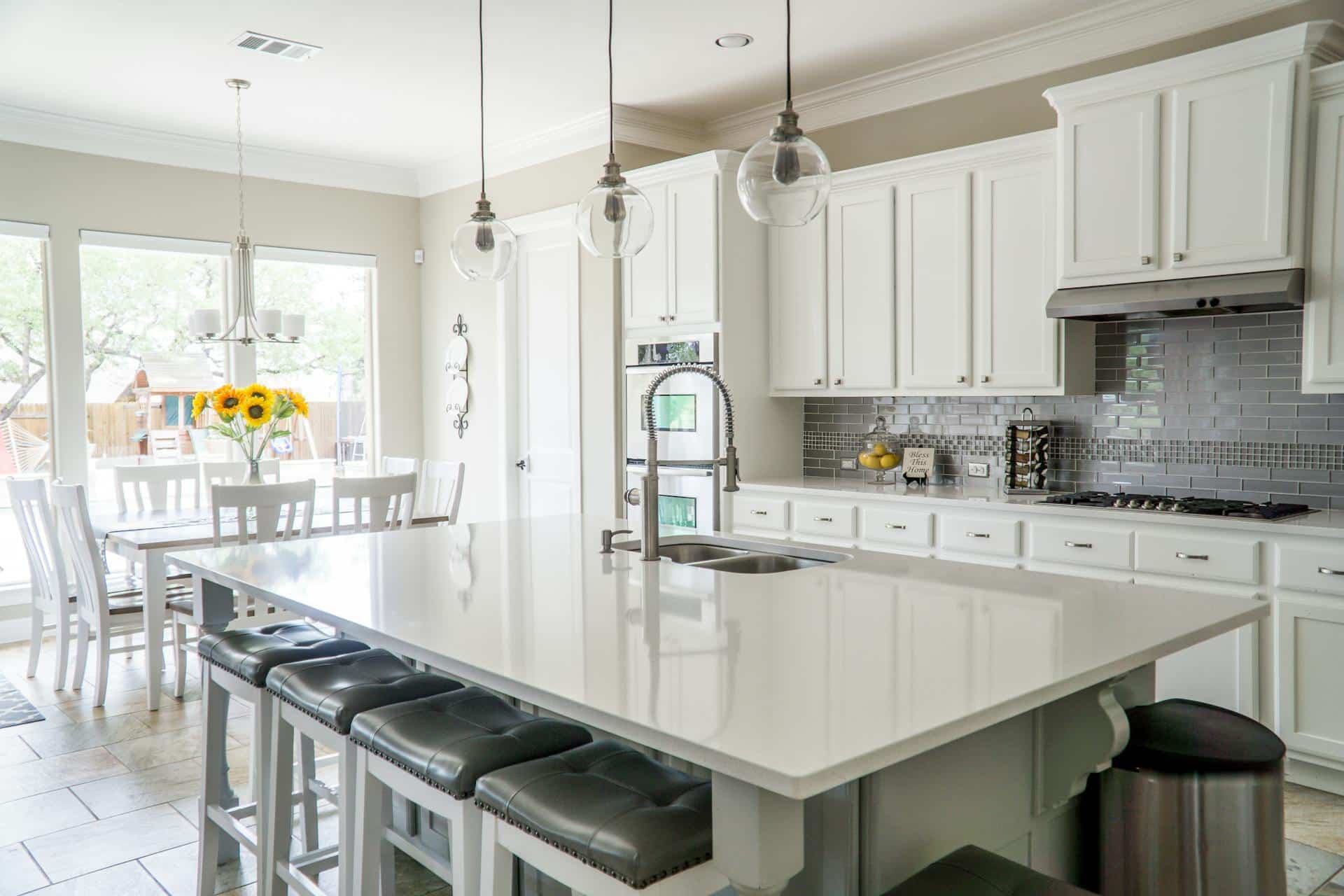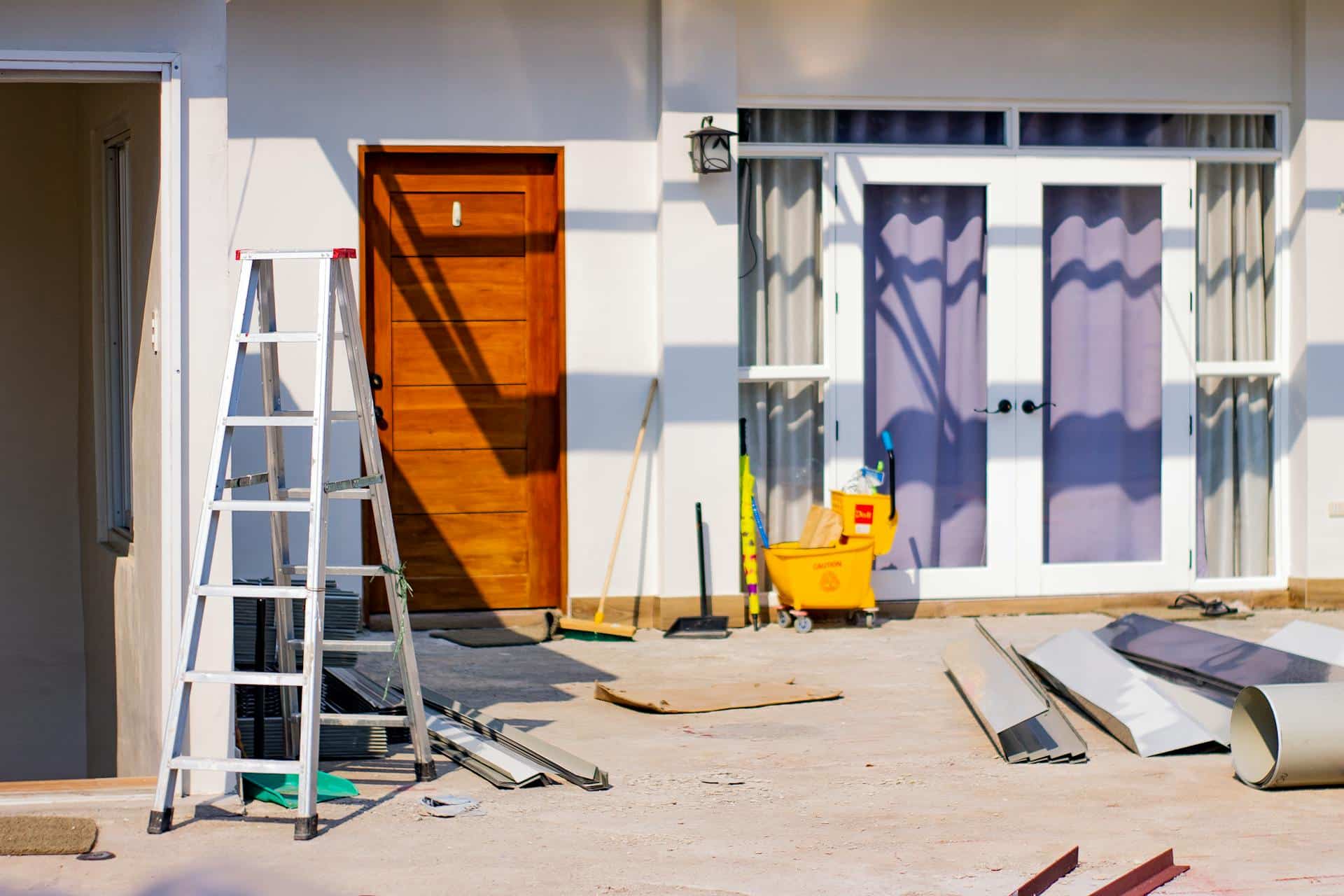

Ever look around your kitchen or bathroom and wonder how a space that used to feel fine now suddenly feels like a time capsule? Maybe it was the seventh cracked tile or the moment you realized your home still doesn’t have enough outlets for a modern life. In this blog, we will share what you need to know before starting a home remodel—before the demo dust flies and your wallet starts sweating.
The Myth of the Simple Upgrade
The phrase “simple home remodel” is about as honest as “quick trip to IKEA.” What starts with replacing a backsplash or upgrading cabinets often spirals into a full-scale renovation saga. Behind those clean Pinterest boards is a messy reality—permits, delays, unexpected rot behind the drywall, and the kind of budgeting sleight-of-hand that rivals election season promises.
Right now, remodels are riding a strange cultural wave. Mortgage rates are high, housing inventory is low, and many homeowners have decided to stay put and put their money into what they already own. According to the National Association of Home Builders, renovation spending hit record highs in the past two years, fueled in part by post-pandemic restlessness and a new focus on personal space. Open concepts are shrinking. Mudrooms are back. Remote work has turned spare rooms into battlegrounds between desk space and laundry hampers.
There’s nothing inherently wrong with diving into a remodel. But going in without a clear understanding of what’s involved is the fastest way to turn a $10,000 update into a $40,000 regret. The prep matters more than people admit—especially when it comes to plumbing, electrical layouts, and flow control.
One component often overlooked is how water gets monitored and managed. Especially in larger-scale remodels involving multiple bathrooms or kitchen overhauls, adding a water flow meter can help track usage and spot irregularities before they turn into expensive problems. You wouldn’t run a new HVAC system without a thermostat; tracking water should be no different. It’s not just about utility bills—it’s about understanding what your home needs, where it wastes, and how it responds to changes. A well-installed meter gives you data, and data gives you control. Renovation without it is like painting a house before fixing the leaks.
As tempting as it is to start tearing out cabinets the moment inspiration strikes, remodels that start with planning—not gut instinct—always land better. The early decisions, from hiring the right general contractor to confirming zoning limits, set the tone for everything that follows.
The Unseen Costs of Ambition
Renovation dreams have a way of expanding. One week it’s a new sink. The next, you’re sketching out plans for an expanded mudroom, a custom walk-in pantry, and recessed lighting that changes hue depending on your mood. Somewhere in between, the budget gets blurry.
Hidden costs aren’t some contractor conspiracy. They’re just buried under insulation and in the fine print of building codes. Moving plumbing even a few feet? That’s labor, time, and often permits. Changing load-bearing walls? Structural engineer. Want to match the existing floor? Hope it’s still manufactured. Many remodelers underestimate both material lead times and labor delays. Supply chains haven’t fully normalized, and even a simple tile delivery can stall a project by weeks.
Remodeling right now also means dealing with shifting regulations. Some states have tightened energy codes. Others have placed restrictions on gas appliance installations. If you haven’t checked local updates before you design your dream kitchen with a 48” gas range, you might be redesigning it twice.
And even when everything’s allowed, timelines are rarely what they seem. Contractors are juggling multiple jobs, and subcontractors can vanish mid-project for a better-paying site down the road. Building permits move at their own pace. When it rains, it leaks, and when it snows, nothing moves at all.
Setting realistic expectations doesn’t kill creativity. It protects it. Know where you’re flexible, where you’re not, and build in more time than you think you need. Panic-proofing your calendar is smarter than pretending your remodel exists in a vacuum where everything runs on schedule.
Function Beats Fantasy Every Time
It’s easy to get lost in aesthetics—tile samples, cabinet finishes, pendant lighting. But homes aren’t showrooms. They’re lived in. That means daily mess, noise, weather, groceries, kids, and work. A design that doesn’t account for real use breaks down fast.
An oversized kitchen island looks great until you realize it blocks your refrigerator from opening fully. Open shelves look sharp on Instagram, but collect dust and require a lifetime of matching dishes. Barn doors? Cool in theory, loud in practice, and zero soundproofing.
One trap many remodelers fall into is designing for resale instead of reality. If you’re not planning to sell soon, tailor the remodel to how you live, not how you think a future buyer might want to. Most buyers will change things anyway. Build the house that works for your habits, not the imaginary couple Zillow thinks might wander by in 2032.
Good remodeling isn’t about trends. It’s about solving problems with a long view. Smart storage. Durable materials. Thoughtful traffic flow. A remodel should reduce friction in your day-to-day life, not just give you something pretty to photograph.
The Real Return on Renovation
Remodels don’t pay off the way people expect. The ROI isn’t just in the resale value. It’s in how your house works for you afterward. Do you cook more now because your kitchen flows better? Does the new layout reduce arguments in the morning? Has your home shifted from something you tolerate to something you actively enjoy?
In that way, a remodel is less about transformation and more about alignment. It brings your physical space in line with your actual life. When done right, it feels less like a showcase and more like a tool—one that supports the way you live instead of fighting it.
But that only happens with clear eyes going in. Remodels don’t solve every problem. They shift the terms. And in a world where time is tight, costs are rising, and attention is always pulled in ten directions, that kind of intentional shift matters.
Renovating a home isn’t just about the walls. It’s about carving out a version of life that works better inside them. You don’t have to chase perfection. Just get the structure right. Everything else follows.