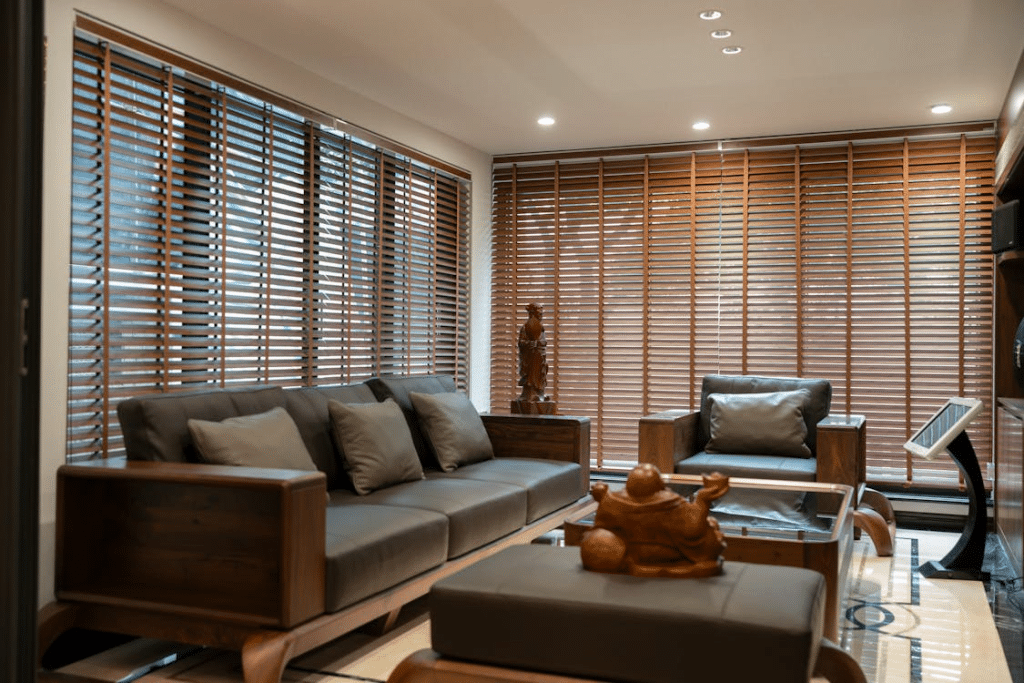
Most homes have one chair nobody picks, plus a table that always feels a little too small. You notice it during quick breakfasts, and you notice it even more when friends come over. The room looks fine, yet the furniture never lines up with how the day actually goes.
Made to order pieces can fix that quiet friction, and they do it without turning your space into a showroom. A shop like Parkman Woodworks builds wood and steel pieces around real measurements and real routines. Even one well planned piece can make the whole room feel calmer and easier.
Start With How You Use The Room
Rooms work best when furniture follows the way you already move through the day. The best clues show up in small habits, like where bags land or where mail piles up. Those spots often point to the one piece that would help most.
It also helps when the room’s jobs feel clear, instead of vague or aspirational. Eating, working, reading, and storing supplies are simple words, yet they keep choices grounded. When a piece supports those jobs, it tends to earn its place.
Measurements matter, but they do not have to turn into a spreadsheet. A quick walk around with a tape measure usually tells the truth fast. Door swings, window ledges, and outlet spots all affect where a larger piece can sit.
When a bigger purchase is on the table, a few spacing checks keep things comfortable. Painter’s tape on the floor can give a real sense of footprint and flow. It is a small step, yet it saves a lot of second guessing later.
- Main walkways usually feel best with about thirty six inches, while lighter paths can handle closer to twenty four.
- Dining chairs often need about eighteen inches from table edge to the seat front for easy sitting.
- Sofa to coffee table spacing often lands around twelve to eighteen inches, so legs still stretch comfortably.
After spacing, the next question is how hard the piece will work in daily life. A dining table takes heat, spills, and constant wiping, especially in busy weeks. A desk takes weight, elbow pressure, and the occasional frustrated tap during emails.
Materials And Construction That Hold Up
Wood has a personality, and it changes slightly as the seasons change. Humid air can make boards swell, and dry air can pull moisture out and shrink them. Purdue Extension explains why that movement happens, and why joinery and finishes should account for it.
That is also why construction details tend to matter more than any trendy silhouette. Tops and fasteners that allow seasonal movement help boards shift without splitting. When the build expects movement, drawers stay smoother and frames stay steadier.
Steel can be a great partner material when you want strength without bulk. A steel base keeps long spans from flexing, which can matter on desks and dining tables. It also keeps the wood visually warm while the structure stays slim.
Finishes deserve a little thought, because they shape how a piece behaves every week. Hardwax oils can be friendly when small scratches happen, since spot touch ups are simpler. Film finishes often resist stains better, so the choice depends on your household reality.
Storage pieces have their own test, because they get handled constantly and without much patience. Drawers should glide without drama, and doors should close cleanly without rubbing. A cabinet that stays square over time usually has solid joinery and steady hardware.
Blend One Anchor Piece With DIY Updates
A room often clicks when one anchor piece carries the weight, and everything else supports it. That anchor might be a dining table, a desk, or a bookcase that fits the room’s proportions. Once it is in place, the smaller pieces can relax into the story.
This is where thrift finds and DIY work can feel fun instead of stressful. A secondhand chair can look intentional when its finish relates to the anchor piece. Even a simple paint refresh can bring an older item back into daily rotation.
The easiest way to keep the mix consistent is repeating one detail on purpose. Wood tone, sheen level, and hardware finish are all simple details that read as “together” to the eye. A farmhouse dining room table and chairs makeover shows how a steady finish choice can unify mismatched pieces.
Aging and distressing can also help older pieces sit next to newer work, as long as it stays subtle. Wear looks better when it shows up where hands would actually touch, like edges and pulls. These tips for aging and distressing furniture can help the result feel natural instead of busy.
Paint choices get easier when they come from what is already in the room. A rug color, a throw pillow, or the undertone of your floor can guide a calm palette. Then the room keeps its cohesion, even when one piece is a bit bold.
Placement Details That Make Furniture Feel Right
Even a well made piece can feel off if it lands in the wrong spot. A room tends to settle when the biggest piece sets the layout and the smaller pieces follow. That is when the space starts feeling usable, not just styled.
Light changes everything, especially with wood tones and painted finishes. A sample can look warm at noon, yet read dull at night under softer bulbs. That is why a piece often feels better when its finish looks good in both moods.
It is also worth thinking about surfaces you touch often, especially for storage pieces indoors. Composite wood products sold in the U.S. are covered by formaldehyde emission rules under TSCA Title VI, and compliant goods are typically labeled. It is not about worry, it is about reading labels with a clear head.
After the furniture lands, the room usually benefits from a quiet comfort check. A chair should slide out without bumping, and a drawer should open without catching. Small tweaks, like shifting a table a couple inches, can change the whole feel.
A home feels more put together when one anchor piece fits your routine, and the rest supports it with intention. Materials that age well, finishes that match real life, and spacing that respects movement all matter. When those basics line up, the room feels easier to live in every day.