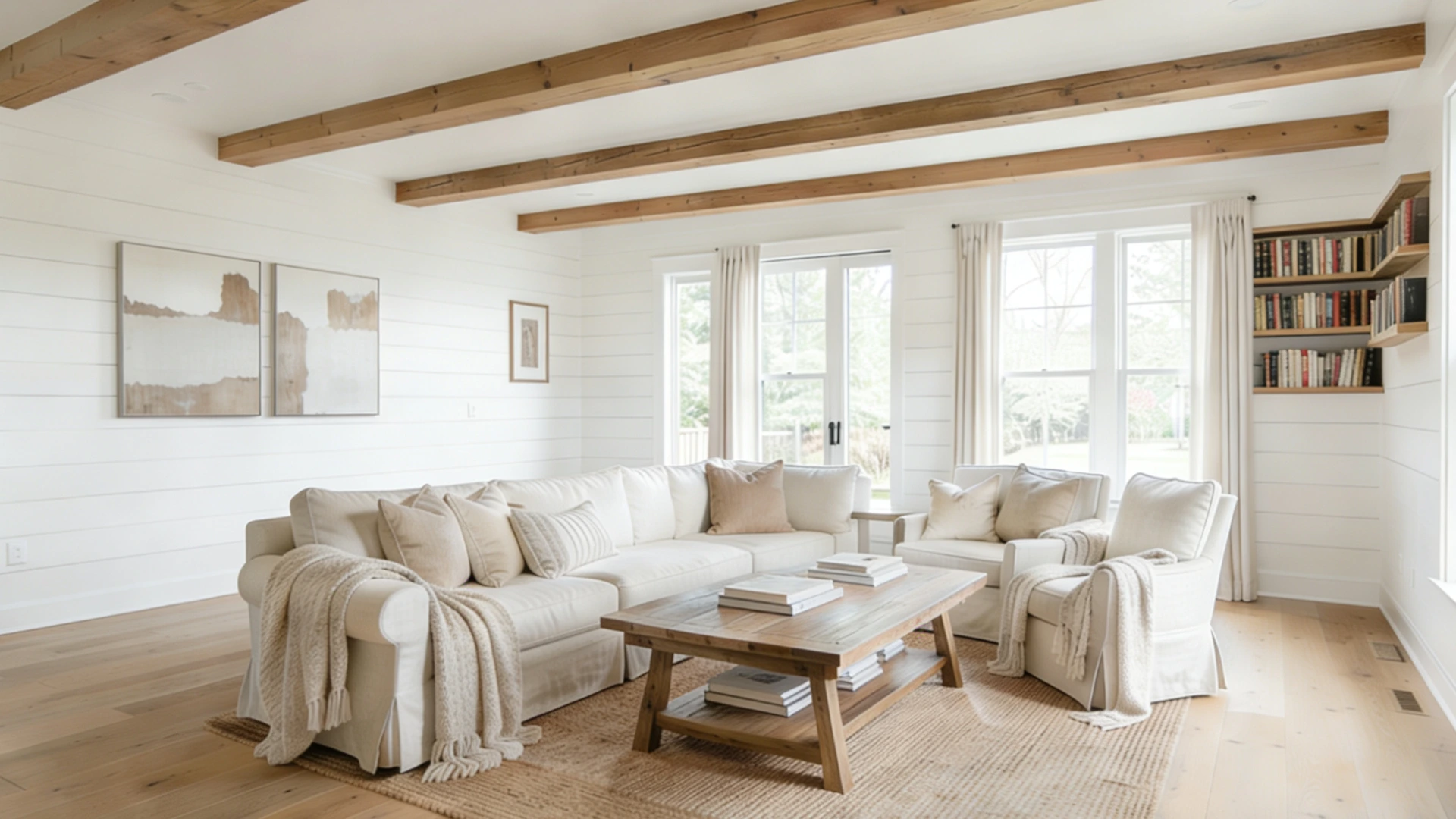
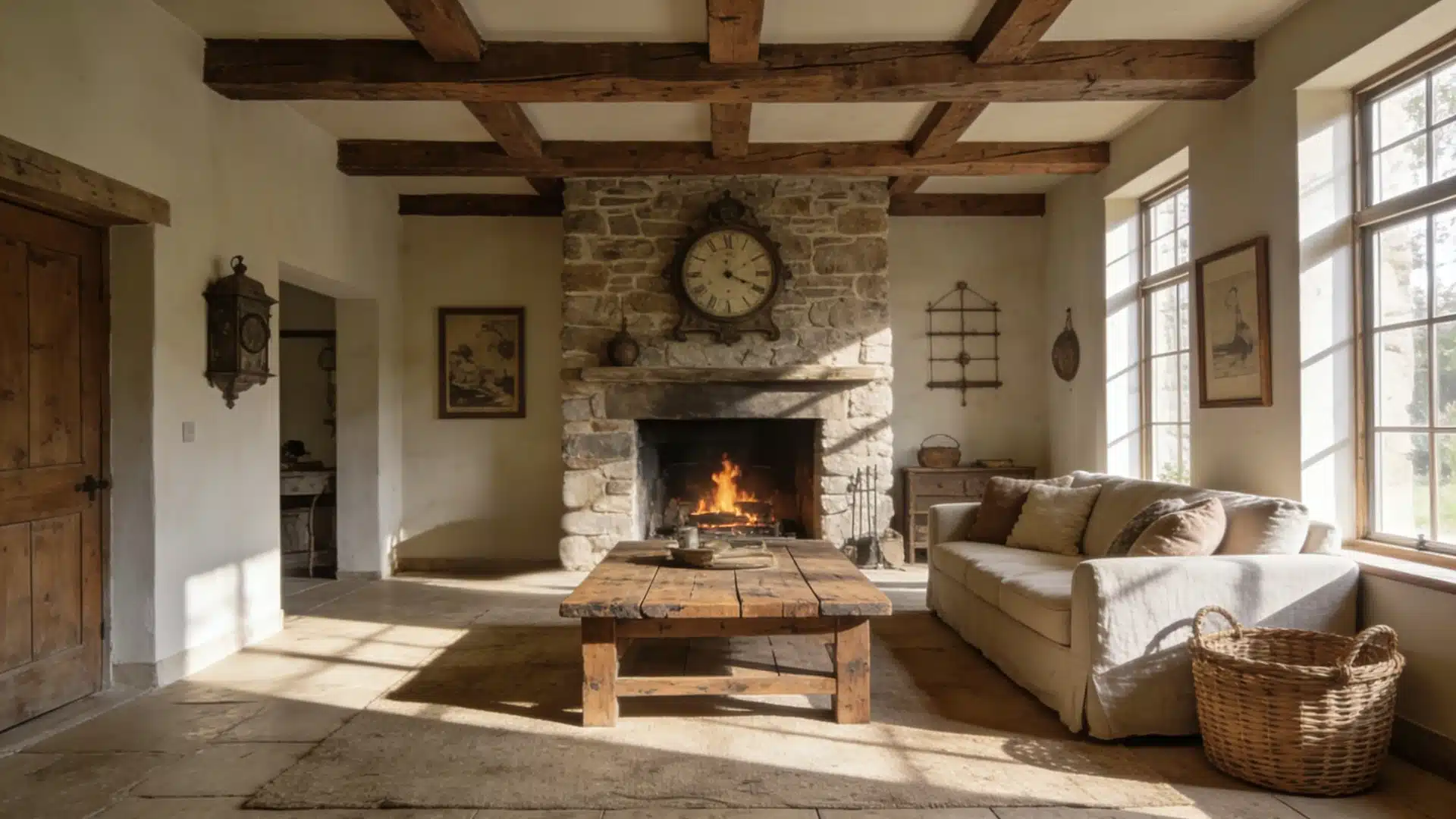
If you’re planning a future remodel, the most common mistake you can make is thinking about your windows last. Windows aren’t just a building component to be swapped out; they are the single most powerful tool for enhancing your home’s interior design. By thinking strategically now, you can transform a simple replacement into a high-impact design upgrade.
This guide will help you move beyond the simple 1-to-1 swap and use your future window replacement to fundamentally improve the way your home looks and feels inside.
The Replacement Trap: Why a 1-to-1 Swap Is a Wasted Opportunity
The biggest mistake in window replacement is falling into the “Replacement Trap”—the default mindset of simply ordering a new window of the same size and style as the old one. This is a massive wasted opportunity.
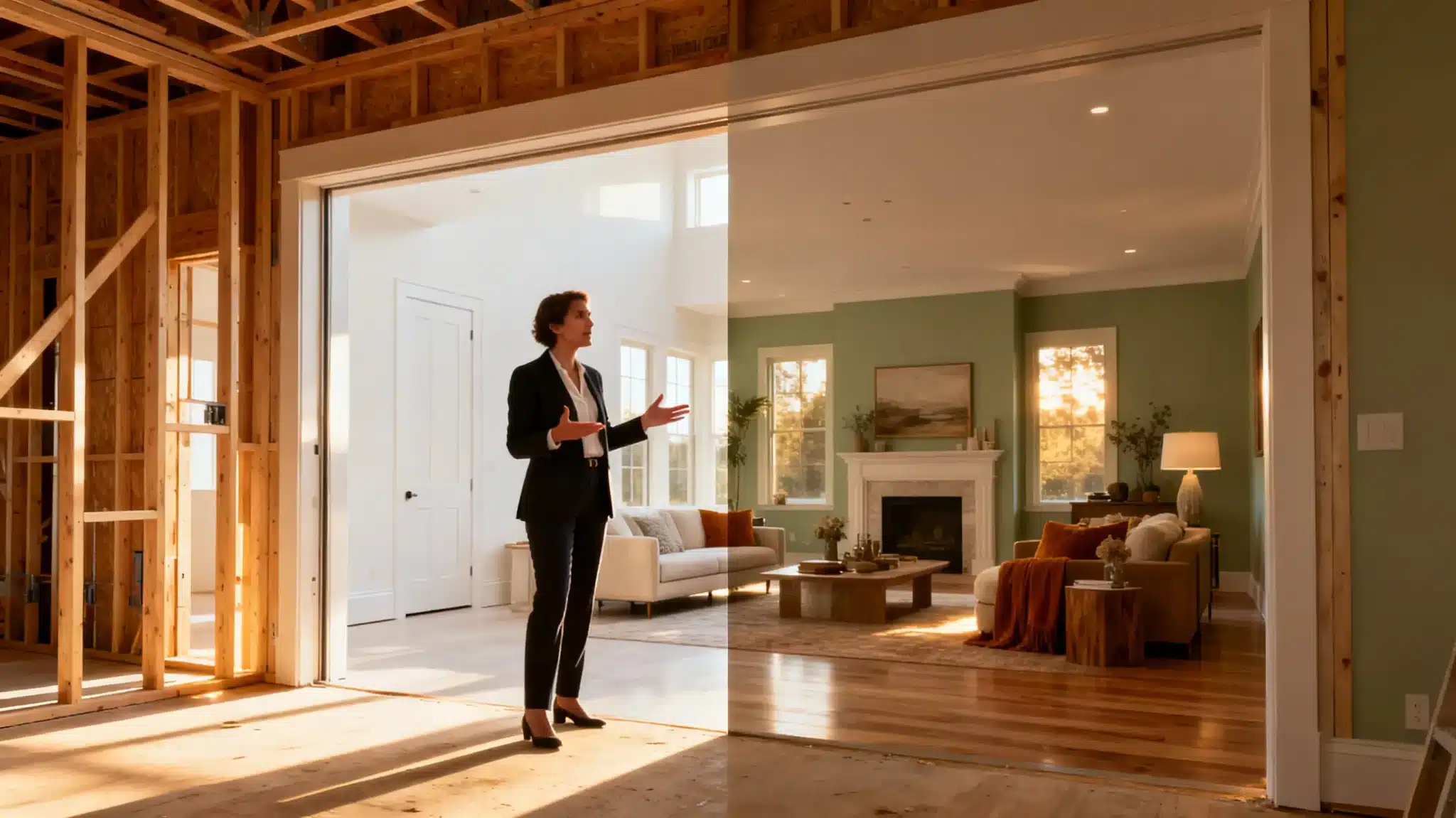
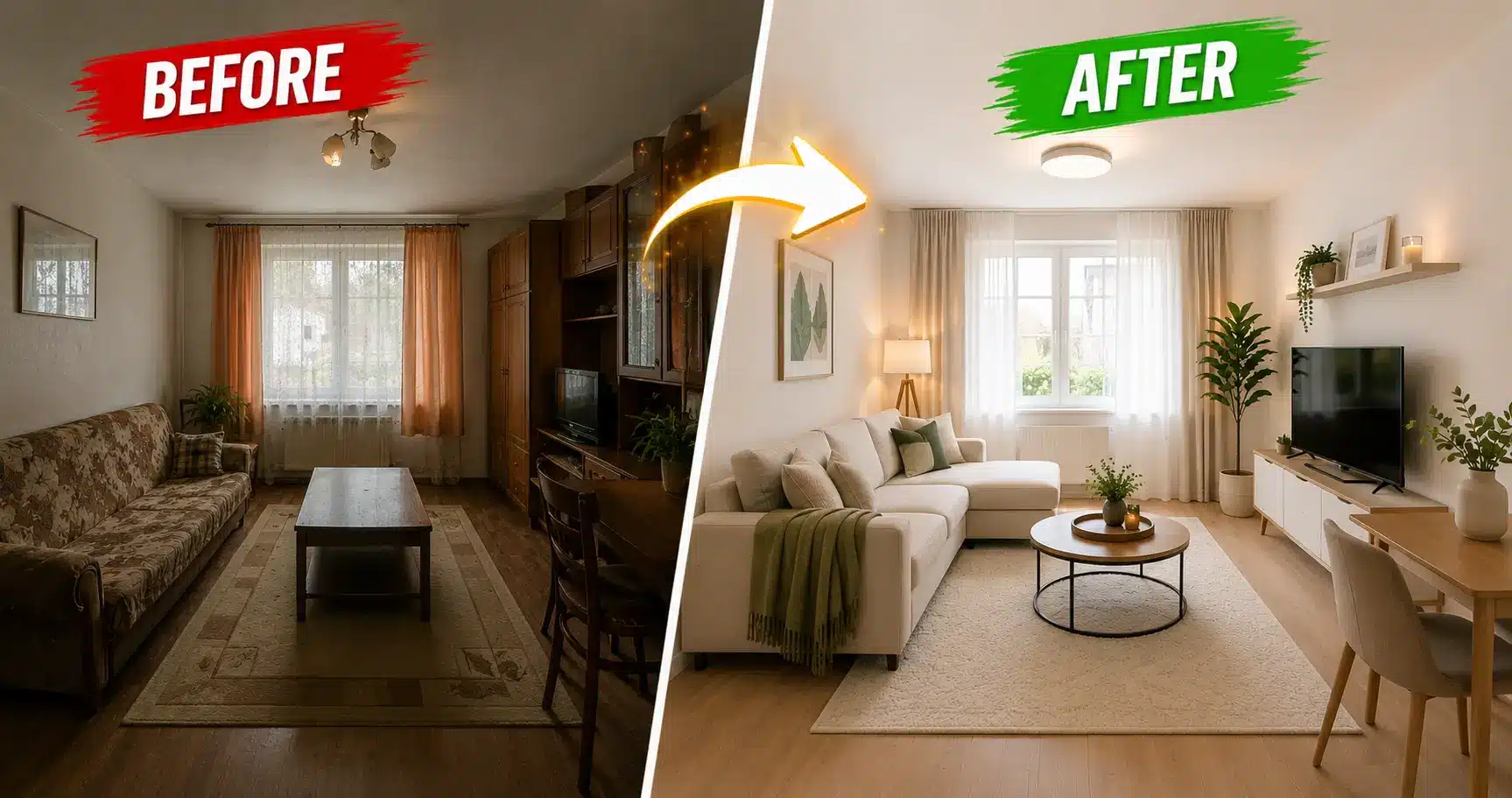
Changing a window is a rare chance to fix a room’s underlying design flaws. Is a room too dark? Does the furniture layout feel awkward? Does the space lack a focal point? The right window strategy can solve these problems, but only if you think like a designer, not just a repairman. Insight from our internal project dataset shows that projects that include even minor changes to window size or placement see a significantly higher homeowner satisfaction rate with the final room design.
The Hierarchy of Impact: A Simple Framework for Window Decisions
Making design choices can be overwhelming. To simplify it, use the “Hierarchy of Impact”—a framework to prioritize your decisions based on which ones have the biggest effect on your interior.
1. Size & Placement (The Foundation): This is the most critical decision and offers the greatest design return.
- To Make a Room Feel Bigger: Go larger. Replacing a standard 3×5 window with a 6×5 picture window can do more for a room’s sense of space than any other change.
- To Create a Focal Point: Center a large window on the most prominent wall.
- To Improve Flow: Change the placement. Moving a window even a few feet can free up valuable wall space for art or furniture.
2. Style & Function (The Lifestyle Choice): This defines how you interact with the room.
- Casement Windows: Perfect for kitchens and bathrooms where you need to reach over a counter to open them. The crank mechanism is practical and provides excellent ventilation.
- Picture Windows: Best for living rooms or dining rooms where the view is the star and airflow is less critical.
- Double-Hung Windows: A classic, versatile choice that suits most traditional homes and allows for easy cleaning.
3. Frame Material & Color (The Aesthetic Choice): This sets the mood.
- Black Frames: Create a modern, high-contrast “picture frame” effect that makes the view pop.
- Wood Frames: Offer timeless warmth and can be painted or stained to match your exact interior trim.
- Vinyl Frames: A practical, low-maintenance choice that offers a clean, neutral look suitable for most styles.
4. Hardware & Grilles (The Finishing Touches): These small details complete the look. A modern brass lock can complement your light fixtures, while traditional grilles can add character to a plain window.
Feeling overwhelmed by the options? That’s the point where planning pays off. Focusing on just the top of the hierarchy—Size and Placement—will deliver 80% of the design impact. A professional can help you explore the possibilities and understand the return on that investment.
Room-by-Room Strategy: Matching the Window to the Mission
- For the Living Room (Maximize View & Light): This is the place for a “hero” window. Prioritize size and a minimal frame with a large picture window or a wall of glass to create an open, airy feel and connect the space to the outdoors.
- For the Kitchen (Prioritize Function & Ventilation): Strategy is key where space is tight. A casement or awning window above the sink allows for easy-to-reach ventilation without interfering with the faucet.
- For the Bedroom (Balance Light & Privacy): You want soft morning light, but not the prying eyes of neighbors. Consider placing windows higher on the wall (transom windows) or using a series of narrower vertical windows to let in light while preserving a sense of sanctuary.
Why Mr. Remodel? Putting Data into Action
The insights in this article come directly from our deep experience nationwide. We believe homeowners deserve transparent, data-driven advice before making a major investment. That is the core of our process.
What MrRemodel.com Does
- We connect you with real, local remodeling contractors who want your project.
- You tell us what you need. We send it to licensed and insured pros in your area.
- Those contractors give you real price estimates, not ads or ballpark numbers.
- You choose who to talk to. There is no obligation to hire anyone.
What MrRemodel.com Is Not
- We are not a contractor and we do not do the work ourselves.
- We are not a handyman service or for small repair jobs.
- We are not a spam site that sends your info to 20 companies.
- We are not the cheapest at all costs option. Quality matters.
Why Homeowners Use MrRemodel.com
- Save time. No calling around.
- Talk only to contractors who actually want your job.
- Compare real options before deciding.
- Free to use. No pressure.
Ready to start your project with a team that values data and transparency? Apply through MrRemodel.com today for a free, no-obligation quote.