Home / How to Choose the Perfect Paint Color for Your Home

How to Choose the Perfect Paint Color for Your Home

How to Choose the Perfect Paint Color for Your Home

Choosing the perfect paint color for your home is one of those decisions that seems simple until you’re standing in the paint aisle, overwhelmed by hundreds of nearly identical shades of white. The color you choose will set the mood for your entire space, affect how light moves through your rooms, and either complement or clash with your furniture and décor. Get it right, and your home feels cohesive and welcoming. Get it wrong, and you’re stuck living with a color you tolerate rather than love, or facing the time and expense of repainting.

The good news is that with the right approach, you can confidently select paint colors that transform your space exactly the way you envision. Here’s how to navigate the process from start to finish.

Start With What You Already Have

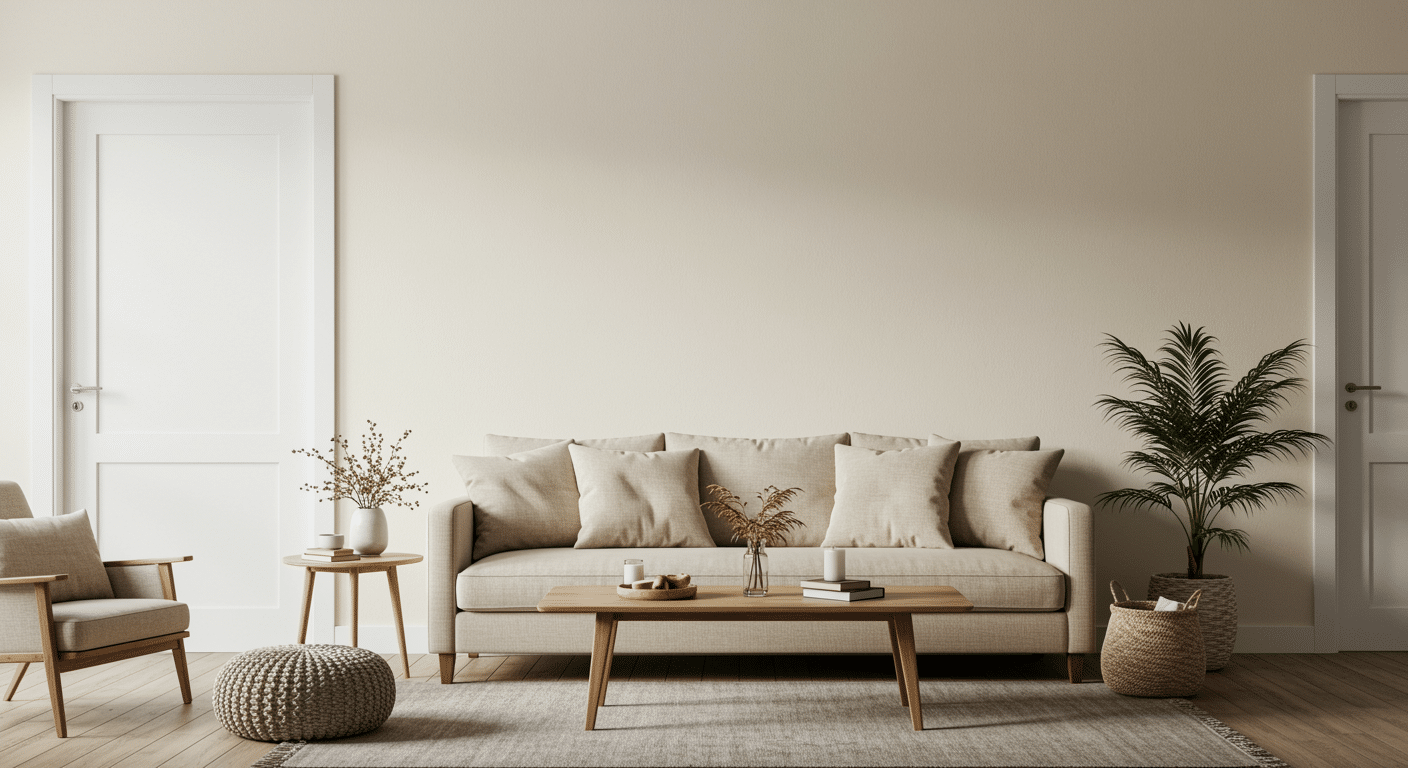
Before you even think about interior paint color ideas, take stock of the elements in your room that aren’t changing. Your flooring, furniture, artwork, and textiles all have undertones that will interact with whatever paint color you choose. A beige sofa might have warm peachy undertones or cool gray ones, and these subtle differences matter enormously when selecting wall colors.

Gather items from the room, such as a throw pillow, a rug sample, or a photo of your countertops, and keep them with you as you explore color options and paint samples. The paint color you love in isolation might look completely different when placed next to your existing décor.

Consider Your Home’s Lighting

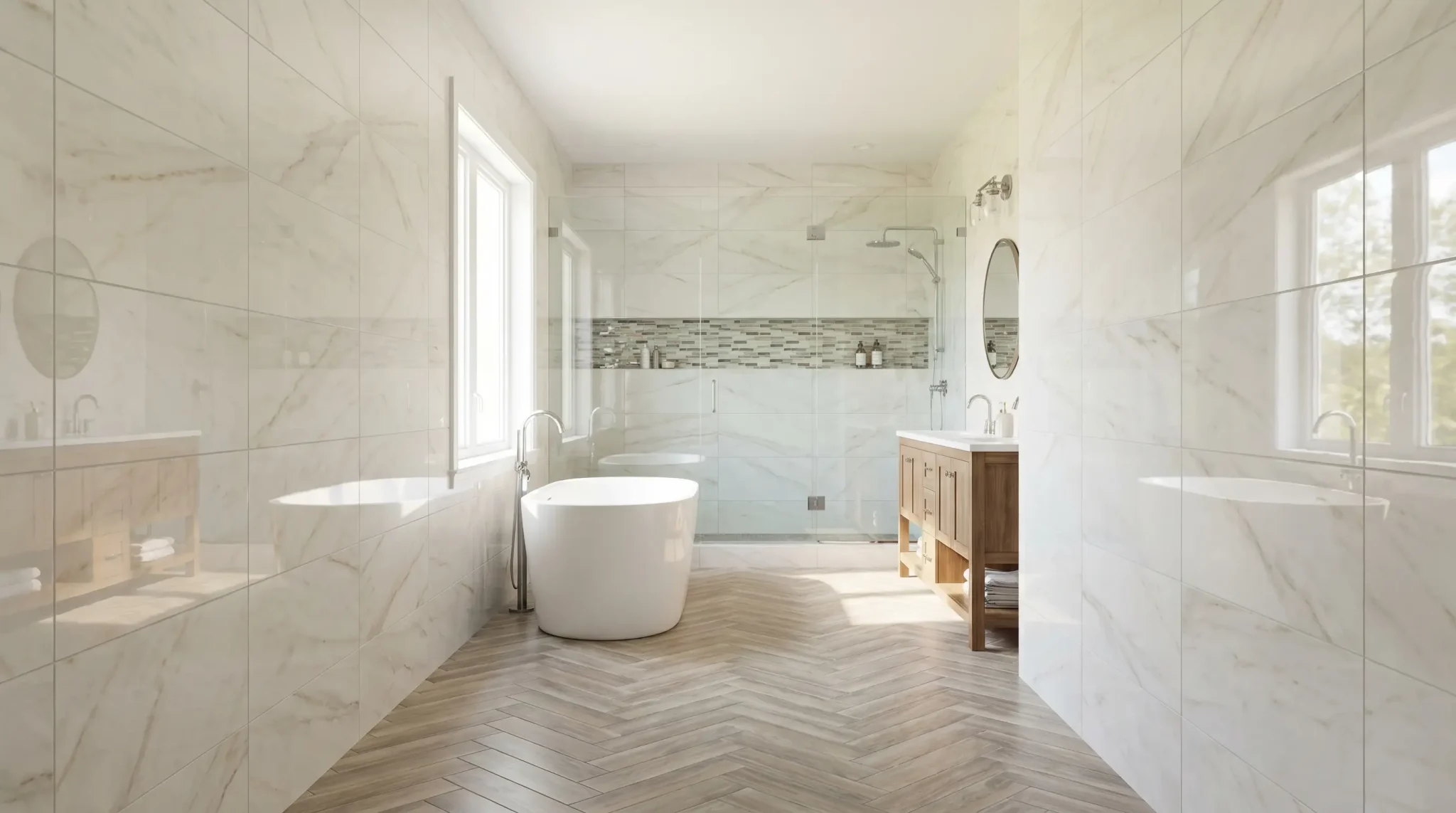
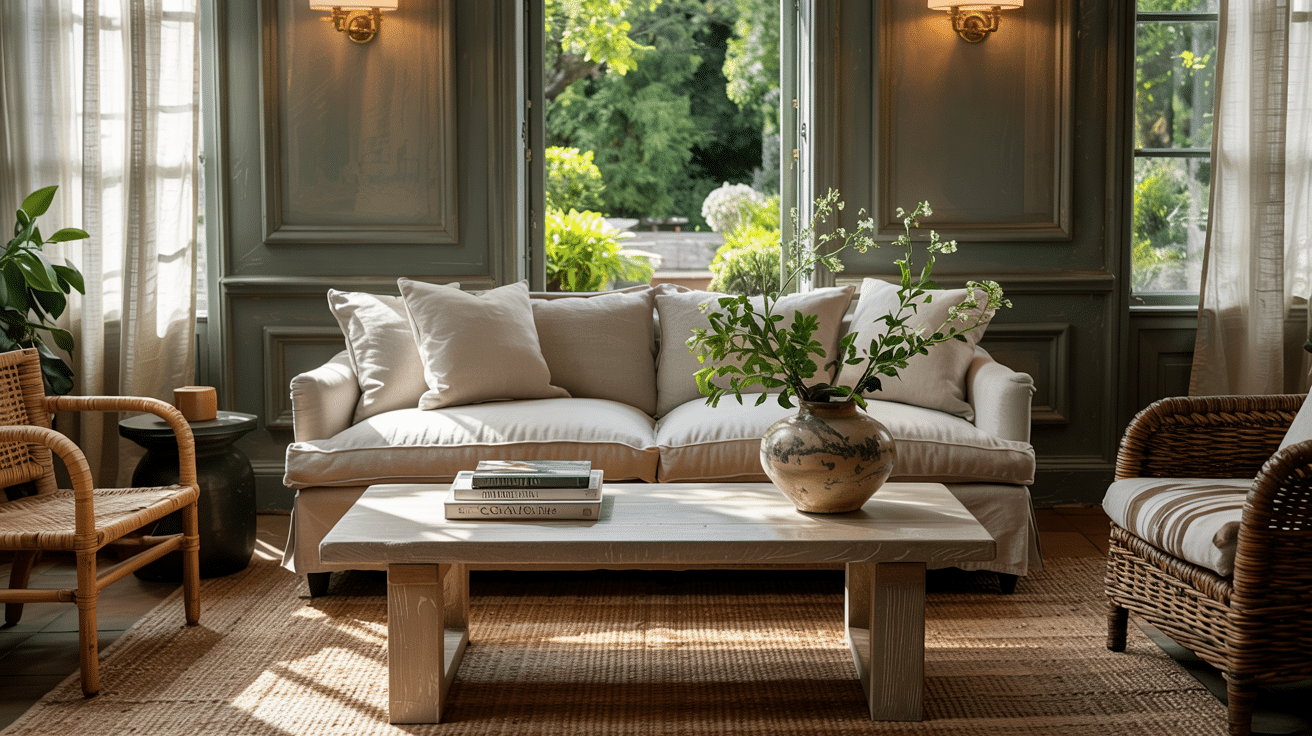
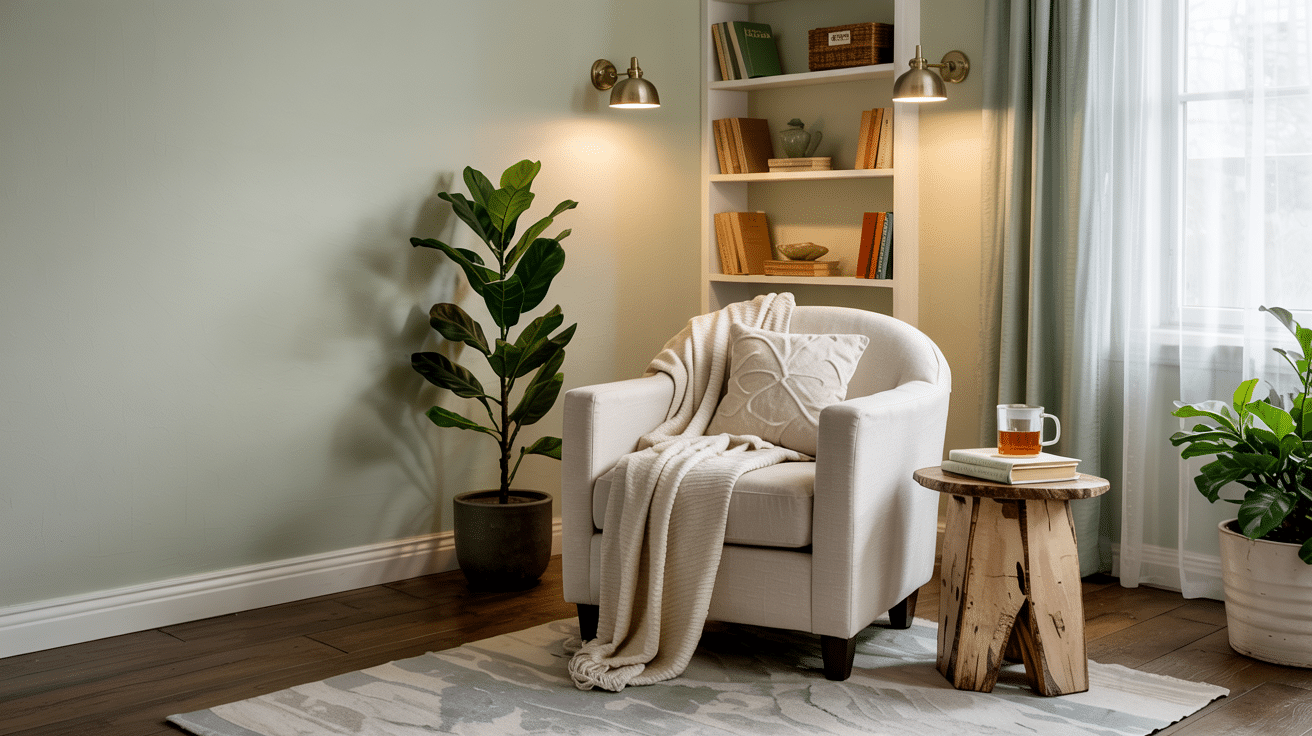
Natural light is perhaps the most important factor in how a paint color will actually appear on your walls, yet it’s often overlooked. A color that looks perfect in a south-facing room flooded with warm afternoon light might feel cold and uninviting in a north-facing space with cooler, indirect light.

Pay attention to how light moves through your room throughout the day. Does morning light stream through east-facing windows? Does the room get harsh afternoon sun, or is it bathed in soft, diffused light? Take note of these patterns, as they’ll dramatically affect how your paint color appears at different times.

Artificial lighting matters too. LED bulbs, incandescent bulbs, and fluorescent lights all cast different color temperatures. Consider when you’ll use the room most and what kind of lighting you’ll rely on.

Narrow Down Your Options Strategically

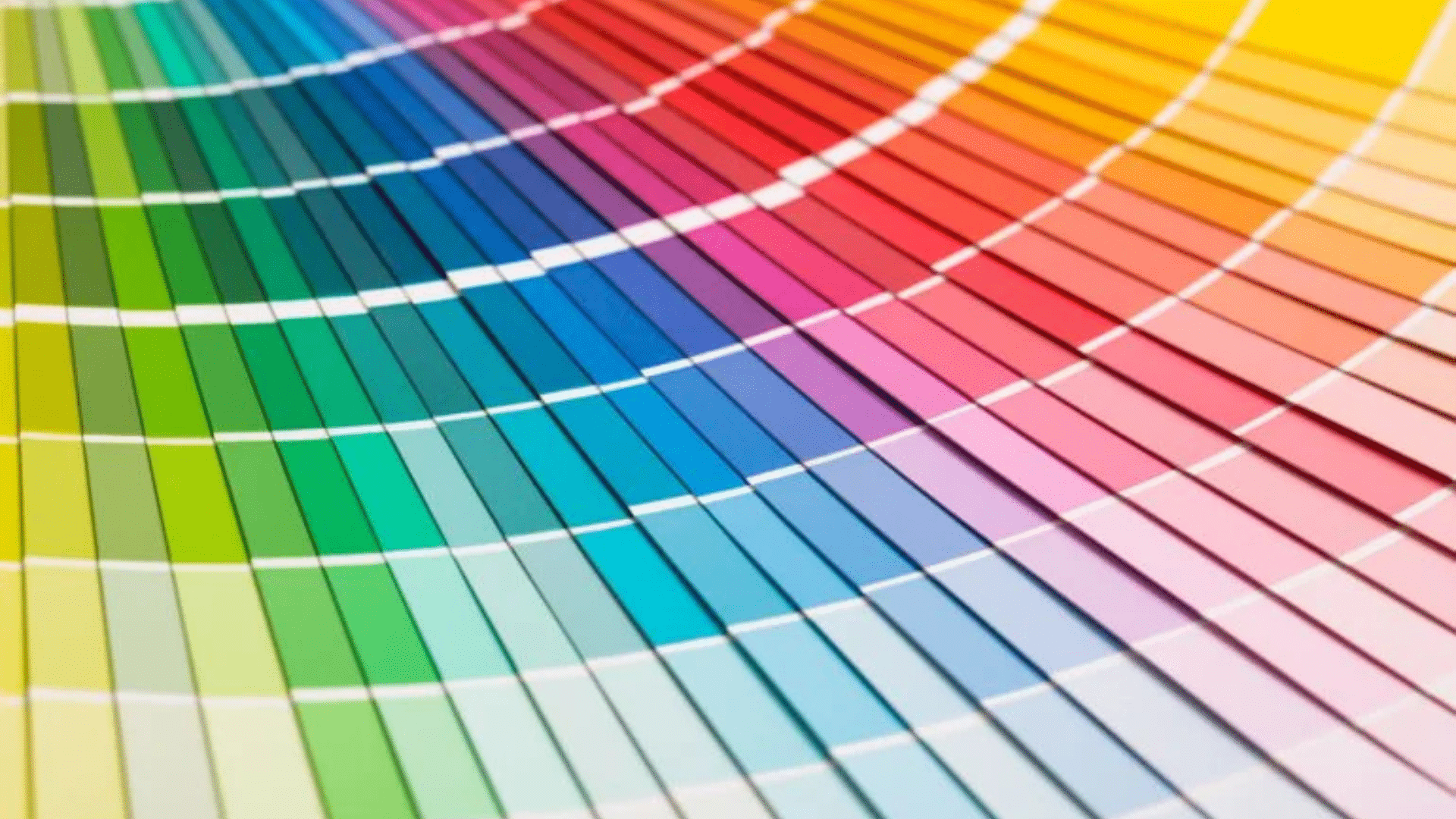
The sheer number of paint colors available can be overwhelming. Most major paint brands offer thousands of options, and staring at tiny paint chips under fluorescent store lighting won’t give you an accurate sense of how these colors will look in your home.

Start broad by identifying the general color family and tone you’re drawn to. Are you envisioning something warm or cool? Light and airy or deep and cozy? Once you’ve narrowed your focus to a specific range, you can begin comparing similar shades more carefully.
This is where many people make a critical mistake: they rely solely on those small paint chips. These tiny samples simply can’t give you an accurate representation of how a color will feel when it’s covering entire walls in your specific lighting conditions.

Test Colors in Your Actual Space

consider your home lighting

This step is non-negotiable. You absolutely must test paint colors on your actual walls before committing to gallons of paint. Even experienced designers often find that colors appear very different in the real environment than they expected.

Traditionally, this meant buying multiple sample pots of paint, rolling them onto large sections of your wall, and living with them for several days. While this works, it’s messy, time-consuming, and can get expensive if you’re testing multiple colors across different rooms.

A more convenient modern approach is to use peel-and-stick paint samples, such as those from Samplize, which allow you to test real paint colors without the commitment or mess of traditional sampling. These large-format samples let you see exactly how the color will look on your walls and can be easily moved around the room to test different lighting conditions throughout the day.

Whichever testing method you choose, ensure you’re using samples at least 12×12 inches. Anything smaller won’t give you an accurate sense of how the color will feel at scale. If you want to select the best paint colors for your home, you need a clear idea of how they will look in your home, specifically.

Live With Your Samples

Here’s where patience pays off. Don’t make a decision based on your first impression of a color sample. Instead, observe how it looks in morning light, afternoon light, and evening light. See how it feels on a cloudy day versus a sunny one. Notice whether it makes the room feel larger or smaller, calmer or more energetic.

Place your color samples on different walls in the room, as the same color can appear surprisingly different depending on the wall and how light hits it. A color might look perfect on the wall opposite your window, but feel off when applied to the wall that gets direct sunlight.

If you’re choosing colors for multiple rooms, test how they flow together by placing samples near doorways and in sightlines between spaces. Your home should feel cohesive, with colors that complement each other even if they’re not identical.

Trust Your Instincts (But Verify)

After living with your samples for several days, you’ll likely have a strong sense of which color feels right. Trust that instinct, but take one final step: imagine living with this color for the next five to ten years. Does it still feel right? Paint colors are an investment of both time and money, so it’s worth being certain.

If you’re stuck between two very similar shades, consider the room’s function and color psychology. Spaces meant for relaxation, like bedrooms, often benefit from softer, more muted tones. Active spaces like kitchens and dining rooms can handle more saturated colors. Think about the mood you want to create and let that guide your final decision.


Don’t Forget About Finish

Once you’ve selected your color, you’ll need to choose a finish: flat, eggshell, satin, semi-gloss, or high-gloss. This decision affects both the appearance and practicality of your paint.

Flat finishes hide imperfections well and create a sophisticated, velvety appearance, but they’re harder to clean. High-gloss finishes are highly durable and easy to wipe down, but they highlight every flaw in your wall surface. For most interior walls, eggshell or satin strikes the right balance of durability and appearance.

The Payoff

Choosing the perfect paint color requires more patience than most people expect, but the result is worth every bit of effort. When you take the time to test properly, consider your lighting, and trust the process, you end up with a color that makes you happy every time you walk into the room, a color that enhances your home rather than just covering your walls.

The days of paint regret, where you convince yourself you’ll learn to love that too-green beige or that unexpectedly purple gray, are behind you. With the right approach to color selection, you can make confident choices that transform your house into a home that truly reflects your style.

FAQs

How many paint colors should I test before making a final decision?

Most people find success testing 2-4 colors in their space. Testing more than five options can make the decision harder, as too many similar options become difficult to differentiate. Start with your top contenders and narrow down from there.

How long should I live with paint samples before deciding?

Ideally, observe your samples for 3-5 days to assess how they look under different lighting conditions and at different times of day. Weekend testing works well since you’ll see the colors in both natural daylight and evening artificial light.

Should I paint samples on every wall in the room?

You don’t need to test on every wall, but do check how the color looks on at least two walls: one that receives direct light and one in shadow. If you’re using peel-and-stick samples, you can move the same sample from wall to wall throughout the day. This will show you the full range of how the color appears in different conditions within the same space.

What’s the biggest mistake people make when choosing paint colors?

Relying solely on small paint chips under store lighting. Colors look dramatically different at scale and in your home’s specific lighting conditions. Always test large samples in your actual space before committing to gallons of paint.

Leave a Reply

Your email address will not be published. Required fields are marked *