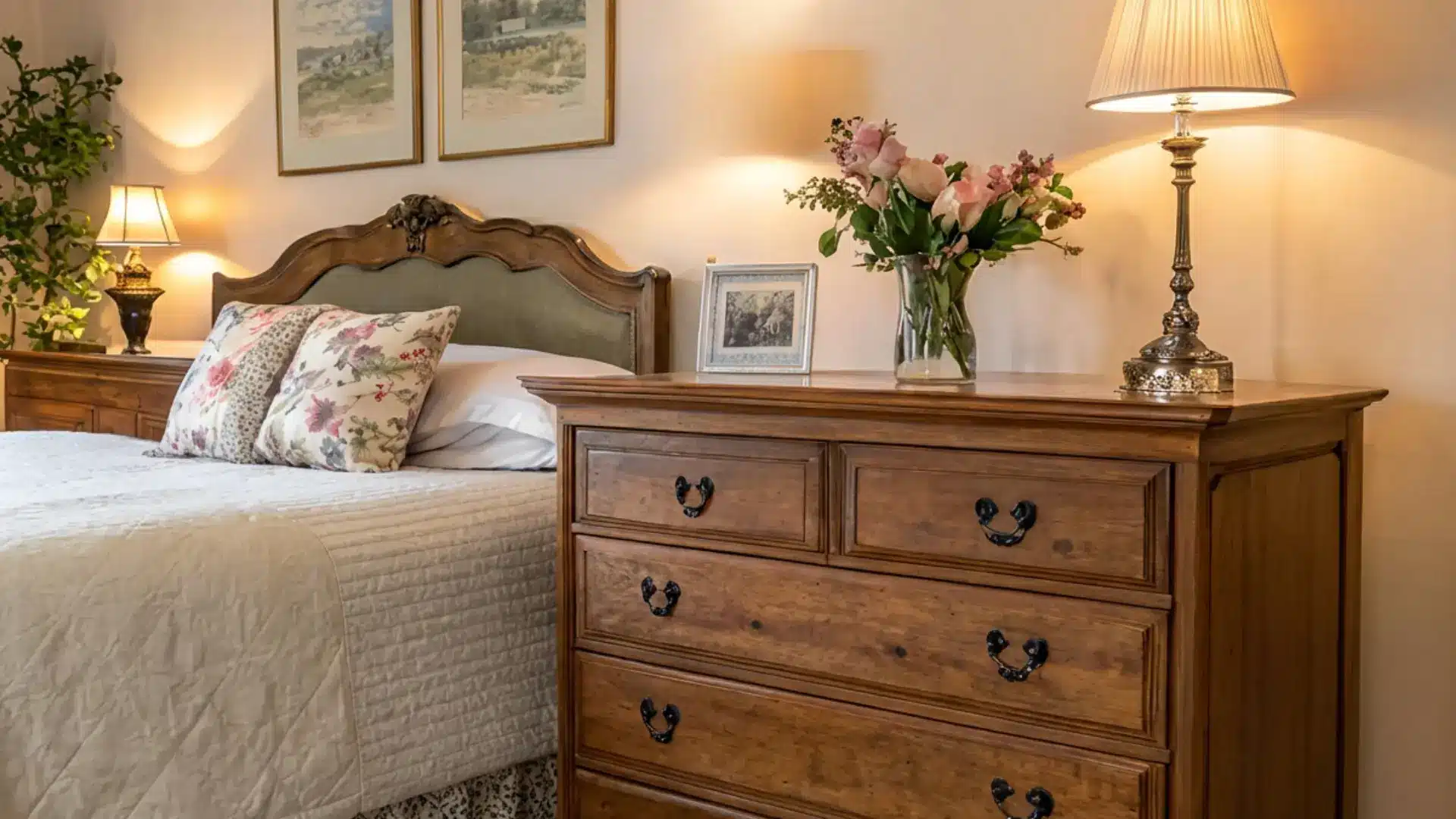
Mass-produced canvas prints don’t tell your story. They tell everyone’s story.
Walk into any HomeGoods, and you’ll see the same “Live Laugh Love” prints, the same beige botanical sketches, the same abstract blobs in safe colors. Interior design in 2026 is moving away from this. Homeowners are swapping generic wall decor for custom LED neon signs that work as both art and lighting.
These aren’t the buzzing glass tubes from old diners. Modern LED versions offer programmable colors, adjustable brightness, and personalized text. They turn blank walls into glowing focal points that actually reflect who you are.
The shift is measurable. Over 60% of consumers now want brands that offer customization options. People are tired of decor that could belong to anyone. This isn’t a passing trend; it’s a fundamental change toward spaces that feel intentional.
You’ll learn how a neon sign creates visual hierarchy differently from traditional art. Which rooms benefit most? How color and light influence mood. And how to integrate neon without turning your home into a Vegas casino.
Why Neon Signs Beat Generic Wall Art
Generic art is passive. You walk past a mass-produced beach sunset, and your eyes skim over it like elevator music. It fills space. It doesn’t shape it.
Neon signs demand attention through light. It participates in your environment.
Think about textured pieces, such as macramé or woven tapestries. They need ambient lighting to show dimension. When natural light fades or overhead fixtures are weak, those pieces flatten into shadows.
A neon sign operates independently. It maintains visibility and impact, whether it’s noon or midnight. Designers increasingly use neon to anchor dim corners, hallways, and spaces where traditional art disappears.
Dopamine decor takes this further. It creates spaces that actively contribute to wellbeing through color psychology and lighting strategy. Research shows that exposure to bright, warm hues boosts levels of feel-good neurotransmitters. Neon sign’s warm, customizable glow interacts with your space throughout the day. Static prints can’t do this.
Creating Focal Points That Control Visual Flow
Focal points determine where eyes land when someone enters a room. Designers use anchors, fireplaces, statement furniture, and bold art to guide attention.

Custom neon signs become instant focal points because light outranks static color. A three-foot neon sign quote above your sofa becomes the room’s visual hub regardless of what else competes for attention.
Gallery walls work differently. They distribute visual weight across multiple frames. You need careful spacing, sizing, and thematic coherence. Trial and error.
Neon eliminates that complexity: one well-placed sign consolidates impact. A single neon sign lyric on a blank wall often outperforms a fully styled gallery in both presence and memory.
Typography That Actually Feels Like You
Typography separates amateur installations from sophisticated ones.
Current trends favor handwritten fonts and natural cursive that add intimacy. Clean lines and geometric shapes offer timeless polish but can feel cold if they don’t match your personality.
Take “Good Vibes Only.” Block letters broadcast. Flowing script whispers. Handwritten fonts create a sense of psychological warmth because they mimic human touch; someone shaped those letters with intention.
Minimalist interiors with neutral palettes benefit from geometric typography that echoes the architecture. Eclectic spaces with layered textures can accommodate expressive cursive, adding another visual layer. The typography should feel like a natural extension of your voice, not a default selection.
Accent Walls: When to Replace Them vs. Enhance Them
Accent walls painted bold colors or finished with textured materials have been the budget-friendly way to add depth to neutral rooms. But they’re static once you commit.
Custom LED neon signs can replace accent walls entirely or layer onto them.
Replacing makes sense when you’re renting or want maximum flexibility. A large neon sign installation with your family surname delivers the color pop and visual weight of an accent wall. It mounts with simple hardware that leaves minimal trace when removed.
Enhance your accent wall when it feels incomplete. Dark tones like charcoal or forest green amplify neon glow through contrast. Text or shapes appear to float. Paint alone can’t achieve this dimension.
Room-by-Room: Where Neon Sign Works Best
Living rooms benefit from a neon sign placed above sofas or fireplaces, places where guests’ eyes naturally land—cheeky phrases set casual energy. Minimalist geometric shapes in soft pastels maintain a sense of refinement.
Bedrooms need dimmable neon. Full brightness supports getting ready; lower levels function as a soothing night light that doesn’t disrupt sleep. Couples often use a single dimmable neon sign to replace both reading lamps and decorative art. Nature-inspired shapes, such as botanical outlines, work well in wellness-focused bedrooms.
Home bars and entertainment spaces are where neon’s theatrical side shines. Custom bar neon signs with your surname or favorite drink reference create Instagram-worthy backdrops that double as task lighting. Gaming rooms follow similar logic, with neon sign avatars or team logos as ambient lighting for streaming backgrounds.
Hallways and entryways often get neglected. Narrow vertical or horizontal neon signs turn dead wall space into a glowing welcome without taking up floor space.
Integration Rules: Avoiding the “Too Much” Problem
Neon signs’ brightness is both a strength and a risk. Too many signs or overly bright installs shift a room from statement to sensory overload.
Reliable rule: one neon sign per sight line. From any given vantage point, limit visible neon to a single focal piece unless a second is clearly in a different zone.
Match brightness to the room function. Social, high-energy spaces like living rooms and bars tolerate higher output. Private areas such as bedrooms benefit from neon at roughly 30–50% brightness to preserve intimacy.
Pair neon with simpler backdrops, such as white, beige, or muted gray walls, to avoid visual competition. Dark accent walls are a deliberate exception when you want high-contrast glow.
Color, Mood, and Strategic Lighting
Color selection shapes how a room feels to inhabit, especially when combined with light.
Bright reds and yellows energize. Softer pastels and blues soothe. Neon intensifies these effects by generating color rather than merely reflecting it.
When your visual cortex processes intense color, it triggers emotional centers associated with energy and motivation. Neon sign lighting magnifies this response because its glow fills space rather than sitting passively on a surface. You can combine intentional typography with strategic color psychology to create a dual-trigger effect that transforms a room from neutral to nourishing in mood.
Programmable RGB options extend this further. Shift hues by activity: warm amber for dinner parties, cool blue for focused work, soft pink for movie nights. All from the same installation.
Programmable Color and Smart Integration
A static, single-color neon sign feels dated in 2026. The standard now involves RGB color-changing options and smart home compatibility.
Programmable signs let you cycle through preset scenes depending on the time of day or the use case. You get multiple visual experiences from one piece.
Smart integration connects the neon sign to voice assistants or automation routines. Motion sensors or schedules can turn signs on in the evening and off when you leave for work. This positions custom neon as architectural lighting, functional infrastructure that adapts to daily life rather than purely decorative. That strengthens its value versus generic art.
What Your Neon Sign Should Say
Personalization becomes meaningful when the content of your neon sign still matters to you when no one else is watching.
Popular options include names, meaningful dates, and quotes that ground you. But the most successful designs are anchored in your real stories. Consumers increasingly prefer custom art that reflects their interests and narratives, especially in home offices and creative spaces.
Instead of defaulting to clichés, consider phrases from books that changed your thinking. Lines repeated by family members. Even your own name in the place where you create. The content should feel inevitable, like it couldn’t belong on anyone else’s wall.
Cost Perspective: Investment vs Turnover
Custom neon signs typically range from the low hundreds for small bedroom pieces to several hundred dollars for large living-room installations, depending on size and complexity. That’s several times the cost of a generic canvas print.
But generic art carries a turnover cost. Tastes and trends change every few years.
A quality LED neon sign can deliver tens of thousands of hours of use. At a few hours per day, that translates into decades before service is needed. The upfront cost amortizes to a modest annual figure.
Energy efficiency improves the equation. LED neon draws just a fraction of the wattage of traditional accent lighting. The art and illumination functions are bundled into a single low-consumption fixture.
When Neon Isn’t the Right Choice
Not every space benefits from neon signs.
Minimalist interiors built around architectural purity and invisible lighting concepts can clash with the inherently object-like glow of neon signs.
Highly period-specific rooms aiming for historical fidelity, strict Victorian or mid-century purist designs may find neon’s contemporary character discordant unless the contrast is intentional.
Budget priorities matter too. If a room still lacks fundamental comfort or function (like a quality sofa or bed), allocating a large share of the spend to custom neon is premature. A neon sign works best as a finishing touch once core furniture and lighting are in place. Its impact feels like elevation rather than compensation.
Making Your Walls Intentional
The shift away from generic wall art is about reclaiming intention.
Walls surround you constantly. They should reflect who you actually are, not who a retailer thinks you should be.
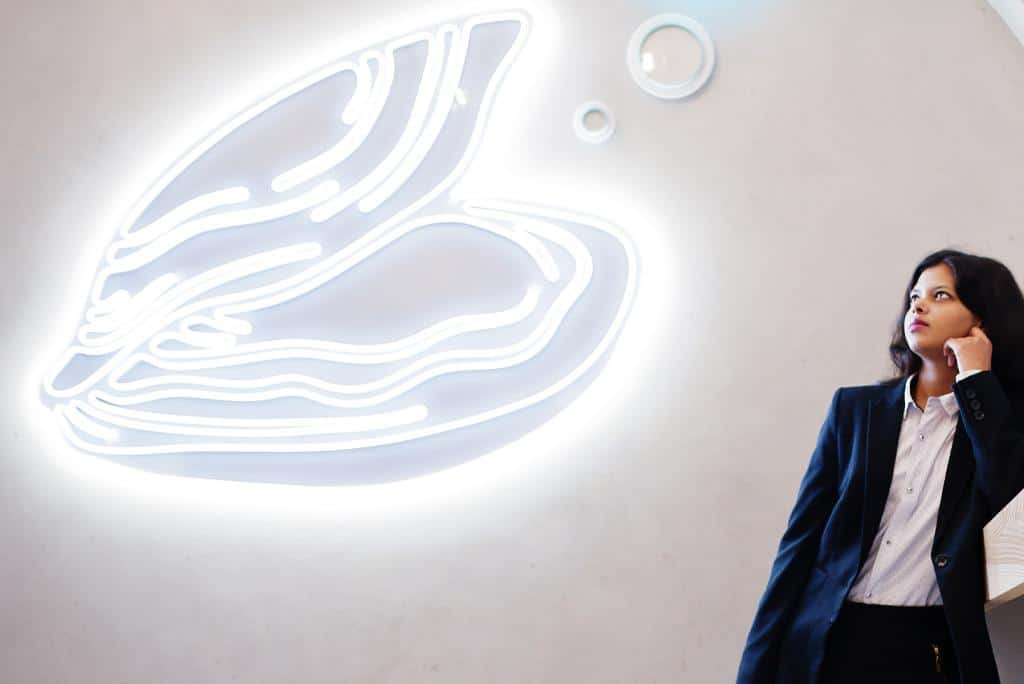
Custom neon signs occupy a sweet spot where personalization, mood enhancement, architectural lighting, and long-term value intersect. They outlast trend-driven prints that end up in storage.
Neon Designs custom signage offers solutions across price ranges to transform walls from passive surfaces into active expressions of identity, especially in home offices, bedrooms, and gathering spaces where ambiance and self-expression matter most.
Your walls don’t need another mass-produced motivational canvas. They need an intentional, flexible design that reflects how you live, whether that’s a glowing family name in your entryway, a dimmable constellation above your bed, or a programmable sign that shifts mood throughout the day.