Colors speak louder than words. The hue of a house or front door can change perceptions, drive opinions, and even inflate property value. While it might seem trivial, the power of color affects neighborhoods in ways that might surprise you. Ever wonder why some streets are more image-conscious than others?
No stone is left unturned by architects and real estate professionals in their quest to determine the ideal color scheme for any neighborhood. They know that the right hues can attract affluent residents who seek elegance and sophistication. Property developers invest in professional color consultants who consider the historical context, demographic expectations, and architectural features to develop palettes that will resonate with potential buyers.
Colors That Make or Break a Neighborhood
Not every color is a good neighbor. Bright pinks, intense purples, or neon greens might not only raise eyebrows but also bring down property values. Why? They can clash with the overall aesthetic of a neighborhood, making homes look outlandish or even tacky.
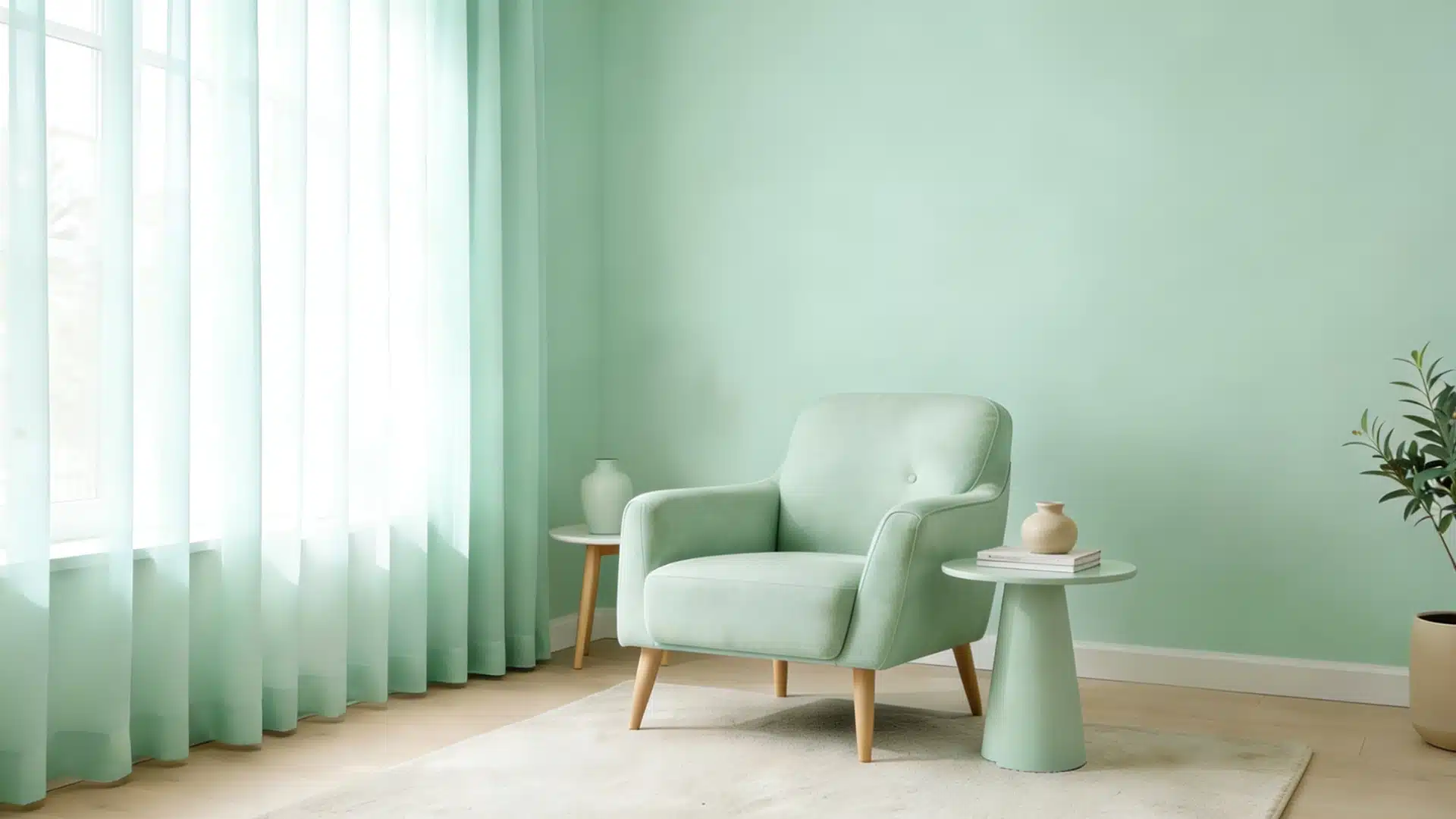
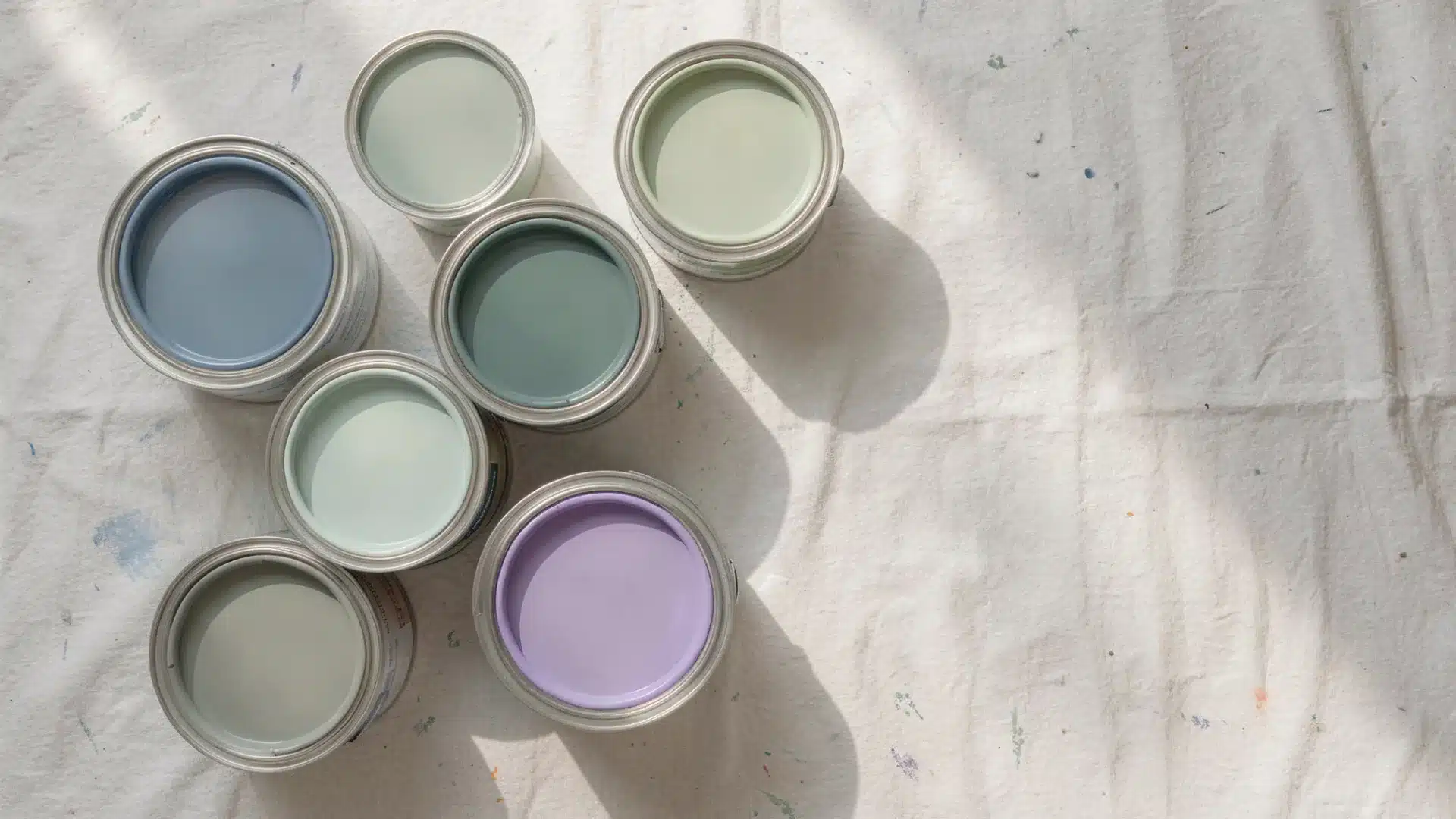
Alternatively, subtler shades like slate blue, muted greens, or classic whites lend a sense of elegance and harmony. They harmonize with surrounding buildings and speak to a more uniform aesthetic, which is favored by many potential buyers.
A bold, vibrant color may turn heads, but widespread consensus states that colors should complement rather than shout. Not only do quieter colors promote unity, but they also allow homeowners to add contrasting features or accents in gardens and trims, further personalizing without alienating potential buyers.
In the process of selecting the right color, homeowners in Arizona often consult with expert painting contractors, Crash of Rhinos, to ensure the chosen shades enhance not only their property’s value but also seamlessly integrate with the neighborhood’s collective appearance.
How Colors Influence Curb Appeal
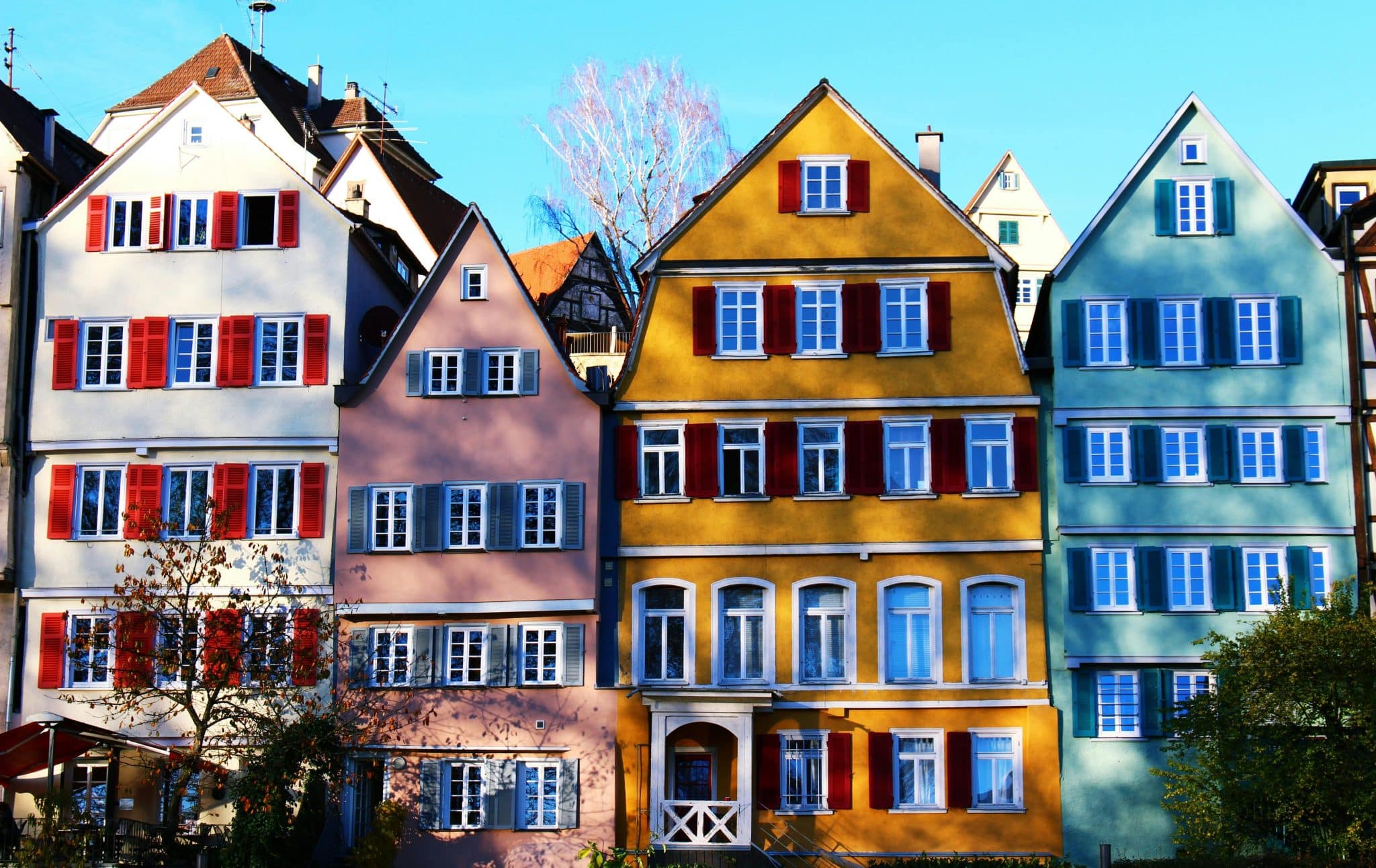
Curb appeal isn’t just about landscaping or the architectural style of a home. It’s heavily influenced by the color palette adorning it. Neutral palettes like grays, taupes, and soft yellows enhance the visual appeal without clashing with surrounding homes.
Houses that fit cohesively with their neighbors are perceived as attractive and well-maintained. This consistency subtly suggests a tight-knit and respected community, boosting perceived neighborhood value.
One interesting phenomenon lies in how these color choices influence the perception of architectural design. A well-chosen color palette can highlight design features, symbolizing confidence and care, inviting another layer of admiration for the property. Potential buyers aren’t just purchasing a home; they’re investing in a meticulously curated experience that reaffirms their purchasing decision.
The Science of Color Psychology in Real Estate
Beyond the aesthetic, colors can evoke emotions and behaviors. A cheerful yellow door might signal a warm welcome, while a red exterior can radiate energy and excitement. These perceptions, while sometimes subconscious, impact the decision of potential buyers.
Buyers often associate certain colors with safety, stability, and prestige, which can play into the perceived value of living in a particular neighborhood. Blues, ironically, high on the list of calming colors, seem to whisper “trustworthy”, nudging prices upwards.
Interestingly, homes with color schemes conveying trust and calmness are statistically more likely to attract repeat visits during open houses. This illustrates the magnetic effect curated through strategic color psychology. A prospective neighborhood, where anxiety and trepidation about investment are reduced, enhances desirability dramatically.
The Role of Seasonal Trends
Every year, design magazines and forecasters announce the colors of the year. This influences the shades that creep into neighborhoods, consciously or unconsciously. During some eras, dark, moody hues might dominate, while at other times, pastels take precedence.
While some individuals might repaint to align with trends, savvy homeowners often choose timeless colors that maintain a property’s value regardless of seasonal changes.
Why Neighbors Matter
It’s not just about the color of your own home. The colors chosen by neighboring homes influence the neighborhood’s collective aesthetic. By maintaining a cohesive color scheme, an entire block or street can enhance its marketability.
When each house sings in harmony, the entire ensemble sounds more inviting, often leading to an area more desirable for potential residents.
Collaboration and community spirit often manifest through neighborhood meetings or architectural review committees, where decisions on color palettes are deliberated to ensure continuity. These interactions reinforce social bonds and community pride, leading to an overall more stable and attractive living environment.
Conclusion
Never underestimate the power of a paint can. The right color might just be the unsolicited invitation to prospective buyers willing to invest. Colors define more than aesthetic appeal; they capture the essence of value embedded within the neighborhood. From curb appeal to the psychology of potential buyers, each hue on the spectrum has its tale to tell. In the game of real estate, picking the right one may just make all the difference.