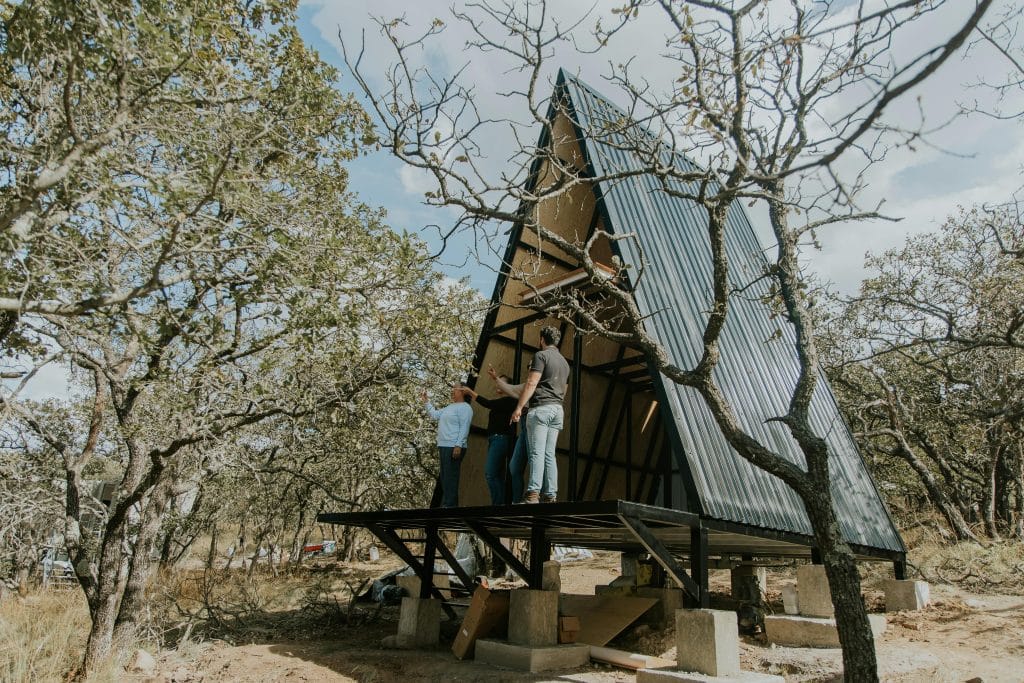
If you treat your cabin renovation like a primary home renovation, you’ll burn precious cabin time on the wrong priorities. Seasonal cabins are used intermittently (weekends/short stays) but need to work immediately when you arrive. That pushes reliability ahead of aesthetics because no one wants to start a trip with a leaky roof, a failing well pump, or a stuck door.
Distance also increases the cost of failure. At a primary residence, problems are noticed quickly. At an unattended cabin, small issues can escalate quietly into major damage. That’s why early ownership priorities tend to be function-first (security, habitability, resiliency) and aesthetics later (as reflected in USDA Forest Service seasonal home ownership research). This guide follows that sequence: get legal, get secure, get reliable, then make it cute.
Check the rules before you start and follow the strictest rule
Before buying materials or starting demo, confirm what governs your property. HOA standards and local codes often end up being the strictest, especially for exterior work, fire safety, setbacks, and environmental constraints.
A few common compliance flags:
- Firepits and outdoor burning – County rules don’t override HOA restrictions, municipal codes, seasonal burn bans, or air-quality limits. If you’re building a permanent fire feature, check setbacks, materials, and permit/approval requirements. Noncompliance can also complicate insurance claims, even if the firepit wasn’t the cause of a loss.
- Electrical – “Like-for-like replacement” is often treated differently than new circuits, outlets, or lighting. New runs/circuits increase the odds of permits and inspections. When in doubt, call the permit office before ordering parts.
- Additions/decks/other exterior changes – HOAs and counties may require approvals based on setbacks, height, and appearance. Confirm the process and stake/mark the site so you don’t end up in a tear-down situation.
General rule: if it’s hard to undo (electrical, plumbing, structure, exterior), verify compliance first. If the cabin is not fully owned (rental/lease), confirm your allowed scope before starting any DIY.
Document everything (and make reversals easy)
Cabin projects benefit more from documentation than primary homes because you’ll forget details between visits and the property may sit unattended for long stretches. Keep a simple “project record” for insurance, resale disclosure, and future troubleshooting:
- Before photos – wide shots plus known trouble spots (around windows, under sinks, roof penetrations, deck connections).
- After photos – include “hidden work” before it’s covered.
- Receipts + notes – date, product, location installed, and why you chose it.
- Baseline condition checks – probe suspicious wood areas (log/wood-framed cabins) and photo-document what’s solid vs. soft. On arrival, do a quick “essentials inventory” pass (batteries, matches, tools, spare fasteners). Small failures waste the most time.
What to do first (comfort + safety basics)
Once rules are confirmed, focus on comfort + safety basics that prevent miserable stays and reduce damage risk during quiet periods.
Lighting you can actually rely on
Use layered lighting:
- Ambient (general room illumination)
- Task (counters, reading seating, vanity areas)
- Accent (only after ambient/task work)
Multi-generation cabins usually need brighter ambient light than you think older adults often require substantially more light to cook, read, and move safely at night. In bathrooms, aim for face-level lighting on both sides of the mirror (not only a fixture above) to reduce shadows.
Power + charging plan
Even if you’re not off-grid, plan for power continuity so basics still work (phones, fridge, lights). Portable power stations can cover most needs: small units work for electronics and lighting, mid-size units can handle a weekend of charging and some 12V loads, and larger units can support broader compatibility.
If you’re considering backup power for the main panel, prioritize a safe, code-compliant connection (transfer switch/interlock). Unsafe backfeeding creates electrocution and fire risk.
If you’re building a realistic checklist for backups, charging, and must-have gear, browse off-grid cabin essentials to sanity-check what you’re missing (even if you’re only “partially” off-grid).
Heat + water sanity checks
Heat problems quickly become moisture problems. Combustion heaters (propane and other fuels) can add indoor moisture; without controlled ventilation, you’ll get fogged windows, damp bedding, and mold risk. Combine properly sized heat with ventilation and add a battery-operated CO alarm.
If you use wood heat, adding thermal mass (stone/brick/other dense masonry) can help smooth temperature swings so heat output lasts longer. For any system, correct sizing matters; oversized systems short-cycle, reducing efficiency and increasing maintenance.
Reversible DIY upgrades that actually work
After the “fix what’s broken” phase, prioritize upgrades that improve arrival and day-to-day use without locking the cabin into permanent choices. Reversible improvements reduce regret and make future repairs faster.
The best “quality of life” upgrades pay off in the first 10 minutes after arrival: quick unpacking, obvious storage, easy charging, and durable surfaces.
Visual wins and layout moves
Structural changes (bump-outs, additions, major decks) are expensive and complicated at cabins due to weather windows and logistics. Instead, start with layout and perception:
- Arrange furniture to create longer sightlines (diagonal views make small rooms feel larger).
- Test changes for a single visit before committing—cabin use patterns make quick A/B testing easy.
- If the cabin is a short-term rental, don’t under-disclose: include multiple angles of key rooms so guests understand the space.
Mounting and hardware
Cabins take more hits: boots, wet coats, unfamiliar guests, and higher turnover. Anything you hang should be mounted like it will be tested.
- Anchor into studs whenever possible.
- If a bracket must sit slightly off, shim with non-compressible material to prevent sagging.
- In kitchens, place rails/shelves to preserve counter clearance while staying usable.
- Consider dual-height hooks so kids can use them (and adults aren’t forced into clutter piles).
Storage upgrades guests will actually notice
Targeted storage improvements often beat décor, especially in small cabins.
- Doorless mudroom treatment – If an entry is too tight for a swinging door, define an “open zone” with hooks + bench + shelf.
- Dual-height hooks/rails – Reduces entry chaos and makes systems self-explanatory.
- Open baskets for laundry/linens – Easy to use, low friction, and guests don’t need to decode your folding system.
Plan the reversal
Assume future maintenance, winterizing, or replacement will happen on a weekend. Plan for reversibility during the original install:
- Make shutoffs accessible.
- Use quick disconnects where appropriate.
- Add access panels for anything serviceable that gets hidden.
- For big equipment, think through removal paths and clearance before you install.
Don’t skip insurance and basic risk-proofing
Vacation homes have a different risk profile than primary residences because they sit unoccupied: higher exposure to theft/vandalism and “quiet damage” from leaks.
Confirm:
- Coverage is appropriate for seasonal/second-home use (and understand exclusions).
- DIY work won’t jeopardize coverage especially electrical/plumbing/structural scope.
- Permit requirements are followed (skipping permits can create serious issues later).
- Leak detection/monitoring is in place, or you have a local check-in plan.
Goal: avoid losses that won’t be noticed quickly.
Wrap-up: A simple don’t-short checklist for cabin projects
To keep the cabin an lifestyle asset (not a time sink), follow this order:
- Rules + baseline documentation – HOA/city rules; before photos; simple documentation folder.
- Safety + comfort priorities – reliable lighting; power/charging plan; heat + moisture/ventilation + CO alarm.
- Reversible upgrades that reduce arrival friction – solidly mounted hooks/shelves; entry zone with bench; easy storage.
- Reversal-ready details – accessible shutoffs, access panels, serviceable installs.