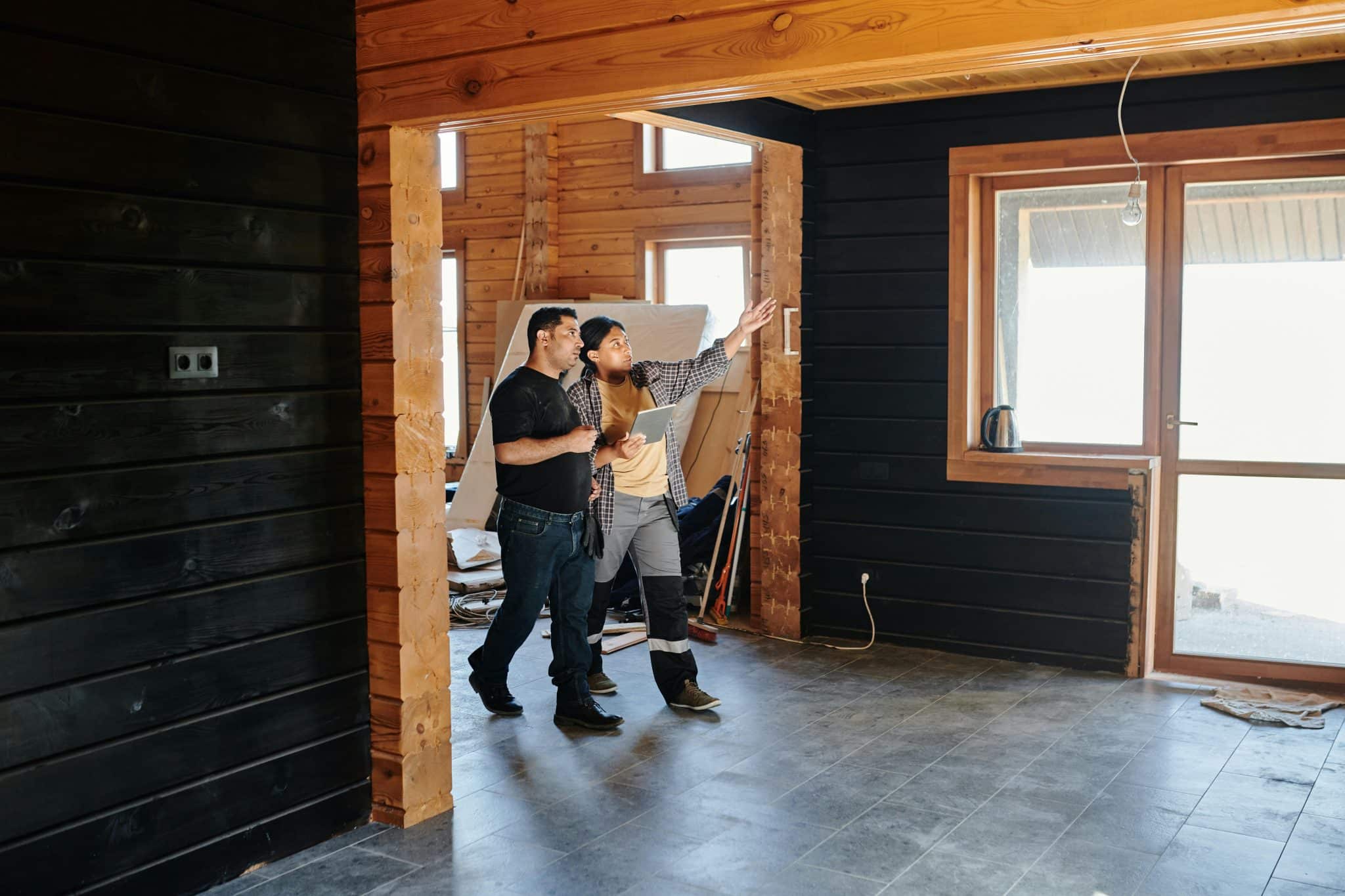

For many homeowners, the idea of selling a house brings up images of fresh paint, polished floors, and weeks of repairs that demand both time and money. That picture can feel especially discouraging if the home has aging systems, visible wear, or unfinished projects that have quietly grown over the years. When repairs feel overwhelming, the stress of preparing a property for the traditional market can become a major emotional and financial burden.
Selling a home does not have to mean fixing everything first. Across the housing market, there are practical paths designed for owners who need flexibility, speed, or relief from the pressure of renovation. Understanding these options can help homeowners make informed decisions without feeling cornered by expectations that may not fit their situation.
Why Repairs Become a Breaking Point for Sellers
Home repairs often pile up slowly. A roof that was fine a decade ago now leaks during heavy rain. A kitchen remodel was planned but never finished. Electrical or plumbing issues remain functional but outdated. Over time, these concerns add up, and the thought of tackling them all at once can feel paralyzing.
Financial reality plays a major role. Renovations rarely come cheap, and many sellers do not have the cash reserves to cover upfront repair costs. Even when financing is available, taking on debt for a property that will soon be sold can feel risky. Industry professionals generally agree that not all renovations provide a strong return, especially when market conditions shift or timelines are tight.
Emotional factors matter just as much. Homes often hold memories tied to family, change, or difficult seasons of life. Preparing a property for sale while managing personal transitions such as relocation, divorce, or inheritance can intensify stress. In these moments, simplicity and certainty often matter more than squeezing out every last dollar of value.
The Traditional Sale and Its Hidden Demands
Listing a home with an agent is still the most common route for sellers, but it comes with expectations that are not always obvious at first. Buyers in conventional markets tend to compare properties closely, favoring those that appear move-in ready. This often pushes sellers toward cosmetic updates, staging, inspections, and repairs before a listing ever goes live.
Agents and appraisers may recommend improvements to help a property compete, especially in areas where buyers have options. While these recommendations are usually well-intentioned, they can translate into weeks or months of work and thousands of dollars in expenses. Even then, there is no guarantee that a buyer will overlook remaining issues or that negotiations will not reopen repair discussions after inspections.
For homeowners already feeling stretched, this process can feel less like an opportunity and more like an obstacle.
Selling As Is: A Legitimate and Growing Option
Selling a home as is simply means offering the property in its current condition, without committing to repairs or upgrades. While this approach was once seen as a last resort, it has become increasingly common in many markets. Real estate professionals recognize that not every seller is in a position to renovate, and not every buyer expects perfection.
As is, sales can attract investors, builders, or buyers looking for a project. These buyers typically factor repair costs into their offers and accept the condition of the home upfront. This reduces the likelihood of prolonged negotiations or last-minute demands for fixes.
From a seller’s perspective, this option prioritizes clarity. There is no pressure to modernize a space or hide flaws. Instead, the focus shifts to transparency and pricing that reflects the home’s true state.
Direct Buyers and Cash Sale Alternatives
Another path that appeals to sellers overwhelmed by repairs is working with direct home buyers like Osborne Homes. These companies purchase properties without requiring traditional listings, showings, or renovations. For homeowners who value speed and certainty, this approach can offer meaningful relief.
Many direct buyers emphasize flexibility, allowing sellers to choose closing timelines that suit their needs. This can be particularly helpful for those facing job relocations, financial strain, or inherited properties that need attention. Because these buyers assess the home as it stands, sellers avoid the upfront costs and logistical challenges of repairs.
It is within this context that phrases like “we buy houses in any condition” resonate with homeowners who feel stuck. The appeal lies not in hype, but in the promise of removing barriers that make selling feel impossible.
Understanding Trade-offs Without Pressure
Every selling option involves trade-offs, and informed sellers benefit from understanding them clearly. Selling as-is or to a direct buyer may result in a lower sale price than a fully renovated home on the open market. However, that difference often reflects saved expenses, reduced risk, and time gained.
Experts across the real estate industry consistently note that net proceeds matter more than headline prices. A traditional sale that requires extensive repairs, months of carrying costs, and repeated negotiations can sometimes leave sellers with less than expected. In contrast, a streamlined sale with fewer variables can provide peace of mind and financial predictability.
The key is alignment. The best option is not universal but personal, shaped by the seller’s priorities, resources, and timeline.
Legal and Disclosure Considerations
Regardless of the selling method, transparency remains essential. Most jurisdictions require sellers to disclose known issues with the property, even when selling as is. This protects both parties and helps prevent disputes after closing.
Working with experienced professionals, whether agents, attorneys, or reputable buyers, can help sellers navigate these requirements confidently. Clear documentation and honest communication build trust and reduce stress, reinforcing the idea that selling without repairs does not mean cutting corners.
Reframing the Idea of a Successful Sale
A successful home sale is not defined solely by renovation photos or record-breaking prices. For many homeowners, success means closing a chapter without unnecessary strain. It means moving forward with financial clarity and emotional relief.
Market trends show growing acceptance of diverse selling paths, reflecting the reality that homeowners’ lives are complex. Whether due to age, finances, or changing priorities, not everyone wants or needs to fix a house before selling it.
Recognizing this can be empowering. It allows sellers to view their situation without judgment and choose an approach that respects their limits.
Conclusion: A Calm and Confident Way Forward
When repairs feel overwhelming, it is easy to feel trapped by a single narrative about how homes must be sold. In reality, today’s housing market offers multiple avenues that prioritize choice and flexibility. From as-is listings to direct sales, homeowners have more control than they often realize.
The most important step is gathering information without pressure. Understanding options, weighing trade-offs, and seeking reputable guidance can transform a stressful decision into a manageable one. Selling a home in any condition is not a failure. For many, it is a thoughtful and practical solution that honors both the property’s history and the seller’s future.