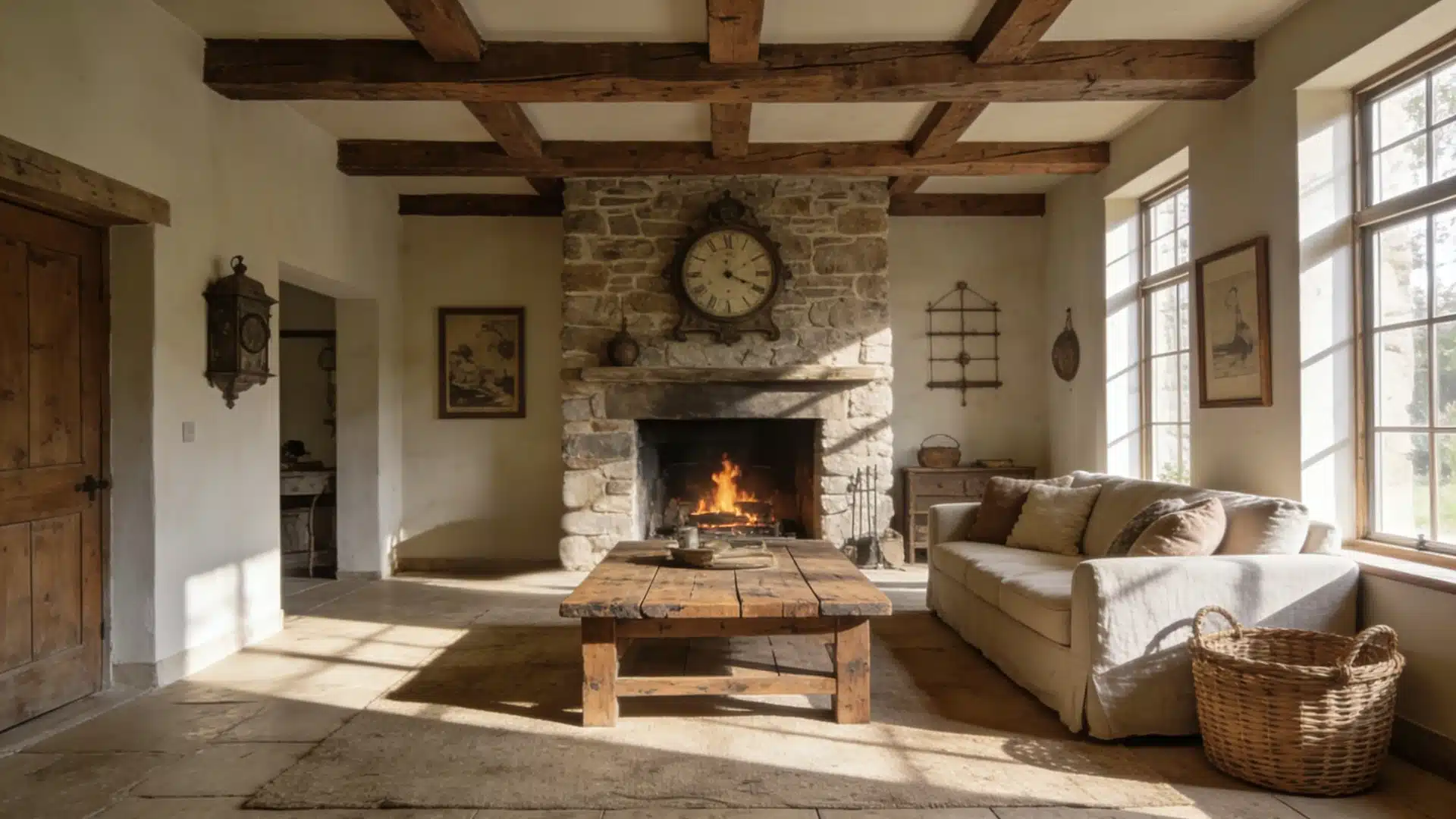
Travel can bring many wonderful things into your life. It can deliver you enriching experiences, it can open up your taste buds to foods of the world you might not otherwise experience, and it can expose you to incredible visuals as you glimpse at the beauty of the world around you. And it can also help you find inspiration for your next home project.
Whether you want to renovate your home slowly to incorporate things you have seen on your travels or you’re working from the ground up and want to infuse your whole build with elements of things you love, travel can be both your idea board, color palette, and everything in between.
But how can you use travel to help you create the perfect interior design or rebuild to deliver an authentic result that mirrors the feel and styles you love from the palace you have visited? It all starts with attention to detail.
This post is going to run through exactly how you bring travel-inspired ideas to your next DIY project, and it all starts with boots on the ground in the places that inspire you the most.
Notice the materials used in shops, cafes, and public spaces.s
A more authentic adaptation of the style you want has to be in line with the materials used in that area, with the color, feel, and texture. Whether you’re in New York looking for ideas or travelling to Amsterdam for inspiration, look closely at what is holding the city up. Not the decor, the surfaces, what materials are used? Is it mostly wooden tiles? Are there metal edges, concrete, or clay? Take the time to see the real details hiding behind the decor to see the actual design behind the aesthetic.
If you want to replicate the kitchen style of your favourite cafe in New York, pay attention to how they design the space. Do they use wooden open shelving to make it easier to grab items? What type of storage are they using? The more details you can uncover, the more real and authentic your design will be.
Take photos of textures, colors, and finishes that stand out
You shouldn’t rely on memory alone, as memory can be forgotten, distorted, and nothing can bring back that real feeling. This means preserving the details you need in photographic form.
Take the time to really focus on the details and take close-up pictures of the small details, not the whole room as one. Get close to the tilework and see the details in the design and texture of the tile materials. Look at how the hallway has been painted in your accommodation or in commercial areas, capture the texture, the patterns, the different shades, and how each material and colour reacts in different fits. You don’t need to use them all, but you can build a collection of images that truly represent the style you want to emulate so you can recreate it in a more genuine and sympathetic way when you get home.
Walk the real neighborhoods, not just tourist spots.
As any seasoned traveller or local, the tourist areas aren’t always 100% exactly how people live in those areas. You need to get out of the tourist areas and see how real people live, what their surroundings look like, the real shops they use, real set-ups, and what they actually buy and use day to day.
You want to move past the staged interiors and get an idea of what lived-in environments look like, narrow hallways that still feel light and airy, and the colors that reflect heat or absorb as per the environment. It’s not polished, it’s something real you want that translates to your home and how you live — it’s storage options, it’s window and door shapes and materials, it’s shelter, it’s life, not a fake facade or a Pinterest-friendly design you need.
Free up time
When you’re travelling for inspiration, the last thing you want is to overfill your days with things that won’t get you what you want. You want time to really explore at your own pace. You don’t want to be held to itineraries or to be managing logistics, etc., especially if you’re short on time.
Instead, open it up and give yourself time and permission to relax, enjoy, and immerse yourself in your environment.
Let’s say you arrive in Amsterdam and you want to spend time walking around before you check into your hotel. Book bag storage in amsterdam centraal to free up your hands and time, and work from there.
Walk the small streets, follow routes out of the busy areas, take a wrong turn, then another one, and see where you end up. The idea is to unburden yourself of everything so you can feel the location, you can feel the intention behind the design, because it’s not always about the design and aesthetics, it’s about how a place makes you feel, and if you can immerse yourself in that feeling, you can recreate it at home with ease instead of being an outsider looking in.
List all ideas
Do it there, in the moment, wherever you are.
When you see something you like, write it down, sketch it, snap a picture, describe how it made you feel, and how you like it, and what speaks to you. Do it over and over for everything. Because even if you think you’ve committed it to memory, you won’t remember the small details in a few weeks down the line.
Look at the layouts, the feelings, the vibe in the spaces, and note it all. And then when you come to look at it later on, you can sort through ideas with the right details to make more impactful decisions rather than relying on memory alone. This gives you a real idea to pull from, real designs that you know and can feel.
You’re not collecting ideas for the sake of it, nor do you need to use all of them; you’re simply building a more reliable memory so that once you get down to work, you know exactly what the end goal is, not just an idea of what you think you want. from what you can remember.