Taking on a commercial or industrial lease comes with a set of responsibilities that go well beyond simply paying rent on time.
From the moment you take possession of a space to the day you hand back the keys, the decisions you make about access, maintenance, and exit obligations will directly affect your costs, your compliance, and the smoothness of your entire tenancy.
The Two Ends of a Lease That Most Tenants Underestimate
Most business operators focus almost entirely on what happens in the middle of a lease, which is to say, the day-to-day running of their operation.
The two ends, moving in and moving out, receive far less attention, and yet they are consistently where the most avoidable problems and unexpected costs arise.
Getting the entry and exit phases right requires understanding what your lease obliges you to do, what infrastructure you need to set up for safe and efficient daily operations, and what condition the space must be returned to at the end of the term.
Both phases have specialist services designed to handle them properly, and businesses that engage those services early tend to avoid the disputes, delays, and financial penalties that catch unprepared tenants off guard.
Setting Up Access Correctly from Day One
Industrial and warehouse properties almost universally rely on roller doors as their primary access points, and the remote control systems that operate those doors are a fundamental part of the daily workflow for any business using the space.
A loading dock that cannot be opened quickly, a roller door that loses power at the wrong moment, or a remote system that fails to accommodate multiple staff members creates friction in operations that compounds over time.
Getting access infrastructure right from the start of a tenancy means more than simply accepting what the previous tenant left behind.
It means assessing whether the existing system is reliable, whether it can accommodate your team’s needs, and whether you have the right number of programmed remotes to cover all the staff and vehicles that will need access throughout the day.
Why Roller Door Remotes Deserve More Attention Than They Usually Get
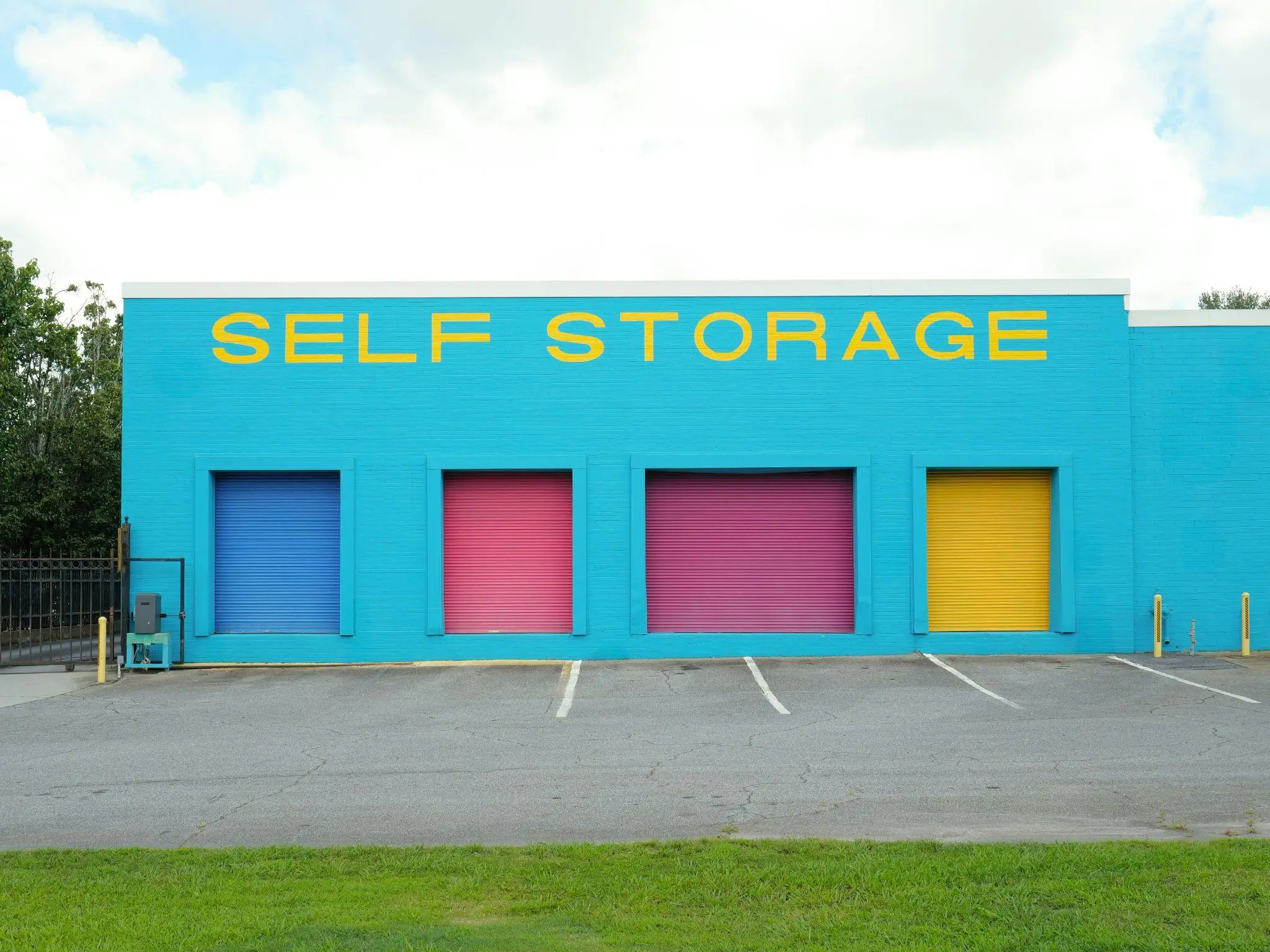
Roller door remote systems are often treated as an afterthought, a minor piece of hardware that will be dealt with when it stops working rather than proactively managed as part of a functional access system.
That approach consistently leads to disruptions, particularly in industrial settings where loading, deliveries, and staff movements are time-sensitive and cannot wait for a last-minute fix.
The most effective approach is to audit your remote setup at the very beginning of your tenancy, identify any units that are worn, unprogrammed, or incompatible with the installed motor, and have them replaced or programmed by a specialist before they create problems during peak operations.
Businesses in Queensland managing industrial sites can source quality roller door remotes from specialists who not only supply compatible units but program and test them on-site, ensuring every remote works correctly with the specific motor system installed before the technician leaves.
Managing Remotes and Access Throughout the Tenancy
Access management does not stop once the initial setup is complete. Staff turnover, additional vehicles, multiple site access points, and the occasional lost or damaged remote all create the need for ongoing remote management throughout the life of a tenancy.
Keeping a log of programmed remotes, designating a responsible person for managing access device allocation, and establishing a clear process for reporting and replacing faulty or missing units are all habits that reduce the risk of access disruptions and also form part of a responsible tenancy record should any disputes arise at handover.
For commercial tenants operating across multiple access points, working with a specialist who can service, reprogram, and replace remotes for the same motor system ensures consistency and reduces the downtime that comes from trying to match hardware through general retail channels.
Understanding Your Lease Obligations Before You Sign
The obligations a tenant carries under a commercial or industrial lease extend far beyond rent, and one of the most significant is the make good clause.
Make good clauses require tenants to return the property to its original condition at the end of the lease, which in a warehouse or industrial context can mean a substantial body of work involving fixtures, fittings, floor surfaces, and structural elements added or modified during the tenancy.
Many tenants sign leases without reading or understanding the make good clause in detail, only to find themselves facing unexpected costs and tight deadlines when the lease ends.
The time to understand exactly what your make good obligations are is before you take possession of the property, not in the final weeks of your tenancy when tradespeople are difficult to book, and timelines are non-negotiable.
What Warehouse Make Good Actually Involves
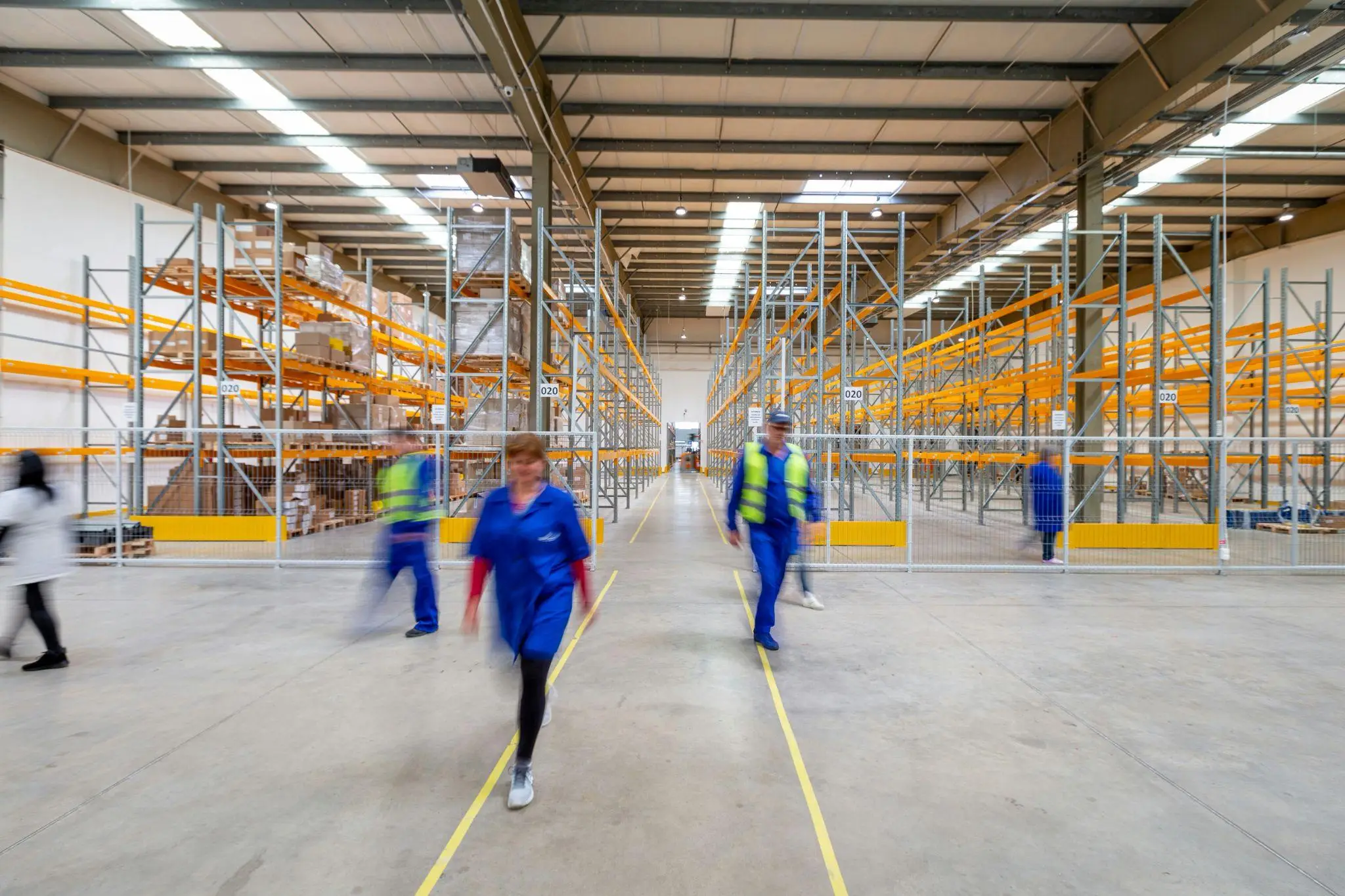
In an industrial or warehouse context, make good obligations typically extend well beyond a basic clean and paint.
Pallet racking that was bolted into concrete floors leaves anchor holes and surface damage that must be repaired and ground smooth; mezzanines and shelving must be fully dismantled and removed; line markings applied during the tenancy must be stripped, and the overall slab and wall condition must meet the standard specified in the lease.
Coordinating all of this work through multiple individual trades is time-consuming, expensive, and carries a high risk of delays when one contractor falls behind and holds up the rest of the scope.
Businesses facing a lease expiry can simplify the entire process by engaging a specialist provider offering complete warehouse make good services that handle racking removal, anchor bolt extraction, concrete patching and grinding, floor restoration, wall repairs, cleaning, and handover documentation under a single coordinated team.
The Cost of Getting Make Good Wrong
Failing to meet make good obligations on time and to the required standard is one of the most expensive mistakes a commercial tenant can make.
Landlords are entitled to recover the cost of restoring the property themselves if the tenant does not fulfil their obligations, and those costs are almost always higher than what a specialist make good contractor would have charged, often significantly so, with the additional burden of potential legal fees if a dispute escalates.
Engaging a make-good specialist early, rather than scrambling in the final weeks of a lease, also creates the opportunity to negotiate scope and timeline with the landlord if any ambiguity exists in the lease about what the original condition standard actually requires.
A professional team that understands what landlords and property managers expect from an inspection can also advise on where effort is best concentrated to achieve a compliant result efficiently.
Planning Both Ends of the Tenancy Together
The businesses that manage commercial and industrial leases most effectively are those that treat entry and exit planning as a continuous thread rather than two separate events.
Setting up reliable access systems, maintaining them properly throughout the tenancy, and planning the make good scope well in advance of the exit date all contribute to a smoother, more cost-controlled tenancy experience.
An industrial space that operates with a reliable access system from day one and exits with a clean, fully restored floor and handover documentation ready for inspection reflects the kind of operational discipline that supports a business’s broader reputation with landlords, commercial agents, and property managers across future lease negotiations.
Both the entry infrastructure and the exit restoration are investments in how your business is perceived, and getting them right requires specialist services rather than improvised solutions applied under pressure.