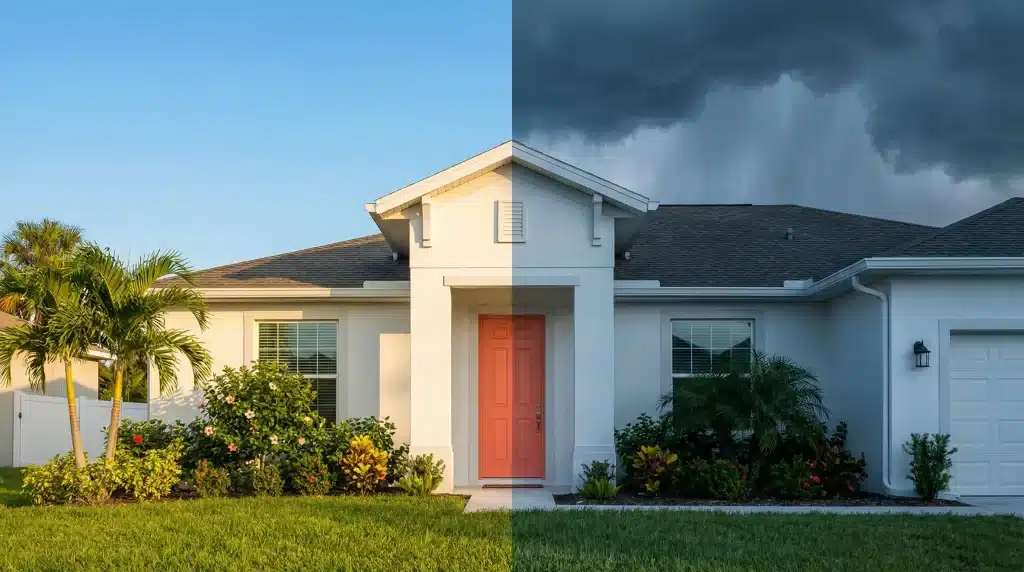
Florida’s skyline is dotted with cranes, and the lure of a just-built home feels irresistible. But beneath the fresh paint sit budget lines buyers often miss—Community Development District (CDD) assessments, fast-rising HOA dues, storm-driven insurance swings, and a property-tax reset that can triple your bill after year one. We’ll unpack the perks of buying new, then reveal the numbers so you decide with eyes wide open. Grab a coffee and a calculator; the decision starts here.
The Pros of Buying a New-Construction Home in Florida
1. Modern Design and True-to-You Customization
Walk into a model home and the difference is instant. Rooms flow, ceilings stretch, and sunlight fills every corner. Today’s floor plans center on how people live—open kitchens for gatherings, flex spaces for a Peloton or office, and wide patio doors that blur the line between indoors and out.
You also choose the finishes. Tile or luxury vinyl, quartz or granite—the design studio locks in what you love, so weekend runs to the hardware store stay off your calendar. Budget clarity matters just as much as cabinet colors. SquareFoot Homes’ interactive map shows each community’s starting prices alongside projected HOA dues and any CDD line items, putting the true monthly number in plain sight. On SquareFoot Homes you can filter price, region, and amenities, then check out the listings to preview dozens of new communities before you ever set foot on site. The result is a house—and a neighborhood—that feels tailor-made because it is.
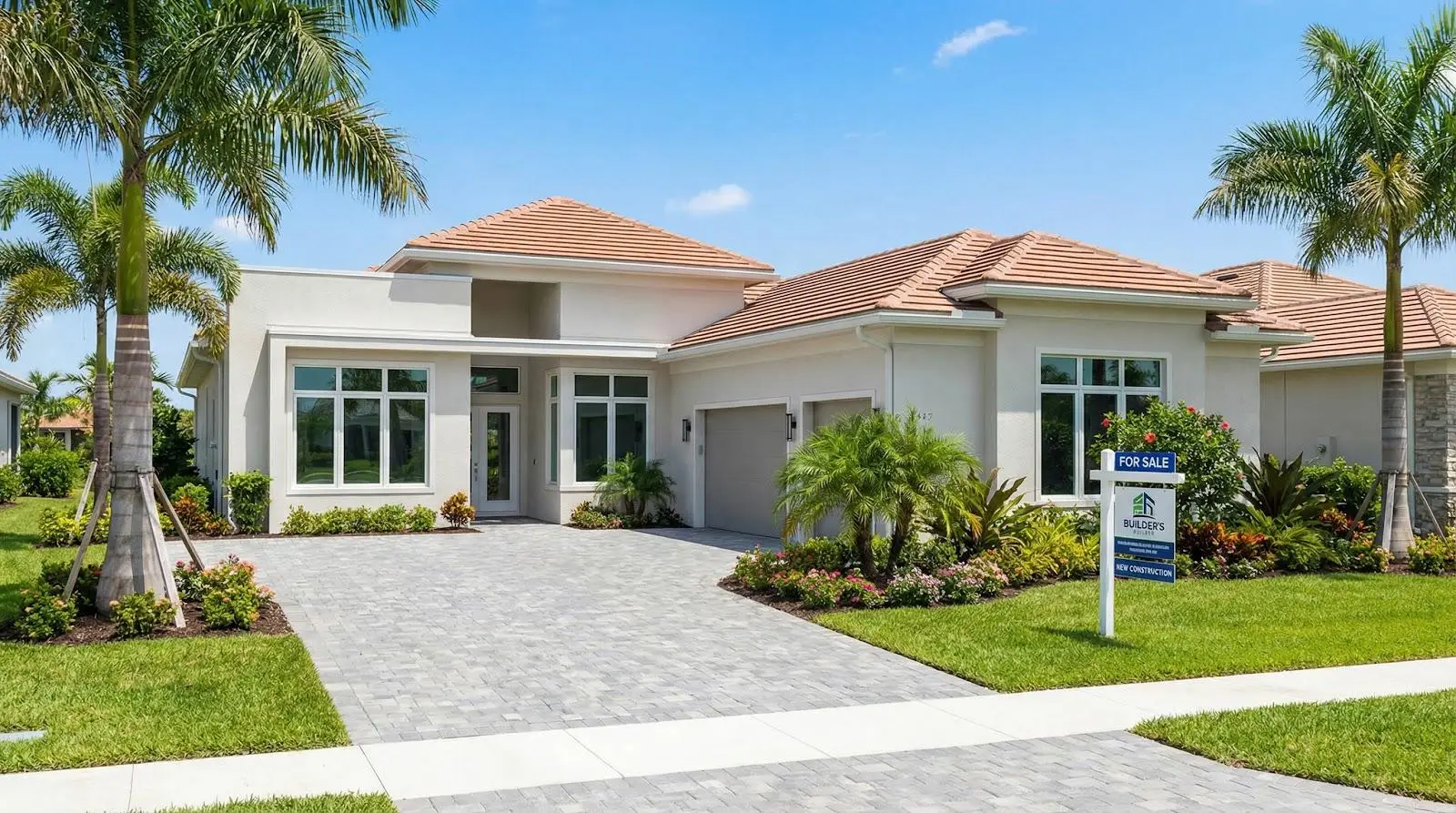
SquareFoot Homes Florida new construction map search screenshot with HOA and CDD filters.
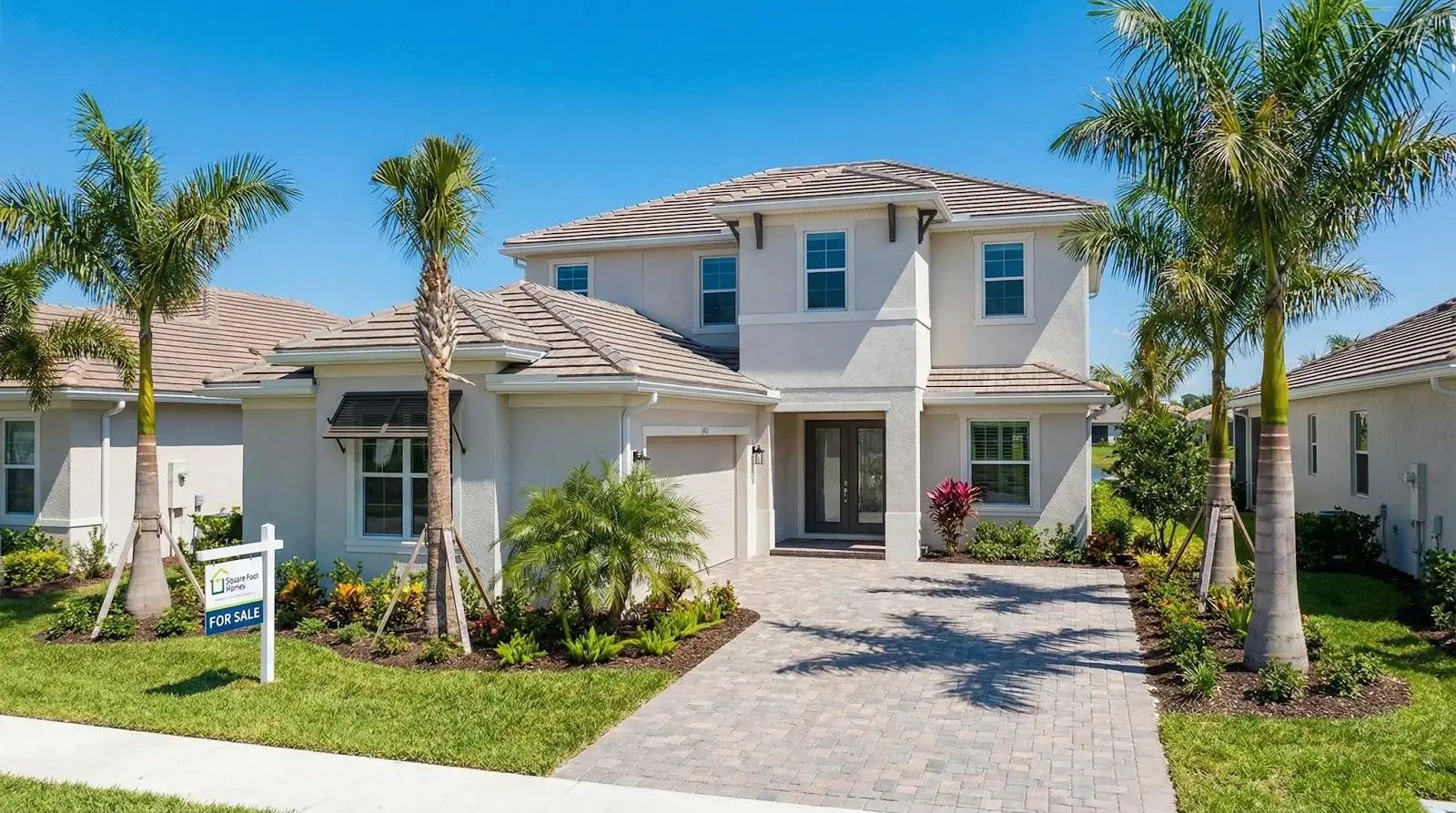
SquareFoot Homes new construction Florida map search screenshot
2. Low-Maintenance Living and Strong Warranties
Everything inside a new build is fresh. The roof carries a multi-decade rating, the HVAC runs efficiently, and appliances still wear factory shine. For the first five years, repair costs hover near zero.
Florida’s one-year builder warranty plus the common 1-2-10 coverage add a safety net: the builder handles leaks, warped doors, even structural issues in the first decade. That keeps both cash and peace of mind intact.
3. Energy Smarts and Storm-Ready Strength
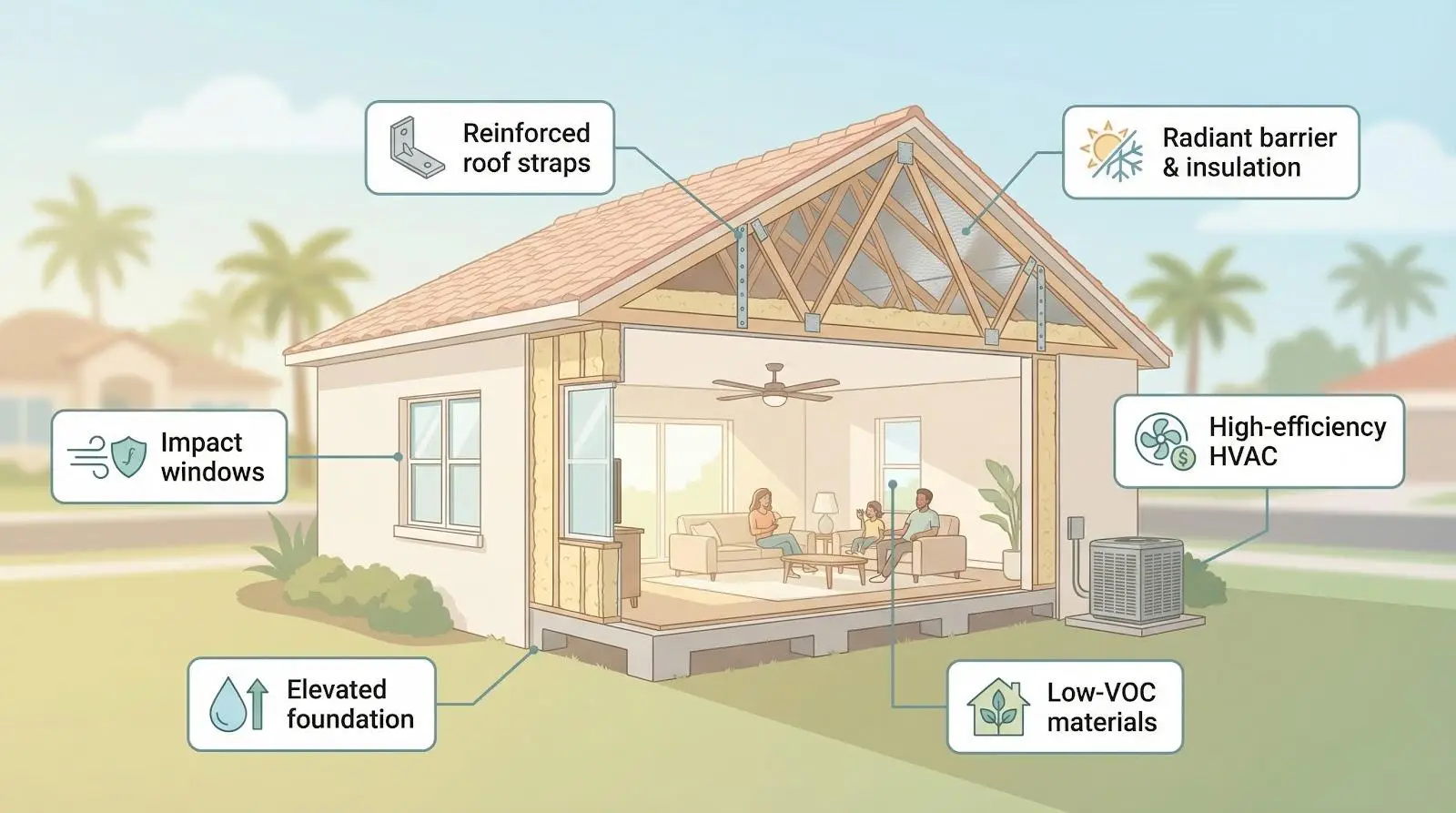
Flip the thermostat in a 2025 home and see the savings. Tighter insulation, radiant-barrier roofs, and high-SEER air-conditioners trim electric bills—critical in a state where AC hums most of the year.
Stricter building codes add impact-rated windows, reinforced roof straps, and elevated foundations designed for 170-mile winds. You breathe easier with low-VOC paints and fresh ductwork, while the shell stands firm during hurricane season.
4. Insurance Bills That Finally Feel Reasonable
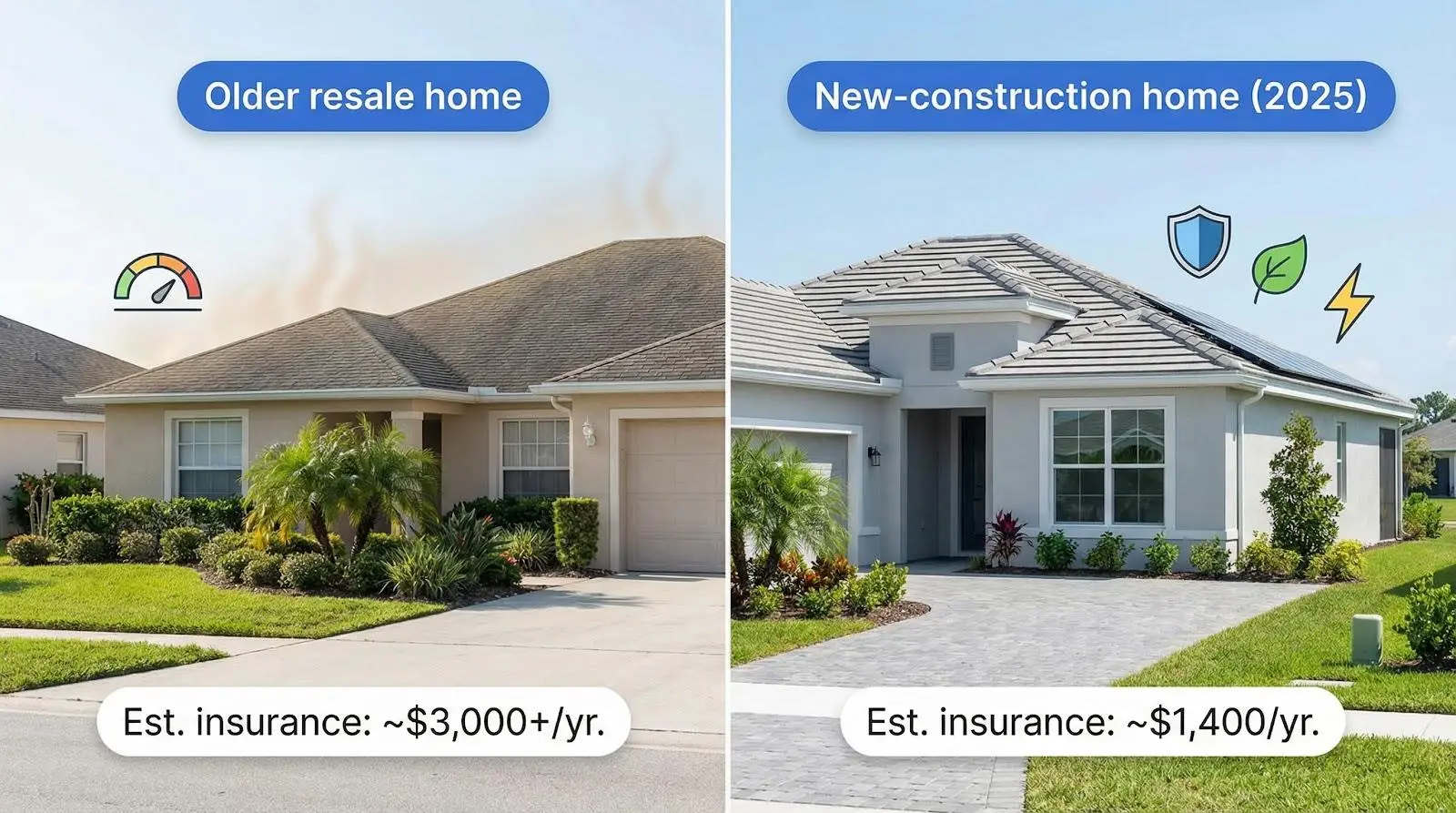
Florida’s average premiums lead the nation, yet brand-new homes avoid much of that pain. A 2023 home in Port St. Lucie insured for roughly USD 1 400 a year—less than half the cost for a similar 2003 resale. Wind-mitigation credits stack on modern roofs, impact glass, and code-level tie-downs, so renewal hikes stay tame.
5. Builder Incentives That Sweeten the Bottom Line
Sales teams combat rate anxiety with perks resale sellers cannot match. Since late 2024, more than six in ten Florida builders have offered temporary rate buy-downs plus closing-cost credits. A one-point rate drop on a USD 400 000 loan cuts the payment about USD 200 a month, and a USD 10 000 credit often wipes out most closing fees.
6. Resort-Style Amenities at Your Fingertips
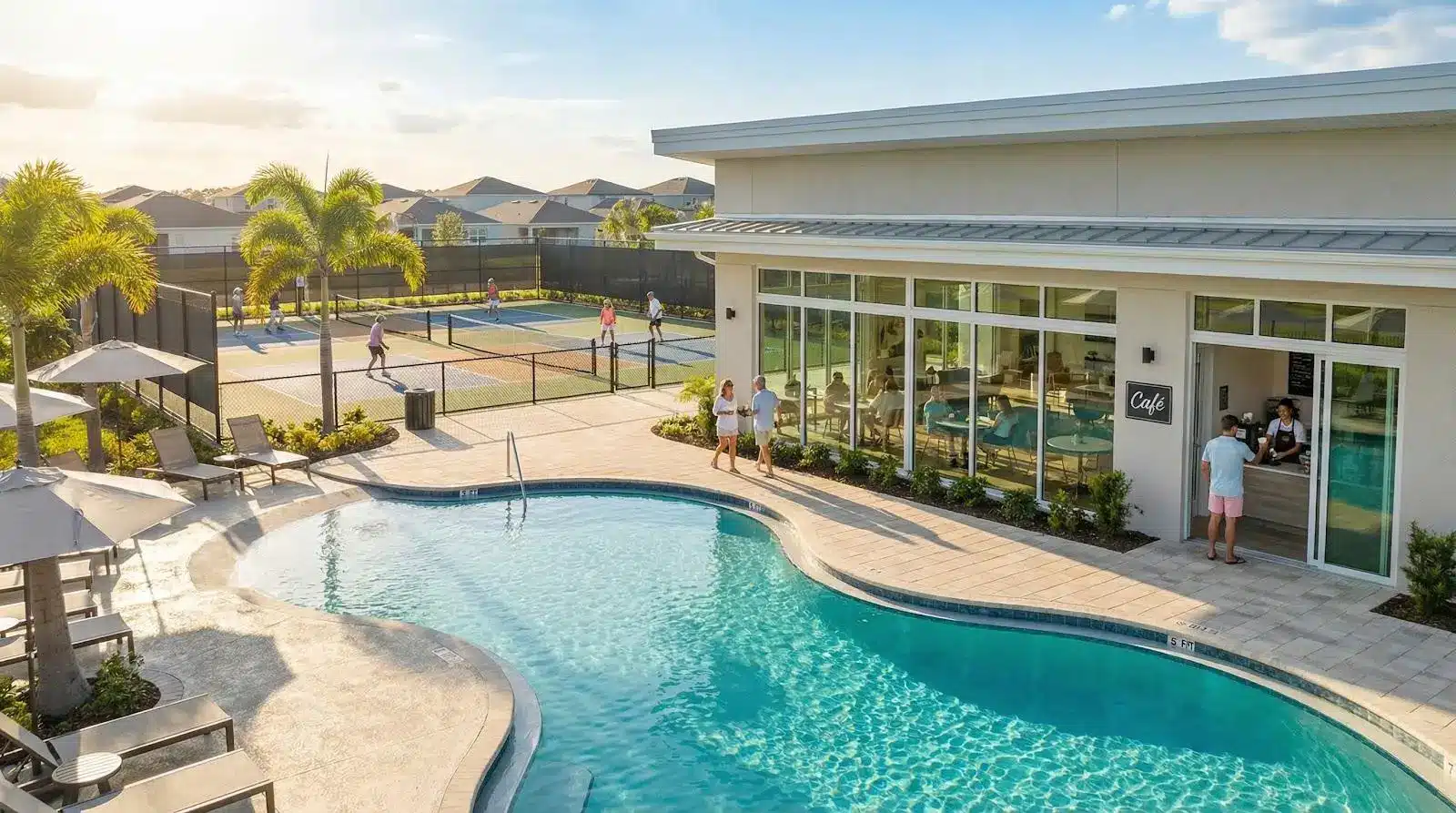
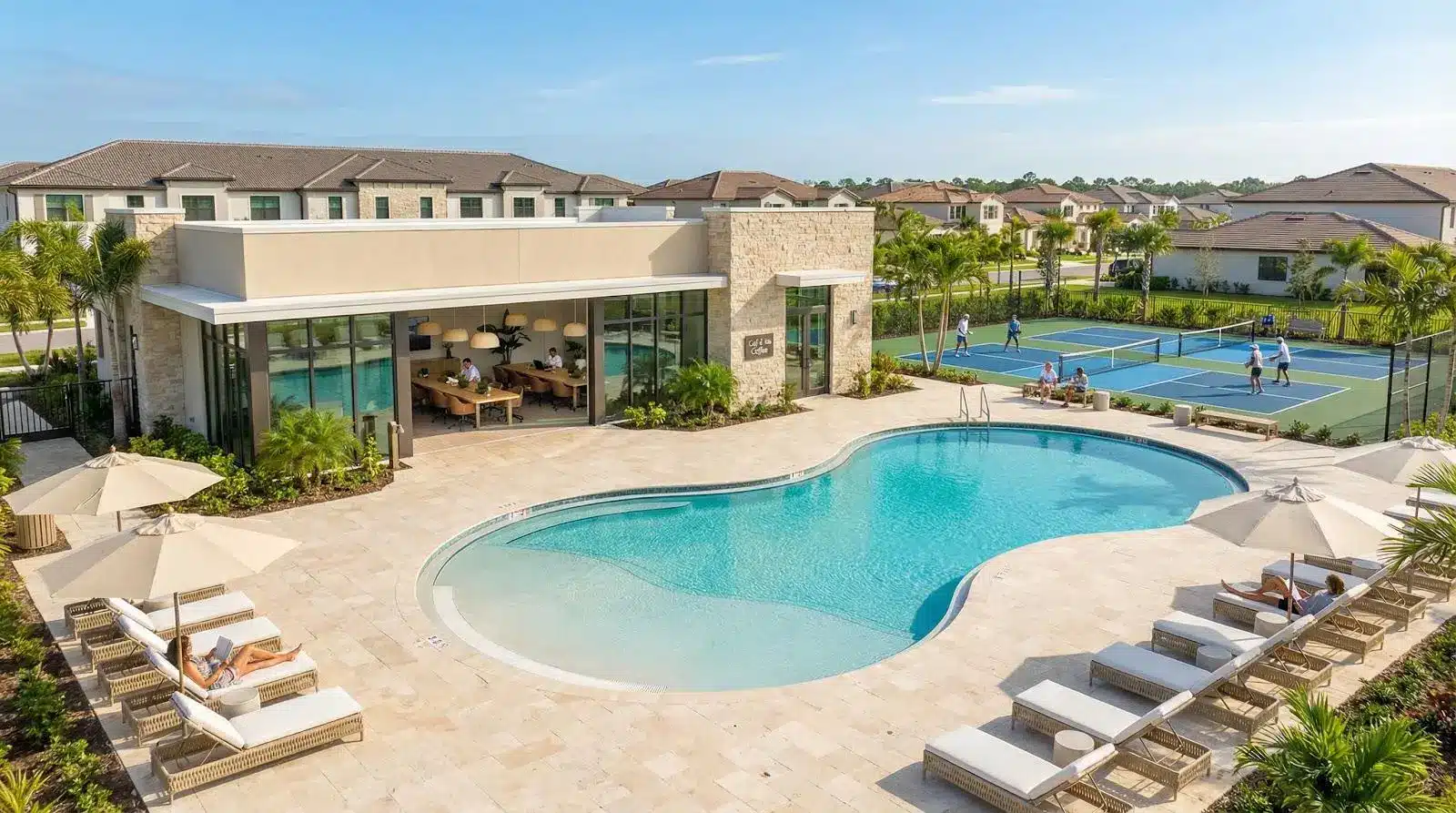
Many new communities replace a gym membership with a stroll down the block: lagoon pools, pickleball courts, co-working lounges, even on-site cafés. Fresh roads, buried power lines, and high-speed fiber reduce outages and buffering. HOA dues start to feel like a lifestyle subscription, not just a bill.
7. A Neighborhood That Grows Up Together
Move-in day is shared. Every driveway fills with moving trucks, so friendships spark fast. Counties often add brand-new schools, clinics, and retail near these growth hubs, while gated entries, full sidewalks, and modern lighting keep crime stats low.
8. Future-Proof Savings and Resale Appeal
Homes built to 2025 efficiency standards stay competitive when energy costs rise. Conduit for solar, EV-charger wiring, and smart-home hubs add “tomorrow-ready” swagger without retrofit bills. Early-phase buyers see list prices climb each time the developer opens a new section, lifting equity along the way.
The Cons of Buying a New-Construction Home in Florida
1. The New-Build Premium at Signing
A brand-new house shines, and builders price it accordingly, often five to ten percent above a comparable resale. The base tag is only the opening bid. Design-studio upgrades, corner-lot premiums, and larger deposits push cash outlay higher than many buyers expect.
2. The Property-Tax Reset Surprise
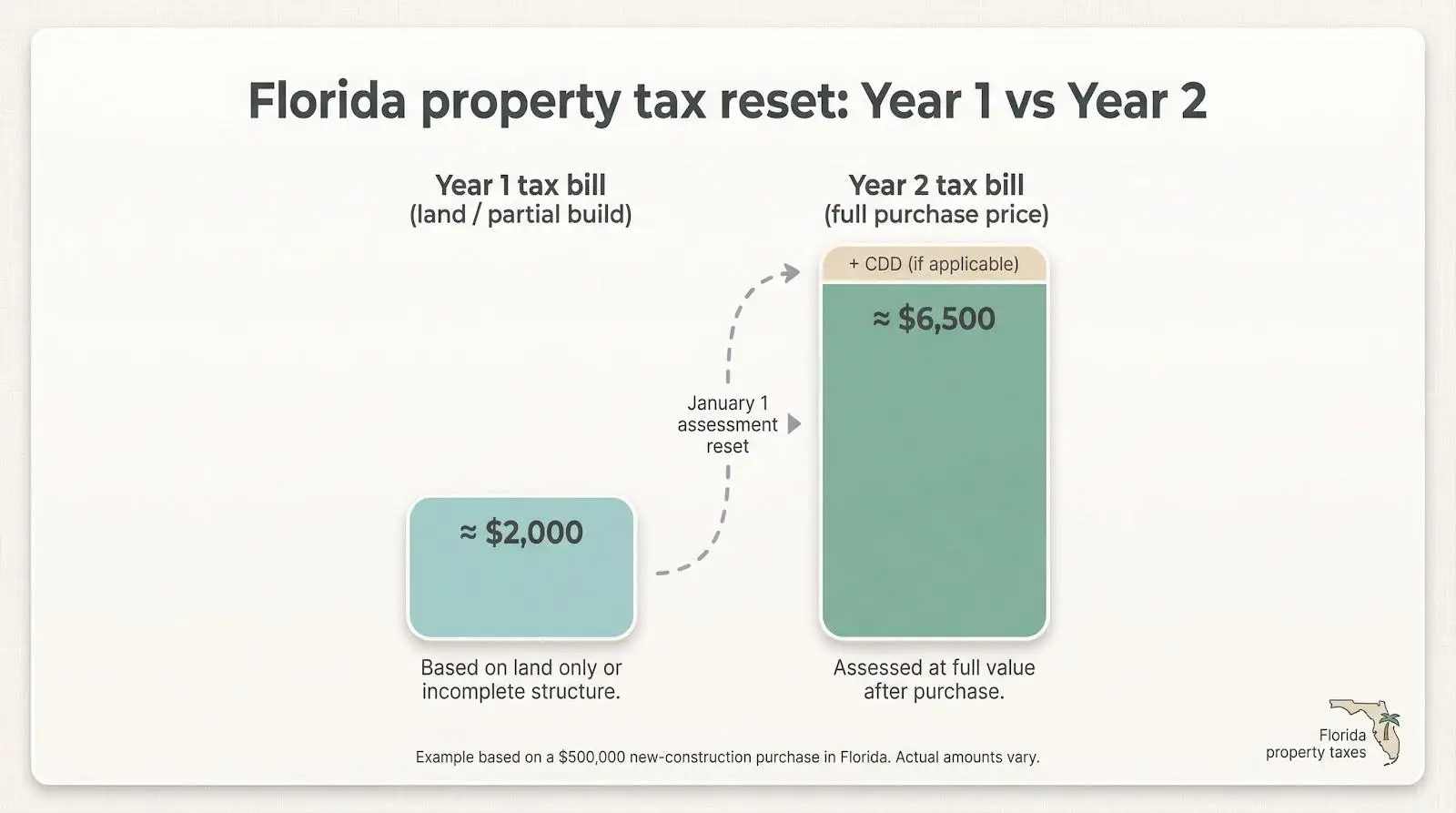
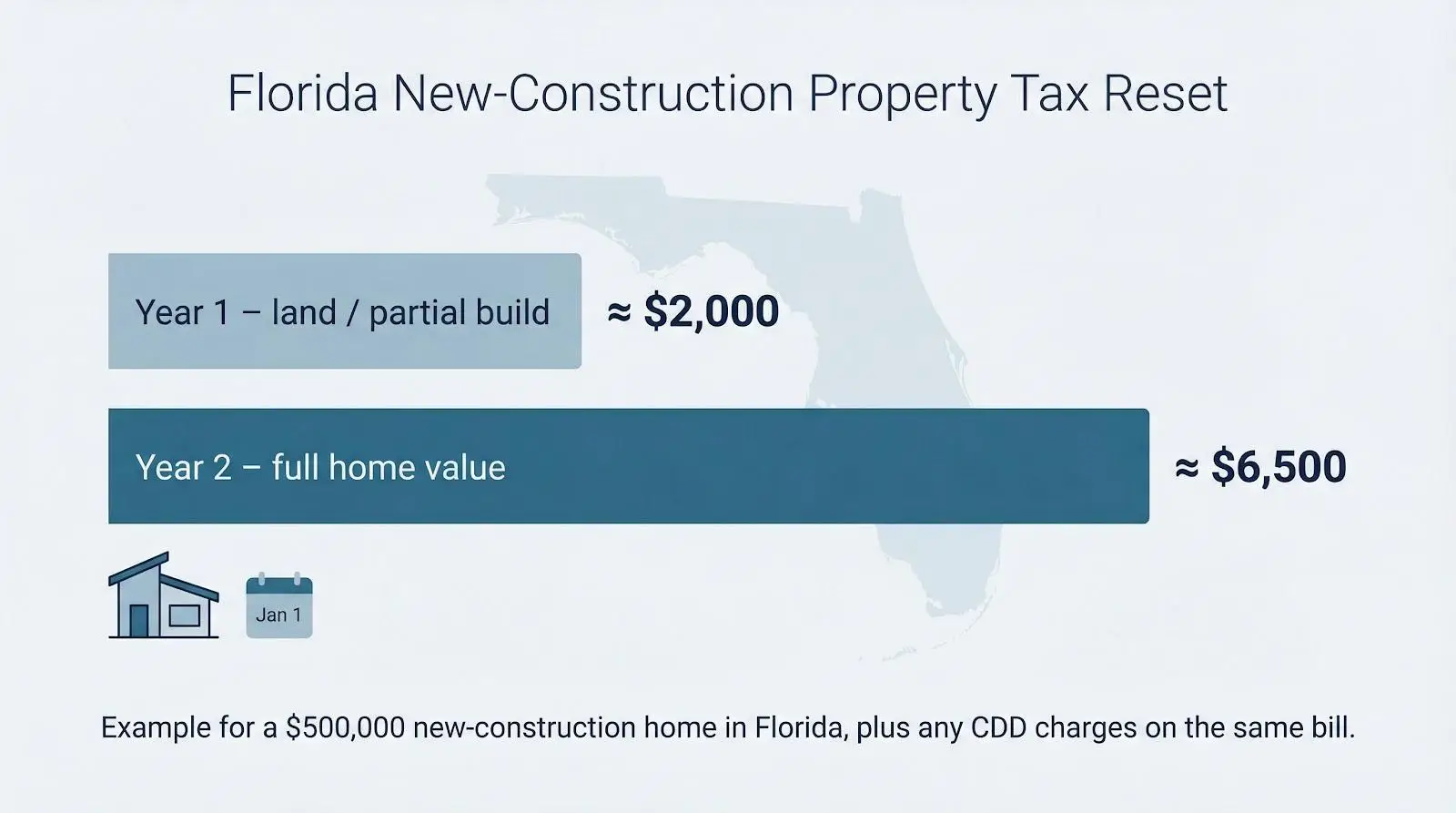
Your first bill covers only the land or a half-finished shell. On January 1 after closing, the assessor values the full purchase price. A USD 500 000 sale can see taxes jump from about USD 2 000 to roughly USD 6 500 in year two, plus any CDD lines on the same statement.
3. HOA Fees and Rules That Never Sleep
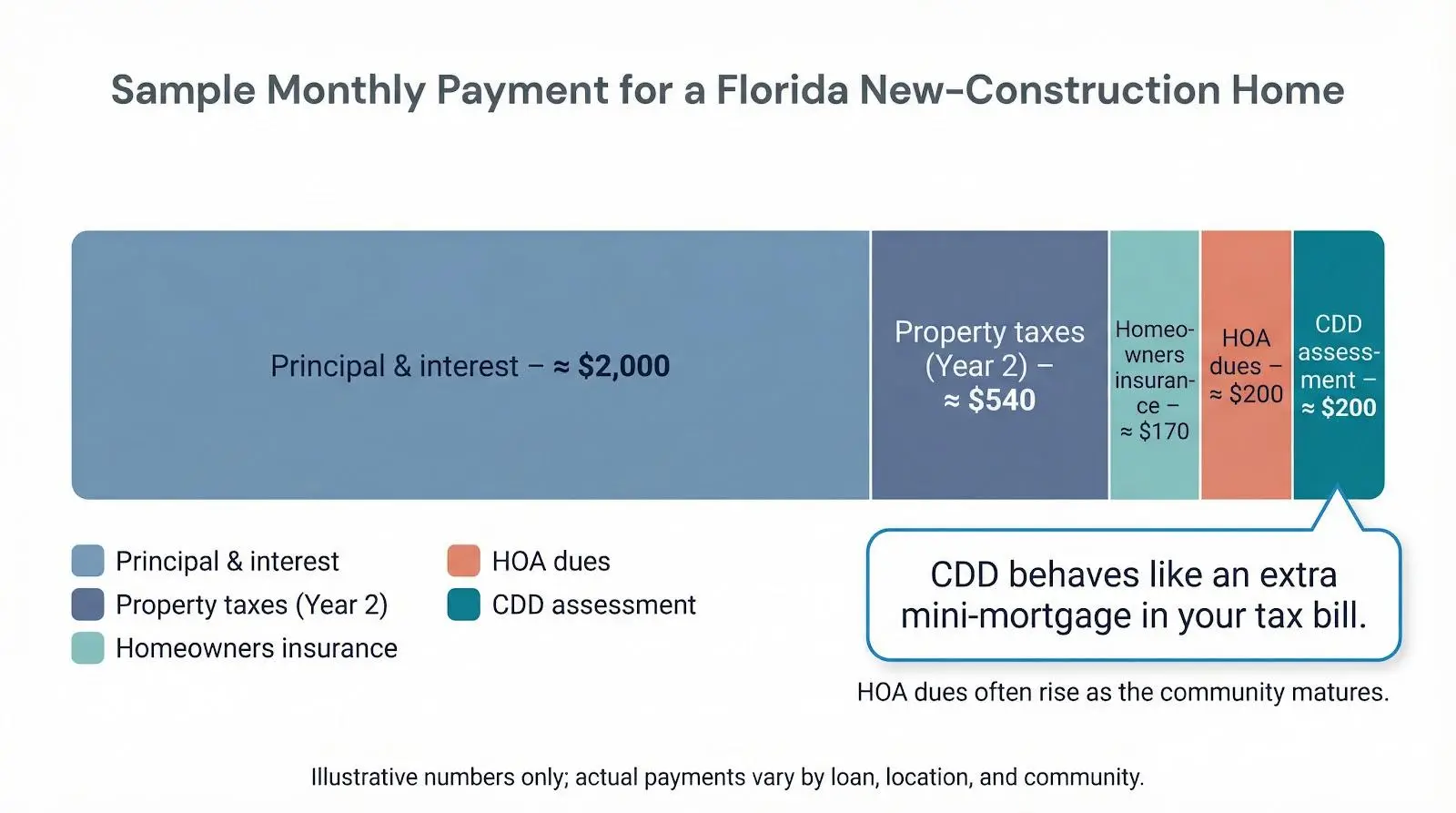
Introductory dues may start near USD 150 a month while the builder subsidises services. Once the subsidy ends and reserves build, payments often land closer to USD 250. Boards can also levy one-time assessments and enforce fines for unapproved paint colours or tall grass.
4. CDD Fees, the Extra Mortgage in Your Tax Bill
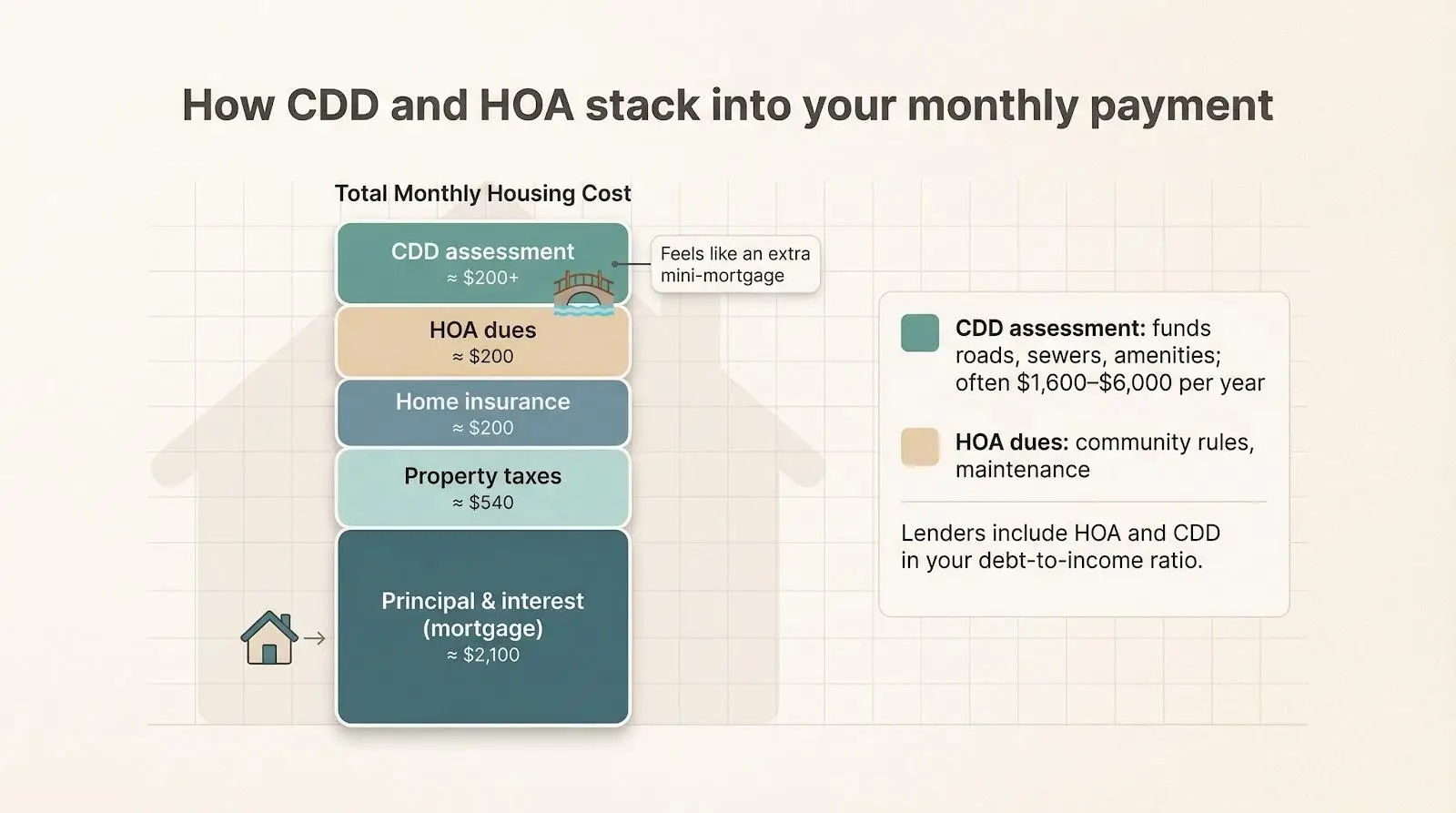
Roughly six in ten new Florida homes carry a Community Development District assessment between USD 1 600 and USD 6 000 a year. The bond portion retires roads and sewers over 30 years, while the operations portion rises with inflation, adding USD 200 or more to a monthly payment.
5. Limited Negotiating Power With Builders
Corporate pricing models protect prior sales, so base prices rarely drop. Incentives usually come as closing-cost help or appliance packages, not a lower contract number that would ease property-tax math.
6. Construction Delays and Shifting Timelines
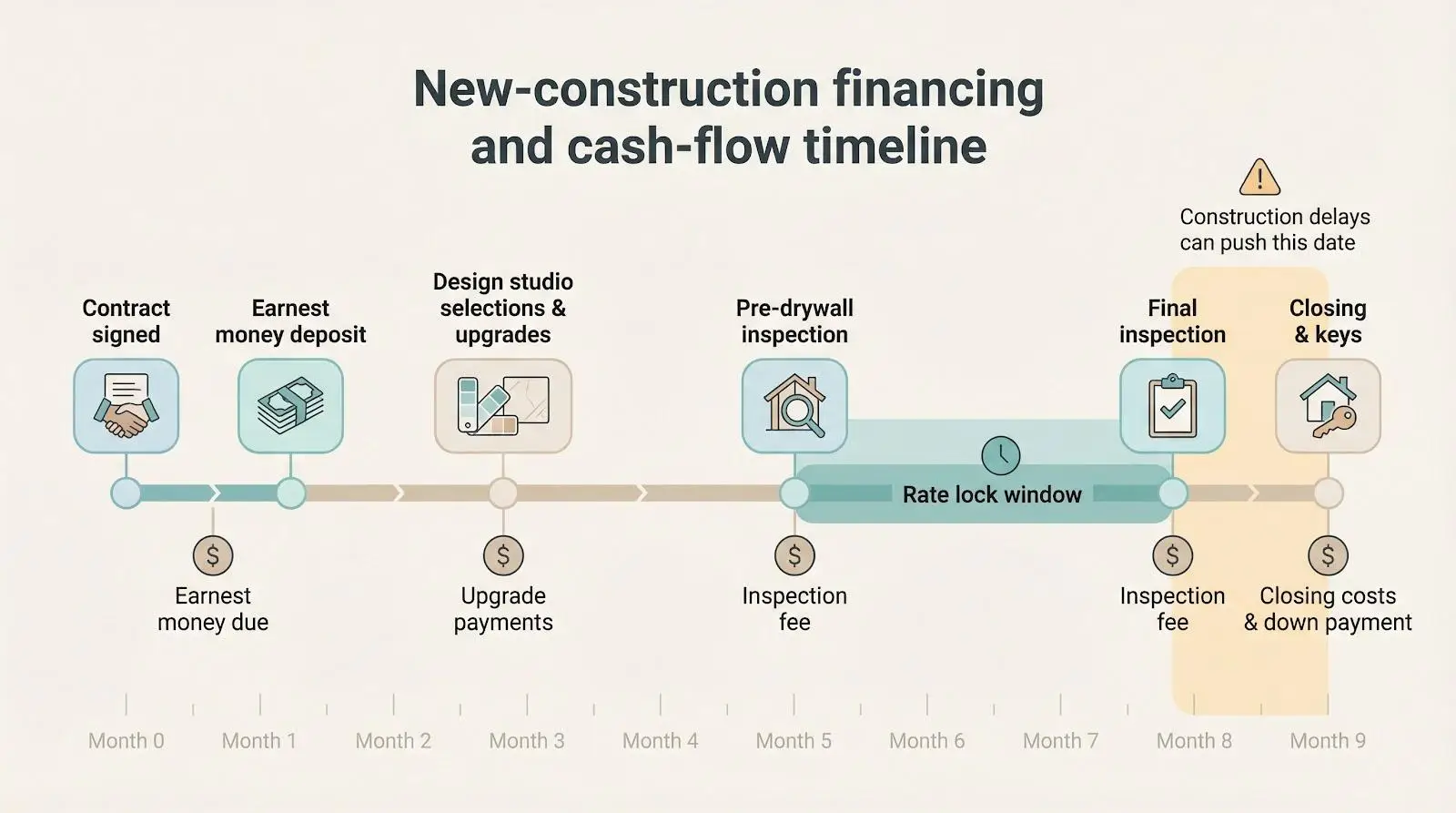
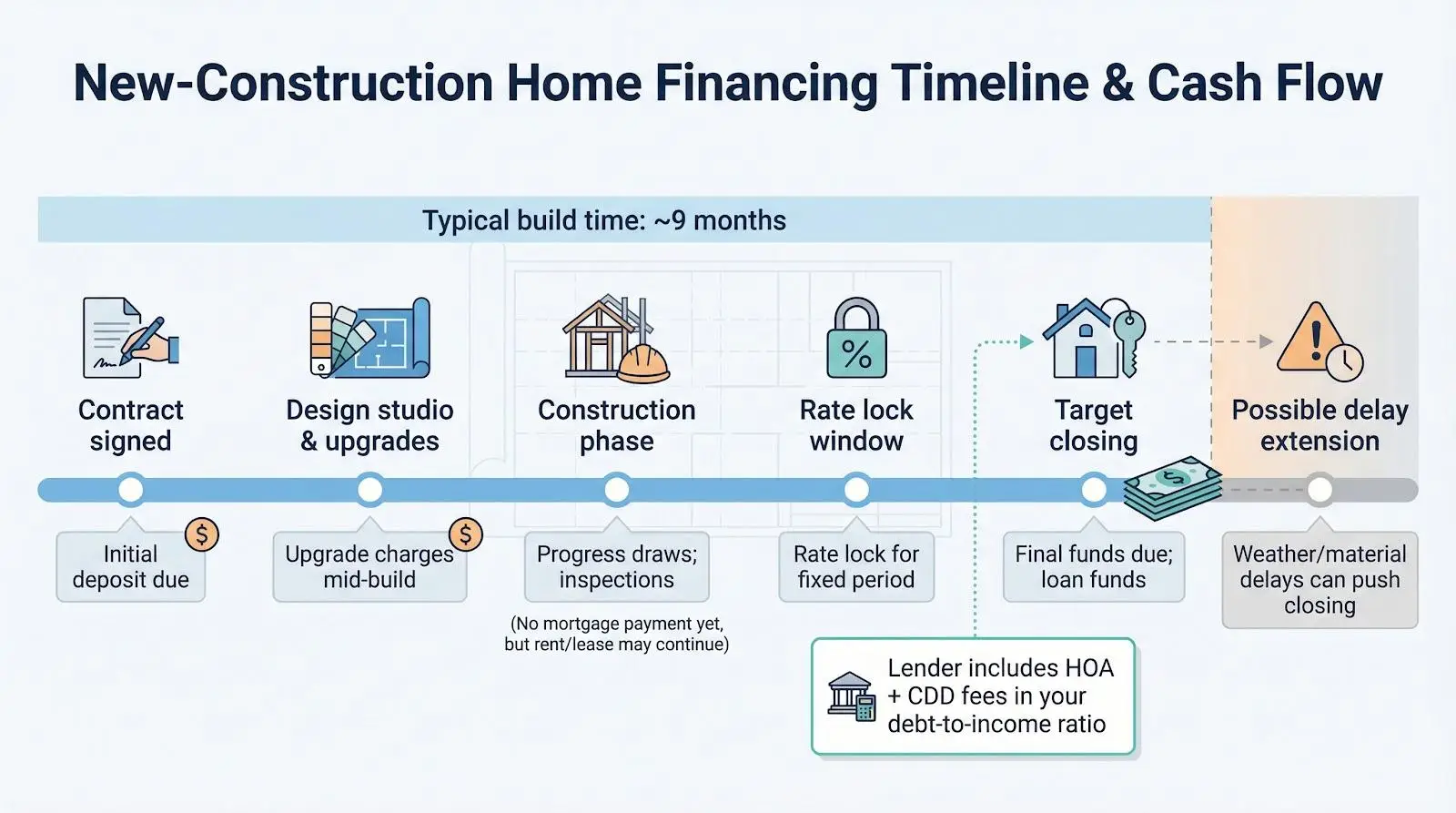
A June target can slide to September with a missing window shipment or a week of heavy rain. Budget at least 60 days of flexibility for leases, movers, and rate locks.
7. Living in a Construction Zone
Early phases mean weekday nail guns, dusty streets, and sapling trees that provide little shade. Amenities shown in renderings may lag by months, testing patience for buyers who work from home.
8. Cookie-Cutter Feel and Smaller Lots
Production builders repeat plans to stay efficient. Similar elevations and garage-forward footprints make individuality harder to find, while modern plats place homes closer together than older neighbourhoods.
9. Quality Gaps That Require Homework
Speed can equal missed flashing or uneven drywall. Independent pre-drywall and final inspections cost a few hundred dollars and catch issues before they become warranty claims.
10. Financing Wrinkles and Cash-Flow Timing
Deposits arrive early, upgrade bills land mid-build, and rate risk hangs over nine-month timelines. Lenders include HOA and CDD fees in debt-to-income ratios, which can trim the loan amount you qualify for.
Wrapping It All Up
A brand-new Florida home shines for solid reasons: lower insurance, minimal repairs, hurricane-ready construction, and the fun of choosing every finish. Yet the hidden math—CDD assessments, rising HOA dues, tax resets, and cash-flow quirks—can stretch a budget fast.
Focus on the total, not the sticker. List every monthly cost, add year-two taxes, and weigh that figure against warranty coverage and up-to-code strength. Sometimes the numbers still favour a never-lived-in address. Other times a character-rich resale with mature trees and no CDD wins.
Whatever you choose, crunch the numbers before emotions take over. Florida rewards the buyer who plans first and falls in love second. Safe house hunting, and welcome to the Sunshine State.
Ready to Explore New-Build Options?
When the math works and that new-home scent calls your name, start with SquareFoot Homes. We gather Florida’s latest communities on one map, complete with HOA and CDD data, so you can compare costs before driving a single model loop.
See what is building near you, bookmark favourites, and schedule tours—all in one place. Your calculator will thank you.