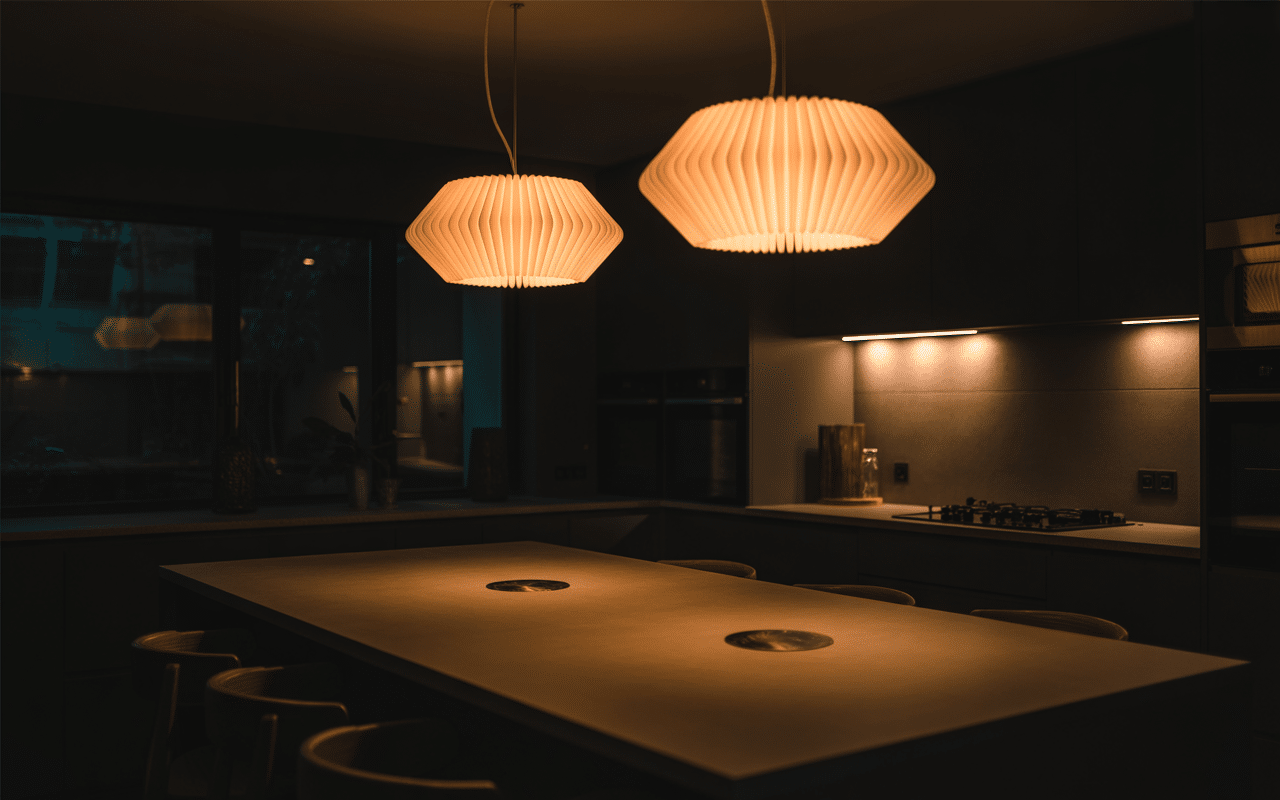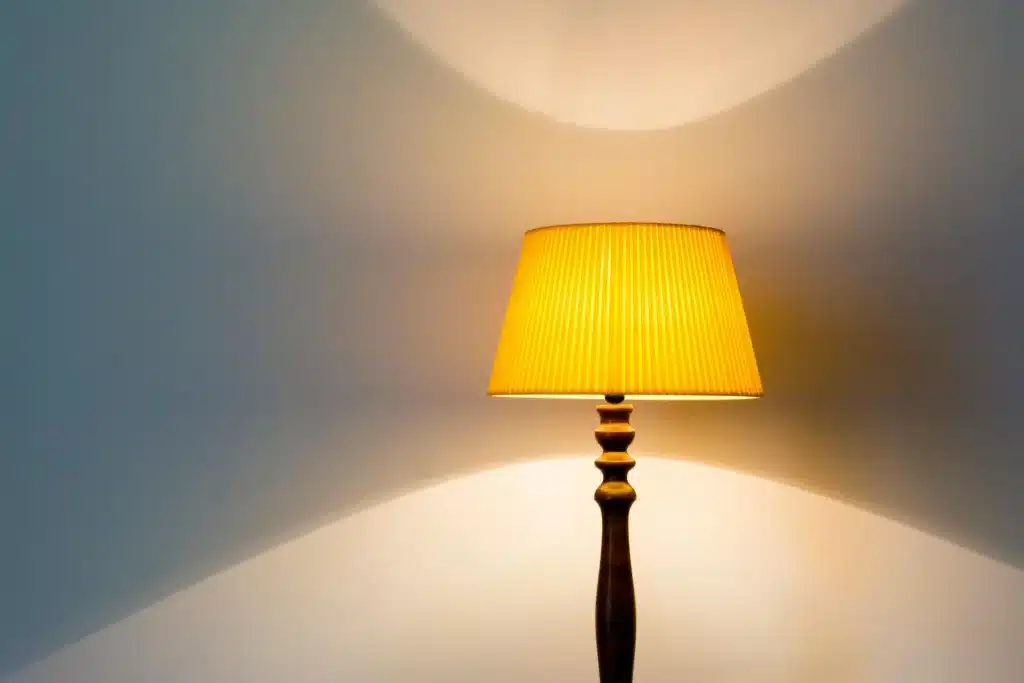
The way you light a room changes how people feel when they walk inside. Good placement can make a small space feel much larger or a cold room feel cozy and inviting.
Many homeowners overlook how much control they have over their environment through simple bulb and fixture choices. You can highlight your favorite art or create a soft glow for relaxing evenings spent with your family.
Layering Your Light Sources
Most people rely on a single overhead light to fill a room with brightness. This often creates harsh shadows and makes the space feel flat instead of welcoming for guests.
Using multiple levels of light creates depth and interest in your living area throughout the day. You can combine floor lamps, wall sconces, and recessed ceiling lights to build a better atmosphere for every occasion.
Balancing these different sources allows you to change the mood for various activities. You might want bright light for reading or a dim glow for watching a movie with friends on a Friday night.
Making a Statement With Infinity Lights
Decorating with mirrors and depth creates a unique visual experience in any room. If you want to add depth, infinity lights from websites such as the Christmas in America Shop offer a mesmerizing effect that draws the eye. These pieces work well as focal points in modern living spaces or gaming rooms.
These fixtures use internal reflections to make the light look like it goes on forever into the wall. It is a great way to start a conversation when guests visit your home for a holiday dinner.
You can find designs that fit various styles, from futuristic circles to more traditional rectangular shapes. Adding one to a dark corner can turn a boring spot into a main attraction for your visitors.
Utilizing Warm Tones and Glass
Warmth is a key element in modern design for homes of all sizes. Earthy colors help a room feel more grounded and comfortable for everyone who lives there.
A recent design publication noted that amber and brown-colored glass is becoming a major trend for home interiors. Choosing fixtures with these materials helps cast a soft, golden glow across your furniture and walls.
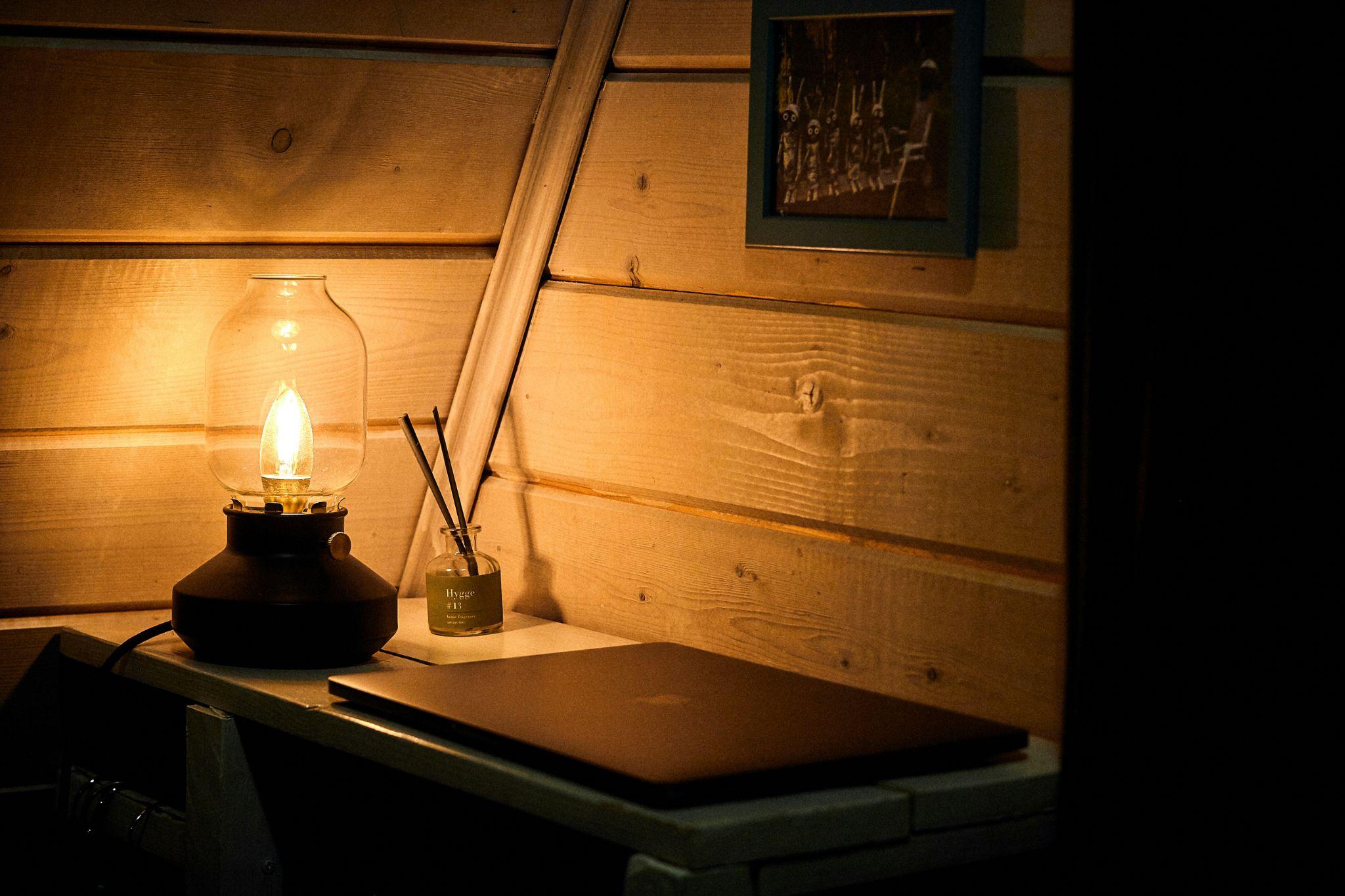
These glass shades work perfectly with vintage-style bulbs that have visible filaments inside. They provide a nostalgic look that still feels fresh and updated for a modern home.
Integrating Smart Technology
Smart bulbs allow you to control your home environment from your phone or with your voice. You can set schedules so the lights dim automatically as the sun starts to go down in the evening.
Some systems even change color to match the time of day or your current activity. You can try these features to improve your daily routine:
- Set a timer for a gentle wake-up light in the morning hours.
- Use blue-toned lights to help you focus during long work sessions.
- Switch to warm red tones to help your body get ready for sleep.
Modern technology makes it easy to save energy by turning off lights in empty rooms. You can monitor your usage and lower your power bill without much effort at all.
Highlighting Architectural Features
Your home likely has unique features like crown molding or built-in bookshelves that deserve some attention. Proper placement can draw the eye toward these details and improve the overall look of the structure.
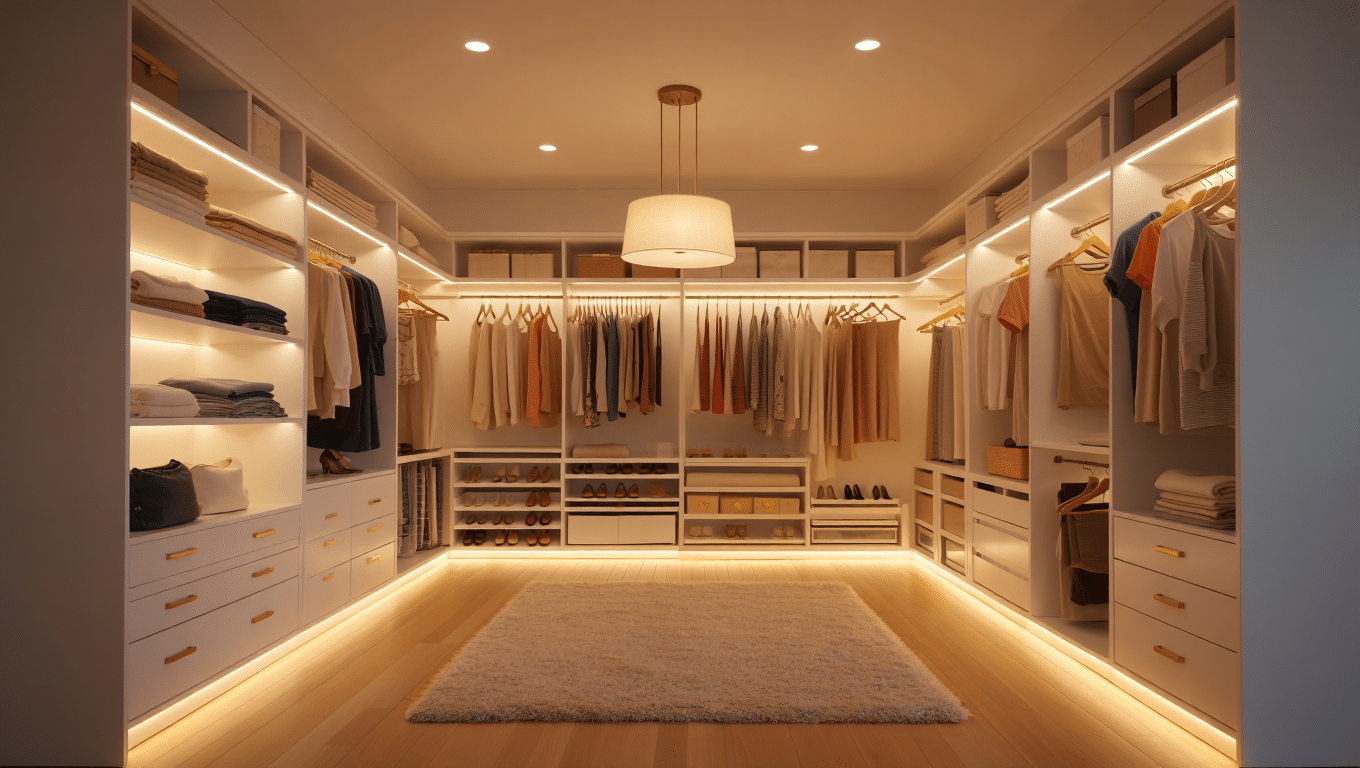
Using small spotlights or strip lighting under shelves creates a professional appearance. It makes your home look like a designer planned every single detail of the construction process.
Track lighting is another option for pointing beams at specific parts of a room. It gives you the flexibility to move the light if you decide to rearrange your furniture later in the year.
Creative Corner Lighting
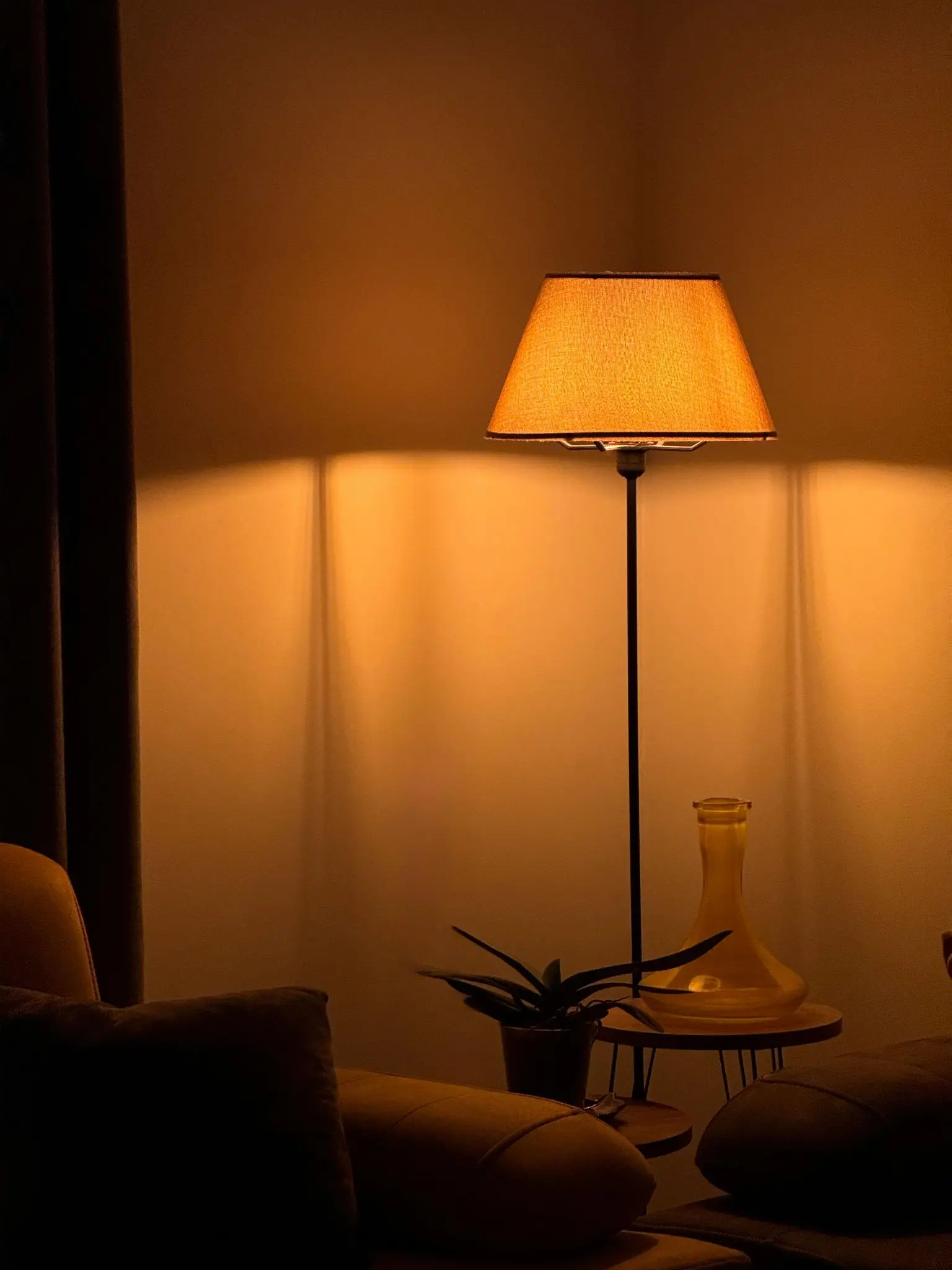
Corners are often left in the dark, which can make a room feel smaller than it actually is. Adding a light source to these spots opens up the floor plan and makes the area feel more useful.
A tall floor lamp or a hanging pendant can fill these gaps perfectly. There are many ways to fill a dark corner in your house:
- Place a large plant and shine a light up through the leaves.
- Use a small table lamp on a pedestal to create a reading nook.
- Install a corner wall sconce to save on valuable floor space.
Filling these empty areas makes the room feel complete and well-thought-out. It prevents dark spots from making the room feel gloomy or cramped during the long winter months.
Choosing the Right Color Temperature
The color of your light is measured in Kelvins, and it makes a huge difference in how a room looks. Low numbers mean the light is yellow and warm, while high numbers are blue and cool.
Most living rooms feel better with warm light that mimics the glow of a fire. Kitchens and bathrooms usually need cooler, brighter light so you can see clearly while you work or get ready.
Mixing these temperatures in the wrong way can make a room feel chaotic and uncomfortable. Stick to a consistent temperature for each area to create a smooth transition between the different rooms in your home.
Improving your home lighting does not have to be expensive or complicated for the average person. Small changes like adding a new lamp or switching out a bulb can make a big impact on your daily life.
Take the time to look at your rooms and see where you can add a bit more glow. You will find that your home feels more inviting and stylish once you find the right balance of light.