

I once saw a hallway repainted with a cheap flat paint. Three months later, backpack scuffs and dog leashes had turned the fresh wall into a streaky mess.
The paint was not defective. It was simply the wrong product for a narrow space that gets bumped and cleaned all the time.
Most paint failures start this way. People buy by color card and price, then ignore the surface, the moisture level, and the wear the room must survive.
A better system starts with the substrate, which means the surface you are coating, and then checks light, cleaning, safety, and prep. That approach gives you finishes that look better, clean faster, and last for years.
Choose paint by surface, stress, and safety, not color alone, and almost every project gets easier.
Key Takeaways
Good results come from matching the coating to the surface, the room, and the kind of wear it will face.
Where vehicles repeatedly clip painted edges, the right fix is access control rather than another touch-up. On narrow driveways or shared parking, many owners protect fresh curbs, garage frames, rendered corners, and wall edges by controlling where cars stop during daily parking maneuvers, which is why many households now use fold down bollards instead of relying on a tougher topcoat alone.
- Start with use, not brand. Match the paint to drywall, timber, metal, or concrete first. Then factor in humidity, sun, and heavy contact.
- Check washability by a test standard. EN 13300 Class 1 or 2, tested to ISO 11998, is far more useful than vague claims like “scrubbable.”
- Look past low-VOC labels. VOC means volatile organic compound. Content matters, but emissions testing such as CDPH v1.2 or GREENGUARD Gold matters more in bedrooms and nurseries.
- Estimate enough paint. Quality interior paints usually cover about 350 to 400 square feet per gallon, per coat, on smooth primed drywall.
- Give concrete and metal extra attention. Moisture, pH, rust, and weak prep cause most failures on slabs, railings, and gates.
- Treat old paint carefully. U.S. homes built before 1978 and many Australian and New Zealand homes built before 1970 may contain lead-based paint.
How Durability Works
Paint lasts when the resin, sheen, and film thickness fit the surface and the wear it will face.
The binder, sometimes called the resin, is the part of paint that forms the dry film after the water or solvent leaves. Acrylic latex binders stay flexible, resist sunlight well, and let walls breathe, so they work for most exterior timber and washable interior walls.
Alkyd and waterborne alkyd paints dry harder. That makes them a strong choice for trim, doors, and cabinets, where block resistance matters and you do not want painted surfaces sticking together.
Epoxy and urethane coatings go a step further. They cross-link as they cure, which creates a dense film that stands up to abrasion, tire traffic, cleaners, and chemical spills.
Sheen affects maintenance, but it is not the whole story. Satin and semi-gloss still clean easily, yet modern matte paints rated Class 1 under EN 13300 can also handle repeated washing without losing color or turning shiny.
Film build matters too. Two thin coats almost always outperform one heavy coat because they cure more evenly and create a stronger bond.
It also helps to separate VOC content from VOC emissions. South Coast AQMD Rule 1113 limits grams per liter in the can, while CDPH v1.2 and GREENGUARD Gold test what actually releases into indoor air after application.
Room-by-Room Quick Picks
Most premature paint failures disappear when you match the finish to the room instead of using one product everywhere.
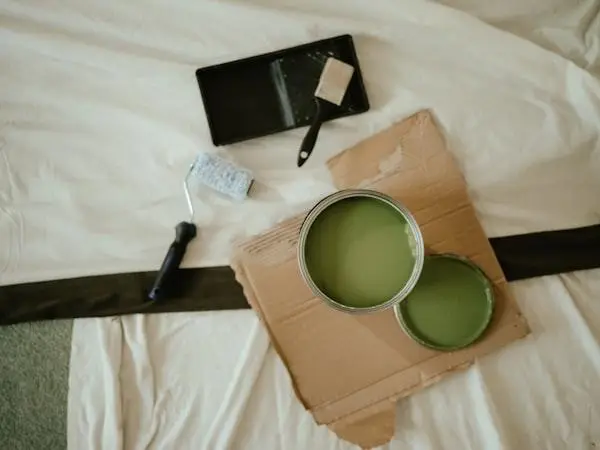
- Living rooms and bedrooms: Choose matte or eggshell with Class 1 or 2 wet-scrub resistance. Prime new drywall and plan on two coats.
- Hallways, stairwells, and kids’ rooms: Use satin for easier cleaning. Add a tougher enamel on trim, corners, and handrail zones.
- Kitchens, bathrooms, and laundries: Pick satin or semi-gloss with mildew resistance. Fix moisture problems first, because paint will not solve them.
- Trim and doors: Use waterborne alkyd or a hard-wearing acrylic enamel in semi-gloss for better leveling and chip resistance.
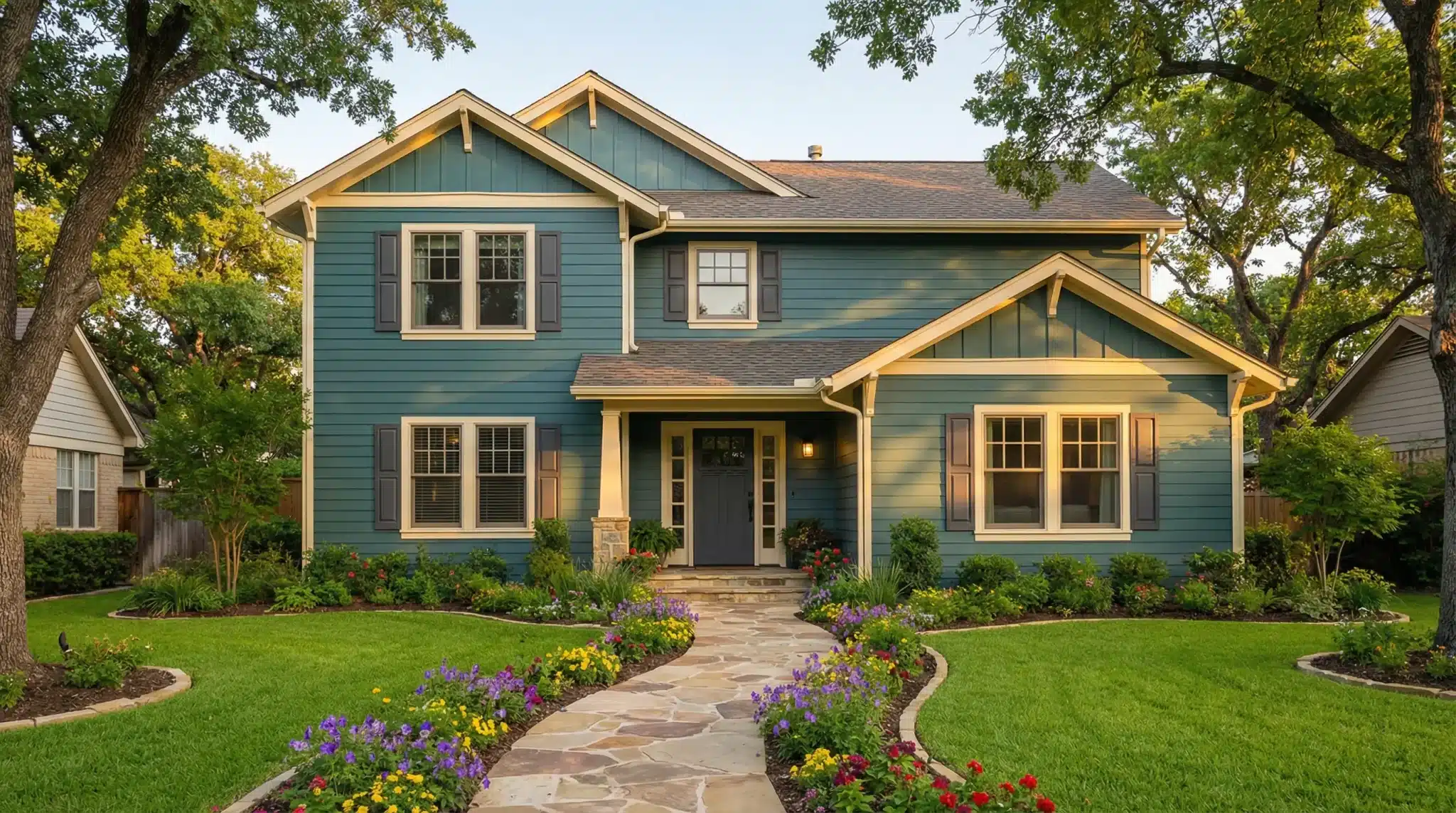
- Exterior timber: Use 100 percent acrylic over the right primer. Dark colors absorb more heat, so confirm the substrate allows low-LRV colors.
- Metal railings and gates: Remove loose rust, prime with a rust-inhibitive system, and finish with a durable acrylic or alkyd topcoat.
Prep Like a Pro
Surface preparation does more for paint life than any premium label on the can.
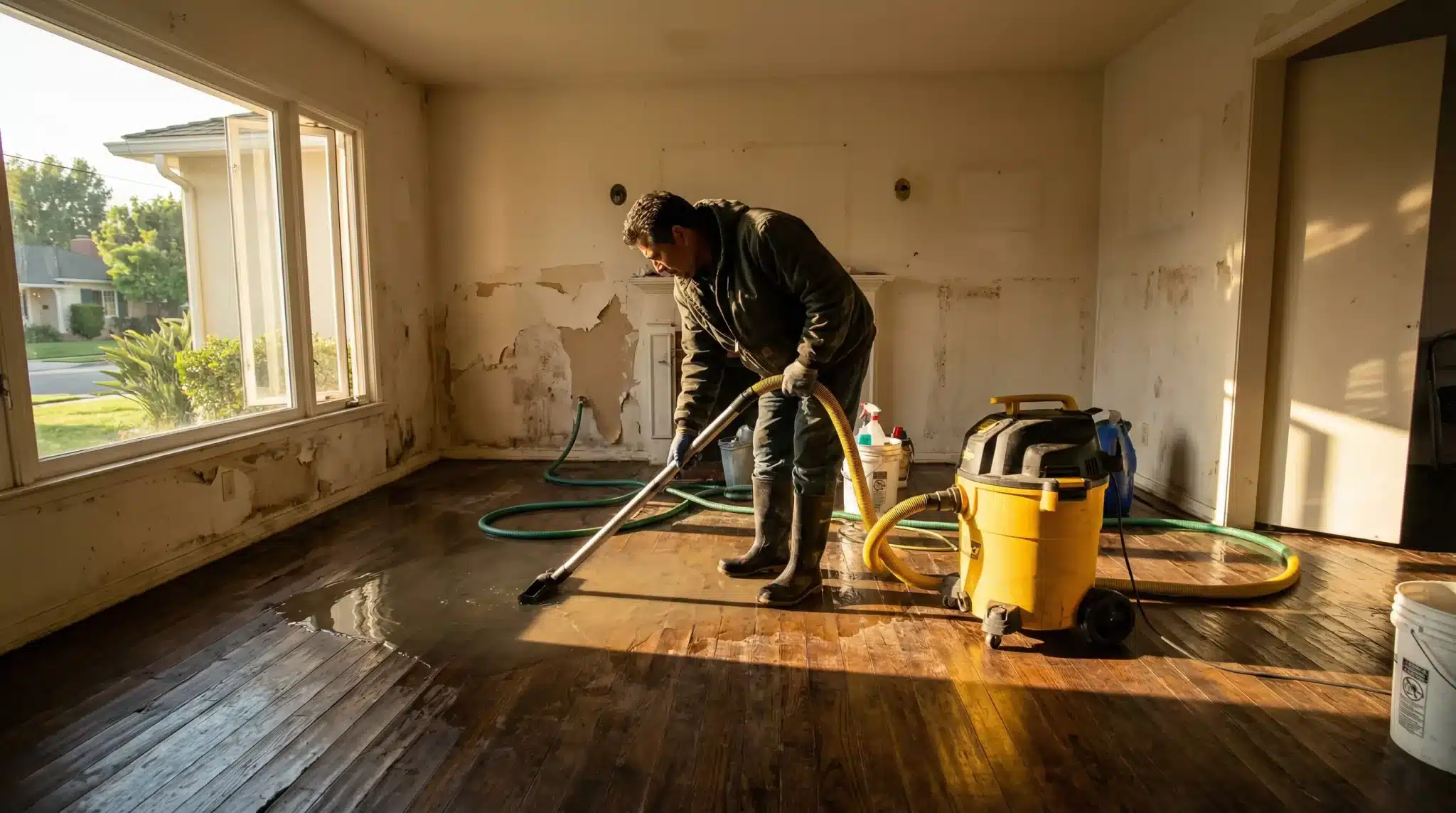
On most jobs, the sequence is simple. Wash off grease and dust, rinse, let the surface dry, dull any glossy areas with light sanding, repair dents and cracks, feather rough edges, and remove every trace of sanding dust before primer goes on.
Primer is not a generic first coat. Bonding primer helps paint grip slick surfaces, stain-blocking primer stops water marks and tannin bleed, alkali-resistant primer protects masonry, and rust-inhibitive primer gives steel a better chance against corrosion.
Older homes need extra care. In the United States, work that disturbs paint in homes built before 1978 must follow the EPA Renovation, Repair and Painting Rule with certified firms. In Australia and New Zealand, homes built before 1970 should also be treated as likely lead-paint candidates until testing proves otherwise.
Concrete adds another layer of risk. New slabs usually need about 28 days of cure, and you still need to check moisture with the ASTM D4263 plastic-sheet method and confirm the pH falls inside the coating maker’s range.
That may sound slow, but nearly every peeling floor or chalky wall starts with rushed prep. Good paint is forgiving, but it cannot overcome dust, grease, trapped moisture, or unstable old coatings.
High-Performance Floor Coatings for Garages and Workshops
Garage and workshop floors last longer when you use a true heavy-duty coating system instead of ordinary floor paint.
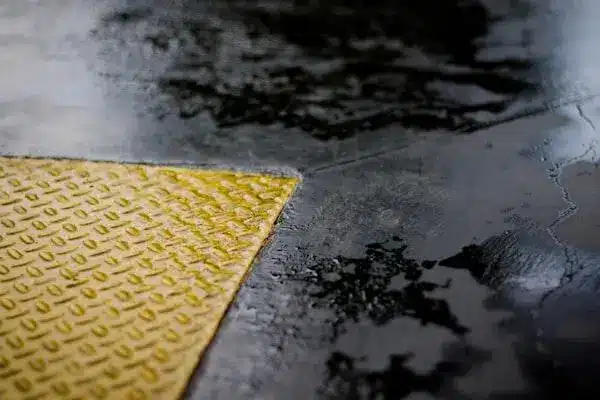
One-part epoxy-labeled paints are usually acrylic products with a small amount of epoxy resin added. A two-part system mixes resin and hardener, then cures into a thicker and more chemical-resistant film that handles hot tires, dropped tools, and cleaning products far better.
If you are comparing systems, look for a true two-part product with clear spread rates, cure times, and surface-prep requirements. High-solids formulas also make comparison easier because more coating stays on the slab, film build is easier to judge, and long-term durability claims are clearer when you start with reliable epoxy floor paint.
Before coating, test the slab for moisture. Condensation under a taped plastic sheet is a warning sign, and so are dark damp patches, oil contamination, or powdery laitance on the surface.
Then create a profile the coating can grip. That usually means degreasing, repairing cracks, and grinding or etching as the manufacturer directs, followed by careful mixing, rolling within the stated pot life, and full cure before vehicle traffic returns.
Plan Color, Light, and Finish
Color works best when it solves a practical problem first and adds style second.
Light Reflectance Value, or LRV, tells you how much visible light a color reflects. High-LRV colors brighten dim corridors and small rooms, while mid-range neutrals hide scuffs better in busy family spaces.
Finish changes the way color reads. A flat off-white can soften a rough wall, while the same shade in semi-gloss may highlight every patch, wave, and roller mark.
Exterior color needs even more restraint. Very dark colors absorb heat, which can stress cladding, telegraph movement at joints, and in some cases void substrate warranties.
Sample boards beat tiny swatches every time. Paint a primed board, move it from daylight to lamplight, and look at it next to flooring, cabinetry, and trim before you commit.
Maintain Every Finish for Longer Service Life
The easiest way to delay repainting is to clean gently and fix small damage early.
Fresh paint needs time before you scrub it. Follow the cure guidance on the data sheet, then use a damp microfiber cloth and mild detergent instead of harsh powders or stiff pads.
Outside, inspect painted surfaces with the change of seasons. Failed caulk, small rust spots, and hairline cracks let water in fast, and those tiny defects grow into peeling areas if they sit through one wet spell.
Floors need the same discipline. Sweep grit often, wipe up oil and brake fluid quickly, and use neutral-pH cleaners on epoxy systems so the topcoat keeps its gloss and slip resistance longer.
Save labeled touch-up paint for each room and keep a short record of brand, sheen, and color code. That one habit prevents guesswork when a repair comes up two years later.
Know When to Hire Professional Painters
Some jobs stop being good DIY projects the moment safety rules, spraying, or tight schedules enter the picture.
Lead-safe containment, occupied-home turnarounds, large exterior repairs, spray-applied coatings, and multi-stage floor systems all demand better tools and tighter control than most homeowners have on hand. Skilled crews bring moisture meters, surface-prep equipment, and written processes that reduce adhesion failures and uneven sheen.

Ask for a clear scope, product data sheets, prep standards, and proof that the crew knows how to handle the substrate in front of them. If the job includes repairs, spraying, or a live-in schedule, a specialist team can save time, protect indoor air, coordinate other trades, and prevent expensive rework, so this is when people usually call professional painters Auckland.
Protect Painted Surfaces From Vehicle Damage
Sometimes the real threat to a paint job is impact, not weather, moisture, or poor chemistry.
Garage entries, rendered walls, gate posts, and curb edges get hit more than most owners realize. If bumpers or wheels keep clipping the same area, even a strong coating will chip and the repair cycle will never end.
The fix is usually physical protection, not another coat of paint. In tight driveways or shared parking areas, a fold-down post can control access, protect corners, and keep vehicles away from freshly painted walls while still allowing clearance when needed.
Placement matters as much as the product. Set the post far enough from the wall to stop the bumper first, make sure doors can still open, and use a contrasting high-LRV marking so drivers can see it at night.
Common Questions
A few simple checks answer most paint-buying questions before they turn into expensive mistakes.
How Do I Know if My Wall Paint Is Truly Washable?
Look for EN 13300 Class 1 or 2, tested under ISO 11998, rather than broad marketing claims. In the United States, some brands cite ASTM D2486 scrub results instead. If possible, test your own cleaner on a hidden area after full cure.
Are Low-VOC Paints Enough for Bedrooms and Nurseries?
Not always. Low-VOC labels describe the product in the can, and colorants can add VOC as well. For sleeping areas and sensitive occupants, emissions testing such as CDPH Standard Method v1.2 or GREENGUARD Gold gives a clearer picture.
Can I Paint New Concrete Before the Full 28-Day Cure?
Some specialty systems allow earlier coating, but you still need the product data sheet, moisture testing, and the correct pH range. Waiting the full cure period is slower, but it reduces blistering and adhesion problems that are hard to fix later.
What Is the Difference Between One-Part and Two-Part Epoxy?
One-part products are usually modified acrylic coatings and are easier to apply. Two-part systems combine resin and hardener, then cure into a denser film with better resistance to chemicals, abrasion, and hot-tire pickup, which is why they suit garages and workshops.
Which Sheen Hides Wall Imperfections Best?
Flatter sheens hide patched areas, waves, and surface texture best because they reflect less light. The trade-off used to be lower cleanability, but modern Class 1 matte paints narrow that gap and work well in many busy rooms.