You carefully wrap up your Christmas ornaments, pack up the Thanksgiving decor, and tuck away the string lights until next year. Months later, you pull everything back out and notice chew marks, stains, or a musty smell. Uh oh!
Obviously, that is not what you want. The good news is, you can store your seasonal decor without inviting pests in by using a few simple storage habits.
Use Pest-Resistant Containers
Cardboard boxes are easy to stack, but they are also easy to chew. Airtight plastic storage bins with tight-fitting lids create a strong barrier against mice, roaches, and silverfish.
Experts interviewed by Tom’s Guide recommend durable, sealed containers for garage and attic storage. A sealed bin does more than organize your decor. It blocks scent trails and keeps pests from detecting fabric, glue, and dust that attract them in the first place.
Clear bins also help you spot problems early. Droppings, shed skins, or gnawed edges are easier to see before the damage spreads.
Clean Every Item Before Packing Away
Food residue is one of the biggest reasons decorations attract pests. Even a small crumb on a tree skirt or a sticky ornament can invite trouble.
Before packing, wipe down hard decor with a gentle cleaner and let everything dry fully. For fabrics, wash or dry-clean tree skirts, stockings, and table runners.
A clean, dry item is far less interesting to rodents and insects. Moisture and food particles are two of the main triggers for stored-item infestations. Removing both lowers your risk right away.
Choose the Right Storage Location
Where you store decorations matters just as much as how you pack them. Garages, sheds, and attics often have small gaps that allow pests inside.
Keep bins off the floor by placing them on shelves. Avoid direct contact with walls, especially exterior ones, where rodents often travel.
Experts at Modern Storage suggest keeping storage areas dry and well-ventilated. Humidity attracts insects and encourages mold, which can damage decor and make it more appealing to pests.
If your attic or garage frequently has pest activity, consider moving sentimental or expensive pieces indoors to a climate-controlled closet.
Add Natural Deterrents for Extra Protection
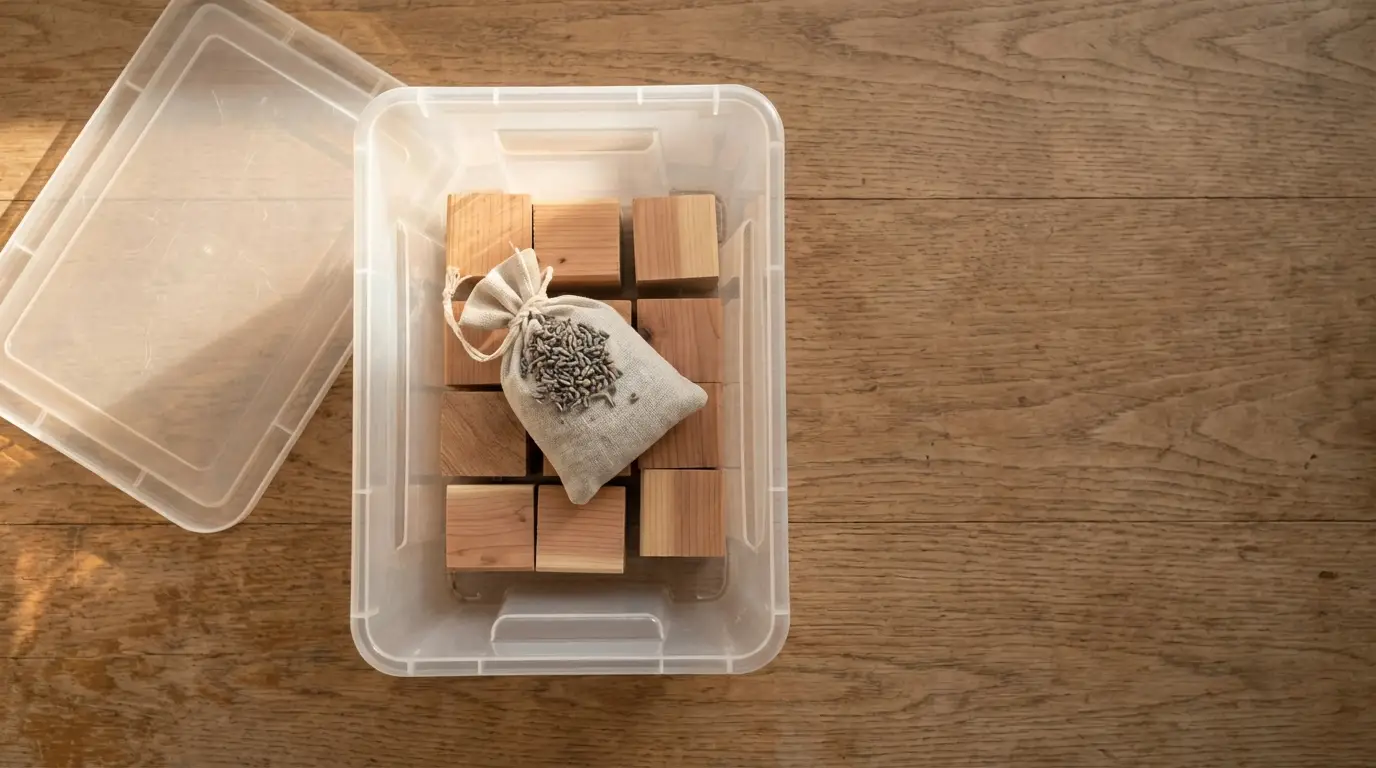
Sealed containers are your first defense, but light deterrents add another layer of protection. Scent-based options can discourage rodents from exploring your bins.
Before closing each container, consider placing:
- Cedar blocks inside fabric storage bins
- Sachets of dried lavender near ornament boxes
- Moisture-absorbing packs in damp areas
Natural deterrents are not a replacement for sealing entry points, but they make your stored decor less inviting. Strong, unfamiliar scents often push rodents to look elsewhere.
Inspect and Rotate During the Off-Season
Packed boxes should not be forgotten for 11 months. A quick mid-season check can prevent a small issue from turning into a full infestation.
Set a reminder to inspect storage areas every few months. Look for droppings, chew marks, or shredded material near bins.
Early detection protects both your decor and your home. Catching signs of activity quickly allows you to respond before pests spread into living spaces.
What to Do If You Find Pests
Finding droppings or damage can feel overwhelming, but fast action matters. Remove affected decor carefully and avoid handling droppings without gloves.
Then, seek professional help. Scheduling a trusted pest control service can treat the problem at its source.
After a thorough inspection of your home, professional services can provide the best treatment plan to suit your needs.
Protecting Your Seasonal Decor From Pests Year-Round
Store seasonal decor without inviting pests by combining clean-up, sealed containers, smart placement, and routine checks. Small habits now can prevent costly damage later.
Was this article helpful? In that case, take a look at our other informative posts!