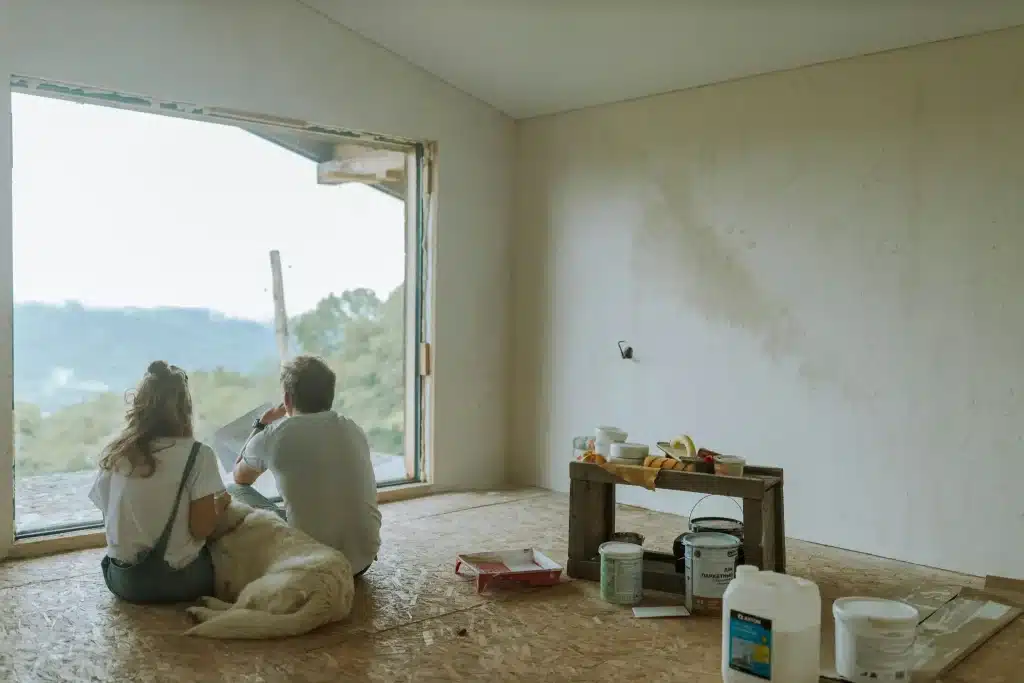
Taking on a home project feels like a massive adventure at the start of the process. You imagine the fresh paint and perfect tile without thinking about the dust and noise.
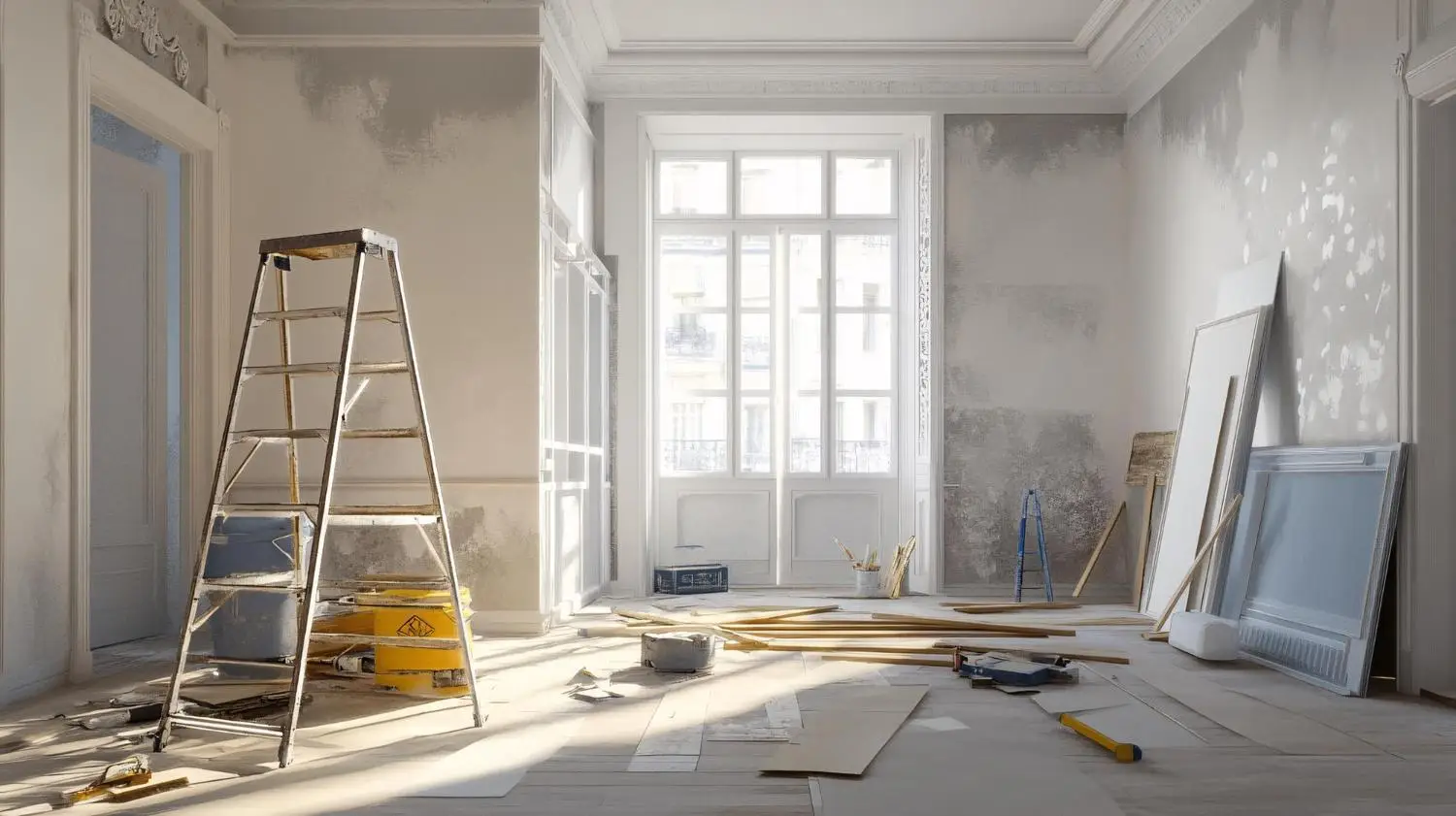
The reality of living in a construction zone hits hard after only a few days of work. Staying organized helps you keep your sanity as your house sits in pieces.
Set a Realistic Timeline
Planning every detail before the hammers start swinging keeps the project moving in the right direction for everyone involved. You need to know when each phase starts and ends to avoid overlapping trades or having workers wait for materials. This simple step prevents unnecessary waiting periods for your crew throughout the long weeks of construction.
Contractors appreciate a clear roadmap that outlines the full scope of work from start to finish. It helps everyone stay on the same page from the first day of demolition. Having a plan reduces the number of questions you receive during the busy workday.
Budget for the Unexpected
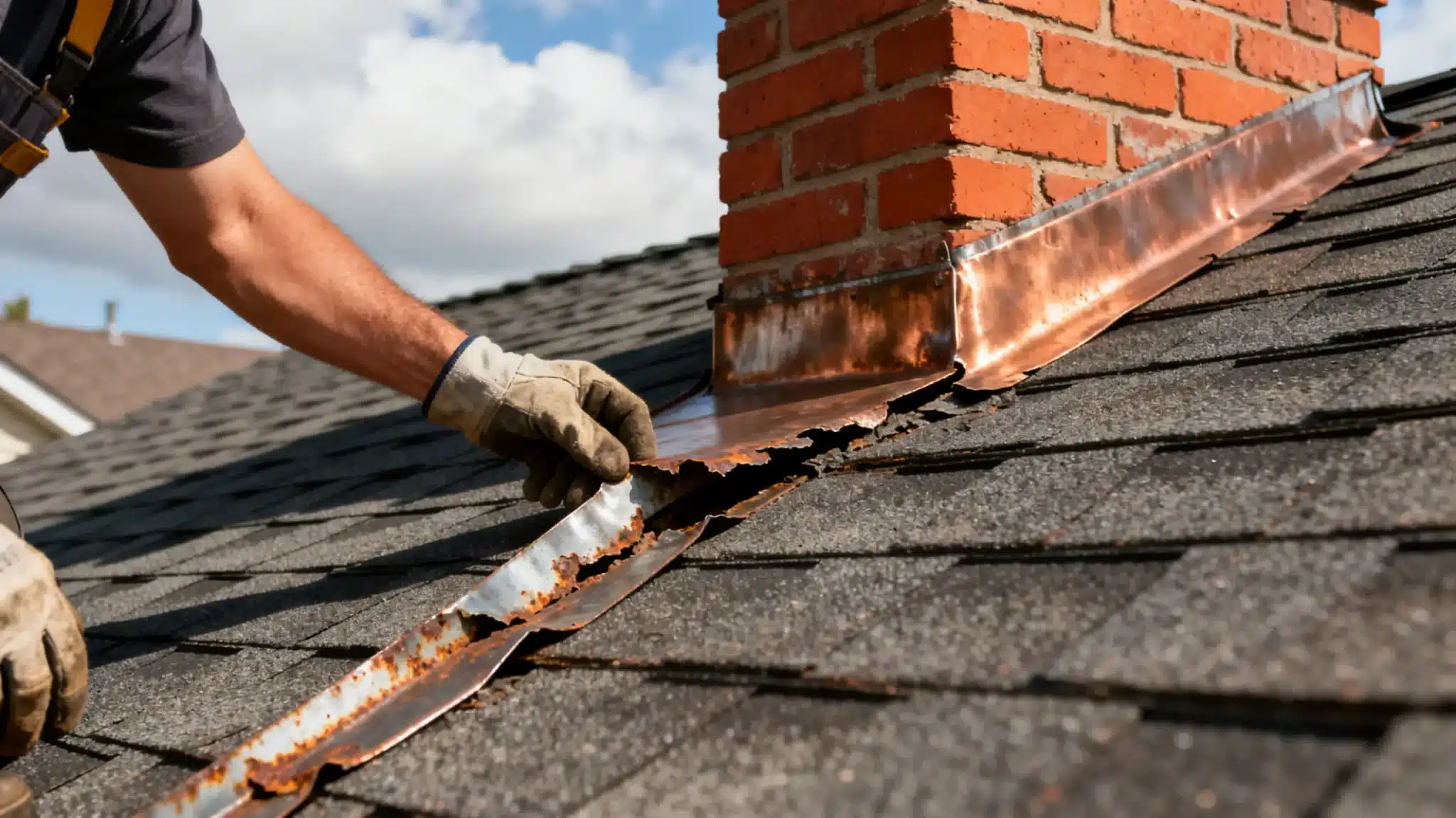
Hidden issues often lurk behind the walls of older homes and require immediate attention. You should always have a backup fund ready for those surprises that nobody could see coming. Small repairs to old wiring or pipes can add up if you do not plan for them.
Money disappears faster than homeowners expect during a major remodel with many moving parts. Managing debris is a big part of the job, so you should book your dumpster rental online before the work begins. A central spot for waste keeps the site safe and much cleaner for the crew.
Surprises like old wiring or leaky pipes can show up when you least want them to appear. Having extra cash set aside makes these discoveries much easier to handle without stopping the project. You will feel much better knowing the money is there just in case things go wrong.
Prioritize the Structural Work
Focusing on the bones of the house keeps the structure sound for many years to come. It might not be as fun as picking out lamps, but it keeps the roof over your head. You should fix the foundation before you think about the color of the walls.
Architects have pointed out that homeowners frequently waste 20-30% of their money on avoidable rework. Getting the layout right the first time saves a fortune in the long run. Professional advice helps you spot these errors before they become permanent parts of the building.
Check your foundation and framing before you spend money on expensive marble or high-end appliances. A beautiful kitchen means nothing if the floor underneath is sagging or rotting from years of neglect. Spending money on the hidden parts of the house is a smart move for every owner.
Create a Functional Layout
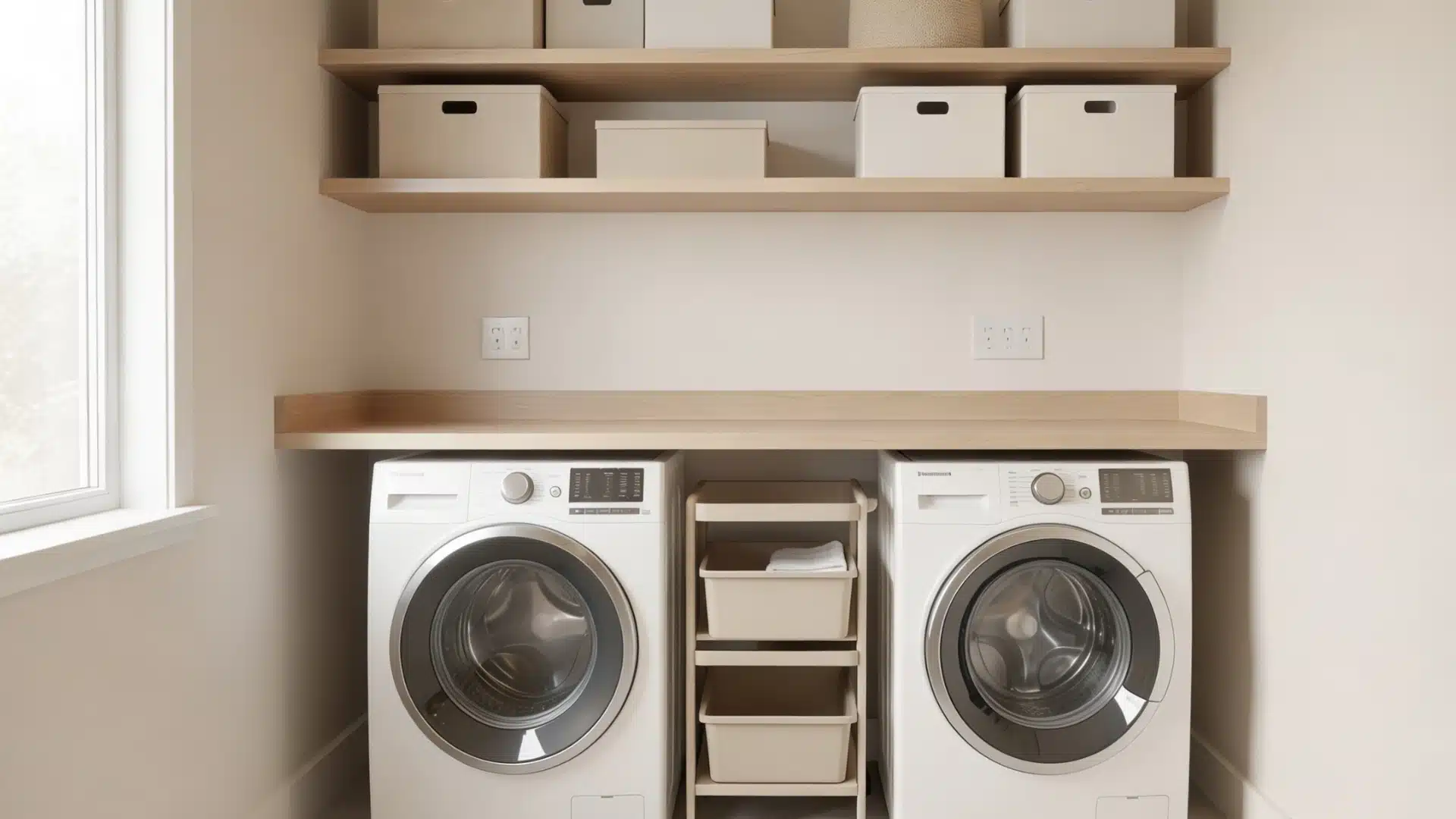
Modern homes need to work for every member of the family throughout the entire day. Designing spaces that serve multiple purposes makes the house feel much larger than the square footage suggests. You want a home that flows naturally from one room to the next without any effort.
Floor plans focus on adapting to changing family dynamics. These designs provide communal areas and private retreats for everyone to enjoy at the same time. Open spaces allow people to interact while still having a place for quiet tasks.
Think about how you move through the rooms during your normal morning routine every single day. Placing outlets and switches in the right spots makes a huge difference in your daily life. You should consider where the furniture will sit before the walls are closed up by the team.
Track Every Single Expense
Keeping a close eye on the ledger prevents the total cost from spiraling out of control. Small purchases for hardware or paint add up very quickly over several months of steady construction. You need to know where every dollar goes to stay within your limits.
Use these simple methods to stay on top of your spending without feeling overwhelmed by the math:
- Keep all your physical receipts in one folder.
- Update your spreadsheet every single evening after work.
- Compare actual costs against your original estimates for the job.
A study on home improvements found that 40% of people go over their initial budget during a project. Most of these overages come from underestimating the cost of finishes and custom cabinetry. Verifying the prices of materials before you sign any contracts helps you stay realistic about the final total.
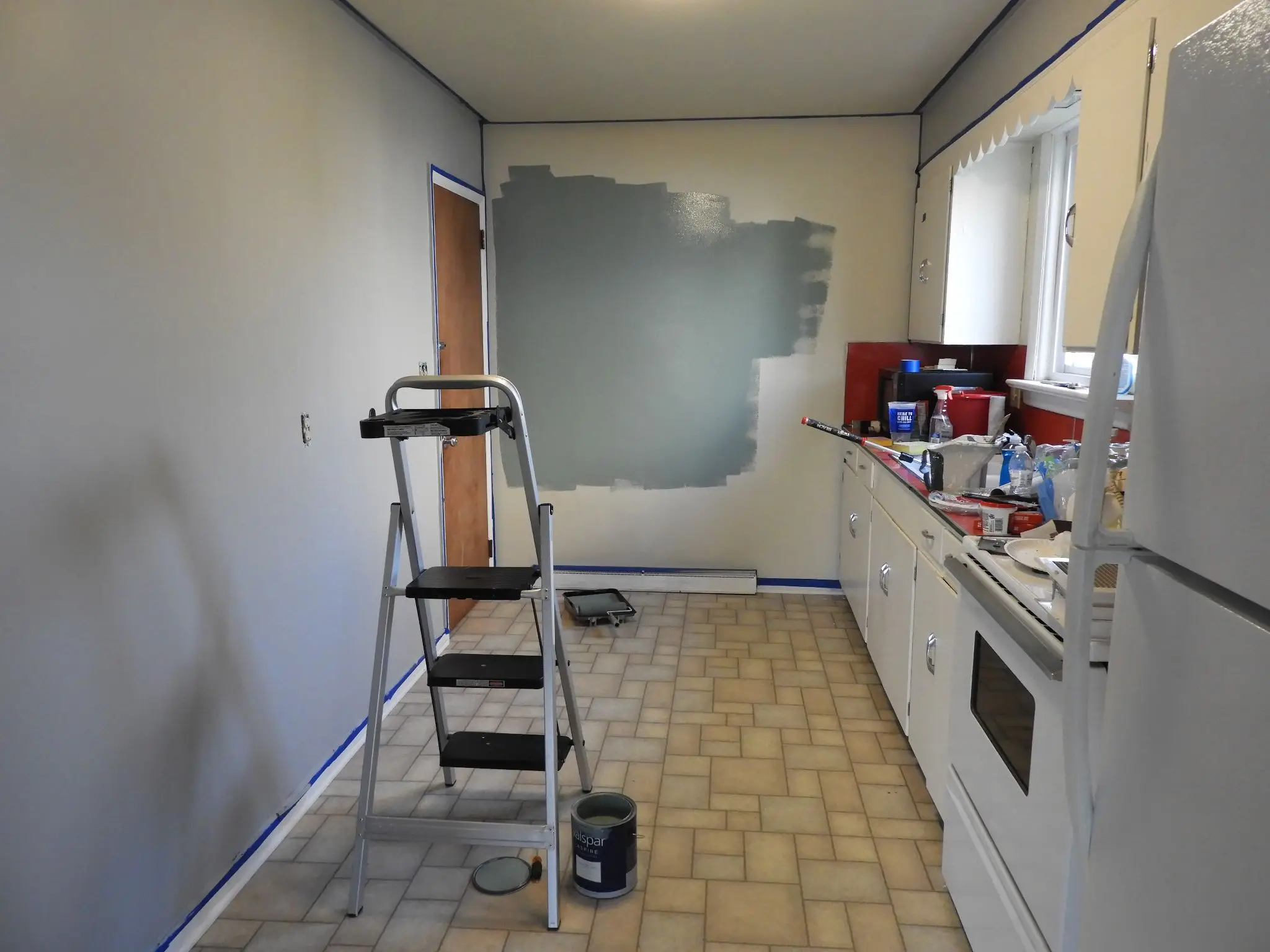
Focus on High Return Areas
Some rooms provide a much better value for your money when it comes time to sell the property. Kitchens and bathrooms usually offer the best return on your investment during a home renovation. Buyers look at these spaces first when they are deciding on a new house.
Real estate data shows that minor kitchen updates can offer a 113% return on investment for the owner. The value has increased significantly compared to the numbers from previous years. Making small changes can lead to big profits if you decide to list the home on the market.
You do not have to gut the whole room to see a big difference in the feel. Swapping out old appliances or painting the cabinets can transform the entire space for a fraction of the cost. Focus on the details that catch the eye and provide the most utility for your family.
Manage Your Mental Health
Living through a remodel tests the patience of even the calmest people. It is normal to feel overwhelmed by the noise and the constant presence of workers in your space. Finding ways to relax helps you get through the most difficult days of the build.
Experts in the field suggest that accepting inevitable mistakes and delays helps reduce anxiety for the family. Expecting perfection during a messy process only leads to more frustration as the weeks go by. You should keep your eyes on the final result instead of the daily mess.
Take breaks from the construction site by spending time in a local park or a quiet cafe nearby. Having a space away from the dust helps you recharge your batteries and stay positive about the work. Your home will eventually be yours again once the crews finish their tasks.
Prepare for the Final Stretch
The last few weeks of a project often feel like they take the longest to finish for everyone involved. Seeing the finish line makes every small delay feel much more annoying than it actually is. You must stay focused on the details to get the job done right.
Follow these steps to wrap up the project and get your house back in order:
- Walk through the space with your contractor to find errors.
- Make a list of every tiny detail that needs fixing.
- Stay patient as the final trim and paint are applied.
Designers note that the home stretch is when time feels like it slows to a crawl for the owners. You should try to enjoy the transformation as the final pieces fall into place around you. The excitement of seeing your vision come to life is a great feeling after months of work.
Walking into a finished room makes all the months of stress feel worth the effort in the end. You can finally sit back and appreciate the hard work that went into your home – everything looks exactly as you planned.
The dust eventually clears and reveals the beautiful space you worked so hard to build for your family. Take a moment to celebrate your new surroundings with your friends and enjoy the comfort of your updated home.