Moving into a new house is not just about hauling boxes from one address to another. It is the setup phase for every decorating decision that follows, from where the sofa lands to how the walls will eventually feel lived in. A smooth move gives homeowners a cleaner start, less clutter, and a better sense of how each room should function.
That is why planning matters so much. A well organized move saves time, protects furniture, and makes the decorating process feel less chaotic. For homeowners settling into Mason, this is especially useful, since local timing, neighborhood access, and service coordination all shape how easy the first few days in a new home feel.
1. Start With the Rooms That Matter Most
The first priority is not every room at once. It is the spaces that affect daily life right away. Most homeowners settle more quickly when the bedroom, kitchen, and bathroom are ready first. These rooms create a basic sense of order, and that order makes the rest of the house easier to handle. A simple room by room plan keeps the move focused.
- Unpack bedding before decorative items
- Set up basic kitchen tools before sorting serving pieces
- Keep bathroom essentials in one clear container
- Leave seasonal decor and extra accessories for later
When those core rooms are functional, homeowners can make better decorating choices for the rest of the house.
2. Work With the Floor Plan Before Moving Furniture
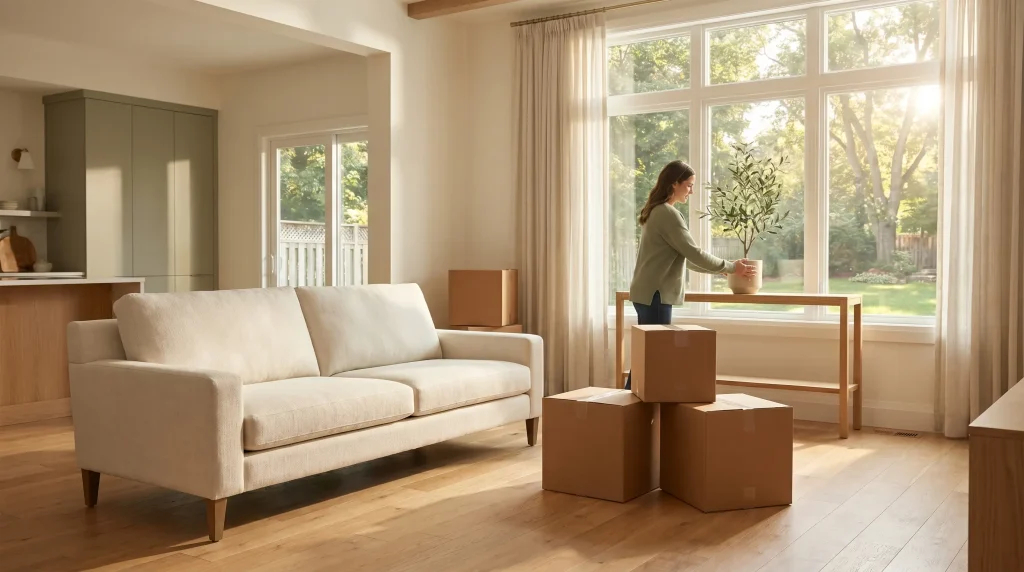
Furniture placement affects everything that comes after it. A sofa in the wrong spot can block light, disrupt traffic flow, and make a room feel smaller than it really is. Before moving day, homeowners benefit from measuring the main pieces and sketching a simple layout for each room.
This is where local moving support helps. Experienced Mason Ohio movers understand how to place large items carefully while protecting walls, floors, and door frames. That saves homeowners from moving the same heavy pieces twice. It also gives them a clearer starting point for decorating around the furniture they already own.
Even a rough layout makes decisions easier. It helps homeowners know where rugs, lamps, art, and accent chairs belong before the first box is opened.
3. Label Boxes by Room and Priority
A move becomes more manageable when every box has a purpose. Labels that only say “kitchen” or “bedroom” are useful, but priority labels are better. A box marked “kitchen, first day” gets opened long before “kitchen, holiday dishes.”
Clear labels also help when the decorating phase begins. Homeowners do not want decorative candles, throw pillows, and picture frames mixed with basic tools and cleaning supplies. Helpful label categories include:
- Room name
- Open first, open later, or storage
- Fragile items
- Decor, essentials, and furniture accessories
This small habit saves hours later and keeps the home from turning into a stack of mystery boxes.
4. Pack a Decor Starter Kit
The first week in a new house often feels unfinished. That is normal. A decor starter kit helps the space feel settled before the full design plan is in place. It should include a few everyday pieces that make a room feel intentional instead of temporary. A practical starter kit includes:
- Lamp bulbs
- Batteries
- Extension cords
- Curtain hooks or rods
- Picture hanging supplies
- Measuring tape
- Scissors, tape, and a utility knife
- A few favorite decorative pieces
This kit gives homeowners the flexibility to test room layouts without digging through dozens of packed boxes. It also prevents the common problem of wanting to hang art or install curtains and realizing the tools are still packed somewhere else.
5. Protect the Items That Shape the Room
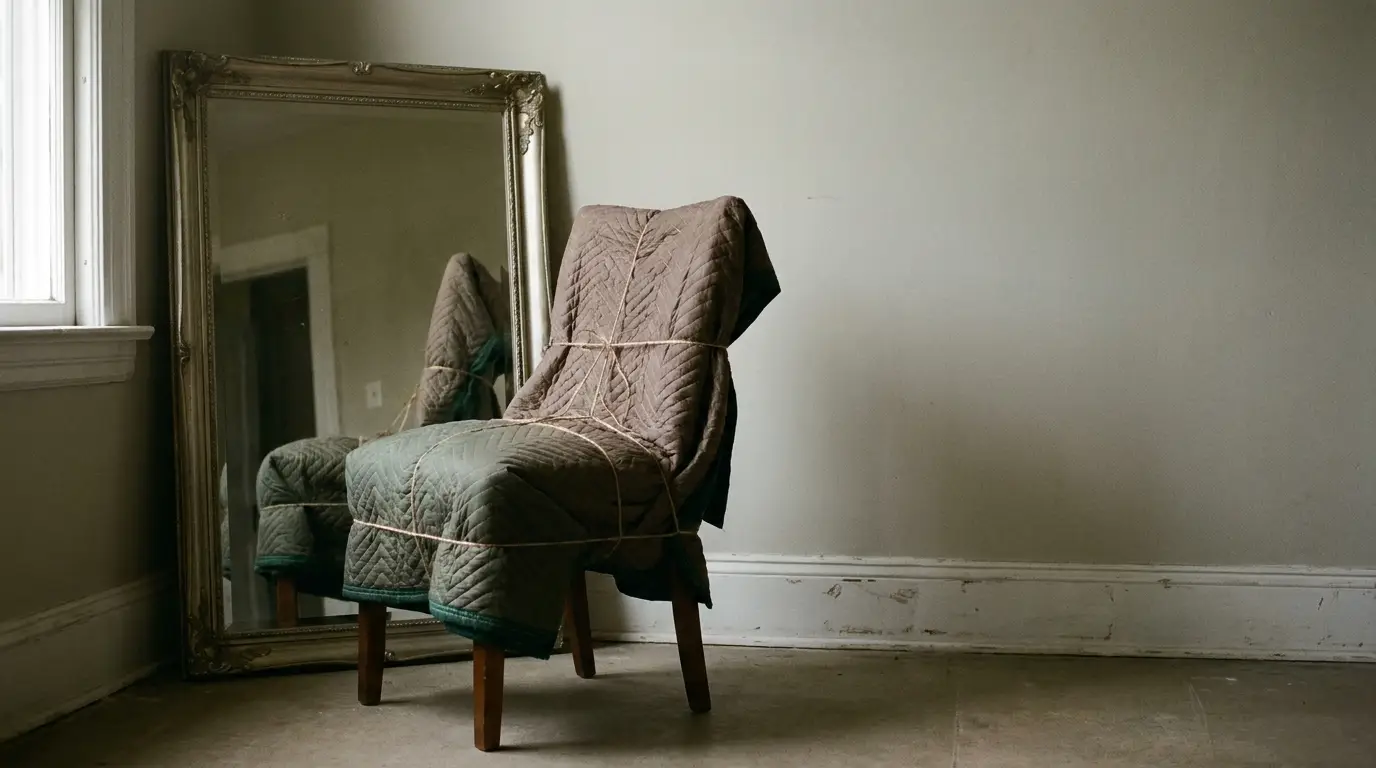
Some belongings do more than fill a space. They define it. A dining table, mirror, accent chair, or framed print can set the tone for an entire room. Those items deserve careful handling during the move because damage to one piece can slow down decorating for days or weeks.
Homeowners should wrap these items well, keep hardware in labeled bags, and avoid stacking heavy boxes on top of them. It also helps to move irreplaceable or high value pieces separately whenever possible.
Homeowners who work with Mason Ohio moving companies often find it easier to stay focused on decorating because the move itself feels less disruptive from the start.
Careful handling matters because decorating often starts with what already exists. When the key items survive the move in good condition, the home comes together faster and with less stress.
6. Use the Move to Edit What Stays
Moving is one of the few moments when homeowners can look at every possession with fresh eyes. That makes it the right time to edit. A new home rarely needs every item from the old one, and clutter has a way of making decorating harder than it needs to be.
Before unpacking everything, it helps to sort belongings into a few clear groups.
- Keep
- Donate
- Store
- Replace later
This is especially useful for decor that no longer fits the new space. A lamp that worked in one living room may feel too small in a larger one. A side table that looked fine before may no longer suit the home’s style. Editing during the move creates room for better choices later.
7. Match Moving Order to Decorating Goals
The order of unpacking should support the design plan, not fight it. If homeowners know the living room will eventually be a bright, open space, they should avoid filling it with random boxes that block the view. If the kitchen is the first room they want to finish, that space should be cleared and organized first.
This is where the move and the decorating process connect directly. The house does not need to look finished on day one. It needs a logical structure. Once the heavy items are placed and the basics are unpacked, the design choices become clearer.
Good moving support makes this part easier because the home is set up in a way that respects the final layout, not just the logistics of getting boxes inside.
8. Keep a Cleanup Kit Close By
A new home usually needs a wipe down even after it is emptied. Dust, scuffs, and small debris are normal after a move. A cleanup kit keeps homeowners from unpacking into a mess and helps rooms feel ready for decorating. The kit should include:
- Paper towels
- All purpose cleaner
- Glass cleaner
- Microfiber cloths
- Trash bags
- A broom or vacuum
- Sponges and gloves
Cleaning before decoration gives the home a better foundation. Walls look better when they are clean. Shelves feel more finished when they are dusted. Even the smallest decor details stand out more when the surrounding surfaces are fresh.
9. Give Each Room a Temporary Purpose
A completely finished house is not necessary in the first week. In fact, it often works better when homeowners assign temporary roles to each room. One room can function as a staging area, another as a quiet unpacking zone, and another as a place for finished furniture only.
This prevents the whole house from becoming a jumble of half opened boxes. It also helps homeowners move through the decorating process in stages instead of trying to complete everything at once.
Temporary room use keeps the home livable while the final style takes shape. That approach is especially useful for families balancing work, children, and daily routines during the move.
10. Think About Lighting Early
Lighting changes how every room feels. It affects color, mood, and even how large a room appears. Homeowners who wait too long to think about lighting often end up decorating around a problem instead of solving it from the start.
Before the furniture is fully arranged, it helps to test:
- Lamp placement
- Window treatment coverage
- Natural light during different times of day
- Overhead lighting in the evening
Once that is clear, the decorating choices become more accurate. A wall color that looked warm in daylight may feel different at night. A reading chair needs different lighting than a display corner. Good lighting makes the whole home feel more intentional.
11. Save the Style Details for the Final Pass
The last stage of a move is where decorating starts to feel real. This is when homeowners should bring out the accessories, layer in texture, and decide what each room needs to feel complete. The house does not need a full design scheme on day one. It needs a strong base first.
That final pass can include:
- Hanging art
- Styling bookshelves
- Adding rugs
- Placing plants
- Choosing throw pillows and blankets
- Refining shelf and tabletop decor
This step works best when the major furniture pieces are already in place and the home has been lived in for a few days. The pause helps homeowners see what the rooms actually need instead of guessing in a rush.
A Better Start Leads to Better Rooms
Moving is more than a physical task. It sets the tone for how a home will be organized, decorated, and lived in. When homeowners plan carefully, label clearly, and unpack in the right order, they give themselves a better chance to enjoy the decorating process instead of fighting against it.
For anyone settling into a new home, smart moving choices create more than convenience. They create breathing room. And in a house that is still taking shape, that breathing room is what turns a move into a real beginning.