Sometimes, it is difficult to understand what plant it is, especially if you are not a botanist or an expert in gardening. This guide explains how to identify a plant using simple methods and modern tools, and no botany background or deep research is required.
Two Ways to Identify a Plant
There are two main approaches to plant identification: manual observation and using digital tools. The first method involves examining features like leaf shape, color, flowers, and growth patterns, then comparing them with guides or databases. While effective, it requires time and some experience.
The second approach is using a plant identifier app or similar tools that can identify a species from a photo. This method is faster, more accessible, and often more accurate (up to 98%), especially for beginners who may not recognize subtle botanical details.
3 Steps to Identify a Plant From a Photo
If you want to know how to identify a plant from a photo, a dedicated identifier app like Botan can make the process quick and simple. To understand how BotanApp.com identifies plants in just a few steps, look at the list below:
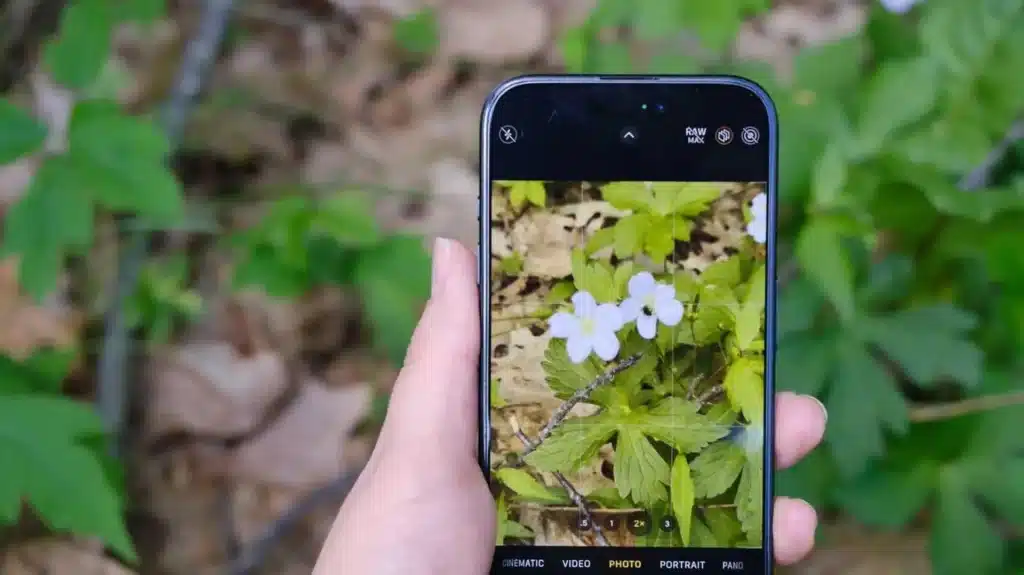
- Take a clear photo, ideally showing the leaves, flowers, or overall shape.
- Upload the image to the app and let it analyze the visual details.
- Get the result and compare it with the suggested match, including key characteristics shown in the app.
This method is especially useful when you need a fast answer to the question, “What plant is this?”
Plant Identifier App vs. Google Lens
A special app is made specifically for recognition, while Google Lens is a general-purpose visual search tool. Thus, dedicated tools provide more accurate and detailed results.
|
Feature |
Plant Identifier App |
Google Lens |
| Result accuracy | Uses world databases and AI models trained on botanical data | Relies on general image matching across mixed categories |
| Identification depth | Provides species details, care info, and characteristics | Usually offers basic or surface-level matches |
| Data sources | Cross-checks multiple datasets and references | Pulls results from general web images |
| Use case focus | Designed specifically for a concrete purpose | Designed for broad visual search (objects, text, products) |
| Reliability for plants | More consistent for similar-looking species | Can confuse species with visually similar objects |
How to Identify a Plant Without an App
Manual identification takes more time, but it helps you truly understand how plants differ from one another. By learning to read visual and environmental clues, you build skills that make future identification faster and more accurate.
Look at the Stem, Leaves, and Flowers
The most reliable way to identify a plant is to examine several features at once. Leaves can reveal shape, size, texture, and vein patterns, while stems show whether the plant is woody, soft, thick, or trailing. When present, flowers provide strong clues through their color, structure, and arrangement. Looking at just one trait can be misleading, but combining these characteristics gives a much clearer and more accurate identification.
Consider the Growing Environment
A plant’s environment often hints at its identity. Factors like light exposure, humidity, temperature, and placement (indoors vs. outdoors) narrow down possible species. For example, houseplants thriving in low light are often shade-tolerant varieties, while those in bright, dry areas may be succulents. Understanding where and how a plant grows helps you eliminate unlikely options and focus on realistic matches.
Use Botanical Sources to Verify
After observing the plant’s features, it’s important to confirm your conclusion using reliable sources. Cross-checking prevents mistakes and ensures accurate identification. Trusted references include databases like the Royal Horticultural Society, the Missouri Botanical Garden, and Kew Gardens. These sources provide detailed descriptions, images, and classification data to help you verify your findings.
5 Tips for Getting an Accurate Identification
The accuracy depends directly on the quality and clarity of the image you provide. Even the best applications rely on visible details to deliver reliable results.
- Take photos in natural light to avoid color distortion.
- Capture close-up shots of leaves, flowers, or unique features.
- Include multiple angles if possible (top, side, and full plant).
- Avoid cluttered backgrounds that may confuse the analysis.
- Make sure the image is sharp and not blurry.
Following these simple steps improves your chances of getting a correct result.
When to Double-Check Your Result
Most identification results are accurate, especially when the photo is clear and detailed. However, it’s important to double-check when the plant may be edible, toxic to pets, or used for medicinal purposes, as mistakes can have real consequences.
You should also verify results if the plant closely resembles another species or if the app shows low confidence. In such cases, compare multiple sources or consult a reliable guide to confirm the results.
Final Thoughts
Accurate identification is the foundation of proper care, helping you understand what it needs to thrive. Today, photo-based tools have made recognition faster and more accessible than ever, allowing anyone to identify species with confidence in a few seconds.