Coffee is like a reset button for me. The moment my energy starts dropping, one cup is all it takes to get things moving again.
And, to be honest, I am a little possessive about it.
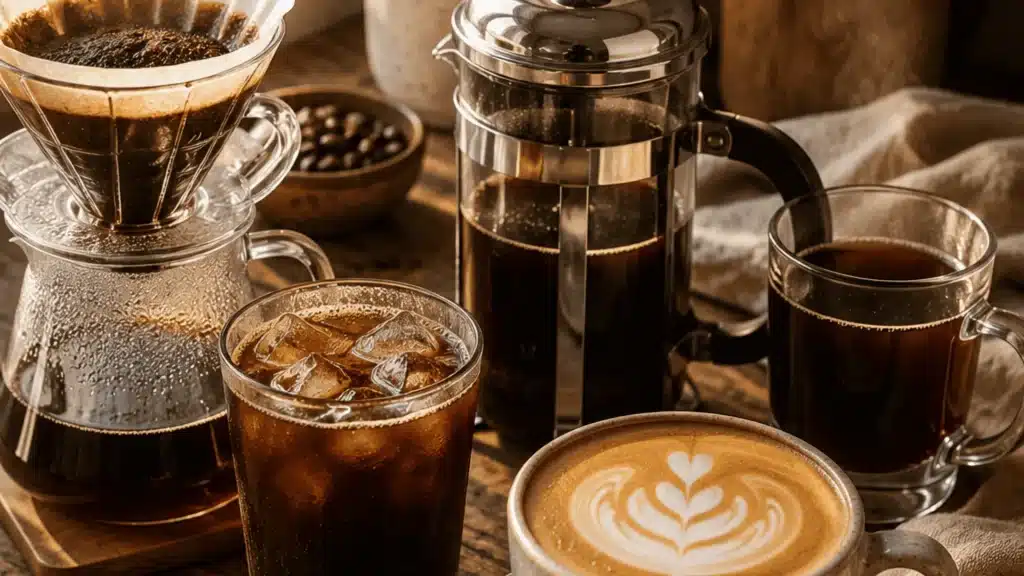
I have tried most types of coffee over time. Espresso, cold brew, lattes, pour overs.
But one day someone asked me, what is your style? That question got to me more than I expected. I like coffee, but how would I actually define my perfect cup?
That thought stayed with me for days. And that is what pushed me to really learn how to make coffee the way I like it, not just drink whatever is available.
And if you want to try something refreshing this summer, buttermilk is a must-try; click to get the full recipe.
Tips for Brewing a Perfect Cup of Coffee
Getting the cup right is less about skill and more about habit.
A few small things done consistently make a bigger difference than any expensive equipment ever will.
Always Use Fresh Coffee Grounds
Pre-ground coffee loses its flavor faster than most people realize.
Grinding just before brewing makes a noticeable difference in aroma and taste. If you buy pre-ground, store it in an airtight container away from heat and light.
Never Skip the Water Temperature Step
This is the one most people overlook. Water that is too hot scorches the grounds. Water that is too cool under-extracts them.
Staying in the 90 to 96 degrees Celsius range consistently gives you a cleaner, more balanced cup every time.
Clean Your Equipment Regularly
Old coffee oils build up inside your French press, dripper, or machine over time. That residue adds a stale, bitter taste to every cup you make after.
A quick rinse after each use and a proper clean once a week keeps the flavor honest.
Match Your Grind Size to Your Brewing Method
A fine grind works for espresso. A medium grind suits drip and pour-over. A coarse grind is best for French press and cold brew.
Using the wrong grind for your method is one of the fastest ways to ruin an otherwise good cup.
Best Way to Make Classic Brewed Coffee – My Go-To Style
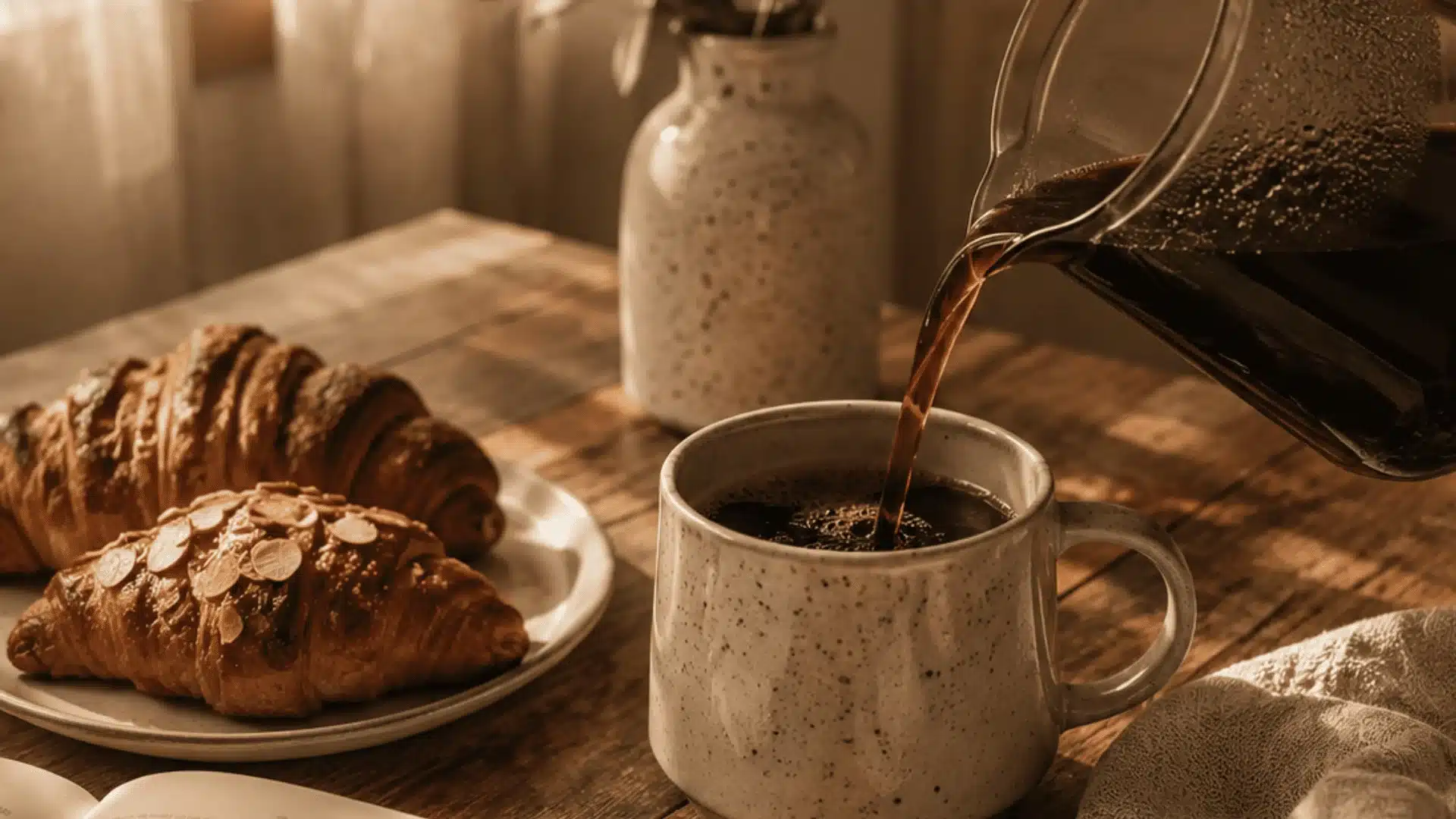
My love language is letting people try what I have learned in the kitchen, and this is no different.
So here is my go-to method, the one I keep coming back to, no matter how many other types I try.
Step 1: Measure the Coffee Properly
The most common mistake people make is guessing the amount. Too little and the cup tastes watery. Too much and it turns sharp and bitter.
A good starting point is two tablespoons of ground coffee for every six ounces of water. If you use a kitchen scale, aim for around 10 to 15 grams of coffee per cup. Once you find your sweet spot, stick with it.
Consistency is what separates a decent cup from a really good one.
Step 2: Heat Water to the Right Temperature
Boiling water is actually not ideal for coffee. Water at a full boil sits around 100 degrees Celsius, and that temperature can scorch the coffee grounds, which pulls out bitter compounds faster than you want.
The better range is between 90 and 96 degrees Celsius. If you do not have a thermometer, bring the water to a boil and then let it sit for about 30 seconds before pouring.
Step 3: Brew the Coffee Correctly
How you brew affects everything. The grind size, the contact time, and the method all play a role.
For a standard drip brew, a medium grind works best. The water should pass through the grounds steadily, not rush through. If the coffee tastes weak, the grind may be too coarse.
If it tastes overly bitter, try grinding slightly coarser or reducing brew time.
Step 4: Let the Coffee Rest Before Serving
This one sounds unnecessary, but it is important. After brewing, letting the coffee sit for 30 to 60 seconds allows the temperature to settle slightly and the flavor to even out.
Pouring immediately from a very hot brew can make certain acidic notes taste sharper than they actually are.
It does not need to cool down significantly. Just a short pause before you pour.
Step 5: Add Milk, Sugar, or Flavorings if Desired
This part is entirely personal.
Some people drink their coffee black, and that is a completely valid choice. Others like a splash of whole milk, oat milk, or a small spoon of sugar.
If you are adding milk, warm it slightly before mixing. Cold milk added to a hot cup drops the temperature faster than most people want.
A small pinch of cinnamon or a drop of vanilla extract can also add a quiet depth to the flavor without changing the overall profile too much.
How to Make Coffee Using Different Brewing Methods
There is no single right way to make coffee. A French press, pour over, and cold brew each pull something different out of the same bean.
How to Make Coffee Using a French Press
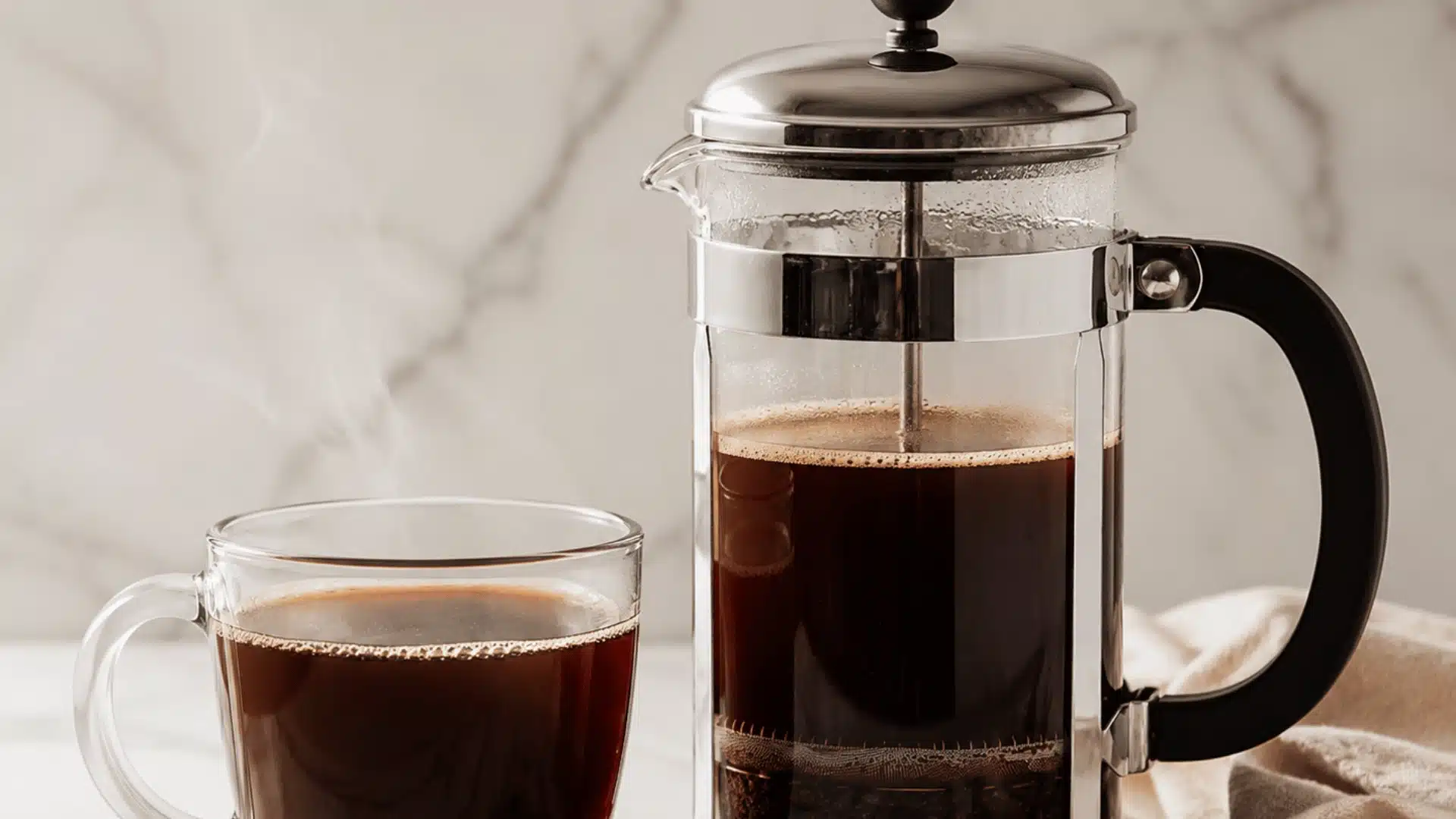
A French press gives you full control over the brew and produces a rich, full-bodied cup that many people find more satisfying than drip coffee.
Here is how to do it:
- Add coarsely ground coffee to the press. Use about 30 grams of coffee per 500 ml of water.
- Pour hot water at around 93 degrees Celsius over the grounds.
- Stir gently, place the lid on without pressing, and let it steep for four minutes.
- Press the plunger down slowly and steadily. Pressing too fast stirs up sediment.
- Pour immediately after pressing. Leaving brewed coffee sitting on the grounds makes it bitter over time.
French press coffee has more body and natural oils compared to filtered methods, which gives it that heavier, satisfying texture.
How to Make a Latte at Home
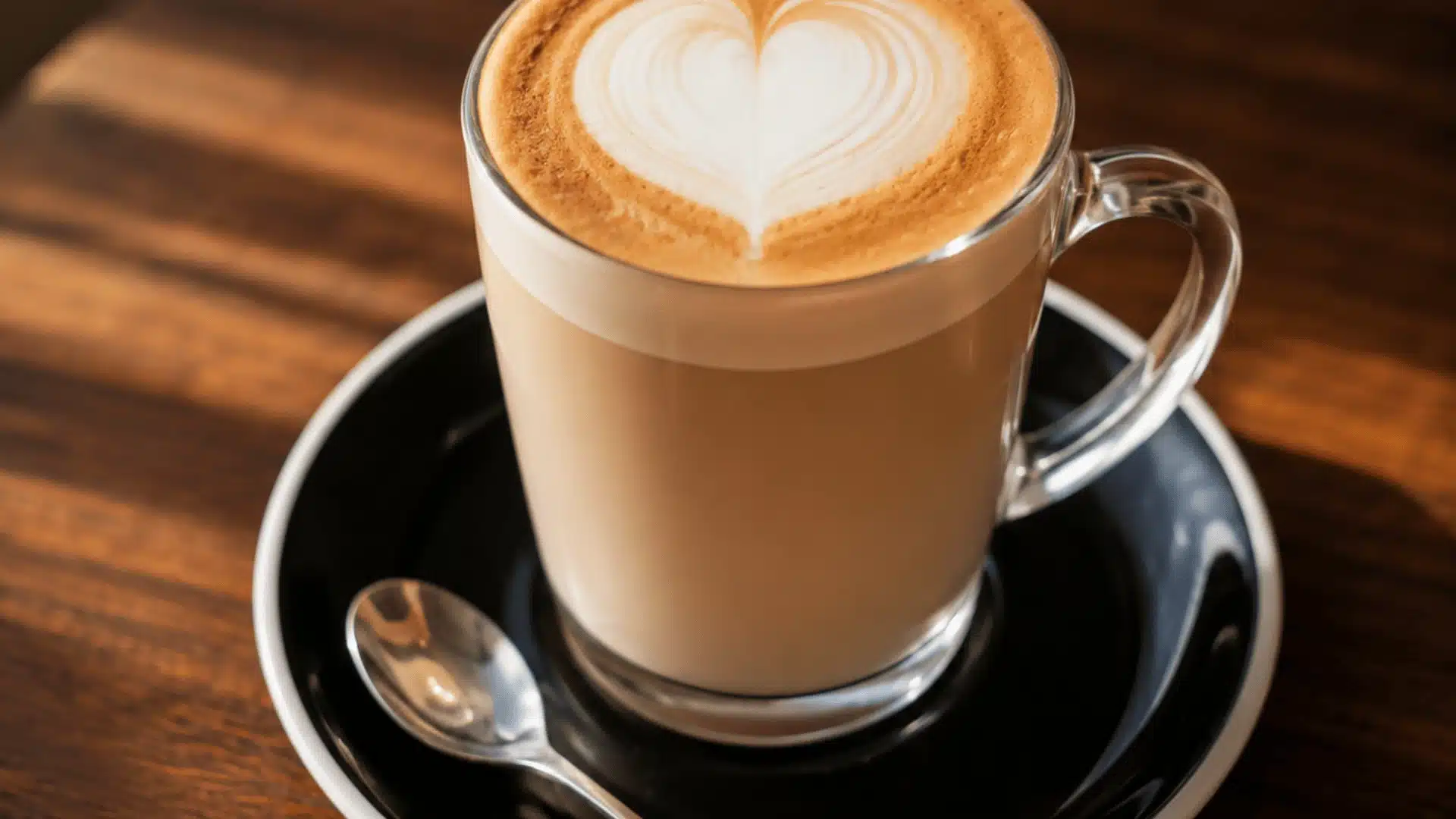
A latte is espresso with steamed milk. You do not need a full espresso machine to make one at home.
The milk-to-coffee ratio for a latte is typically around three parts milk to one part espresso or strong coffee.
- Brew a strong cup of coffee using a Moka pot or an AeroPress if you do not have an espresso machine. This gives you something close to the espresso base.
- Heat milk in a small saucepan over medium heat until it just begins to steam. Do not let it boil.
- Froth the milk using a small handheld frother or by shaking it in a sealed jar for about 30 seconds.
- Pour the hot coffee into a cup, then pour the steamed milk over it slowly.
How to Make Coffee with Instant Coffee
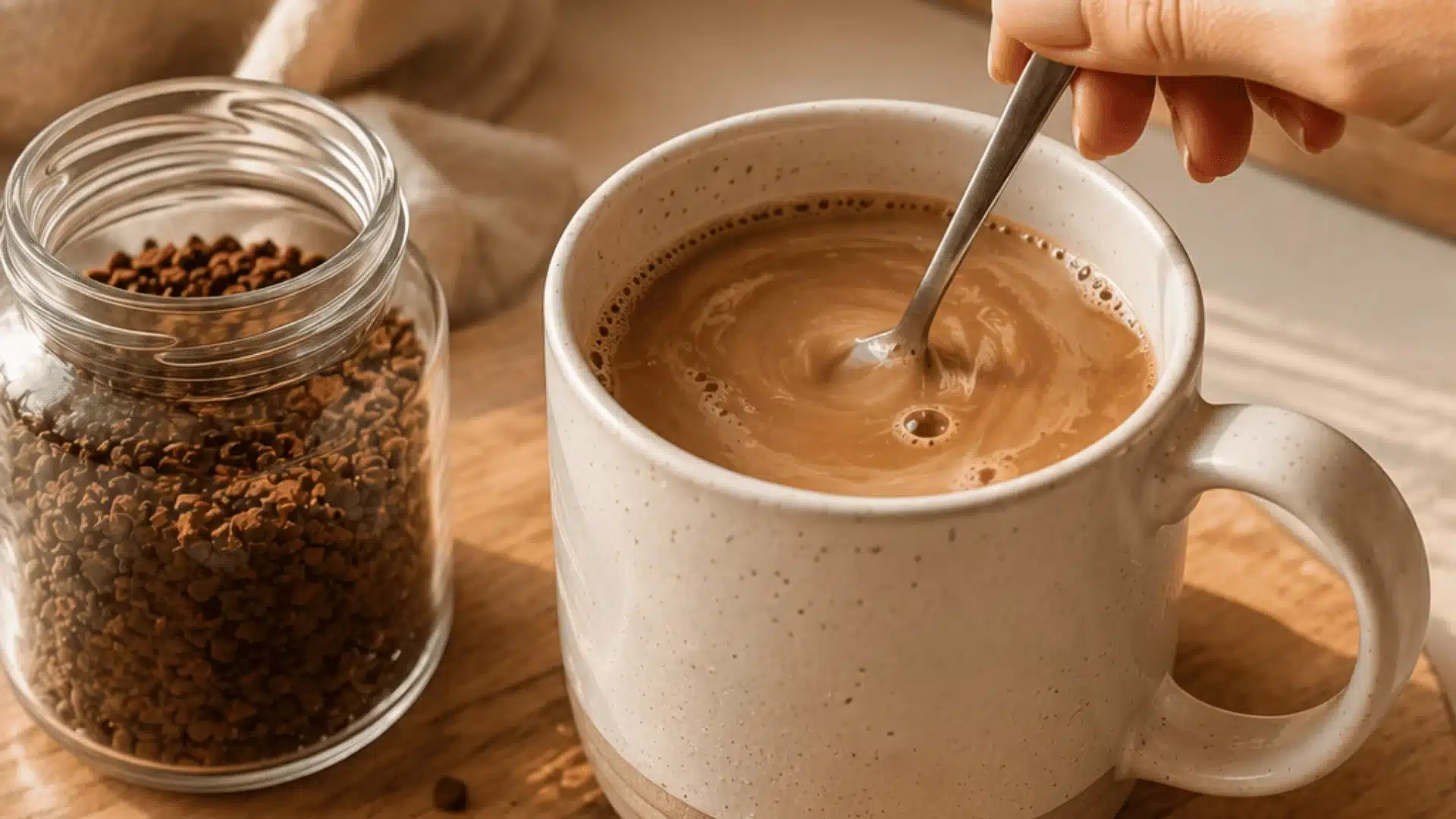
Instant coffee gets dismissed a lot, but a good brand prepared correctly can produce a solid cup, especially when you are short on time.
- Use one to two teaspoons per cup, depending on how strong you want it.
- Add a small amount of cold water first and stir until the powder fully dissolves. This step prevents clumping.
- Then add hot water and stir again.
- For a creamier result, use hot milk instead of water, or mix half and half.
The quality of instant coffee varies widely. A mid-range or premium instant brand will taste noticeably different from a budget option.
How to Make Pour-Over Coffee at Home
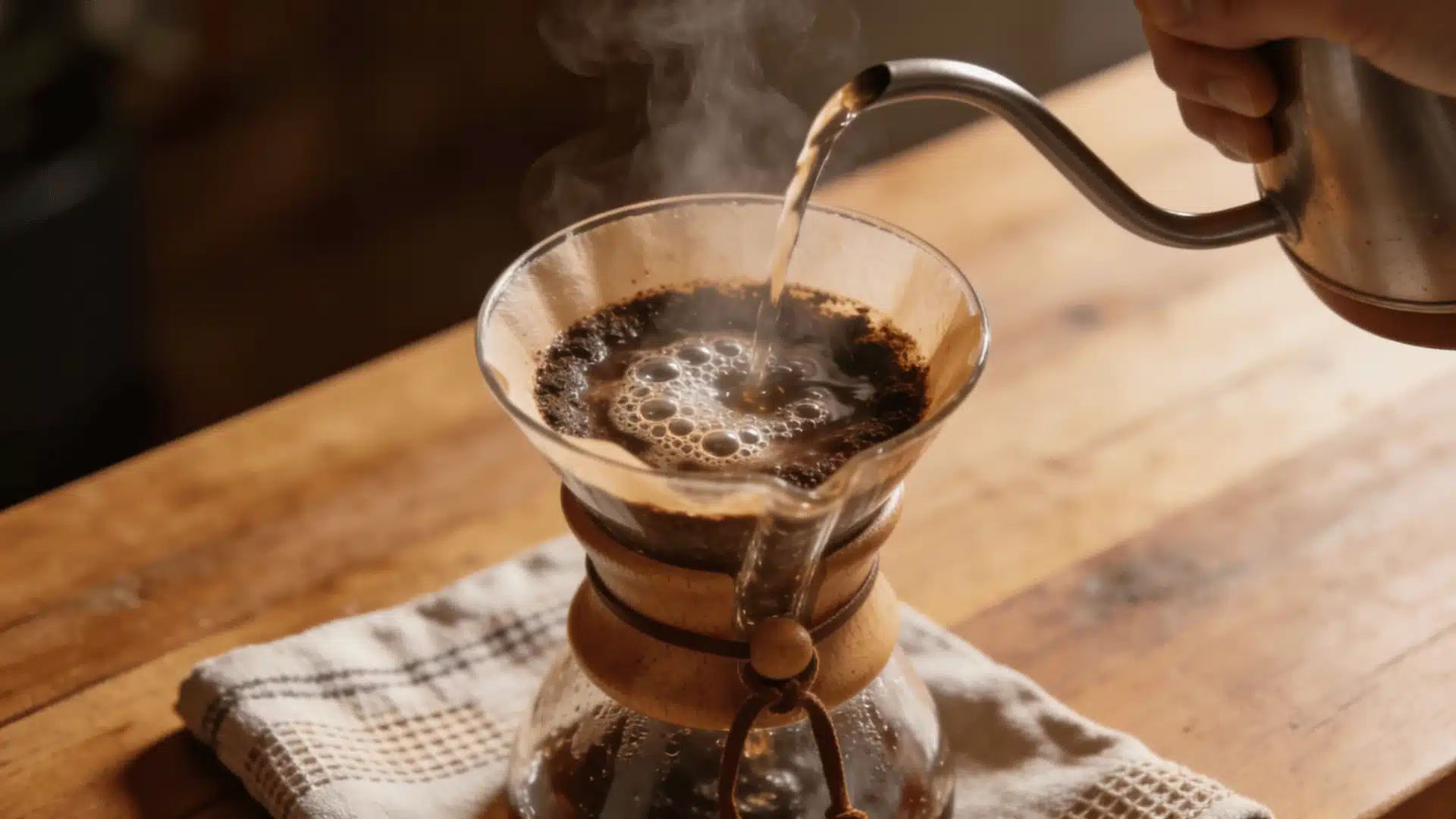
Pour-over is a manual brewing method that produces a clean, bright cup. It requires a pour-over dripper, a filter, and a little patience.
- Place a paper filter in the dripper and rinse it with hot water. This removes any paper taste and preheats the vessel.
- Add medium-fine ground coffee to the filter. A ratio of 15 grams of coffee to 250 ml of water is a reasonable starting point.
- Pour just enough hot water to saturate the grounds and let it bloom for 30 seconds. This releases trapped gases and improves flavor.
- Continue pouring in slow, circular motions until you reach your desired volume.
- The full brew should take about three to four minutes. If it goes much faster or slower, adjust your grind size.
How to Make Cold Brew Coffee
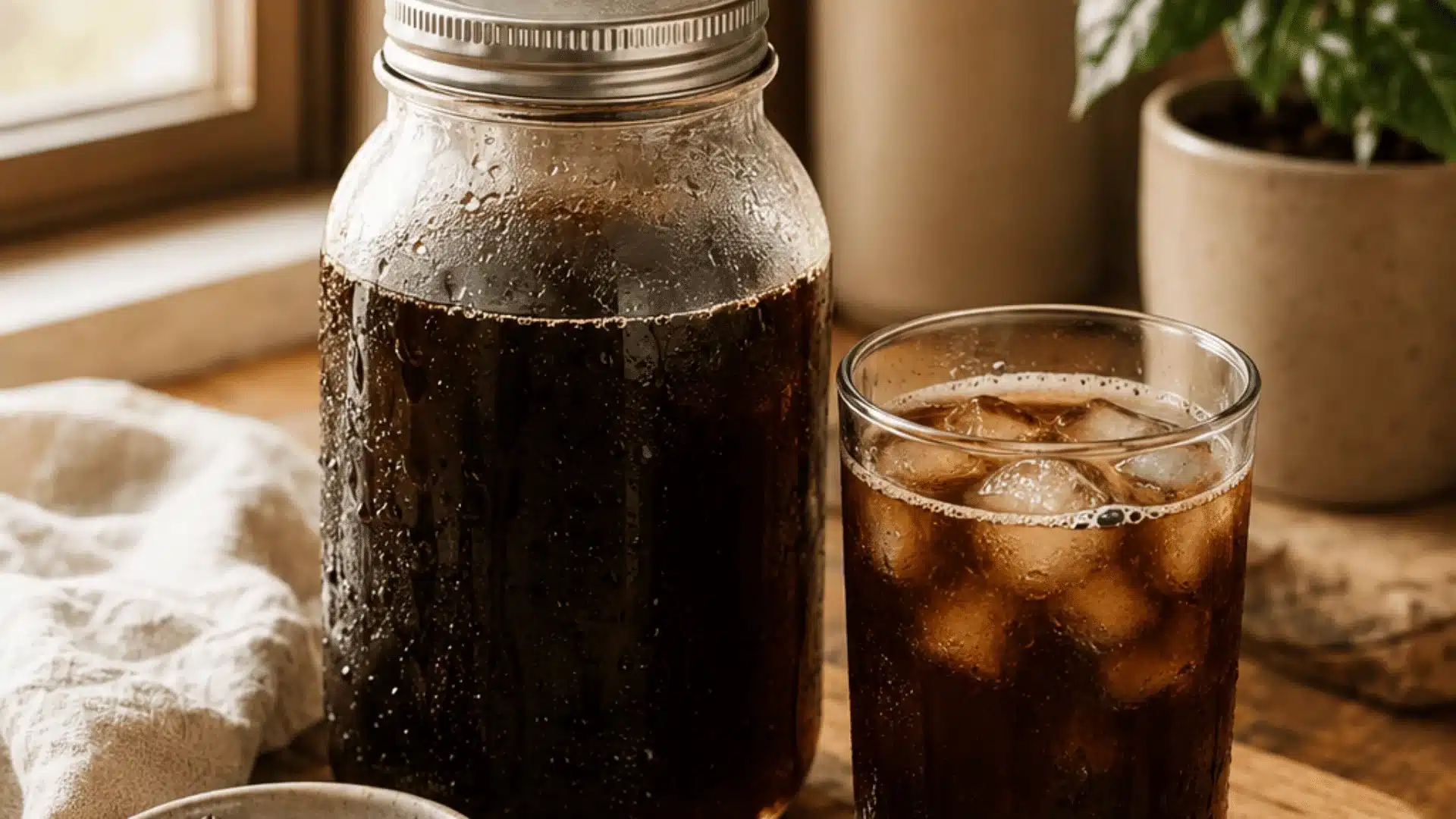
Cold brew is brewed slowly with cold water over several hours, which produces a smoother and less acidic cup than hot methods.
- Use coarsely ground coffee. A ratio of one part coffee to four parts cold water works well for a concentrate.
- Combine in a jar or pitcher, stir briefly, and cover.
- Refrigerate for 12 to 24 hours. Longer steeping produces a stronger concentrate.
- Strain through a fine mesh strainer or cheesecloth.
- Serve over ice and dilute with water or milk to taste.
Cold brew keeps well in the refrigerator for up to two weeks, so making a larger batch saves time throughout the week.
Coffee Beans or Coffee Powder? Which is Better for you?
Both have their place depending on what you are after.
Here is how they compare across the factors that actually matter.
Want Flavor? Beans Win Every Time.
Whole beans stay fresh longer because the protective outer layer slows down oxidation. Once you grind them, that freshness starts fading within hours.
Coffee powder, especially the kind sitting in an open bag, has usually already lost a good amount of its original flavor by the time it reaches your cup.
If taste is your priority, beans are the clear winner here.
Convenience? Powder Takes It.
Not everyone has a grinder at home or ten minutes to spare before work.
Coffee powder is ready to use straight from the bag, dissolves quickly, and requires no extra equipment.
For a fast, no-fuss cup on a busy morning, powder is the more practical choice. Beans ask more of you, and that is not always realistic.
Looking for Something Under Budget? Coffee Powder it is.
Good quality whole beans and a decent grinder together cost more upfront than a bag of ground coffee.
Instant powder sits at the most affordable end. If you are just getting started or brewing on a tight budget, powder gives you a workable cup without the added expense.
The quality gap is real, but so is the price difference.
Fresh Coffee? Go for Beans.
Whole beans hold their freshness for two to four weeks after roasting when stored properly in an airtight container.
Ground coffee, including store-bought powder, starts going stale much sooner, sometimes within a week of opening.
If you want your cup to taste close to what the roaster intended, whole beans stored well are the better option.
Verdict: It Depends on What You Value
If flavor and freshness matter most to you, go with whole beans and grind them fresh each time. If speed and simplicity are the priority, a good quality coffee powder gets the job done.
Neither is wrong. It comes down to what kind of coffee drinker you are on any given morning.
Extra Recommendations: Best Coffee Brands to Try
If you are still figuring out which coffee works best for your method or taste, these are worth trying.
1. Lavazza
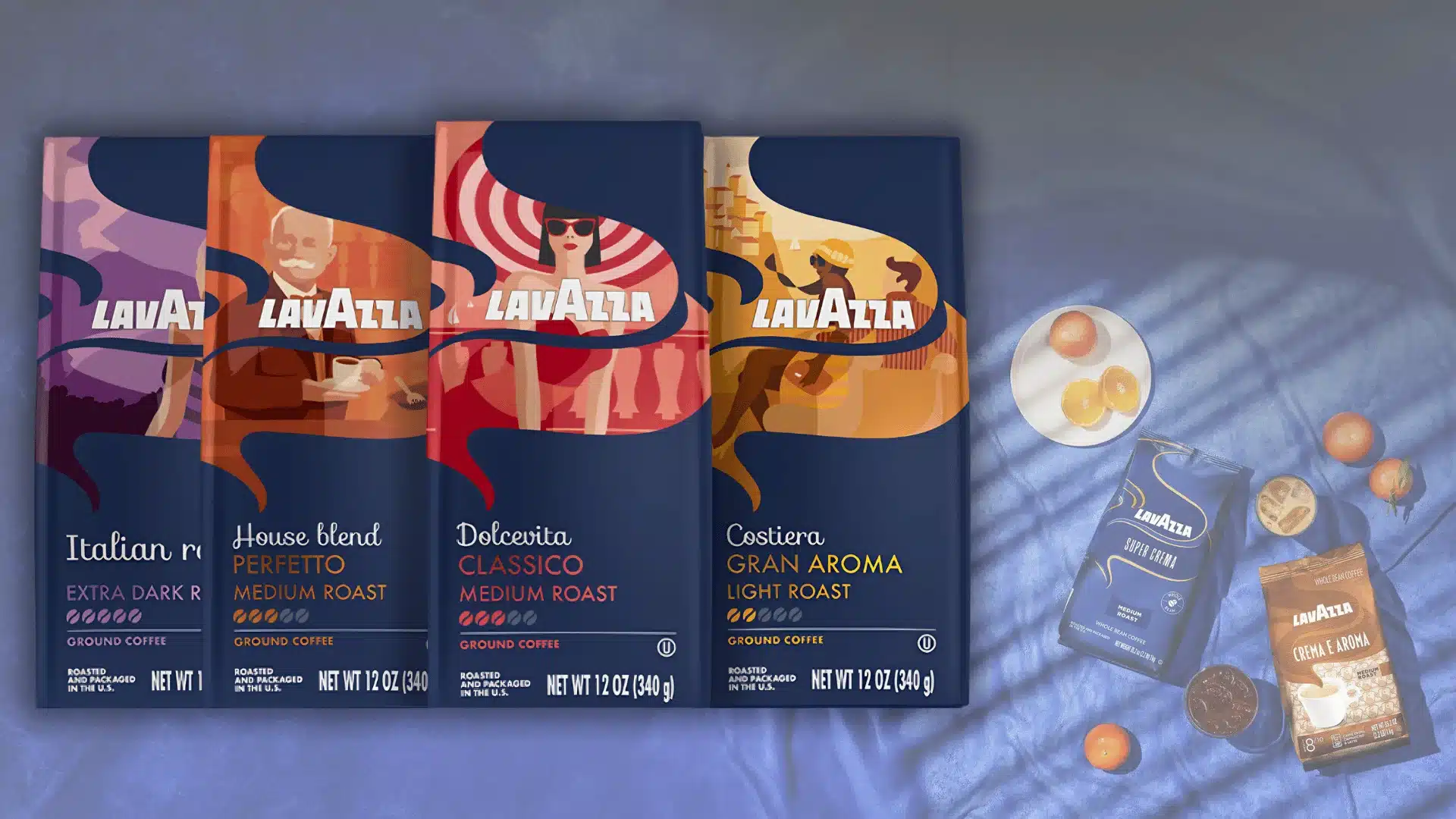
Lavazza is an Italian brand that has been around since 1895 and remains one of the most widely trusted names in coffee.
Their blends are smooth, consistent, and work well across most brewing methods, including drip, French press, and espresso.
A good starting point if you want something reliable without overthinking it.
2. Nescafé – Of Course
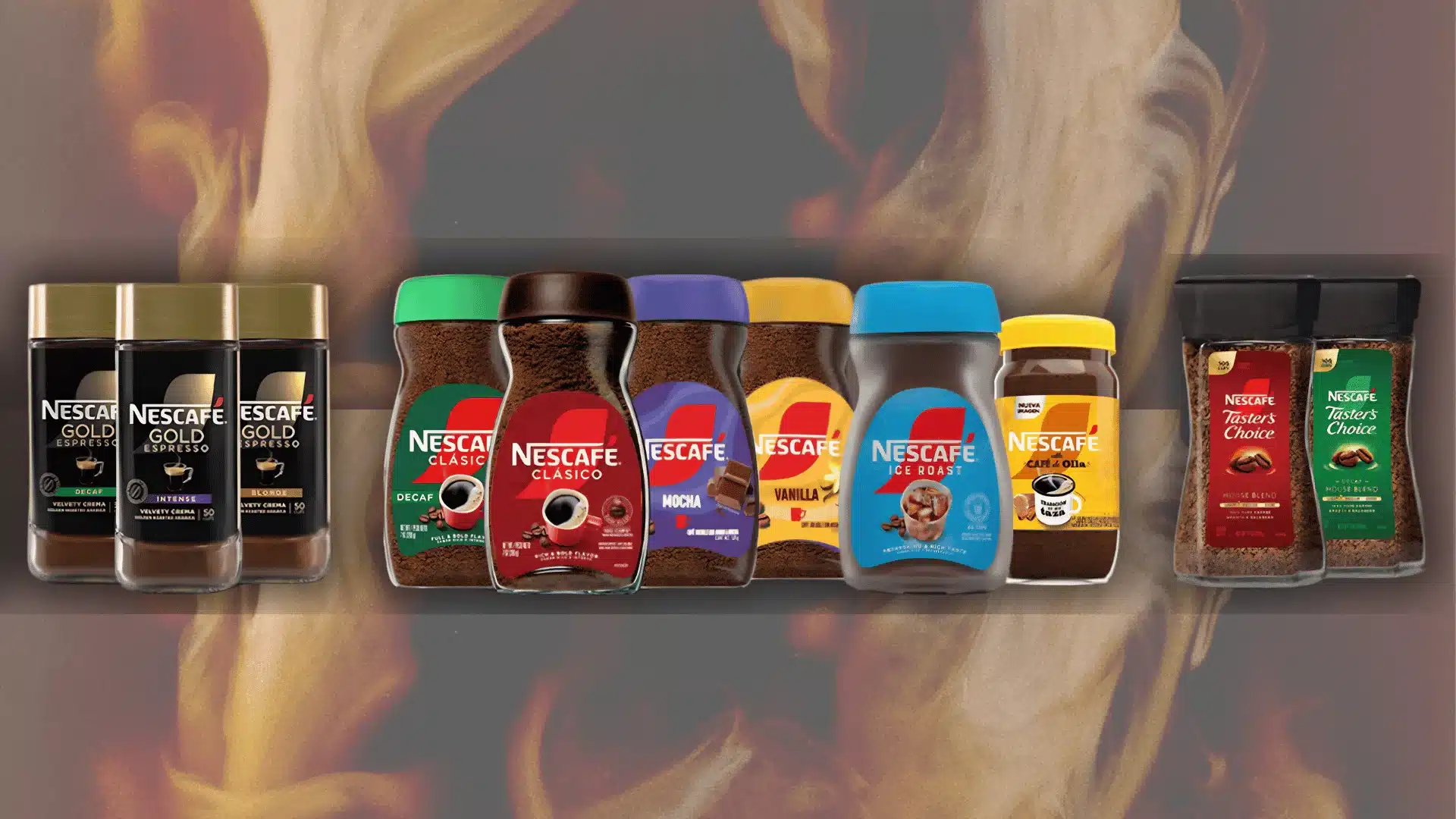
Nescafé is the most accessible instant coffee brand available in most parts of the world. It is not trying to compete with specialty roasts, but for a quick, everyday cup, it delivers consistently.
Their Gold blend is a step up from the classic and is worth trying if you rely on instant coffee regularly.
3. Starbucks

Starbucks whole bean and ground coffee is more widely available than most people expect outside of their cafes.
Their Pike Place roast is mild and approachable, making it a solid choice for beginners. The dark roasts are bold and work well in a French press or drip machine.
4. Peet’s Coffee

Peet’s Coffee is one of the original specialty roasters in the United States, founded in 1966 in Berkeley, California.
Their beans are dark-roasted, with a lot of depth, and work especially well in a French press or drip brew.
If you like a bold, full-bodied cup with a strong finish, Peet’s is worth keeping on your shelf.
Brew it Strong!
Now you know my secret coffee-making recipe and a few other ways to make coffee at home without overcomplicating it.
Every method here works. The French press, the cold brew, the pour-over all of them have their own character. Pick one that fits your mood or your morning and try it.
Then come back and drop a comment below. I want to know which one you tried, which one stuck, and what your go-to coffee actually is.
Bonus points if you experimented with something I suggested.
Frequently Asked Questions (FAQ’s)
1. What is the Best Coffee for Beginners?
A medium roast is the safest starting point. It is balanced, forgiving, and works well with most brewing methods.
2. How Much Coffee Should Be Used Per Cup?
Use two tablespoons of ground coffee per six ounces of water. Adjust based on your strength preference.
3. Can Coffee be Made Without a Machine?
Yes. A French press, Moka pot, AeroPress, or pour over all work well without any electric machine.
4. Why Does Homemade Coffee Taste Bitter?
Water too hot, grind too fine, or brewing too long are the three most common causes of bitterness.
5. How Long Does Brewed Coffee Stay Fresh?
Brewed coffee tastes best within 30 minutes. Store in a thermal carafe to slow flavor breakdown slightly.