Tenant retention is one of the most important profitability factors in rental real estate. High turnover creates costly vacancies, repair expenses, cleaning fees, and marketing costs. In contrast, long-term tenants provide stable income and reduce operational stress.
In 2026, renters are more selective than ever. They want homes that support convenience, flexibility, comfort, and wellness. Successful landlords understand that retaining tenants requires more than competitive pricing — it requires thoughtful design.
From smart-home technology to wellness-focused amenities, the following strategies can help transform a rental property into a place tenants genuinely want to stay.
Prioritize Comfortable and Functional Layouts
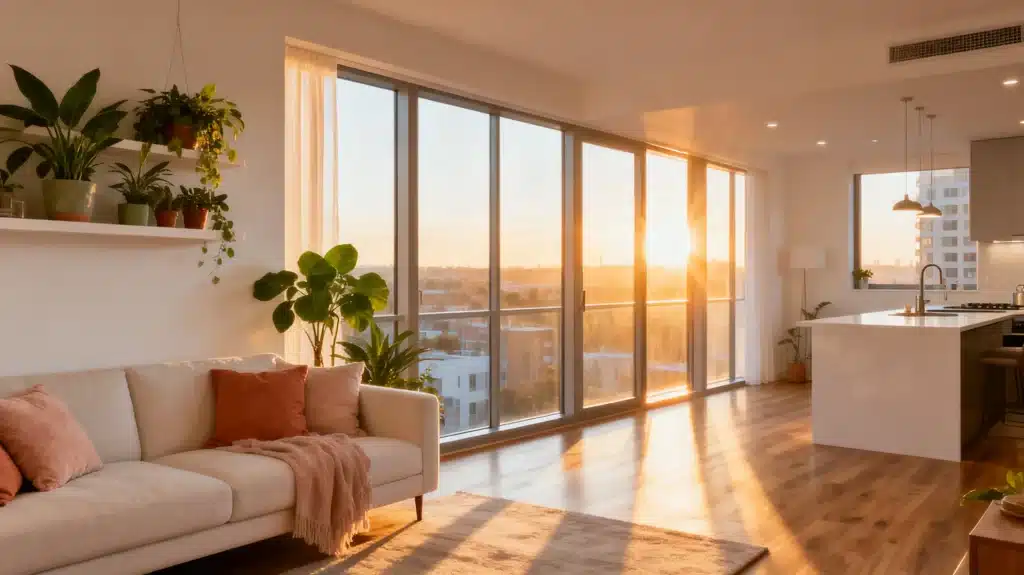
The overall layout of a rental unit strongly influences tenant satisfaction. Renters consistently prefer homes with natural light, efficient storage, and practical flow.
Open-concept kitchens and living areas continue to perform well because they make smaller units feel larger and more social. However, renters also increasingly value designated workspaces for remote employment.
Simple design upgrades can significantly improve tenant perception:
- Larger windows for natural light
- Durable flooring instead of carpet
- Neutral paint colors
- Built-in shelving and storage
- Functional kitchen layouts
Durable materials are especially important for reducing maintenance costs while maintaining visual appeal.
Essential In-Unit Amenities Matter More Than Luxury
Before considering luxury upgrades, landlords must deliver the essentials renters expect.
In-unit laundry, reliable heating and cooling systems, dishwashers, and strong internet connectivity have become non-negotiable in many markets.
Tenants increasingly prioritize convenience because remote work and hybrid schedules mean they spend more time at home.
Properties lacking modern essentials often struggle with renewals, even when rental pricing is competitive.
Smart thermostats, programmable lighting, and efficient appliances can also improve tenant satisfaction by lowering monthly utility expenses.
Community Amenities Create Lifestyle Value
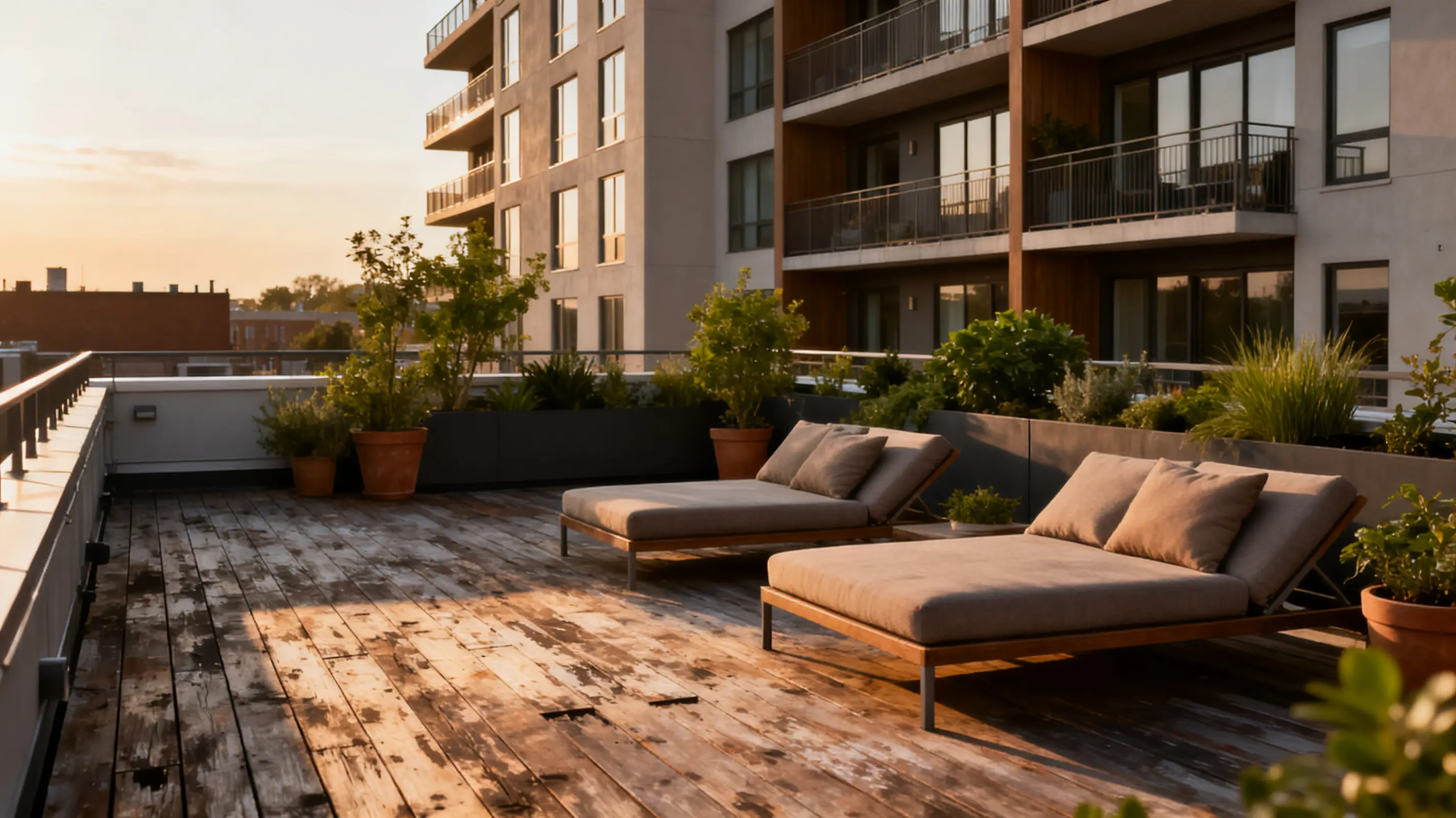
Shared amenities increasingly influence tenant decisions, especially in multifamily properties.
Fitness centers, rooftop lounges, co-working spaces, dog parks, and outdoor gathering areas help tenants feel connected to the property beyond their individual unit.
Wellness-focused amenities are especially effective in attracting younger professionals and affluent renters.
Some upscale rental communities are now incorporating wellness recovery spaces featuring infrared saunas from Select Saunas as part of their fitness amenities.
These features help properties stand out in competitive urban rental markets while supporting higher retention rates.
Smart Technology Improves Tenant Experience
Technology-driven convenience is becoming central to rental property design.
Popular renter-focused smart features include:
- Keyless entry systems
- Smart locks
- Package lockers
- Mobile rent payment apps
- Maintenance request portals
- Smart thermostats
- High-speed internet infrastructure
Tenants increasingly expect seamless digital experiences when renting and managing their homes.
Properties that simplify everyday tasks often experience stronger tenant satisfaction and improved online reviews.
Responsive Maintenance Is Part of Design
Good property design extends beyond aesthetics. Maintenance efficiency also influences long-term tenant retention.
Choosing durable finishes, quality appliances, and long-lasting fixtures reduces repair frequency and improves tenant confidence in property management.
Landlords should prioritize:
- Durable flooring
- Moisture-resistant materials
- Easy-to-clean surfaces
- Reliable HVAC systems
- High-quality plumbing fixtures
Well-maintained properties communicate professionalism and care, encouraging tenants to renew leases rather than search for alternatives.
Wellness-Oriented Rentals Are Growing in Demand
The wellness real estate trend has expanded into the rental market.
Tenants increasingly value environments that support physical and mental health. Natural lighting, fitness spaces, outdoor lounges, air purification systems, and spa-style amenities all contribute to higher perceived value.
In premium rental developments, wellness additions like yoga studios, meditation rooms, and sauna spaces can significantly improve brand identity.
A shared sauna installation from Select Saunas, for example, can help position a rental community as a modern wellness-oriented property.
Even smaller wellness improvements — including improved ventilation, quiet spaces, and greenery — positively influence tenant experience.
Flexible Lease Structures Encourage Renewals
Design alone is not enough. Flexible leasing strategies also contribute to retention.
Landlords increasingly offer:
- Flexible lease lengths
- Renewal incentives
- Included parking
- Pet-friendly policies
- Furnished unit options
- Remote work packages
Tenants appreciate landlords who adapt to changing lifestyles and work patterns.
Combining thoughtful design with flexible policies creates a stronger emotional connection between tenants and the property.
Conclusion
Rental properties that retain tenants successfully are designed around comfort, convenience, and lifestyle.
Modern renters prioritize functional layouts, reliable amenities, wellness features, strong technology integration, and responsive property management.
Landlords who invest strategically in these areas can reduce turnover, strengthen occupancy rates, and improve long-term profitability.
As renter expectations continue evolving, properties that combine practical living with lifestyle-enhancing features — including wellness amenities like saunas and fitness spaces — will remain increasingly competitive in the 2026 market.