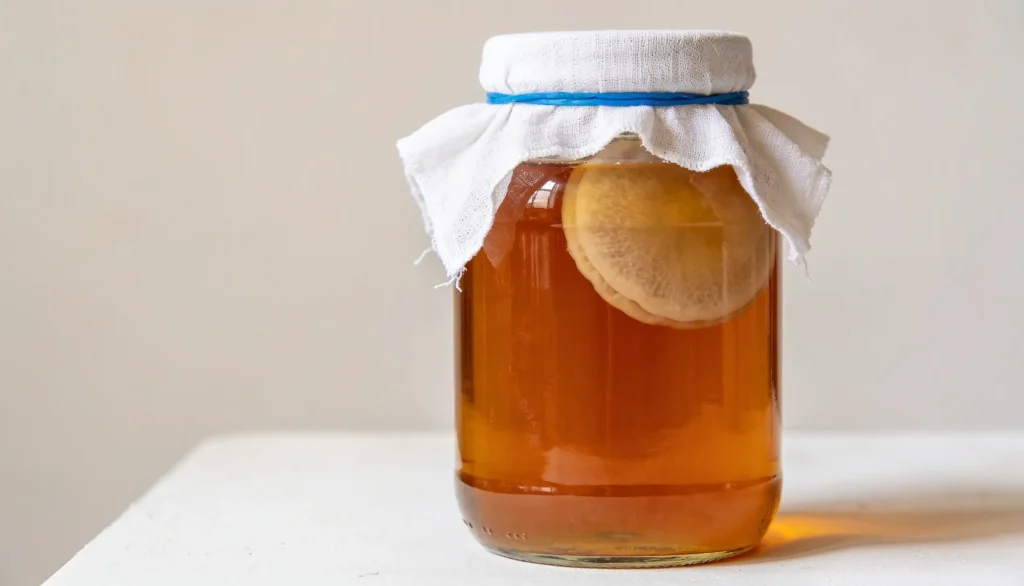
Kombucha is a fizzy, tangy drink packed with probiotics and brewed right in home kitchens around the world.
But many assume it’s too complicated to make themselves. It’s not.
This guide walks through how to make kombucha at home, including ingredients, fermentation, flavoring, and storage, so brewing the first batch feels natural and confident.
Little About Kombucha
Kombucha is a fermented tea drink with a slightly tangy, fizzy taste.
It has been around for over 2,000 years, originally brewed in China and later spread across Russia and Europe.
The word “kombucha” is believed to derive from the name of a Korean physician, Kombu, who introduced the drink to Japan.
At its core, it is sweetened tea that gets fermented using a live culture called a SCOBY.
What is a SCOBY and Why is it Important?
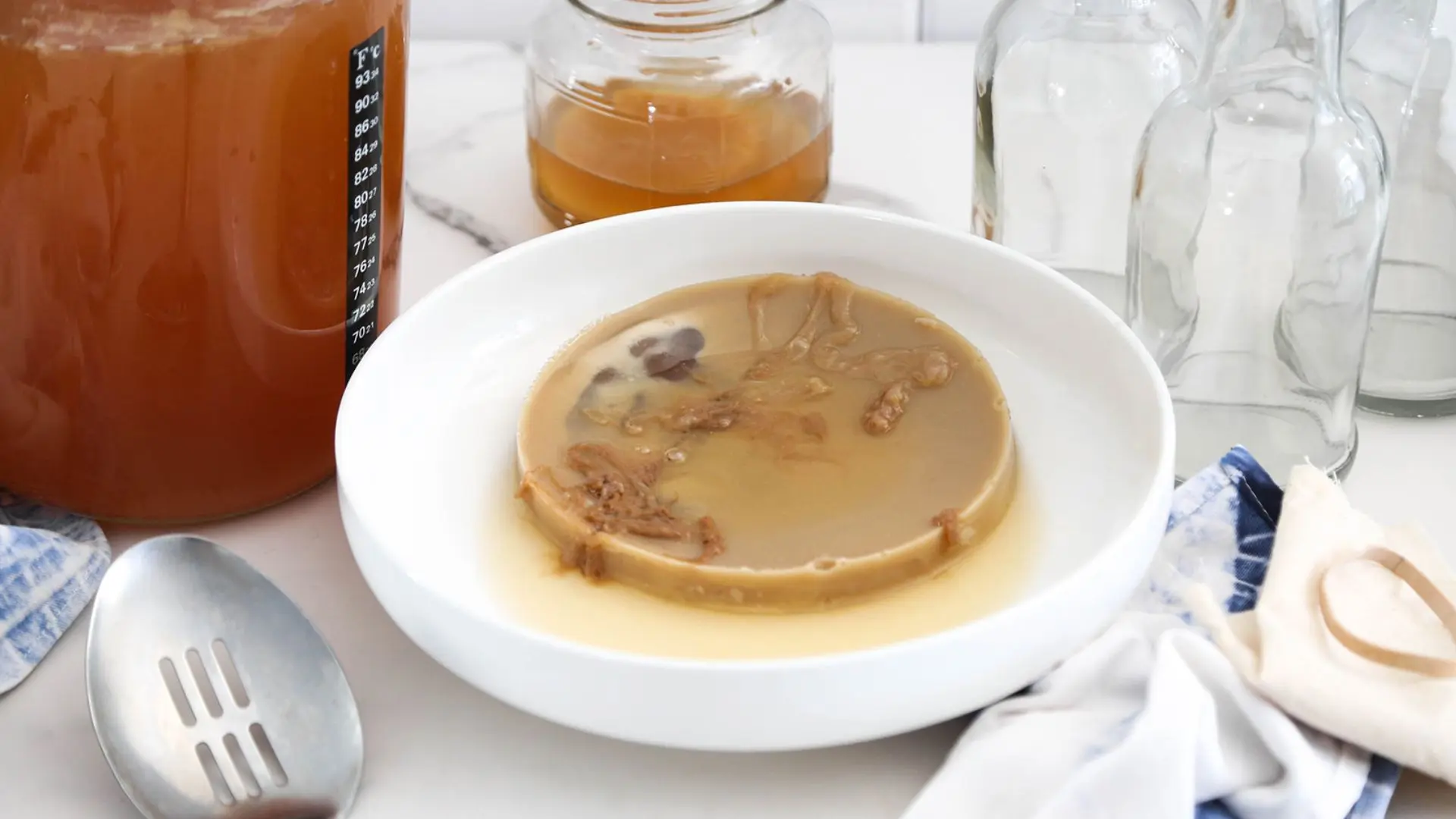
SCOBY stands for Symbiotic Culture of Bacteria and Yeast.
It looks like a thick, rubbery, beige-colored disc that sits on top of the tea during fermentation. It can look strange, but it plays a crucial role in the entire brewing process.
The SCOBY eats the sugar in the sweetened tea and produces acids, a small amount of alcohol, and carbon dioxide.
This is what gives kombucha its signature tangy taste and natural fizz.
Without a healthy SCOBY, there is no kombucha. It also acts as a protective layer, keeping harmful bacteria out of the brew.
A well-maintained SCOBY can last for years and even grow new layers with every batch.
Health Benefits of Drinking Kombucha
Kombucha is more than just a tasty drink. Regular brewers and drinkers have experienced several notable health benefits over time.
Rich in probiotics
The fermentation process produces beneficial bacteria that support a healthy gut and improve digestion.
Packed with antioxidants
Kombucha is made from tea, which naturally contains antioxidants that help protect the body from damage.
Supports immune health
The good bacteria and acids in kombucha may help strengthen the body’s natural defense system.
Boosts energy levels
Kombucha contains small amounts of B vitamins and iron, which can help improve energy naturally.
May support liver health
Some studies suggest that the antioxidants in kombucha may help reduce stress on the liver.
Helps manage blood sugar
Regular consumption may help slow down the digestion of carbohydrates, supporting more stable blood sugar levels.
These benefits are based on general observations and early research. None of these claims are medically proven or approved. Always consult a doctor before using kombucha as a health remedy.
Ingredients and Equipment Needed to Make Kombucha at Home
Getting the ingredients right is the first step to a successful brew. Most of these are easy to find at any grocery store.
- Water: Use clean, filtered water. Chlorinated tap water can harm the SCOBY
- Black or Green Tea: Plain, unflavored tea works best. Avoid herbal teas as they can damage the SCOBY over time.
- White Sugar: Regular white sugar is the preferred choice. The SCOBY feeds on it during fermentation.
- SCOBY: The live culture that drives the entire fermentation process. It can be bought online or sourced from a fellow brewer.
- Starter Liquid: This is plain, unflavored kombucha from a previous batch. It helps kick-start fermentation and keeps the brew acidic enough to stay safe.
- Equipment: A large glass jar, a breathable cloth cover, a rubber band, a wooden or plastic spoon, and glass bottles.
Avoid metal containers as they can react with the acidic kombucha and damage the SCOBY.
How to Make Kombucha at Home: Step-By-Step Process
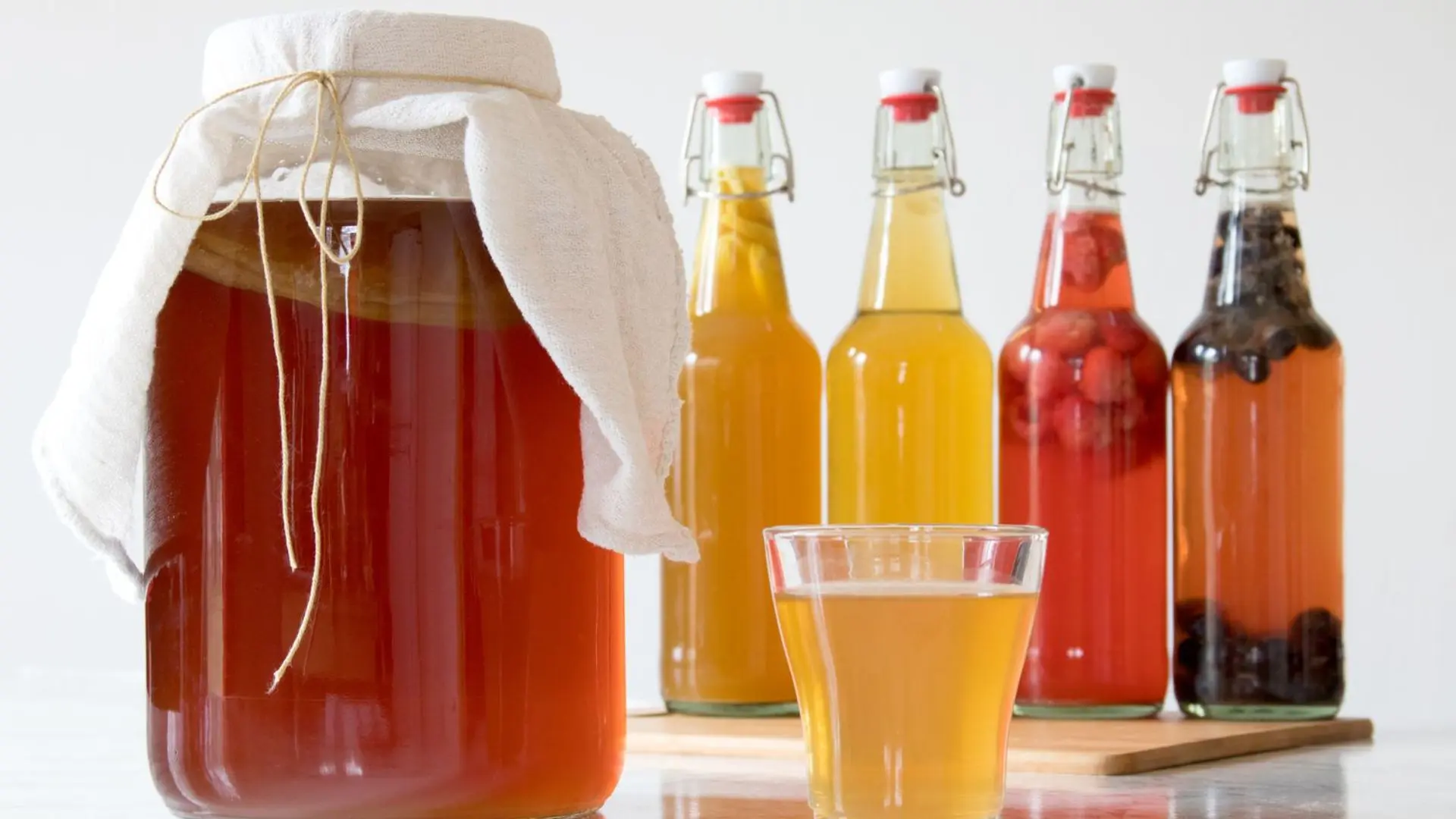
Following the right steps makes all the difference between a good batch and a failed one. Here is how to make kombucha at home the right way.
Step 1: Brew the Tea
Start by boiling one liter of clean, filtered water. Add 4-6 tea bags and let them steep for 10-15 minutes. Remove the tea bags and stir in one cup of white sugar until it fully dissolves.
Let the sweetened tea cool down completely before moving to the next step.
Step 2: Add the Starter Liquid
Once the tea has cooled to room temperature, pour it into a large glass jar. Add 1 to 2 cups of starter liquid, such as plain kombucha from a previous batch.
This acidifies the brew and creates a safe environment for the SCOBY to work.
Step 3: Place the SCOBY
Gently place the SCOBY on top of the tea mixture using clean hands. It may sink or float, and both are normal.
Cover the jar with a breathable cloth and secure it tightly with a rubber band.
Step 4: Ferment the Brew
Place the jar in a warm spot away from direct sunlight. The ideal temperature is between 24 °C and 29 °C.
Let it ferment for 7 to 14 days. Taste it after day seven to check the flavor and acidity level.
Step 5: Remove the SCOBY and Bottle the Kombucha
Once the flavor is right, carefully remove the SCOBY and set it aside with two cups of the finished kombucha to use as a starter liquid for the next batch.
Pour the rest into clean glass bottles. The kombucha is now ready to drink.
Understand in More Detail The Fermentation of Kombucha
Fermentation is what turns plain sweetened tea into a fizzy, tangy, probiotic-rich drink. Understanding both stages of fermentation is the key to brewing great kombucha at home.
First Fermentation: The Foundation of Kombucha
First fermentation is the stage where the SCOBY gets to work, consuming the sugar in the sweetened tea and converting it into acids, carbon dioxide, and alcohol.
This process typically takes 7 to 14 days, depending on the room temperature and the strength of the SCOBY. A warmer environment usually speeds things up.
During this stage, the brew should be left undisturbed. Tasting it daily after day seven helps track the flavor.
A good first fermentation produces a balanced, tangy liquid that forms the base for the next stage.
Second Fermentation: Adding Flavor and Fizz
Second fermentation is where homemade kombucha truly comes to life.
After removing the SCOBY, the finished kombucha gets transferred into sealed glass bottles along with any chosen flavoring.
The bottles are then left at room temperature for 2 to 4 days. During this time, the natural sugars in the added flavoring mix with the remaining yeast, producing carbon dioxide inside the bottle.
Once the desired carbonation level is reached, the bottles go into the refrigerator to stop further fermentation.
Popular Kombucha Flavors to Try at Home
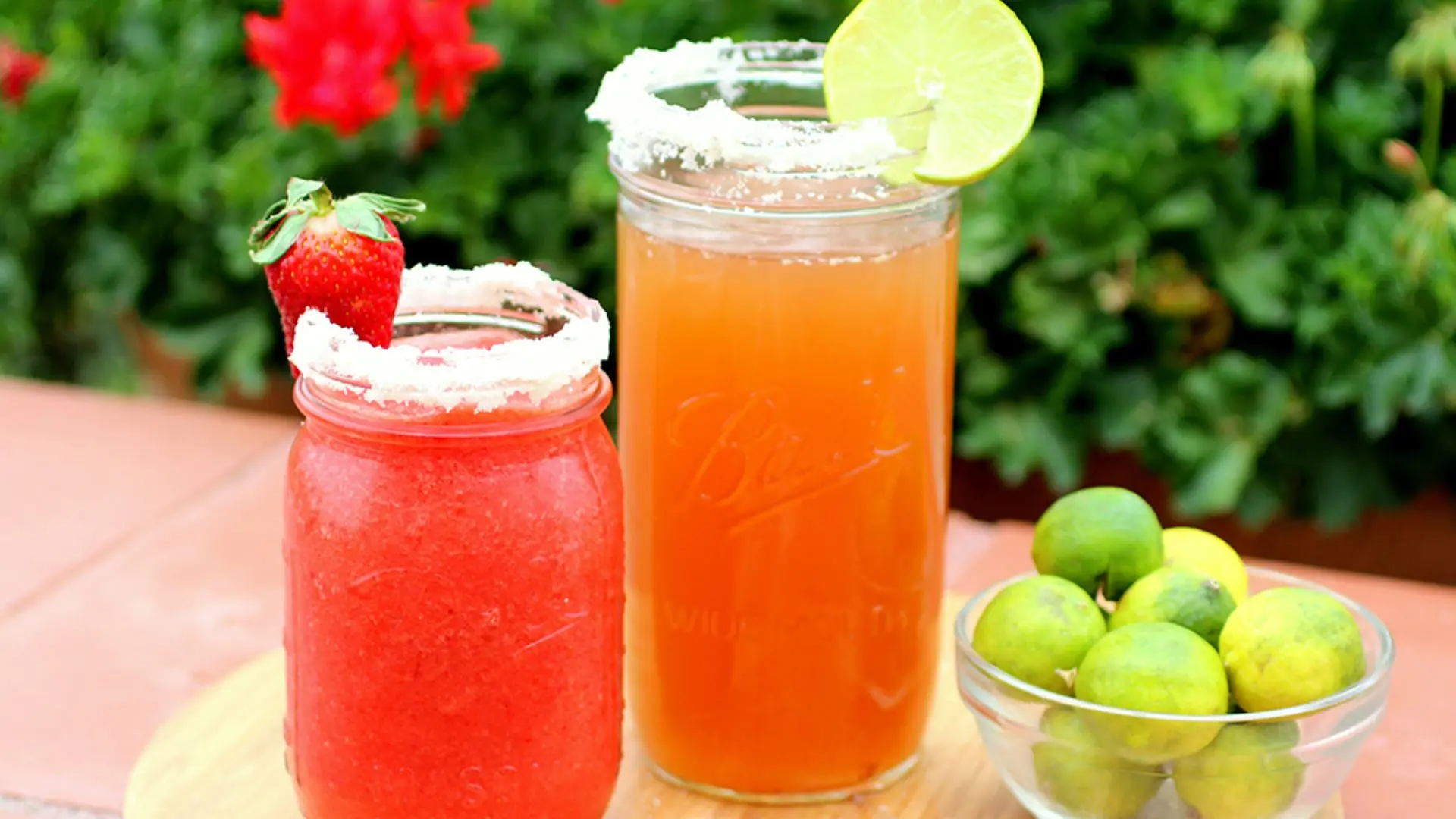
One of the best parts of brewing kombucha at home is experimenting with flavors.
1. Ginger Lemon
Ginger and lemon are a classic combination that never gets old. Fresh ginger adds a warm, spicy kick while lemon brings a bright, citrusy tang.
Together, they create a bold, refreshing flavor that pairs perfectly with kombucha’s natural tartness.
2. Blueberry Mint
Blueberries add a deep, fruity sweetness while fresh mint leaves bring a cool, clean finish. This combination produces a beautifully colored brew with a flavor that feels both fruity and refreshing.
3. Strawberry Basil
Strawberry and basil might sound unusual, but experienced brewers swear by this pairing.
The sweetness of ripe strawberries balances perfectly with fresh basil, creating a smooth and satisfying flavor.
Alcohol Content in Homemade Kombucha
Homemade kombucha naturally contains a small amount of alcohol as a byproduct of fermentation.
The alcohol content typically ranges between 0.5% and 3%, depending on fermentation time and temperature. Longer fermentation produces higher alcohol levels.
Pregnant women, children, and those avoiding alcohol should be mindful before consuming homemade kombucha regularly.
How to Store Kombucha?
Once the second fermentation is complete, move the bottles straight into the refrigerator. Cold temperatures slow down fermentation and keep the flavor balanced.
Homemade kombucha stays fresh for up to 30 days when stored properly in sealed glass bottles. Always use clean, airtight bottles to prevent contamination.
Start Brewing Kombucha at Home Today
Making kombucha at home is simpler than it looks. With the right ingredients, a healthy SCOBY, and a little patience, anyone can brew a fresh, flavorful batch from scratch.
Every batch gets better with experience. Start the first brew today and see how rewarding the process truly is.
Frequently Asked Questions (FAQs)
1. Can a SCOBY Be Reused for Multiple Batches?
Yes, a Healthy SCOBY can be reused indefinitely. It grows a new layer with every batch and can be shared with other brewers.
2. How Can One Tell if A Kombucha Batch Has Gone Wrong?
Visible mold, an unusual smell, or a slimy texture on the surface are clear signs that the batch should be discarded immediately.
3. What is Unhealthy About Kombucha?
Excess consumption may cause bloating, acidity, or digestive discomfort. The small alcohol content and high acidity can also be problematic for people with sensitive stomachs.