


I planted my first proper garden bed about a decade ago. Spent weeks picking the right plants, amending the soil, laying mulch.
It looked incredible for about two months.
Then things started going sideways.
Leaves from the overhead gutters kept dumping debris onto my beds. Pests moved in like they’d received a formal invitation. A few of my plant choices turned out to be completely wrong for the conditions.
It was a humbling lesson in something most gardening advice skips over. Growing beautiful plants is only part of the equation. Keeping everything around them in order matters just as much.
That’s what this piece is about. Not just the pretty stuff, but the behind the scenes work that separates a garden that limps along from one that genuinely thrives.
Picking Plants That Actually Work Long Term
Let’s start at the beginning. Plant selection.
It’s tempting to grab whatever catches your eye at the garden centre. You see something flowering and gorgeous on the display table and suddenly it’s in your trolley.
But impulse buying plants is a lot like impulse buying clothes. Looks great in the moment. Doesn’t always suit your life.
The smarter approach is thinking about what your garden needs across all seasons. Not just the peak of spring when everything blooms, but the cold months when half your plants have dropped their leaves.
This is where evergreens earn their keep.
Evergreen plants hold their foliage through the cooler months. Your garden never looks empty or forgotten. They provide structure, privacy, and a backdrop that makes seasonal plants pop even harder when they’re performing.
Without them, you get a garden that looks stunning for four months and bare for eight.
If you want something that stays green without demanding constant attention, evergreen NZ native trees are worth a serious look. Native species have evolved to handle local conditions, so there’s less babying from you.
They tend to be hardier. More resistant to local pests. Better adapted to the soil and rainfall patterns you’re already working with.
Plus, they support local ecosystems by feeding and sheltering native birds and insects.
Some native evergreens also double as natural screens and windbreaks. That protects the more delicate plants in your garden from harsh weather. Think of them as the backbone of your space. Not always the showiest, but everything else looks better because they’re there.
One common mistake: ignoring mature size. Something that looks perfectly proportioned at the nursery can end up blocking your windows or crowding neighbours five seasons later.
Always check the expected height and spread before you commit to a spot. Give them room to grow into.
The Maintenance Job Most People Forget
Let’s talk about something that doesn’t sound very “gardening” at first.
Your gutters.
Stay with me.
Gutters collect leaves, twigs, dirt, and all kinds of organic debris. When they clog, water doesn’t drain properly. It overflows. And where does that overflow land?
Straight down the side of your house. Often right into your garden beds.
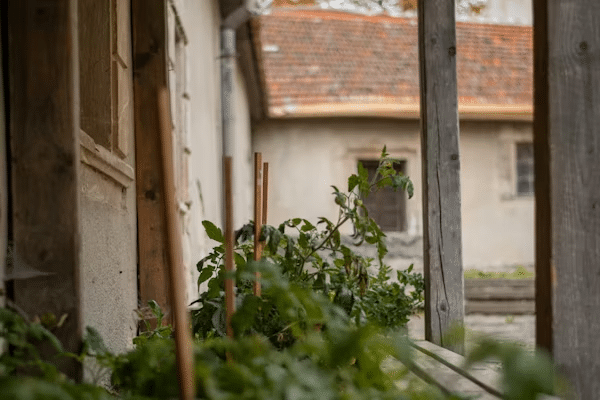
That might sound harmless. It’s not.
Concentrated runoff from blocked gutters erodes soil. It drowns plant roots. It creates waterlogged patches that encourage fungal growth.
I’ve seen perfectly healthy beds turn swampy because of gutters that hadn’t been touched in six months.
It’s an invisible problem. Your garden starts declining and you blame the soil, the weather, or the plants. Meanwhile, the real culprit is sitting on your roofline collecting leaves.
Regular gutter maintenance is honestly one of the best things you can do for your garden’s drainage. If you’re not comfortable on a ladder (and plenty of people aren’t, for good reason), professional Brisbane gutter cleaning services handle the job safely and thoroughly.
They’ll clear blockages, check for damage, and make sure water flows where it should instead of pooling where it shouldn’t.
How often should you clean them? Depends on your property.
Large trees nearby, especially deciduous ones? Twice a season is a solid rule. Fewer overhanging trees? You might get away with less, but regular visual checks are still smart.
From ground level, look for plants sprouting from your gutters, water spilling over the edges during rain, or staining on your exterior walls. Any of those means it’s time.
The ripple effect goes beyond your garden too. Proper drainage protects foundations, prevents damp issues, and reduces the chance of water damage inside your walls.
One task. A dozen problems were prevented.
Dealing With Unwanted Garden Visitors
Every gardener deals with pests eventually.
I’m not talking about aphids on your roses or caterpillars in your brassicas (though those are annoying enough). I mean the pests that move from your garden into your house.
Cockroaches are a prime example.
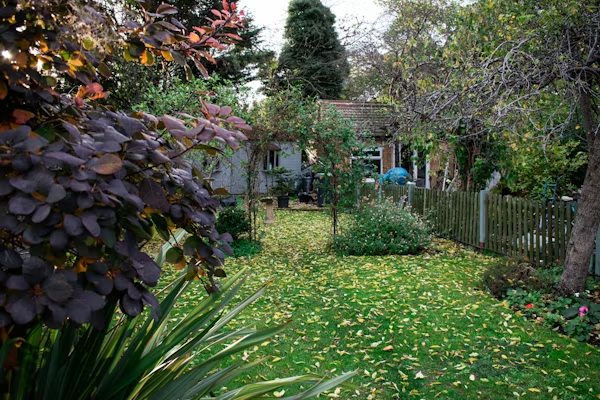
Gardens create environments that certain pests find incredibly attractive. Mulch beds. Compost bins. Wood piles. Pot saucers holding stagnant water.
All basically welcome signs for cockroaches.
They love moisture. They love organic matter. They love dark hiding spots. Your garden potentially offers all three.
The frustrating part? Once they establish themselves outside, it’s only a matter of time before they find their way indoors. Cracks in foundations, gaps under doors, openings around pipes. They’re remarkably good at finding entry points.
So what do you do?
Start with your garden setup. Remove standing water from pot saucers and trays. Keep compost bins sealed and managed. Move wood piles away from the house.
Clear fallen leaves and debris regularly, especially near exterior walls.
Inside, seal gaps around doors, windows, and pipes. Fix leaking taps because moisture is a massive draw. Store food in sealed containers. Keep kitchen surfaces clean.
If you want a thorough, practical guide, this resource on how to get rid of cockroaches covers everything from identification to prevention to treatment. No nonsense advice that actually works.
The key takeaway? Pest management and garden maintenance are more connected than people realise.
A tidy, well drained garden with minimal clutter is far less attractive to pests than a neglected one. Every time you clean up debris, fix a leak, or improve airflow around your beds, you’re making your space less hospitable to critters you don’t want.
A Simple Seasonal Routine That Works
The real secret isn’t one big effort. It’s small, consistent habits stacked over time.
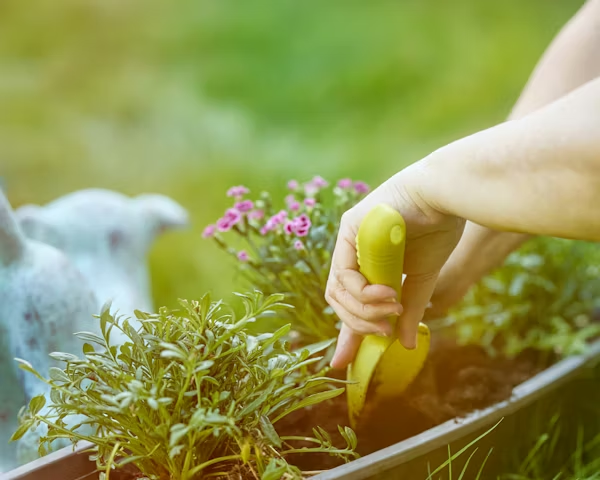
When the growing season kicks off, assess what’s performing and what’s struggling. Replace plants that aren’t working. Add evergreens where you need year round structure.
Feed your soil with compost. Check that mulch is thick enough to retain moisture and suppress weeds.
As things warm up, keep an eye on drainage. Make sure gutters are clear. Make sure water moves away from your beds, not into them.
This is also a good time to inspect for early pest activity. Catching a problem early is ten times easier than fighting an established infestation.
Through hotter months, water deeply but less frequently. Shallow daily watering encourages weak root systems. A good soak every few days trains roots to grow deeper.
That makes plants far more resilient during dry spells.
As things cool down, do a thorough clean up. Clear fallen leaves and spent plants. Give gutters another clean before the wet season arrives.
Prune overgrowth. Top up mulch. This is also the ideal time to plant native trees and shrubs. Cooler, wetter conditions give them the best chance to establish strong roots before heat returns.
It’s All Connected
If there’s one thing to take away from this, it’s that a healthy garden isn’t just about what’s in the soil.
It’s about the trees you choose and whether they’ll actually thrive without constant fussing.
It’s about infrastructure like gutters that quietly influence drainage and soil health.
It’s about managing pests proactively so they don’t undo your hard work.

When you zoom out, everything connects. Good plant choices reduce maintenance. Clean gutters protect roots. Tidy habits discourage pests. Each piece supports the others.
Gardening doesn’t have to be complicated.
But it does reward the people who pay attention to the details that aren’t always obvious.
Take care of the whole space, not just the bits that are blooming, and you’ll be amazed at how much better everything grows.