
We all love older homes for their character and charm that’s often lacking in new construction properties. This includes detailed trim, original hardwood floors, and all sorts of other architectural features that tell unique stories.
However, it’s not always fun and games when older homes rely on aging HVAC systems due to extra care and upkeep just to ensure proper efficiency. Without proper AC maintenance this spring, countless homeowners at older properties will inevitably struggle to avoid increased energy costs. They’ll also likely suffer from uncomfortable indoor climates and unexpected breakdowns by the time July rolls around.
This is exactly why we recently interviewed Apex Clean Air’s award-winning AC maintenance specialists in Denver, Colorado to learn more about some proactive steps that homeowners can take this time of year to protect indoor comfort and extend their HVAC system’s lifespan.
So, check out the below sections for some AC maintenance tips that specifically apply to older homes!
Understanding The Inherent Limitations Associated With Aging HVAC Systems
It’s first and foremost essential for homeowners to simply understand how most AC systems are only meant to last around 10-20 years, and this type of longevity largely depends on how well the system is maintained during those years.
In older homes, a lot of HVAC systems are creeping up on this age limit as countless Americans invested in upgrades around the turn of the century. All of these aging units have inevitably lost their overall efficiency over time, which means they’ll require a lot more energy to cool down the same spaces they always have.
Certain components like coils, motors, and electrical connections are also prone to wearing down—which subsequently increases malfunction risks. By simply recognizing these system limitations, homeowners can in turn focus on the right type of preventative care—as opposed to waiting for more issues to quickly appear!
Regularly Cleaning & Replacing Air Filters
Another simple, yet effective AC maintenance task that homeowners of aging properties need to keep in mind this spring is cleaning or changing out their HVAC air filters.
Older systems are particularly prone to restricted airflow issues, and having a clogged filter only makes matters worse because it’ll force the unit to work much harder than is actually necessary. These added strains on the system also end up reducing cooling efficiency and accelerating component wearing.
This is why homeowners should check their HVAC filters at least on a monthly basis, and this is particularly the case during peak cooling season. If you notice any discoloration or dusty appearances, it means it’s time to replace your filter with a new one.
Clean airflow not only goes a long way to support your system’s long-term performance, because it also is essential for your home’s indoor air quality (IAQ)—which just so happens to be particularly important in older homes that tend to be more prone to dust accumulation.
Clearing Out Registers, Vents & Ducts
It’s also normal for older homes to sometimes have outdated vents or ductwork that have long been blocked by things like area rugs, furniture or renovations.
This is why homeowners of aging properties should walk through their homes this time of year to simply ensure that all registers and vents are unobstructed and open. Proper indoor airflow is crucial for your entire AC system’s performance, because it’s what helps ensure that your home evenly distributes cool air.
This is why ductwork inspections are often necessary when certain rooms feel hotter than others, because you’ll need professional help to clear any blockages or seal any leaks that are deep within your ducts!
Thoroughly Cleaning Your Outdoor Condenser Unit
Your AC system’s outdoor condenser unit is essential for releasing heat from your home during the summer months.
Over time, these units naturally accumulate debris like leaves and dirt—which adversely limits the unit’s ability to properly function. This is particularly an issue in older homes that feature mature landscaping features.
This is why homeowners should always make sure there’s at least two feet of cleared out space around an outdoor condenser. This often requires removing debris and rinsing the unit’s exterior coils to improve airflow throughout cooling season.
When you do this simple type of yard upkeep, it goes a long way to help your entire AC system cool your property down more effectively—all while reducing all sorts of strains on your aging HVAC components.
Sealing Air Leaks & Checking Insulation
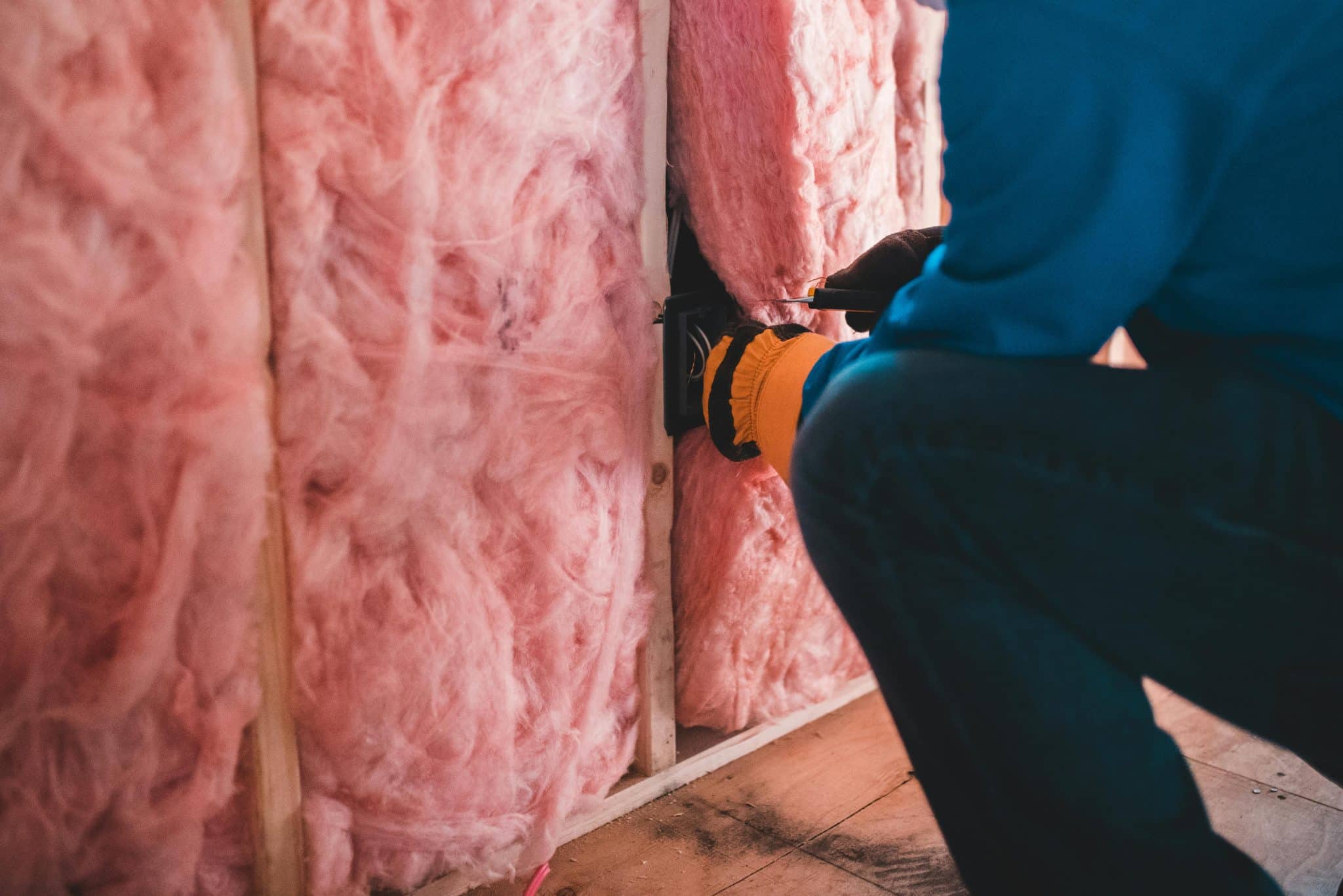
It’s common for older properties to have gaps around doors, windows, and in attic spaces that make it possible for cool air to escape outside.
When your conditioned air leaks out, it forces your HVAC system to work a lot longer and harder to maintain thermostat settings. This is why using caulk or weatherstripping to seal these gaps is so important toward reducing your AC system’s workload this spring.
You should also consider improving your aging home’s insulation this season as well, and this especially applies to attic spaces where insulation tends to make the biggest difference. The better your insulation strategies are this spring, the more you’ll be able to keep cool air inside when you need it most!
Scheduling Professional AC Maintenance With Your Local Technicians
Although homeowners can handle a lot of AC maintenance tasks on their own this spring, there are many reasons why aging HVAC systems ultimately require professional inspections.
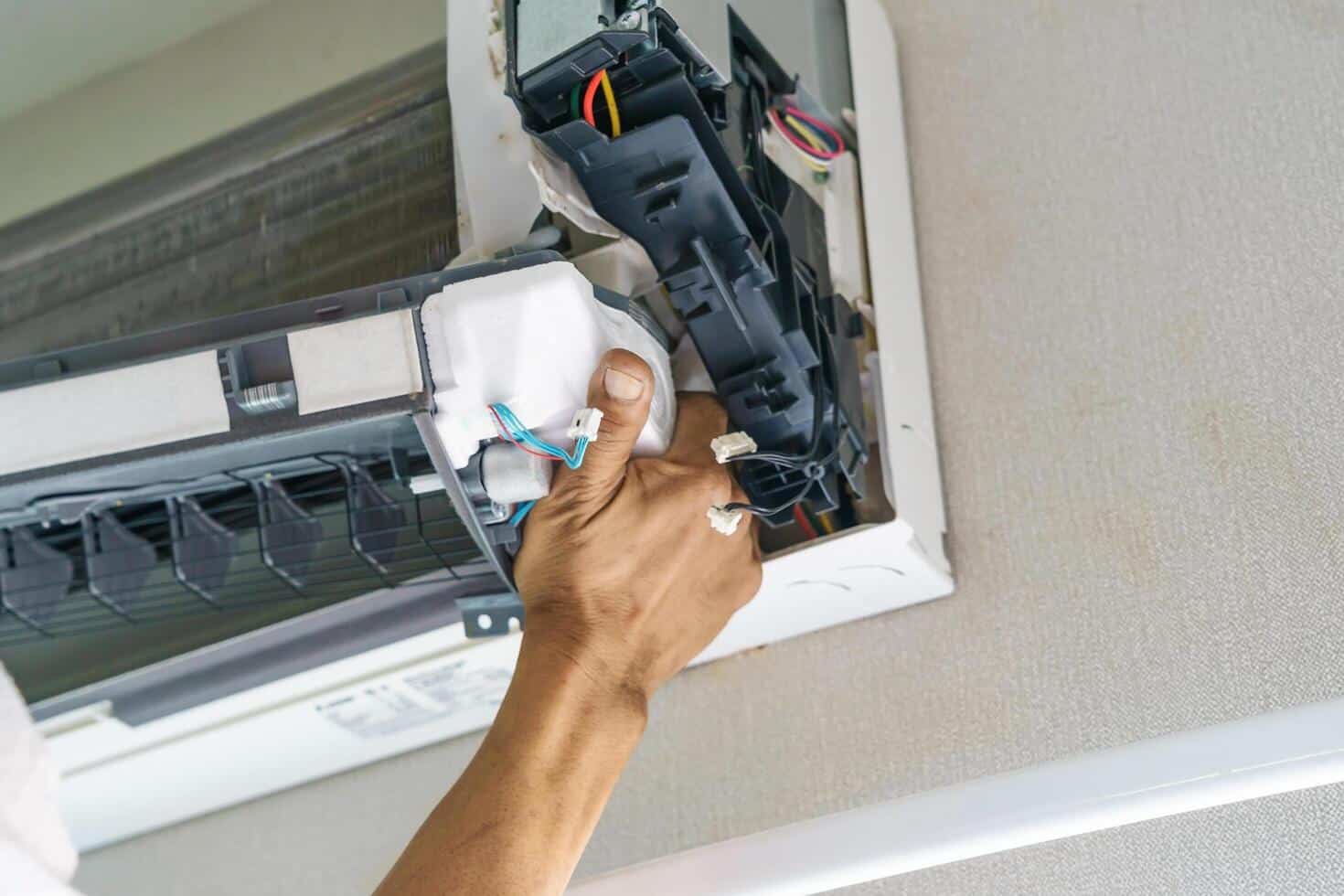
Qualified HVAC technicians are capable of inspecting your intricate electrical components, properly checking refrigerant levels, thoroughly cleaning internal coils, and identifying worn parts before they end up failing later in the year.
Annual AC maintenance visits this time of year are by far one of the best things you can do to extend your older system’s lifespan and prevent all sorts of costly emergency repairs when the hottest days of the year start rolling around!
Pay Close Attention To AC Repair Warning Signs
It’s common for aging HVAC systems to give off all sorts of alarming red flags shortly before major issues actually occur.
These common warning signs include issues like weak airflow, unusual noises, rising energy bills and inconsistent cooling. By addressing these alarming symptoms early on, you can do your part toward preventing much more serious damages.
And if your AC repairs become expensive or frequent, it might make more sense to invest in a new replacement system.
Protecting Indoor Comfort This Spring In Your Older Home
It requires a lot of due diligence when you’re maintaining an aging HVAC system in an older home, but these efforts are always worthwhile.
Routine AC maintenance reduces breakdown risks, improves efficiency, and helps families preserve home comfort for years to come.
By combining some of the above DIY care tips with professional inspection appointments, you’ll easily be capable of extending your older system and simultaneously ensuring the unique character of your older property!