
Roofing is a fundamental aspect of any building, providing shelter and influencing its aesthetic value. However, not all roofing materials are created equal. Each type boasts a distinct lifespan and set of characteristics that define its suitability for various conditions. Recognizing these differences is paramount in making informed decisions about roofing needs.
Asphalt Shingles: The Popular Pick
Asphalt shingles are the most common roofing material in numerous regions, mainly due to their cost-effectiveness and ease of installation. Homeowners and contractors favor these shingles for straightforward applications, uncomplicated repairs, and a reasonable lifespan of around 20 to 25 years. Yet, they are not immune to harsh weather conditions, often demanding periodic maintenance to combat moderate wear and tear.
Often, one might need to consider hiring roof repair specialists as part of regular maintenance, ensuring the longevity of asphalt shingles against elements such as storms or heavy rainfall. These proactive measures can significantly reduce the impact of extreme weather, preserving the roof’s integrity over time.
Asphalt shingles also come in a variety of styles and colors, allowing homeowners to complement their home’s architectural design and personal preferences. Despite being a more affordable option, advancements in manufacturing have allowed for the production of higher-quality shingles that withstand harsh UV rays and limit fading over time. This makes them a viable option even in sunnier regions.
Metal Roofing: The Durable Option
For those seeking longevity, metal roofing proves formidable. Crafted from aluminum, steel, or copper, these rooftops might carry a heftier price tag but compensate with unrivaled durability. Metal roofs can last anywhere from 40 to 70 years and are robust against harsh weather elements, such as heavy snowfall or torrential rain. Additionally, they offer an environmental advantage with high recyclability rates.
Beyond durability, metal roofing provides unmatched versatility. They can be curved or shaped to suit various design aesthetics, complementing both modern structures and traditional homes. Their reflective properties also contribute to energy efficiency by deflecting solar heat, keeping indoor temperatures moderated and thus potentially reducing cooling costs in warmer climates.
Wood Shingles and Shakes: Rustic Appeal
Embodying rustic charm, wood shingles and shakes offer natural beauty to any building. Though aesthetically pleasing, their vulnerabilities lie in adequate care and environmental conditions. Lifespans range from 25 to 30 years, susceptible to moisture and insect concerns. Regular upkeep, including sealants and treatments, bolsters resistance against these threats.
The natural appeal of wood shingles is further enhanced by their ability to subtly age, creating unique patterns and hues over time. This provides an evolving aesthetic that appeals to many who appreciate natural beauty. However, owners should consider the environmental impact, as sustainably sourced wood and responsible disposal methods are vital components of eco-friendly wood roofing solutions.
Clay and Concrete Tiles: Stately and Sturdy
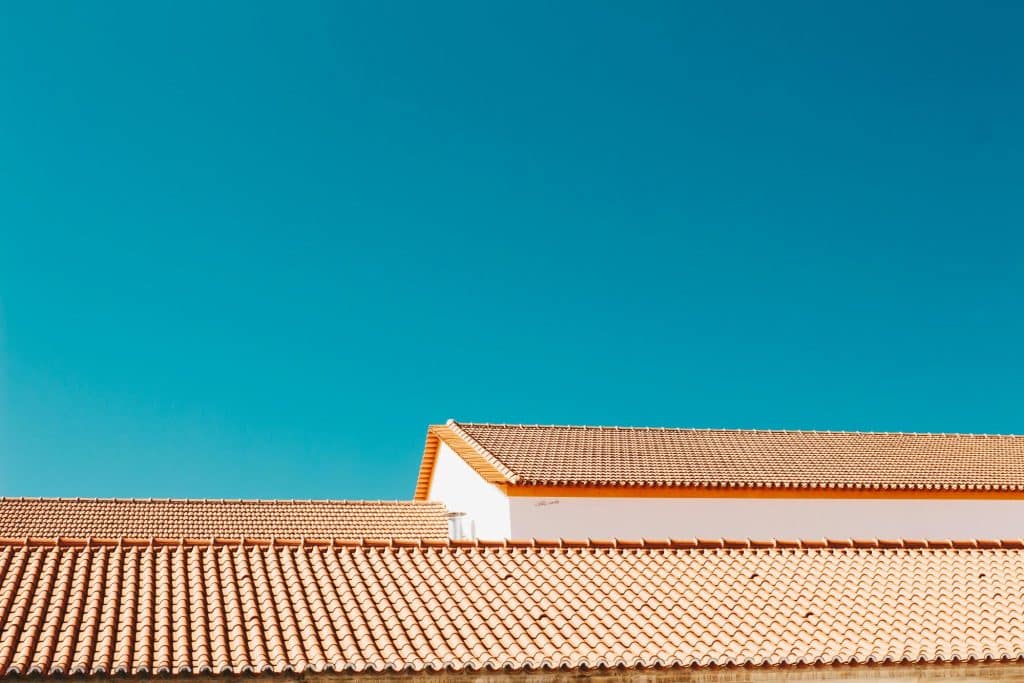
Clay and concrete tiles provide a classical and stately appearance synonymous with Mediterranean or Spanish-style architecture. Beyond aesthetics, their strength stands the test of time, often outliving their inhabitants with lifespans of over a century. Though their durability is undeniable, the considerable weight of these materials means additional structural support is imperative before installation.
These tiles can also act as a natural insulator, aiding in balancing temperatures indoors, leading to greater energy efficiency. Their durability does not compromise their visual allure, as they offer varied textures, colors, and finishes, maintaining their allure over decades without significant fading or deterioration. However, they require professional installation to ensure longevity and functionality.
Synthetic Roofing: The Modern Marvel
For those embracing innovation, synthetic roofing provides a contemporary option with an array of styles mimicking traditional materials, such as slate and wood. Made from polymer, rubber, and plastic materials, synthetics often last up to 50 years. These roofs are celebrated for their lightweight nature, ease of handling, and enhanced resilience, making them attractive for those desiring modern alternatives.
Synthetic roofing’s adaptability is noteworthy, allowing homeowners to achieve appearances that might otherwise be prohibitively costly with natural materials. The lightweight aspect also simplifies installation, reducing labor time and costs. Additionally, these materials often boast strong UV-resistant properties, ensuring that their appearance remains consistent despite exposure to sunlight.
Slate Roofing: The Centurion
Slate roofs are the epitome of longevity, with the potential to endure for 100 to 150 years if maintained properly. Naturally mined, these materials imbue properties that resist fire, water, and fluctuating temperatures. Achieving such endurance necessitates meticulous installation and an equally discerning maintenance regimen, resulting in slate being an investment primarily suited for those who prize longevity over initial cost.
Moving Forward
Selecting the right roofing material is pivotal, affecting not just the lifespan of the roof but also the overall integrity and aesthetics of a building. Each material offers distinct advantages, and what suits one homeowner might not suit another. Thus, evaluating individual circumstances, local climate conditions, and budget constraints becomes an essential part of the decision-making process. Choices made today will echo for decades, even centuries, to come.