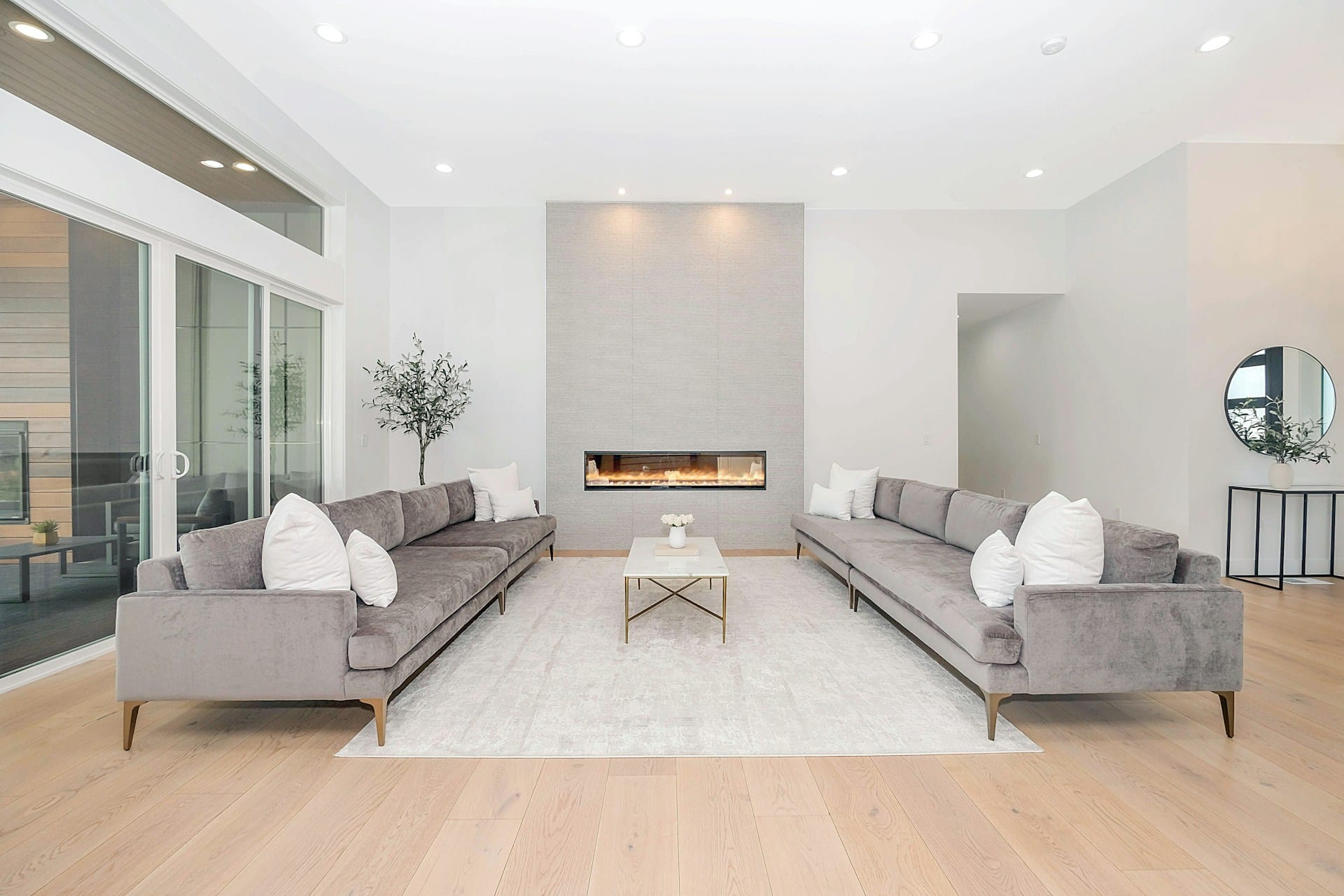


When most people picture a sliding door or window, they think of something purely functional, a practical opening that brings in light or connects a room to the garden. But within modern architecture, sliding systems have evolved far beyond this. Today, they are integral design features that define space, light, and the relationship between interior and exterior environments.
The difference between architectural sliding doors and windows and standard systems lies not just in appearance but in craftsmanship, performance, and intent. Architectural glazing is about creating harmony between structure and transparency, elevating what was once a simple opening into a seamless architectural feature.
For projects where visual refinement and engineering precision are paramount, systems such as the IQ frameless sliding glass doors range exemplify how technology and design can combine to create spaces that feel effortlessly connected and beautifully resolved.
What Defines an Architectural Sliding System
Architectural sliding doors and windows are meticulously designed to meet the standards of contemporary architecture. Every element, from the profile depth to the track design, is engineered for both form and function.
A defining characteristic of these systems is slimness. While conventional sliding doors rely on wider frames to achieve structural stability, architectural systems use precision-engineered aluminium and structural glazing to achieve ultra-slim or frameless sightlines. This minimalist approach maximises natural light and creates a sense of openness that transforms how a space feels.
Equally important is performance. Architectural sliding systems can accommodate exceptionally large panels of glass while maintaining smooth, silent operation. Advanced track mechanisms and high-specification components ensure that even the heaviest panes glide effortlessly, without visible strain or vibration.
These systems are also designed with thermal performance and acoustic insulation in mind. Through the use of thermally broken frames and high-performance glazing, they provide exceptional comfort, energy efficiency, and weather protection while maintaining an understated, elegant appearance.
The Reality of Standard Sliding Doors and Windows
Standard sliding systems are designed primarily for function and affordability. They are practical and effective but lack the refinement and design flexibility that define architectural glazing.
Typically, standard systems feature thicker frames and more visible hardware. They are produced in standard sizes with limited configuration options. While suitable for everyday residential applications, they offer less freedom to integrate seamlessly into a building’s architectural concept.
The visual differences are immediately apparent. Standard sliding doors introduce more interruptions to sightlines and often reveal their mechanical components. Over time, they may show wear or require maintenance to maintain smooth operation, particularly under frequent use or exposure to the elements.
Such systems fulfil a purpose. They open, close, and provide access, but they seldom contribute to the architectural language of a space. That distinction belongs to the realm of bespoke, design-led systems.
Quality and Price: Understanding the Difference
The price difference between a standard and architectural system reflects the quality of materials, design precision, and fabrication process.
Architectural sliding systems are individually manufactured to meet the exact specifications of a project. Each element, from the glass composition to the concealed thresholds, is carefully planned and fabricated. High-grade materials, including thermally broken aluminium and low-iron glass, ensure durability, clarity, and structural performance over time.
Every junction is refined for consistency. Tracks and profiles are aligned to millimetre accuracy, allowing for completely flush transitions between interior flooring and exterior paving. This level of detail requires specialist manufacturing and expert installation by trained glazing professionals.
By contrast, standard sliding doors are mass-produced for convenience and cost efficiency. Their components are standardised, and installation can be performed quickly. While this keeps prices low, it also limits lifespan, precision, and design versatility.
The investment in an architectural system reflects not just a difference in materials but a difference in philosophy. It is about building something that endures, performs, and inspires.
Design and Finish: The Art of Minimalism
Architectural glazing achieves what standard systems cannot, a seamless visual and physical connection between spaces. Every design detail serves to enhance the purity of the architecture.
Frames can be recessed into surrounding structures so that the glass becomes the dominant feature. Flush thresholds create level transitions between interior and exterior areas, while hidden tracks and concealed drainage systems maintain a clean, uninterrupted appearance. Handles and locks are designed to integrate discreetly, ensuring that functionality never detracts from form.
The result is a glazing system that appears almost weightless, where views are uninterrupted and light moves freely throughout the space. This sense of openness not only enhances visual aesthetics but also contributes to wellbeing by creating bright, uplifting environments that feel more connected to the outdoors.
Standard systems, by contrast, tend to expose their framework and mechanisms, which adds visual weight and diminishes the sense of continuity. Architectural glazing is about eliminating these distractions and distilling the design down to its most essential and elegant form.
Who Chooses Which: Project Vision and Specification
The choice between architectural and standard systems often reflects the vision and scale of the project.
Architects and designers working on high-end residential or commercial spaces typically specify architectural glazing. For these projects, every element, from glazing to hardware, must align with the overall architectural intent. These clients value proportion, materiality, and craftsmanship. A door or window is not a product to install, but an integral component of the building’s identity.
By contrast, smaller or budget-driven projects may opt for standard systems, where practicality and cost take priority over aesthetic precision. These doors and windows serve their function effectively but do not aim to define the architecture.
Ultimately, the difference is one of ambition. Architectural sliding systems express design intent; standard systems meet immediate needs.
Conclusion: When the Door Becomes the Design
The distinction between architectural and standard sliding systems is clear. One is built to serve; the other is crafted to inspire.
Architectural glazing transforms an opening into a defining feature, one that frames views, amplifies light, and elevates the experience of space. It is not about adding luxury for its own sake but about pursuing design integrity at every scale.
For those who seek precision, elegance, and performance without compromise, the IQ frameless sliding glass doors range offers the ultimate solution, where structure, glass, and craftsmanship unite to create something truly architectural.