
Adding a dedicated retreat just steps from your back door is an exciting idea. You picture quiet mornings, productive afternoons, and memorable evenings surrounded by nature. Yet many homeowners rush into building without asking the right questions, only to discover later that the space doesn’t quite meet their expectations. When you pause and think strategically, you create something that enhances both your daily life and your property’s long-term value.
Before making any commitments, it helps to step back and evaluate your goals from multiple angles. A well-planned garden room shouldn’t only be visually aesthetic. It must serve a clear purpose, integrate with your landscape, and remain comfortable year-round. By asking thoughtful questions early, you avoid costly surprises and ensure the finished space genuinely improves how you live and use your property. The following considerations will guide you toward smarter decisions and a more satisfying outcome.
Solving Design and Planning Challenges
One of the most common challenges is translating inspiration into something practical. You might collect dozens of garden room ideas, but turning them into a cohesive, buildable plan requires expertise. Without proper guidance, mistakes in placement, materials, or compliance can lead to expensive revisions.
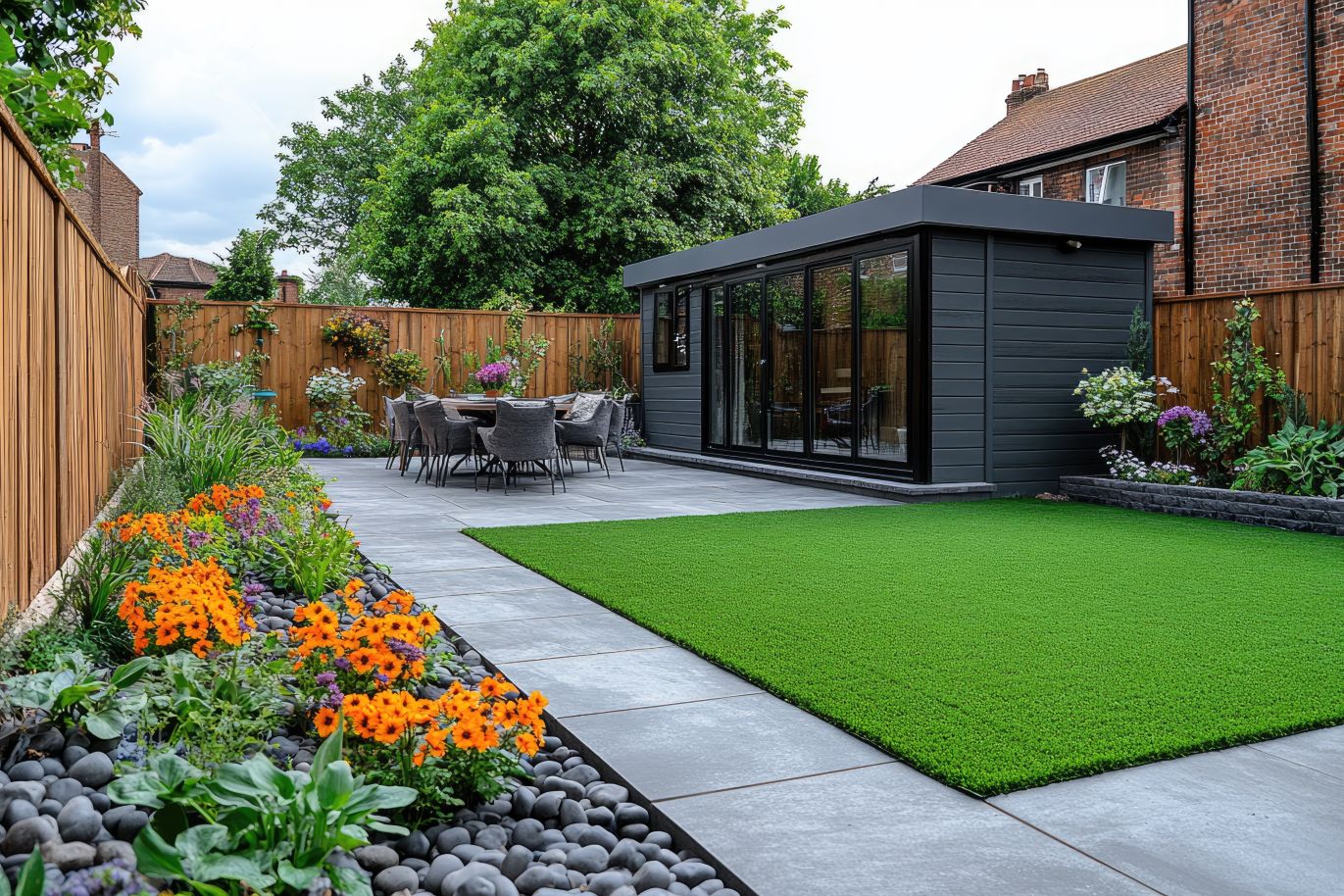
Hiring experienced designers and builders helps you avoid these pitfalls. Working with specialists like Garden Rooms by urbanpods allows you to bridge the gap between imagination and execution. Professionals understand how to align your vision with structural realities, ensuring every detail, from layout to insulation, supports your intended use. This collaboration prevents costly missteps and ensures your investment delivers comfort, functionality, and visual harmony. They will assess your property, recommend weather-resistant materials, and ensure the structure complements your surroundings while meeting local requirements.
These teams also anticipate issues you may not notice at first. For example, positioning affects natural light, privacy, and seasonal usability. Skilled builders can recommend solutions such as triple skylights for brightness or strategic solar shading to prevent overheating. They can also suggest subtle enhancements, like bird-safe glass that protects wildlife while maintaining clear views. With the right team, your project becomes less stressful and far more rewarding.
Question 1: What Will You Actually Use the Space For?
This question shapes every other decision. Your intended purpose determines size, layout, utilities, and interior finishes. If you plan to create a quiet home office, you’ll prioritize insulation, reliable internet access, and minimal distractions. On the other hand, if you envision hosting friends, you might focus on open layouts and welcoming features.
Some homeowners want a flexible space to host social events, from casual dinners to milestone celebrations. You might even imagine accommodating small wedding ceremonies or intimate corporate gatherings, especially if your outdoor area is scenic. In such cases, consulting event coordinators early helps you design for comfort and flow.
Versatility matters too. Your retreat might combine relaxation and entertaining, allowing the room to function like a sunroom conservatory during the day and a gathering spot at night. Adding thoughtful modern amenities, such as built-in seating or integrated lighting, enhances usability. In more ambitious designs, features like a compact industrial kitchen or a small family restroom can transform the space into a fully independent annex. The key is clarity. When you know the purpose, every design decision becomes easier.
Question 2: How Will It Fit Into Your Overall Garden Design?
A well-integrated structure doesn’t feel like an afterthought. It blends naturally with your landscape, enhancing rather than disrupting your outdoor environment. Start by considering your existing garden design and how the new addition complements its character.
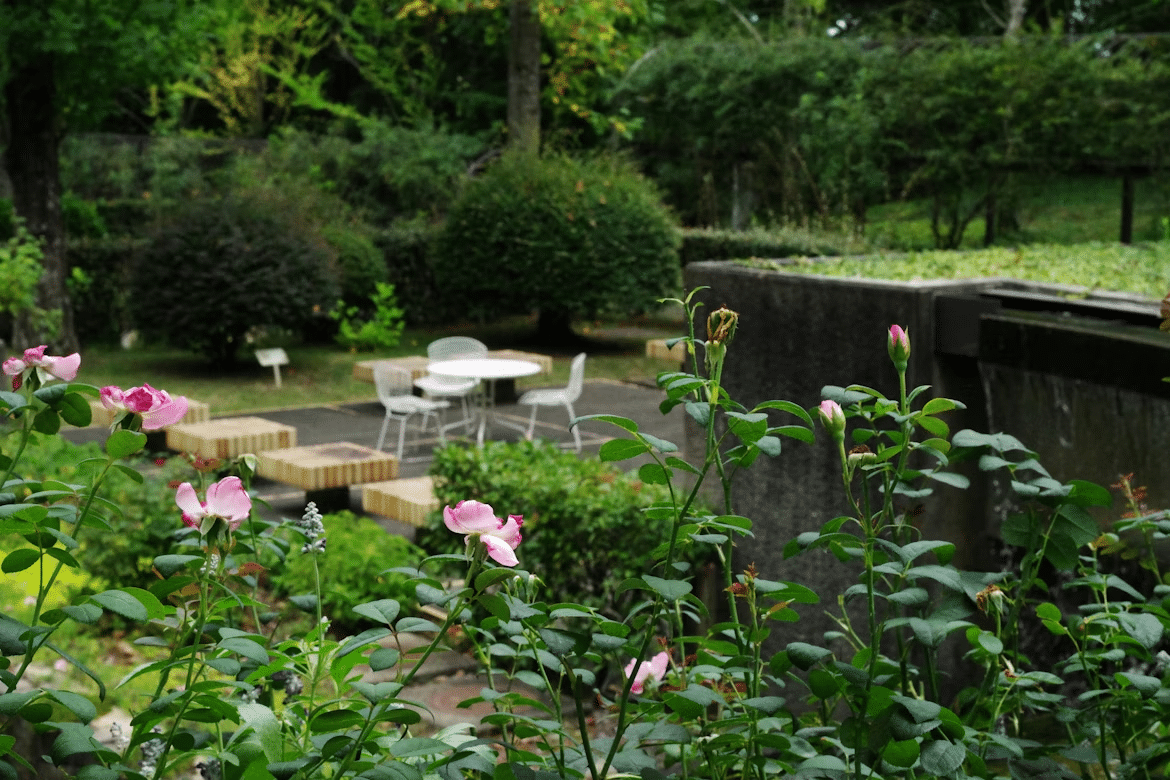
For example, if your yard features a traditional rose garden, you might draw inspiration from classic layouts like the Queen Elizabeth II Rose Garden, known for symmetry and elegance. You could frame the pathway with a pleached hornbeam hedge, guide visitors through a gated arbor, and accent the entrance with a fragrant climbing rose. These elements create continuity and charm.
Practical features also play an important role. Incorporating raised beds, decorative water features, and a welcoming stone patio connects the structure to its surroundings. Subtle landscape details, enhanced by carefully planned outdoor lighting, make the area inviting after sunset. Even simple touches like draping greenery soften edges and create a seamless transition between architecture and nature. When everything aligns with your overall garden style, the result feels intentional and timeless.

Question 3: Which Construction Method and Materials Make Sense?
How your structure is built affects durability, cost, and environmental impact. Some homeowners choose prefabricated buildings for faster installation and predictable pricing. Others prefer custom construction for complete creative freedom.
Material choices define both appearance and longevity. Exterior finishes like cedar shingles offer natural beauty and resilience, while advanced glazing and insulation improve comfort. Sustainable options such as a green roof not only enhance insulation but also blend visually with the surrounding landscape. Features like rainwater collection systems support eco-conscious living and reduce utility costs.
Architectural style also matters. You might prefer a sleek modern look or something inspired by turn-of-the-century garden pavilions. Regardless of your aesthetic, prioritizing durability ensures the structure withstands changing weather conditions. Selecting high-quality components from the start prevents deterioration and protects your investment for years to come.
Question 4: How Will You Keep It Comfortable Year-Round?
Comfort determines whether you use the space occasionally or every day. A reliable heating and cooling system ensures the interior remains pleasant in both winter and summer. Without proper climate control, temperature extremes can limit usability.
Flooring and insulation choices make a significant difference. Installing underfloor heating provides consistent warmth without bulky radiators, preserving clean lines and open layouts. Meanwhile, smart design features like well-placed windows and solar shading regulate natural light and prevent overheating.
Visual comfort matters too. Interior elements such as moody green furnishings create a calming atmosphere that complements outdoor views. Carefully selected glazing enhances the experience; for instance, these minimalist window frames maximize visibility while maintaining excellent insulation. The result is a space that feels inviting, no matter the season.
Question 5: What Legal and Planning Factors Must You Consider?
Before construction begins, you need to understand the legal framework governing your property. Local building regulations ensure safety, structural integrity, and proper utility connections. Failing to comply can result in fines or mandatory modifications.
In some cases, you’ll need formal planning permission, especially if the structure exceeds certain size limits or significantly alters your property’s appearance. Restrictions may also apply if your home is located within a protected conservation area, where preserving historical character is a priority.
Additionally, local zoning regulations may affect placement, height, and distance from property boundaries. Taking time to review these requirements early prevents delays and ensures your project moves forward smoothly. Consulting professionals familiar with local rules simplifies the process and reduces uncertainty.
The Industry’s Growth and What It Means for You
Interest in backyard retreats has surged in recent years. Homeowners increasingly want flexible spaces that support work, relaxation, and entertainment without requiring major renovations to their main house. The sector is experiencing robust growth, earning approximately USD$ 3.22 billion (GBP£ 2.39 billion) last year.
This expansion reflects changing lifestyles. Remote work, outdoor living trends, and property value considerations all contribute to rising demand. As the industry evolves, innovations in insulation, glazing, and sustainable construction will make these spaces even more efficient and accessible. For you, this means more design options, better materials, and improved long-term value.
Bringing It All Together
Building your ideal backyard retreat is about more than adding square footage. It’s about creating a space that aligns with your lifestyle, complements your surroundings, and stands the test of time. Whether you envision a tranquil escape framed by flowers or a lively venue for gatherings, careful planning makes all the difference.
By asking the right questions about purpose, integration, materials, comfort, and legal requirements, you ensure your project succeeds from the start. Thoughtful preparation, combined with expert guidance, transforms your vision into a place you’ll enjoy for years. The result isn’t just an addition to your property. It’s a meaningful extension of how you live, work, and connect with the world.