
People spend hours picking the perfect throw pillows. Then they trip over a rug at 2am and end up in urgent care. Not exactly the home vibe anyone’s going for.
Safety doesn’t have to look institutional. You can avoid accidents and still have a place that feels like yours. A few smart changes prevent injuries without turning your home into a hospital ward.
Strategic Lighting Reduces Accidents
Dark hallways are basically booby traps. You get up to pee at night and suddenly you’re sprawled on the floor. LED bulbs are cheap now. Put them everywhere. Start with your entryway and stairs.
Motion sensors fixed this problem for good. Walk into your bathroom and the light just turns on. No fumbling for switches half-asleep. This one change prevents so many falls it’s ridiculous.
Layer Your Light Sources
One ceiling fixture creates shadows everywhere. You need lamps scattered around. Floor lamps hit those dark corners. Table lamps light up reading spots. Kitchen counter strips help you see what you’re chopping without slicing a finger.
Smart bulbs give you phone control. Dim them for movies. Crank them up for detail work. Some models turn on automatically at night. They basically create a lit path to the bathroom for you.
Flooring Choices That Prevent Falls
Slippery floors send tons of people to the ER. The CDC tracks this stuff and the numbers aren’t pretty. Your bathroom is probably the worst culprit. That tile looks amazing until it’s wet.
Cork flooring grips way better. Vinyl planks do too and they come in every style imaginable now. Rugs need pads underneath. All of them. No exceptions. Thick shag catches on walkers so go low-pile instead.
Smart Rug Placement
Rugs at the top of stairs are a terrible idea. They slide around in narrow hallways too. Try using the same flooring throughout your whole place. Switching from carpet to hardwood creates these little lips that grab your toes. Can’t avoid transitions sometimes though. Get tapered strips and paint them a different color.
Furniture Arrangement for Easy Movement
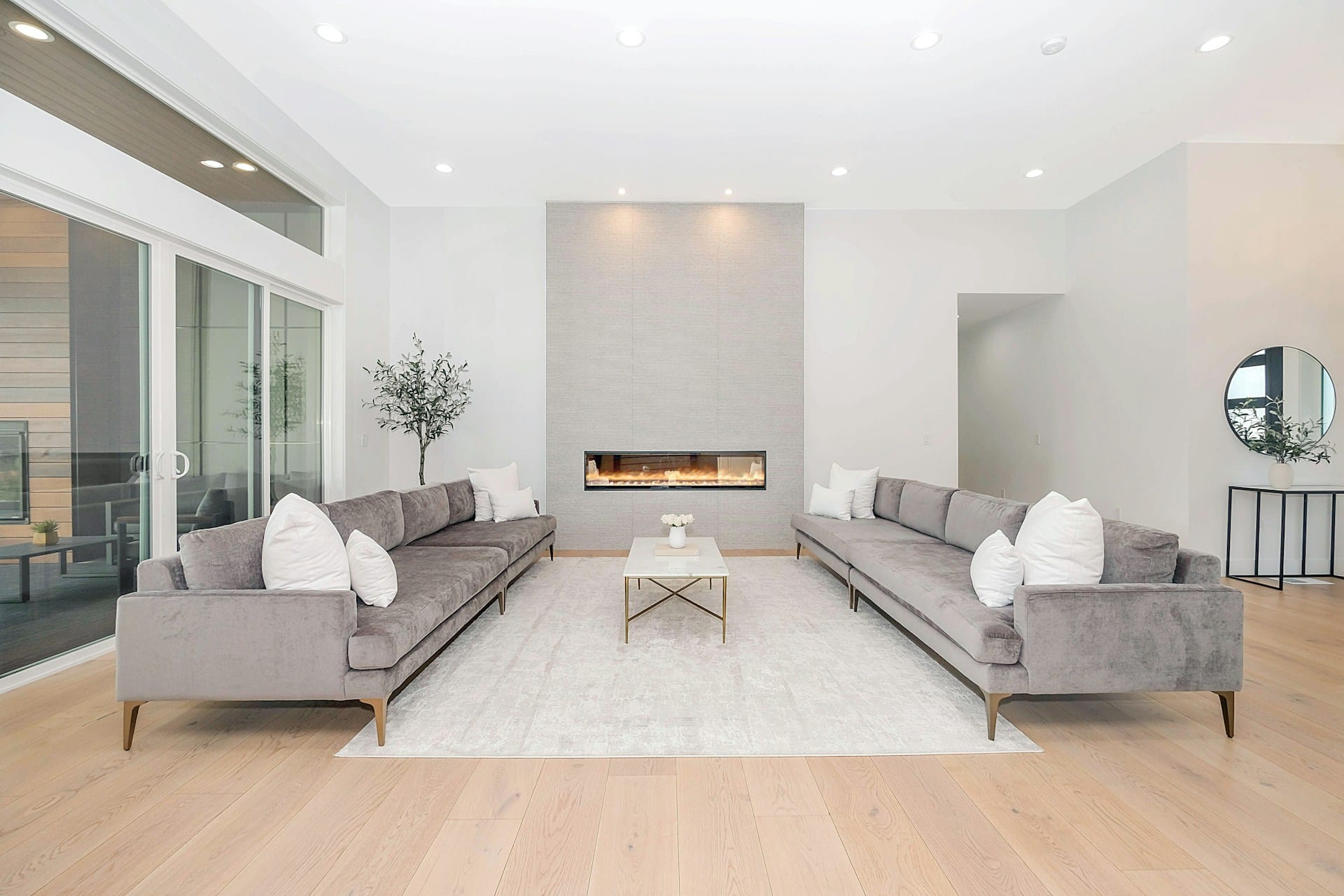
Cramming too much furniture in one room creates an obstacle course. You need three feet of clearance between pieces. That works for wheelchairs, walkers, and carrying full laundry baskets. Ditch anything collecting dust.
Push everything against the walls. Opens up the middle. Coffee tables with sharp corners are shin bruisers. Round ottomans work way better. You can shove them aside when you need space.
Secure Heavy Pieces
Bookcases tip over easier than you’d think. Dressers too. Those earthquake straps from the hardware store take maybe ten minutes. You can’t see them once they’re installed. Nobody needs a bookcase landing on their head.
Health Monitoring and Emergency Preparedness
Safety goes beyond moving furniture around. Stock a first aid kit somewhere accessible. Basics you need:
- Bandages in various sizes
- Antiseptic stuff
- Pain meds like ibuprofen
- Any prescriptions you take
- Gauze and tape
Check expiration dates twice a year. Old supplies don’t work right.
Wearable devices like medical bracelets connect you to help instantly. One button does it. Newer models detect falls automatically and call for you. They work inside and outside your house. Living alone feels less nerve-wracking with one.
Set Up Emergency Systems
Test smoke detectors monthly. Swap batteries yearly. Carbon monoxide alarms go on every floor. Keep a fire extinguisher by the stove. Learn how to actually use it before there’s a fire. Write emergency numbers by every phone. Include your address so whoever’s calling can read it off.
Bathroom Modifications That Look Great
Bathrooms cause more falls than anywhere else. Water plus hard surfaces equals disaster. You can fix this without ugly grab bars from a medical catalog.
Add Supportive Fixtures
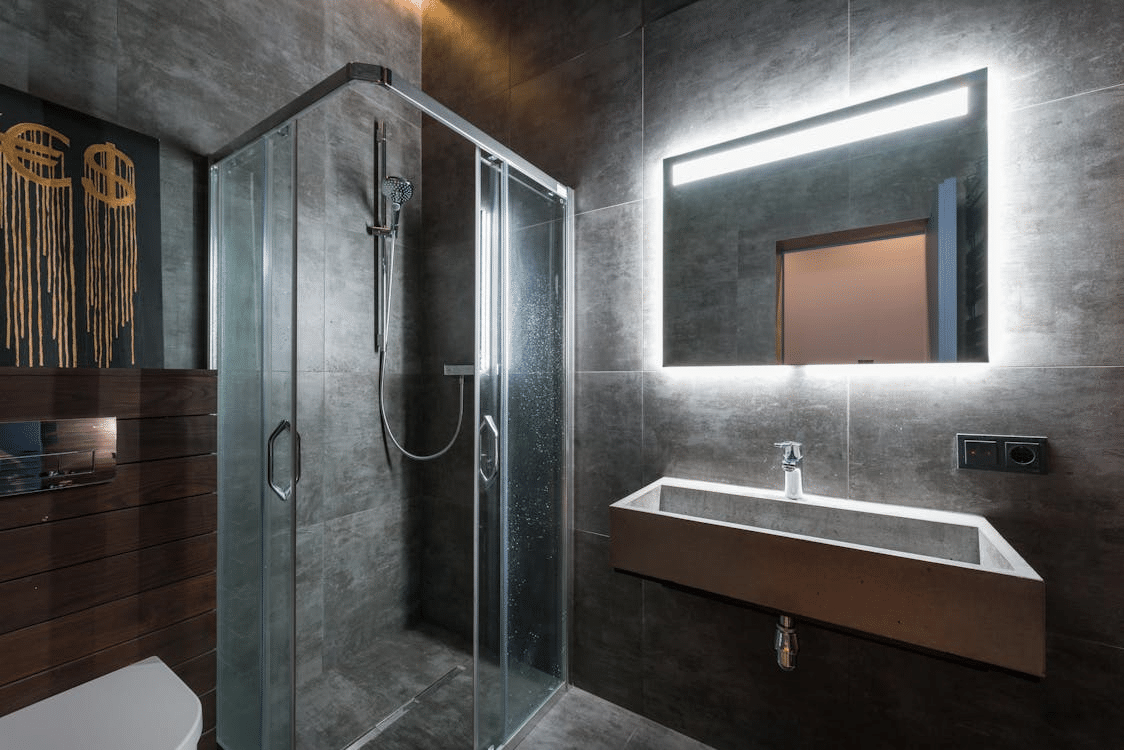
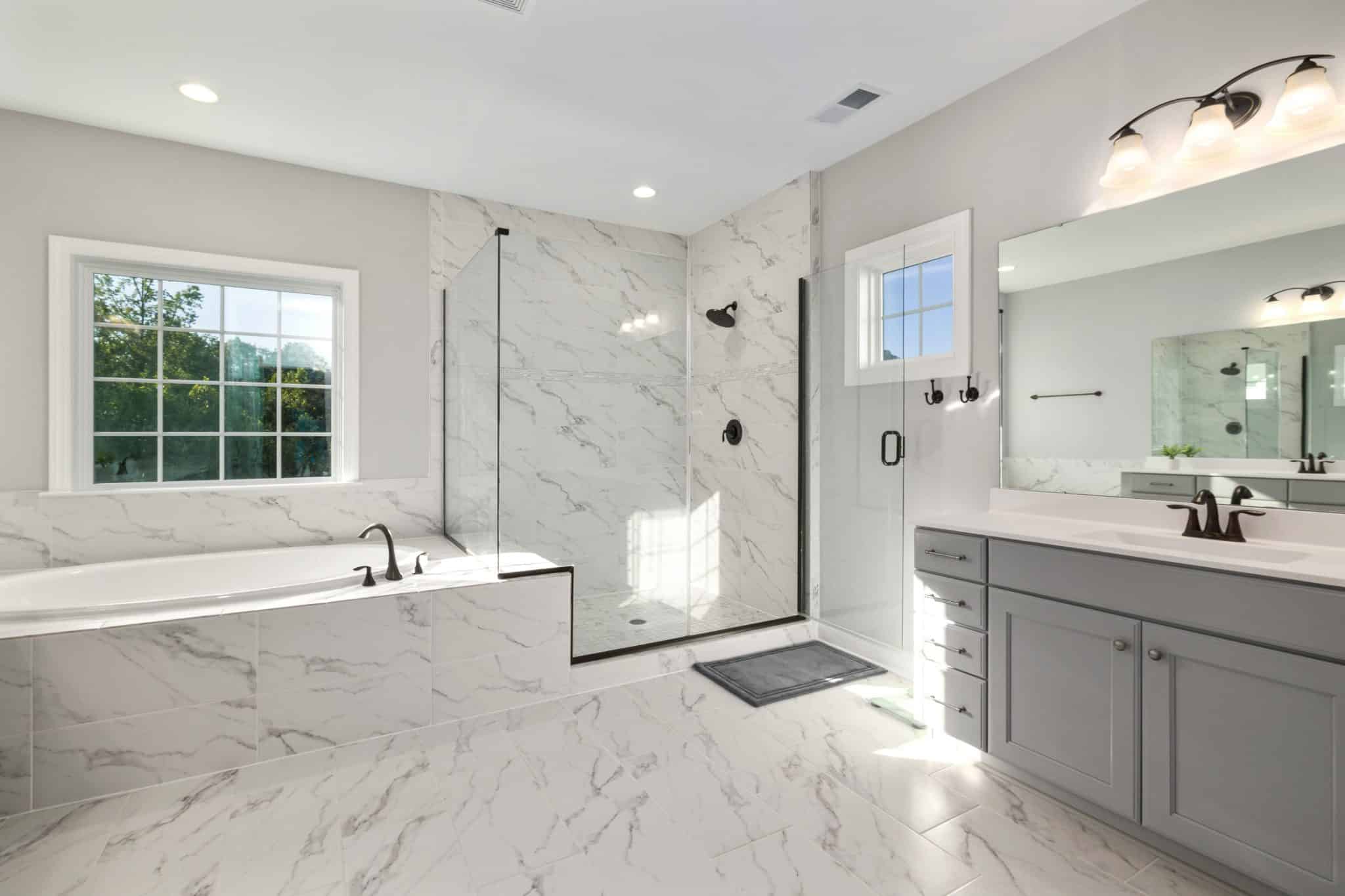
Modern grab bars don’t scream hospital anymore. They come in brushed nickel, matte black, oil-rubbed bronze. People think they’re towel bars until they grab one. Put them by the toilet and in the shower.
Handheld showerheads beat fixed ones by a mile. Mount yours on a sliding bar. Adjust the height whenever. Get one with temperature control so you don’t get scalded. Sitting down to shower becomes way easier.
Upgrade Your Toilet and Flooring
Comfort-height toilets sit taller than regular ones. The ADA sets heights between 17 and 19 inches. Those extra inches save your knees. Bidet attachments keep you cleaner without the reaching and twisting.
Stick non-slip strips in your tub. Don’t cover everything. Just where you stand most. Quick-dry bath mats beat regular ones because they don’t stay soaked.
Shower benches fold flat against the wall. Pull them down when you need to sit. Beats trying to balance on one foot while washing the other.
Making Safety Feel Like Home
Safe doesn’t equal ugly. Every change here does something useful and looks decent. Pick one room. Start there. You’ll notice how much steadier you feel right away.
What you need depends on your situation. Bad eyesight means better lighting matters most. Balance problems call for grab bars first. Mix what works for you. Your home should support independence and still feel like your space.