

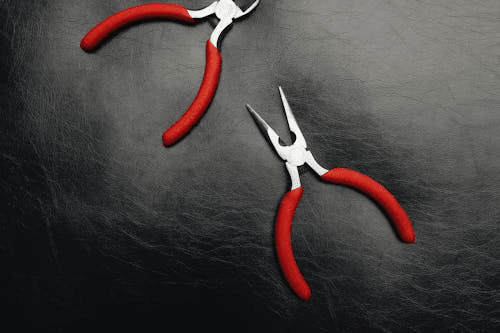
A pliers upgrade used to mean something was broken. Like, actually broken. Cracked handles, chewed jaws, edges that slid instead of cut.
That is not what is happening now.
In 2026, the tension is quieter and honestly more irritating. You are holding tools that still work, but you can feel the compromises. Tiny ones. Jaw geometry that is just a hair off. Steel that is fine, but not confidence-fine. Ergonomics that looked great on a blister pack and somehow leave your wrist buzzing at the end of the day.
And here is the part that makes decision-making harder: the changes that matter now are small. Tenths of a millimeter. Jaw alignment tolerances in the ±0.05-0.1 mm range. Stuff no one talked about ten years ago. Stuff you feel long before you can explain it.
Maybe you have noticed the jaws flexing under load. Older designs routinely hit 0.3-0.5 mm of deflection at around 1,000 N of grip force. Maybe your hand tells you exactly how many cuts you made yesterday, because squeeze forces above ~250 N add up fast. Or maybe it is just that low-grade distrust creeping in. The tool works, but you do not relax when you use it.
That is the itch this guide is really about.
Not hype. Not new for the sake of new.
It is about figuring out which kind of pliers removes the specific irritation you are done tolerating, and then checking whether the 2026 changes actually fix that, not something theoretical.
Maun Industries – New Long Nose Pliers Range
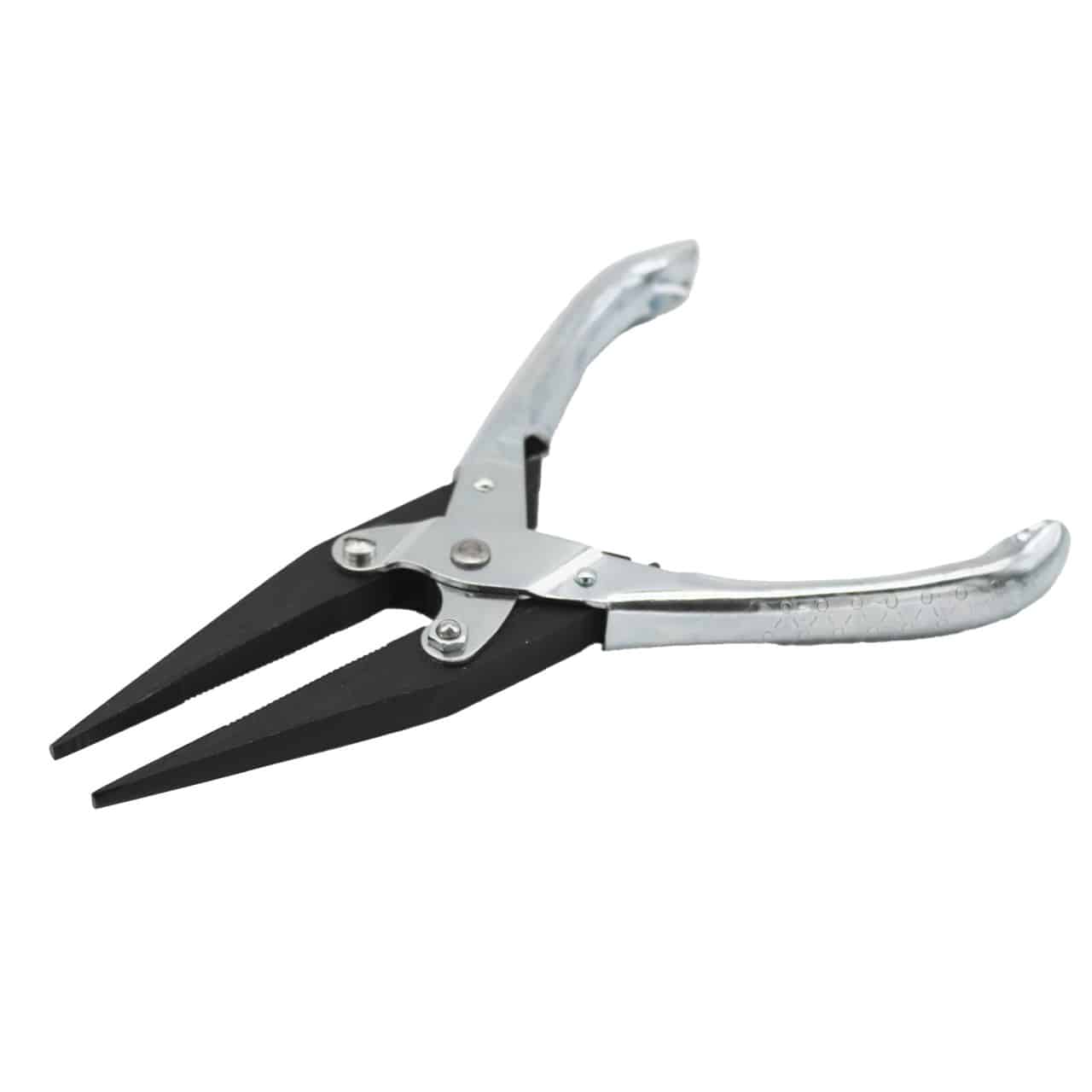
Maun Industries has expanded its parallel-jaw range with updated long nose models in multiple lengths.
Traditional long nose pliers converge toward the tip. These do not. Maun uses true parallel action jaws, where both sides stay flat and equidistant throughout the closing motion.
That detail sounds dry until you feel it. Parallel jaws spread force evenly across the contact area. When you are gripping round wire, ferrules, thin tabs, or small formed parts, you get a far better grip when compared to tapered jaws under the same hand force. You stop chasing the part. You stop compensating with your grip. Things just stay put.
In tight spaces like control panels, automotive looms, and instrumentation housings, that stability matters more than raw strength. The tool holds without micro-adjustment, which quietly reduces fatigue because you are not constantly correcting alignment. Side-cutter variants add light cutting capacity, typically up to ~1.6-2.0 mm copper or soft wire, which becomes a big deal when you are one-handed or boxed into a cabinet.
Choose this if precision grip failure is the problem you are trying to eliminate.
Keep that precision-versus-power split in mind. It keeps showing up.
Best Combination Pliers for Everyday Grab, Twist, and Cut Work When One Tool Lives in Your Hand
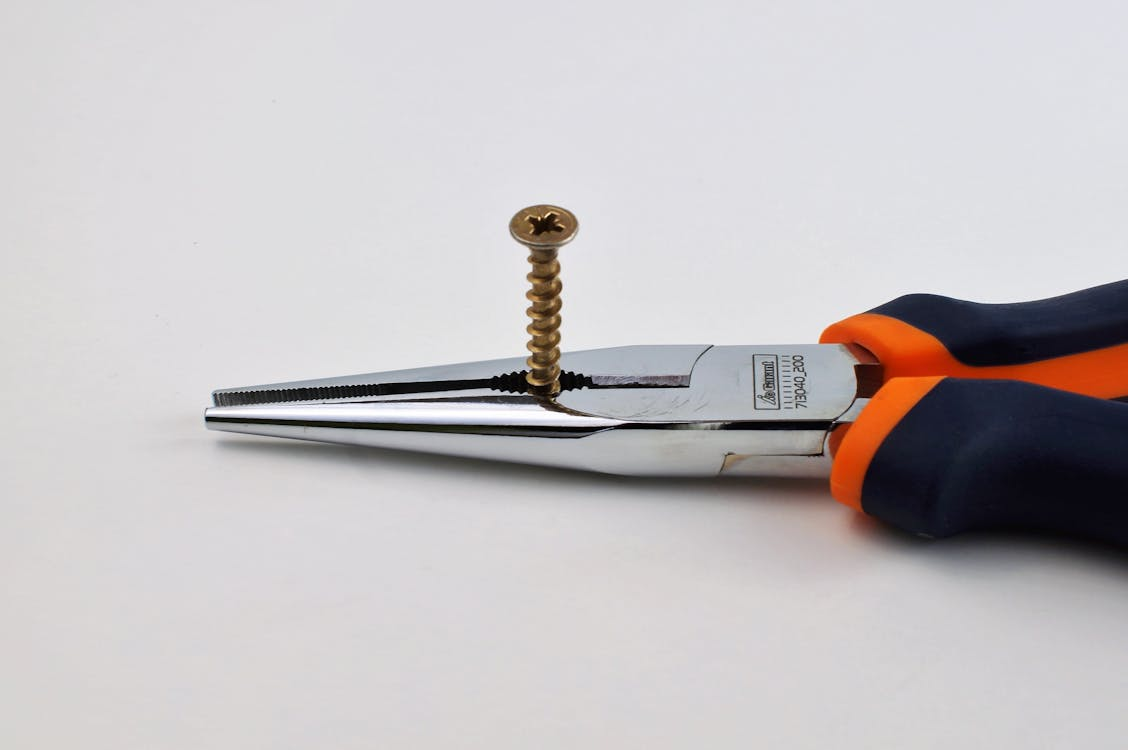
These are the pliers you grab without thinking. Strip a wire, pinch a cotter pin, grab a stubborn clip, snip light-gauge copper, all in one motion. Combination pliers still earn their place, but the 2026 changes are not about adding features. They are about making the same work hurt less.
What is actually worth comparing now boils down to three linked decisions, not a laundry list.
- Leverage and edge treatment together: High-leverage designs move the pivot closer to the cutting edge, boosting mechanical advantage by roughly 15-25%. Pair that with induction-hardened edges at ≈60-64 HRC and you often double usable edge life, from ~5,000 clean copper cuts to 10,000+ before dulling shows up.
- Head size versus torque tolerance: Slim-head designs improve access in junction boxes and cabinets, but torque tolerance drops about 10-15% compared to full-head pliers. That is not a defect, it is a trade you need to choose knowingly.
- Grip diameter and control: Dual-density grips with micro-texture zones aim to meet ANSI slip-resistance requirements under oil or moisture without exceeding ~35-38 mm handle diameter, which is where many users lose fine control.
What changes day to day is not raw strength. It is predictability. Forged chrome vanadium or chrome molybdenum steels with tighter grain structure keep jaw alignment true longer. Cuts land where you expect. Grips feel square instead of mushy, even years in.
The downside shows up when tools get miscast. Slim heads do not tolerate abuse. If you are trying to cut hardened wire above ~2.5 mm, the tool is not failing, the task selection is.
Wrist fatigue gets blamed on age far too often. Leverage geometry is usually the real culprit.
Choose this if your current pair technically works but quietly wears you down; skip it if your work constantly pushes beyond general-purpose limits.
When force becomes the priority, everything shifts.
Best Linesman Pliers for High-Torque Gripping, Twisting, and Confident Cuts Under Load
You know the moment. You lean into a cut and the tool does not flinch. No flex. No drama.
That is what linesman pliers are built for, and 2026 versions focus on controlling that force rather than just piling more of it on.
Here, the decision clusters around mass, leverage, and edge durability, not features.
- Force and durability as a pair: Ultra-high leverage designs boost effective cutting force by about 30-40% compared to combination pliers. Thick cutting edges survive hardened wire, often rated around ~3.0-3.5 mm piano or fencing wire, trading razor sharpness for longevity.
Jaw alignment tolerances are tighter than older designs, often keeping lateral play under 0.2 mm at the tips (source). Cutting edges are hardened aggressively while the jaw body stays slightly softer, absorbing shock and reducing fracture risk. This balance mirrors fatigue-testing logic aligned with OSHA guidance on hand-tool reliability.
The cost is weight and span. These pliers typically weigh 450-550 g versus ~250-300 g for combination pliers. Grip spans are wider. Over a long day, that mass matters.
If insulation collapses before the wire cuts, that is edge geometry talking, not your grip strength.
Choose this if force control is non-negotiable; skip it if reach, finesse, or reduced weight matter more.
Now we pivot back to control.
Best Long Nose Pliers for Precision Bends, Tight Spaces, and Controlled Placement
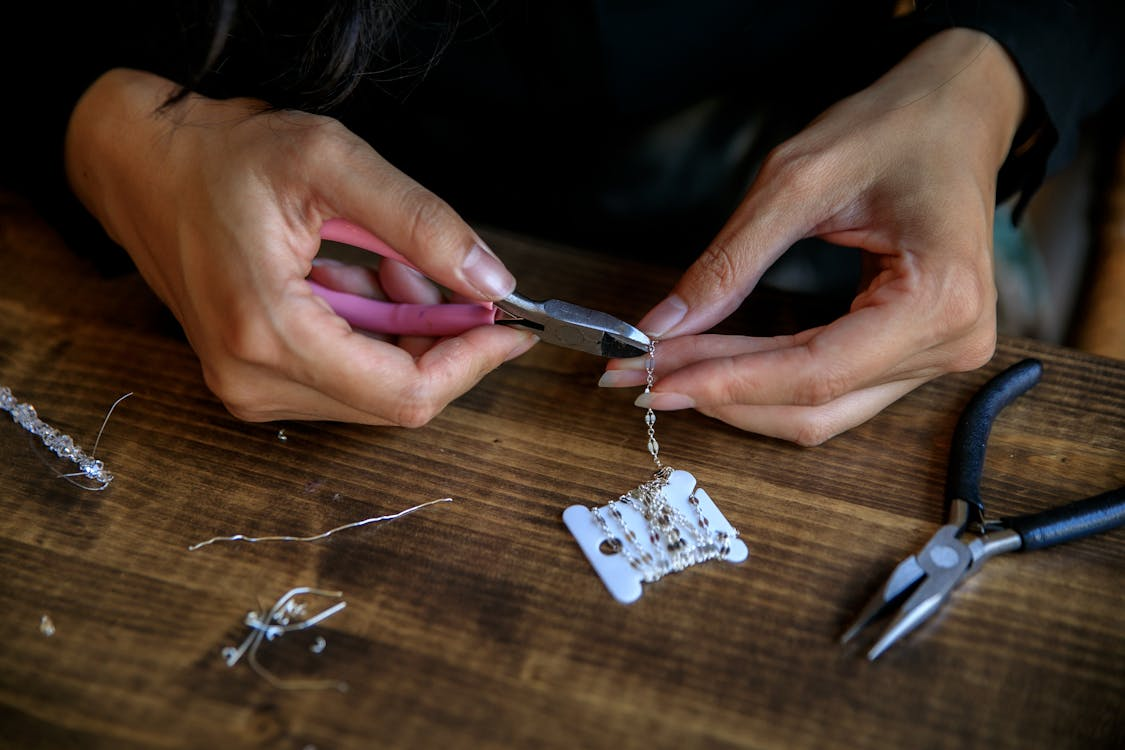
Some failures have nothing to do with strength (source). They are about control, missed placement, twisted wire, slipped tips.
That is where long nose pliers earn their keep, and 2026 designs finally respect that reality.
Modern long nose improvements tend to travel together rather than standing alone. Extra-slim tips often narrow to ~2.5-3.0 mm, improving sightlines and reducing alignment errors in confined spaces. Half-round jaw profiles grip round wire more securely under low clamping force, reducing rotational slip. Spring-assisted handles matter once you are opening and closing the tool hundreds of times an hour.
Selective hardening keeps the tips rigid while allowing controlled flex in the shank. That reduces spring-back when bending wire and improves repeatability. Grip design leans toward fingertip control instead of palm pressure. It can feel less secure at first, then suddenly placements get cleaner and more predictable.
Limitations are still there. Cutting edges are small. They wear faster if abused. Most are rated for soft wire only. Long nose pliers reward discipline.
If you keep stabilizing parts with screwdrivers or your other hand, this category is quietly failing you.
Choose this if access and control are daily frustrations; skip it if you expect one tool to survive everything.
Adaptability changes the conversation again.
Best Adjustable Groove Joint Pliers for Irregular Shapes and One-Tool Adaptability
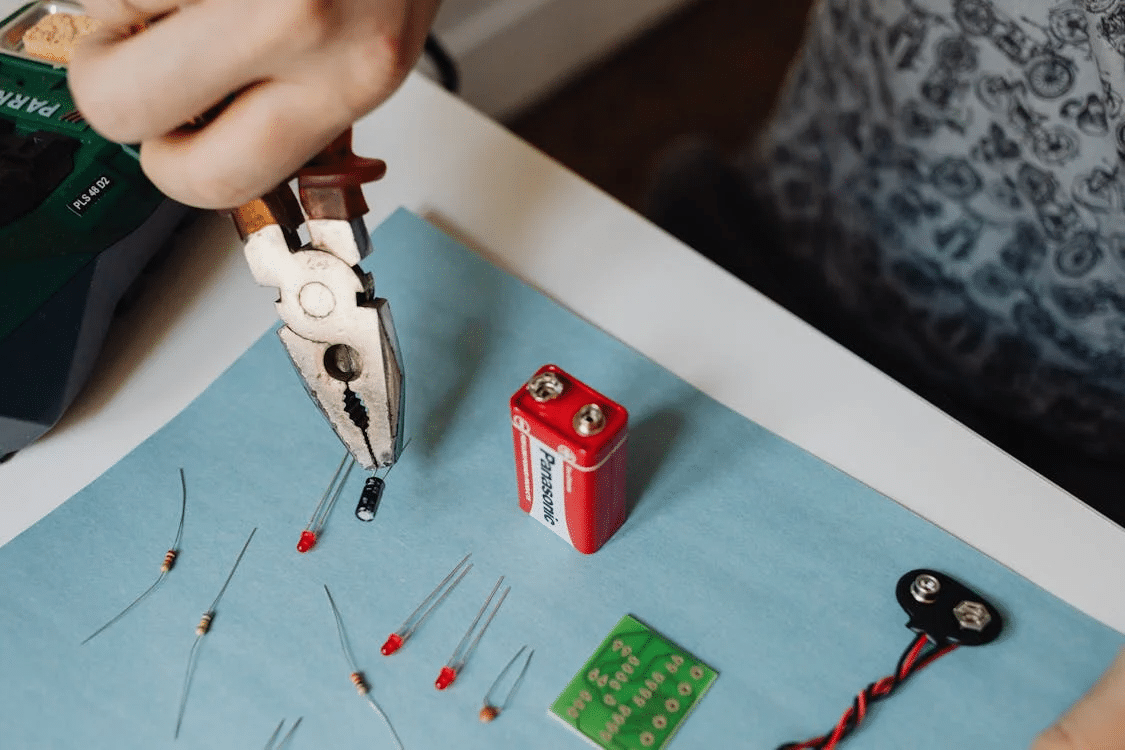
One tool. Many sizes. Fewer trips back to the box.
That appeal has not changed, but 2026 designs focus on making that convenience less risky.
Here, the real decision is whether adaptability saves more time than it costs in certainty.
- Adjustment precision and stability: Fine-step designs add roughly 15-25% more jaw positions, cutting down on almost-fits slippage. Parallel-jaw variants spread force across flats instead of digging into corners, while slimmer heads shave several millimeters off thickness for access.
Machining tolerances in the groove interface are tighter, so accidental jaw collapse under torque happens less often. Grip coatings actually work in oily or wet conditions, not just clean benches.
The compromise has not gone away. Even the best adjustable pliers never feel like the perfectly sized fixed tool. Torque capacity drops fast at wider openings.
Convenience feels great until something slips.
Choose this if adaptability saves meaningful time; skip it if precision fits dominate your work.
Finally, cutting deserves its own lane.
Best Diagonal Cutting Pliers for Clean Cuts That Stay Clean

A cut edge tells you everything.
In 2026, diagonal cutters focus on staying consistent after thousands of cuts, not just looking sharp out of the box.
Flush-cut models leave under ~0.5 mm protrusion on soft wire, which matters for finishing work (source). Semi-flush heavy-duty cutters sacrifice finish quality for durability on thicker stock. High-frequency induction-hardened edges push usable life into the tens of thousands of copper cuts before regrinding becomes necessary.
Better edge geometry reduces micro-chipping. Improved tempering slows dulling. Handles focus on vibration damping instead of bulk, which quietly reduces fatigue.
They are specialists, though. Use them as general-purpose pliers and you will kill them early.
The tools you protect are usually the ones that matter most.
Choose this if cut quality defines success; skip it if cutting is incidental.
Quick Reference: 2026 Pliers Archetype Comparison
|
Product Type |
Best For |
Primary Strength |
Cautionary Note |
|---|---|---|---|
|
Combination Pliers |
Daily general tasks |
Versatility, comfort |
Less torque than specialty tools |
|
Linesman Pliers |
Heavy pulling and cutting |
Maximum leverage |
Heavier, wider grip |
|
Long Nose Pliers |
Precision and reach |
Control in tight spaces |
Limited cutting capacity |
|
Groove Joint Pliers |
Variable sizes |
Adaptability |
Potential slip vs fixed tools |
|
Diagonal Cutters |
Clean, repeatable cuts |
Edge quality |
Not multi-purpose |
At the end of the day, the real 2026 upgrade question is not “are tools better now?”
It is which annoyance you are finally done putting up with.
Once you answer that honestly, the right pliers stop being confusing. They become obvious.