
Ever lie in bed at night and hear a random thud… and suddenly your whole body goes stiff?
Yeah. Same.
You tell yourself it’s nothing. The house settling. The wind. The dog. But your brain doesn’t care. It starts running wild. What if someone’s outside? What if something’s wrong? What if you are not ready?
That is when it hits you. Hoping nothing bad happens is not a plan. Building a home defense plan isn’t about fear. It is about peace. It’s about knowing your family is protected in every season, not just when something scary pops up on the news. And honestly, it’s about education too. When you learn how your home works and what risks are real, your stress drops. Your health improves. You sleep better. And when your body and mind aren’t stuck in panic mode all the time, you make better choices.
Start With the Basics: Doors, Windows, and Habits
You don’t need high-tech gadgets to begin. You need awareness.
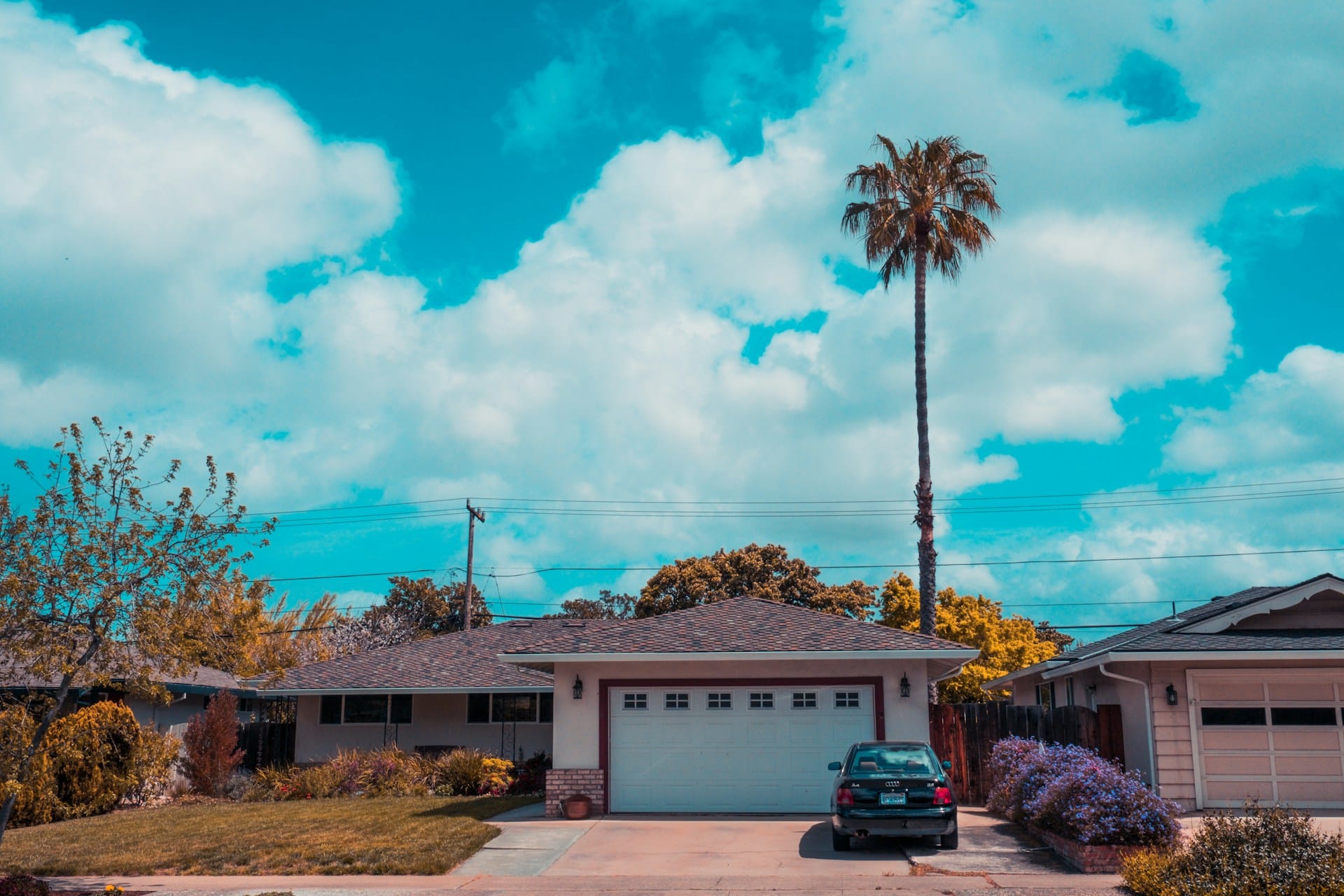
Walk around your house. Seriously. Do it tomorrow. Check every door and window. Are the locks solid? Do they stick? Does that back door actually latch or does it “kind of” close? A home defense plan starts with small habits. Lock the doors. Even during the day. Close the garage. Don’t leave packages sitting out for hours. Simple stuff.
Don’t Ignore the Small Invaders
Here’s something people forget. Home defense isn’t only about burglars.
It’s about pests too. Ever dealt with ants in the kitchen? Or heard scratching in the attic at 2 a.m.? It drives you crazy. And if you ignore it, it gets worse. Fast.
Rodents chew wires. That’s a fire risk. Termites weaken wood. That’s structural damage. Roaches and droppings affect air quality. That’s your health.
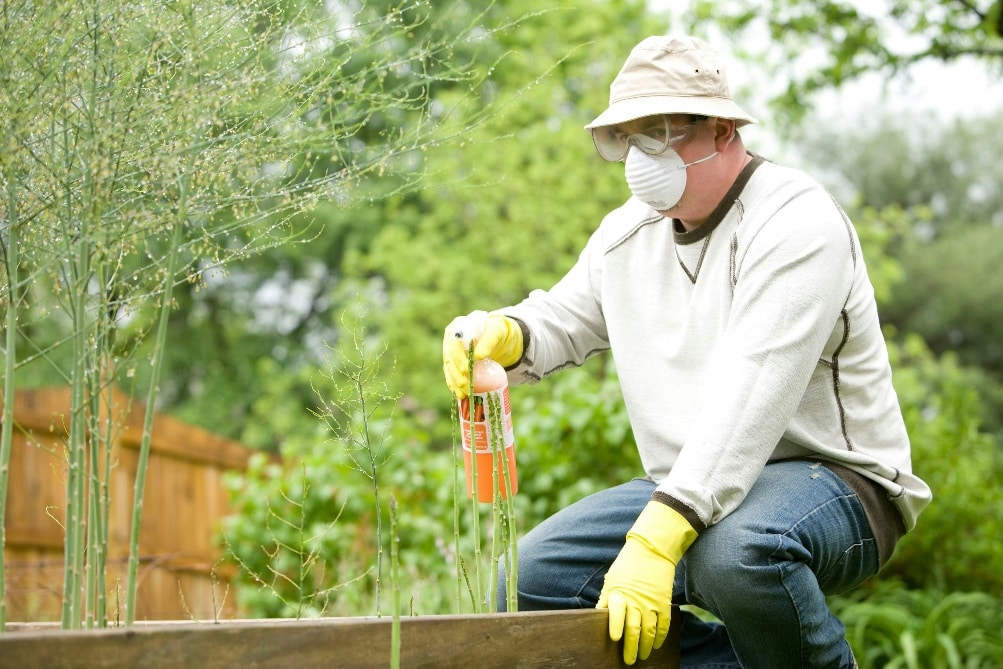
So yes, professional pest control matters a lot. Only they know where these critters can hide and handle them properly.
And for these professionals it’s not just about spraying chemicals and calling it a day. It’s about sealing cracks. Storing food properly. Cleaning up spills right away. Checking for moisture under sinks. Making sure trash lids close tight.
It’s not glamorous. It’s annoying. But it protects your home from the inside out. Have you checked your attic lately? Your crawl space? Or are you just hoping nothing’s living up there rent-free?
Pests don’t care about the season. They look for warmth in winter. Shelter in storms. Food all year long. Your plan should include regular inspections. Maybe once every few months. Just a quick look around. It saves money. It protects health. And it stops small problems before they turn into big ones.
Create a Family Plan, Not Just a System
Locks and lights are tools. But people need a plan too.
If something happens in the middle of the night, does everyone know what to do? Or would it be chaos?
Talk about it. I know it feels awkward. You don’t want to scare the kids. But calm conversations are better than panic in the dark.
Pick a safe room. Maybe the main bedroom. Maybe another space. Make sure phones are charged at night. Keep a flashlight nearby. Maybe even a basic first aid kit.
And practice. Not in a dramatic way. Just simple reminders. “If we ever hear breaking glass, we go here.” That’s it. What about fire safety? Smoke detectors working? Batteries fresh? Fire extinguisher accessible?
Home defense isn’t just about people outside the house. It’s about accidents inside too. When everyone knows the plan, fear goes down. And when fear goes down, thinking stays clear. It’s strange how just talking about worst-case scenarios can make them feel less powerful.
Adjust With the Seasons
Every season brings different risks. In summer, windows are open more. Kids are in and out all day. Doors get left unlocked. Storms can knock out power. In fall, days get shorter. It gets dark earlier. That changes visibility around your home.
Winter brings package deliveries. Holiday travel. Empty houses for days at a time. Spring? Flooding in some areas. Heavy rains. Strong winds.
Your home defense plan should shift with the calendar. Not in a complicated way. Just awareness.
Going on vacation? Have a neighbor grab mail. Use light timers. Don’t post travel plans publicly until you’re back.
Expecting a storm? Secure outdoor furniture. Check gutters. Charge backup batteries. It doesn’t have to be a huge checklist. Just a mental reset every few months. What’s different right now? What’s the new weak spot?
Staying flexible keeps the plan alive. If it never changes, it gets ignored.
Use Technology, But Don’t Rely on It Alone
Cameras are helpful. Doorbell cams are everywhere now. Alarm systems too.
And yes, they add a layer of protection.
But here’s the honest part. Tech fails sometimes. Power goes out. Wi-Fi drops. Apps glitch. If your entire plan depends on an app notification, that’s risky. Use tech as support, not as the only defense.
Cameras can help you review footage. Alarms can alert authorities. But physical locks, good lighting, and solid habits still matter more.
Have you updated your system lately? Changed passwords? Checked camera angles? Technology should be maintained just like anything else in the house. Otherwise it becomes a false sense of security.
And nothing’s worse than thinking you’re covered… and finding out you’re not.
Peace Is the Real Goal
At the end of the day, a home defense plan isn’t about living in fear.
It’s about sleeping better. It’s about knowing you’ve done what you can. Doors locked. Lights working. Pests handled. Family informed. Seasons considered.
You can’t control everything. That’s the hard truth. But you can reduce risk. You can remove easy targets. You can stay aware without becoming paranoid. And when your home feels secure, your body relaxes. Your mind rests. Health improves. Stress drops.
That’s the real win.
So maybe tonight, instead of brushing off that random noise, you take a few minutes to walk the house. Check the locks. Look at the yard. Make a small plan.
Nothing extreme. Just steady effort. Because safety isn’t built in one day. It’s built in small, boring, repeated steps. And honestly? That’s enough.