
Kitchen remodels can be expensive, which is why many homeowners look for budget-friendly ways to refresh their space. One common question that comes up is whether you can paint kitchen countertops instead of replacing them.
The short answer is yes, you can paint certain types of countertops. But whether you should depends on the material, your expectations, and how long you want the results to last. This guide walks you through what works, what doesn’t, and how to approach the process the right way.
Can You Paint Kitchen Countertops?
Painting kitchen countertops is possible, but it is not a one-size-fits-all solution. Success depends heavily on the type of surface, the preparation process, and the protective finish applied afterward.
In most cases, painting is considered a temporary or budget-friendly upgrade rather than a permanent solution. When done correctly, it can significantly improve the appearance of outdated countertops, but it requires proper care and maintenance to hold up over time.
What Types of Countertops Can Be Painted?
Laminate Countertops
Laminate is one of the best surfaces for painting. With proper sanding, priming, and sealing, painted laminate countertops can achieve a smooth and updated look.
This makes laminate a popular choice for DIY countertop painting projects.
Wood Countertops
Wood countertops can also be painted, although many homeowners choose to stain them instead to highlight the natural grain. If painted, they require a strong sealant to protect against moisture and wear.
Tile Countertops
Tile surfaces can be painted, but they require additional attention due to grout lines. Proper cleaning and sealing are essential to achieve a consistent finish.
Surfaces That Should Not Be Painted
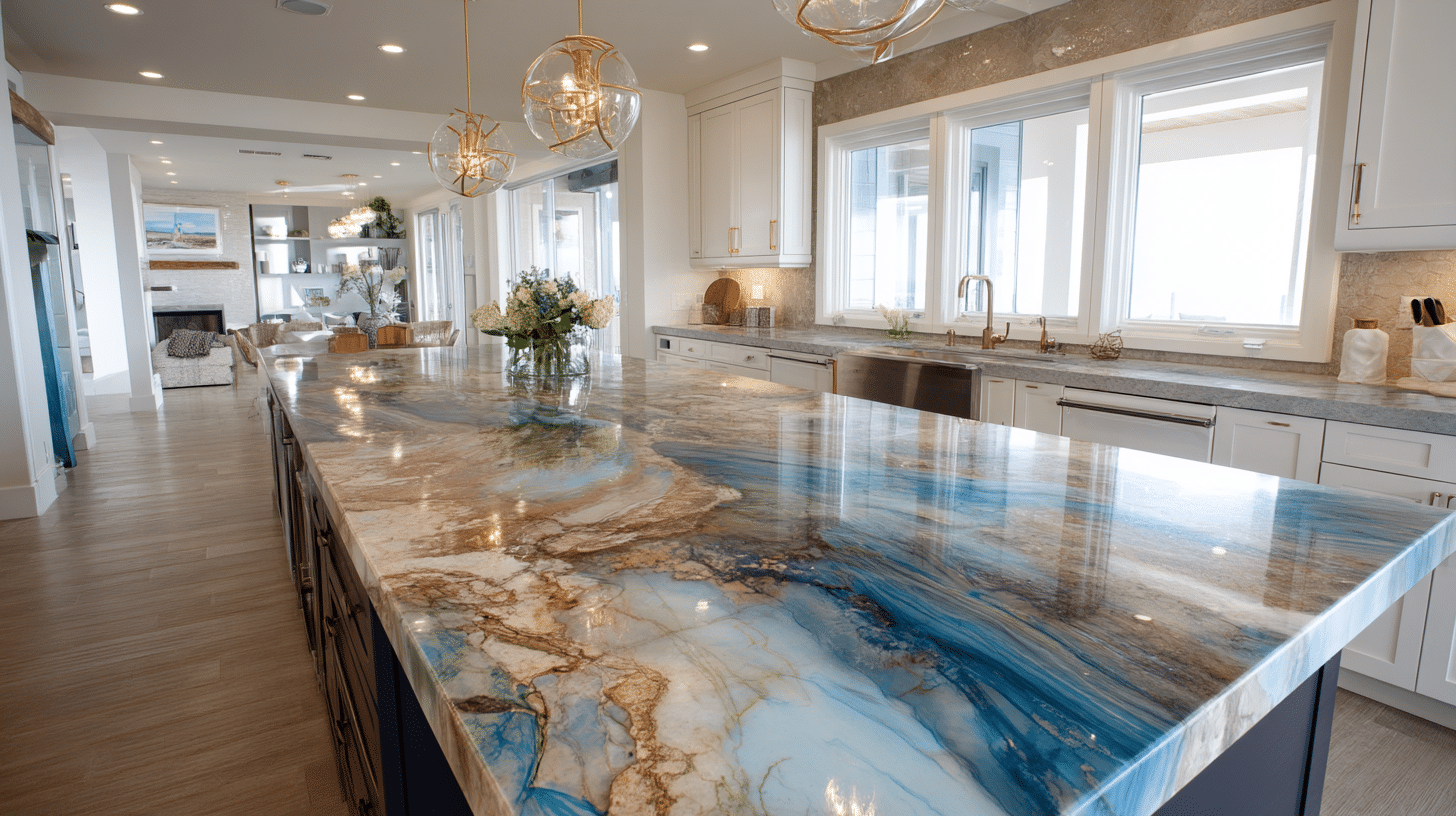
Materials like granite, quartz, and marble are not good candidates for painting. These surfaces are dense and non-porous, making it difficult for paint to adhere properly. Even if paint is applied, it is likely to peel or chip over time.
Pros and Cons of Painting Kitchen Countertops
Pros
Painting countertops is one of the most affordable ways to update a kitchen. It allows you to transform the look of the space without the cost of full replacement. It is also relatively quick and can often be completed in a few days.
For homeowners comfortable with DIY projects, it can be an accessible option.
Cons
The biggest drawback is durability. Painted countertops are more prone to scratching, chipping, and wear, especially in high-use areas.
They also require ongoing maintenance and may need touch-ups over time. For long-term solutions, replacement or resurfacing is often a better investment.
Step-by-Step: How to Paint Kitchen Countertops
Step 1 – Clean and Degrease
Start by thoroughly cleaning the surface. Remove grease, dirt, and residue to ensure the paint adheres properly.
Step 2 – Sand the Surface
Lightly sanding the countertop creates texture, allowing primer and paint to bond effectively. Skipping this step can lead to peeling later.
Step 3 – Apply Primer
A high-quality primer is essential. It creates a stable base and improves adhesion, especially on smooth surfaces like laminate.
Step 4 – Apply Paint
Apply paint in thin, even coats. Multiple light layers produce better results than one thick coat. Allow each layer to dry before applying the next.
Step 5 – Seal with Protective Coating
A durable topcoat, such as epoxy or polyurethane, is critical. This layer protects the surface from moisture, heat, and daily wear.
Step 6 – Allow Proper Cure Time
Curing is one of the most important steps. Even if the surface feels dry, it may not be fully hardened. Giving the countertop adequate time to cure ensures better long-term performance.
How Long Do Painted Countertops Last?
Painted countertops typically last between one and five years, depending on usage and maintenance. Kitchens with heavy daily use may see wear sooner, while lightly used spaces may retain their finish longer.
The quality of preparation and sealing plays a major role in how long the results last.
Common Mistakes to Avoid
One of the most common mistakes is skipping preparation. Without proper cleaning and sanding, paint will not adhere correctly.
Using the wrong type of paint or sealant can also lead to poor durability. Not allowing enough curing time is another issue that often results in damage soon after completion.
Finally, attempting to paint surfaces that are not suitable, such as stone countertops, usually leads to disappointing results.
DIY vs Professional Countertop Painting
When DIY Works
DIY painting can be effective for smaller kitchens or low-traffic areas. With careful preparation and attention to detail, homeowners can achieve noticeable improvements.
When to Hire a Professional
For kitchens that see frequent use or for homeowners looking for a more refined finish, professional help can make a difference.
For homeowners looking for a smoother, longer-lasting finish, working with painting professionals like Cover Pro Painting can help ensure proper prep, application, and sealing.
When Painting Isn’t the Best Option
Signs You Should Replace Instead
If your countertops are heavily damaged, outdated, or made from materials that do not hold paint well, replacement may be the better choice.
Painting can improve appearance, but it does not fix structural issues.
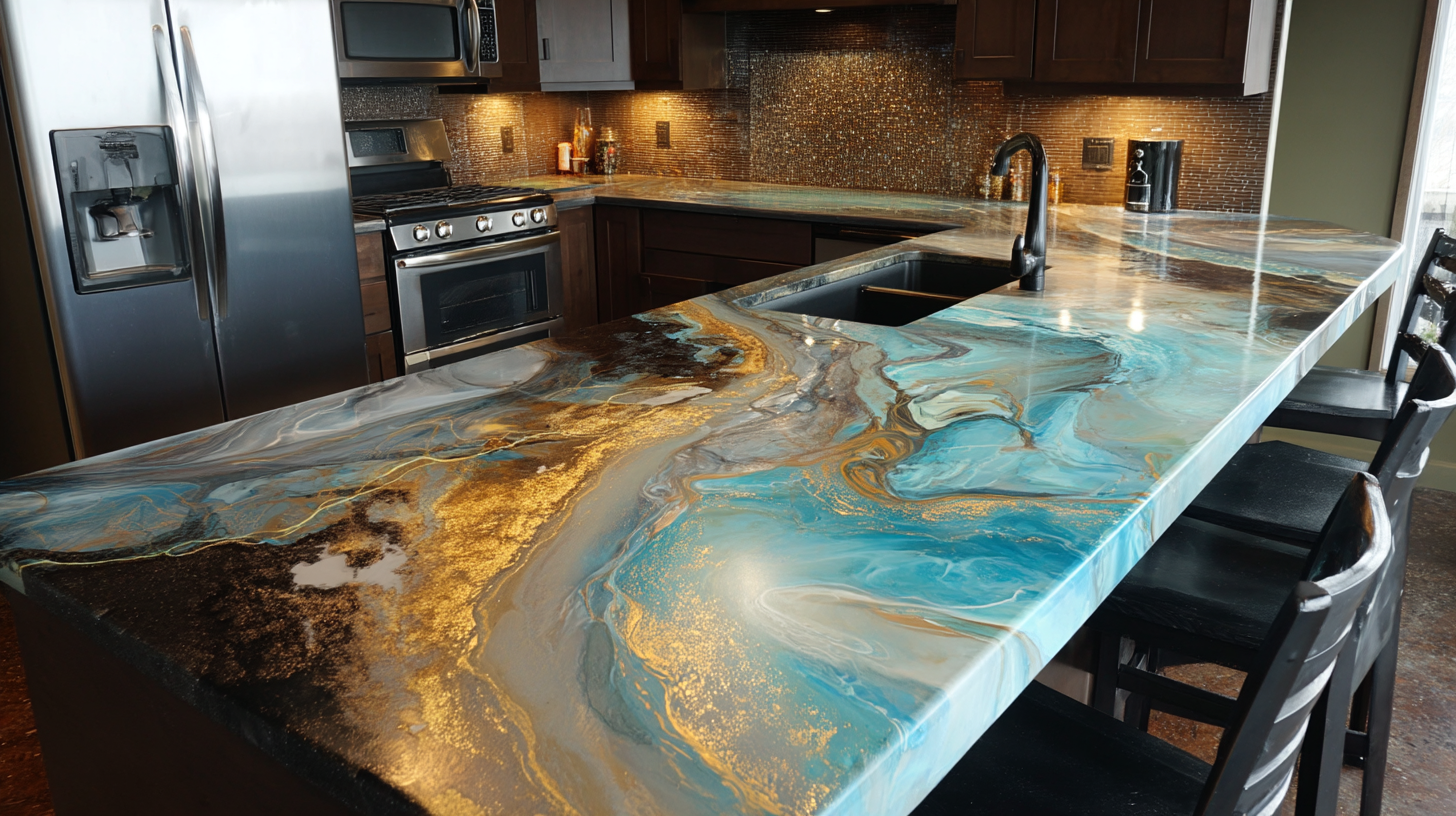
Remodeling Alternatives
In some cases, upgrading to new materials offers better long-term value. Options like quartz, granite, or modern laminate can provide durability and a more permanent solution.
If you’re considering a more permanent upgrade instead of painting, exploring options through kitchen platforms like Kitchen Search can help you evaluate better long-term solutions.
Tips to Make Painted Countertops Last Longer
To extend the life of painted countertops, use gentle cleaning methods and avoid abrasive materials. Cutting boards and heat pads can help prevent scratches and damage.
Regular maintenance and careful use will help preserve the finish over time.
Conclusion
So, can you paint kitchen countertops? Yes, but it is important to understand the limitations. While painting can be a cost-effective way to refresh your kitchen, it is not a permanent solution for every surface.
By choosing the right materials, following proper steps, and setting realistic expectations, you can achieve results that improve both the look and functionality of your space.