

A cozy bathroom is less about trendy décor or expensive finishes and more about a system that layers warmth, light, texture, and air quality so the room feels calm every day. I’ve spent years helping homeowners transform cold, damp bathrooms into spaces they genuinely enjoy, and the secret is stacking fundamentals before style extras. The most reliable results come from practical changes that respect Australian building codes, small-space realities, and your running costs.
Whether you’re renting or renovating, you can apply clear, action-first steps. Begin with 48-hour fixes, then move through ventilation, lighting, heating, and maintenance routines that keep the cozy feeling lasting.
Australian context matters: the National Construction Code (NCC) sets wet-area waterproofing expectations, AS/NZS 3000 (the Wiring Rules) defines electrical zones and protection requirements, and the Water Efficiency Labelling and Standards (WELS) scheme governs showerhead efficiency so you can balance comfort with water use.
Secure Big Comfort Gains With Simple 48-Hour Bathroom Fixes
The quickest path to a warmer bathroom starts with measuring what you’re dealing with, then making targeted swaps that cost very little. These changes take a weekend at most and deliver immediate comfort improvements you can feel the next morning. Treat this stage as a short diagnostic sprint rather than a full renovation.
Measure Your Humidity First
Buy a simple digital hygrometer for fifteen to thirty dollars and place it away from direct steam or windows. Check your pre-shower baseline and again twenty minutes after the shower finishes.
Your target is keeping relative humidity around forty-five to fifty-five percent on most days. If readings jump higher and stay there, the space is not drying fast enough and hidden mould is likely forming.
If post-shower humidity lingers above fifty-five percent for more than thirty minutes, you need longer fan run time or better airflow. WorkSafe Queensland recommends maintaining indoor humidity between thirty and fifty percent to deter mould, and World Health Organization guidance notes that dust mites proliferate above roughly forty-five to fifty percent.
Swap Your Bulbs for Warmth
Replace harsh cool-white bulbs with warm white lamps rated 2700 to 3000 Kelvin for ambient comfort. YourHome guidance suggests avoiding “daylight” lamps at night because they can disrupt circadian rhythms. For your mirror, choose bulbs with a colour rendering index (CRI) of ninety or higher so skin tones appear accurate during grooming.
If you cannot change hard-wired fittings, swap screw-in globes or add a plug-in warm table lamp outside the wet zone to soften the overall feel.
Upgrade Textiles and Habits
Add a plush, non-slip bath mat and commit to washing it weekly. Hang towels fully spread over rails rather than bunched on hooks; this speeds drying and prevents the sour smell that makes bathrooms feel uninviting. Rotate two towel sets so you always have a dry backup ready.
Choose cotton or bamboo towels with a decent looped pile for absorbency, and avoid thin decorative towels that look nice but stay damp for hours.
Stabilise Temperature And Ventilation First
No amount of candles or soft towels will make a damp, foggy bathroom feel warm; proper airflow is the foundation everything else builds upon. Get this right, and every other cozy element works harder. Poor ventilation also shortens the life of paint, cabinetry, and fixtures, so fixing it protects the room as well as your comfort.
Understand Air Changes Per Hour
Bathrooms typically need twelve to twenty air changes per hour, meaning the room’s entire air volume gets replaced that many times. Cold rooms or walk-in showers benefit from twenty to thirty air changes per hour.
This measure, called air changes per hour (ACH), is calculated by multiplying room volume in cubic metres by your target ACH to get required exhaust flow.
For example, a bathroom measuring two metres by two metres by 2.4 metres high equals 9.6 cubic metres. At twenty ACH, you need roughly 192 cubic metres per hour of extraction, which converts to about fifty-three litres per second.
Position and Run Your Fan Properly
Capture steam near the source by placing the fan intake above or just outside the shower entry. Keep duct runs short, straight, and sealed, and fit a backdraft damper to stop cold air flowing back in. Always vent to the outdoors, never into ceiling voids where moisture causes structural damage.
Run the fan before and during showers, then keep it going ten to thirty minutes after. A run-on timer automates this cycle neatly. If you’re renting and can’t modify fittings, commit to the routine manually and keep the door slightly ajar for makeup air.
When to Add a Dehumidifier
If windows sweat daily, humidity stays above sixty percent for hours, or towels never fully dry, add a compact dehumidifier set to roughly fifty percent. Drain it to a sink where possible to avoid constant emptying.
Place the unit near the steamiest corner of the room, keep interior doors open after use, and check the tank daily for the first week to see how much moisture you’re actually pulling out.
Use Layered, Warm Lighting That Flatters Faces
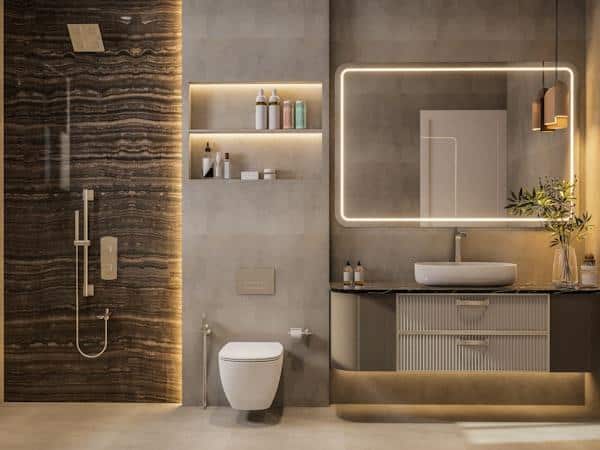
Good bathroom lighting creates warmth through colour temperature and layering rather than brightness alone. When you get lighting right, tiles look richer, skin looks healthier, and the space feels genuinely inviting. Thoughtful placement also lets older finishes read as intentional rather than tired.
Create Soft Ambient Light
Avoid grids of harsh downlights that create unflattering shadows. Instead, choose an opal-diffused ceiling fixture or wall sconces at 2700 to 3000 Kelvin.
This reduces contrast and makes surfaces read warmer. If permitted, add a dimmer for evening wind-down without over-brightness.
Install Accurate Task Lighting
At the mirror, mount lights at eye level on both sides for even illumination. Use a CRI of ninety or higher for true-to-skin rendering during makeup or shaving. Consider an anti-fog backlit mirror that combines task and accent lighting in steamy conditions.
Follow Electrical Safety Rules
AS/NZS 3000 defines wet zones where fittings require IPX4 or higher moisture protection and residual current device (RCD) protected circuits. Only a licensed electrician can install and certify bathroom electrical work. Position fittings outside prohibited zones wherever possible to simplify compliance and future maintenance.
Combine The Right Bathroom Heaters To Balance Instant Warmth
Choosing the right heating approach depends on whether you want instant warmth stepping out of the shower, steady background comfort, or simply towels that don’t feel damp and cold. Most cozy bathrooms combine two or three methods. Matching the heater type to your climate, insulation level, and usage pattern keeps bills sensible while still feeling luxurious.
Instant Heat with Ceiling Units
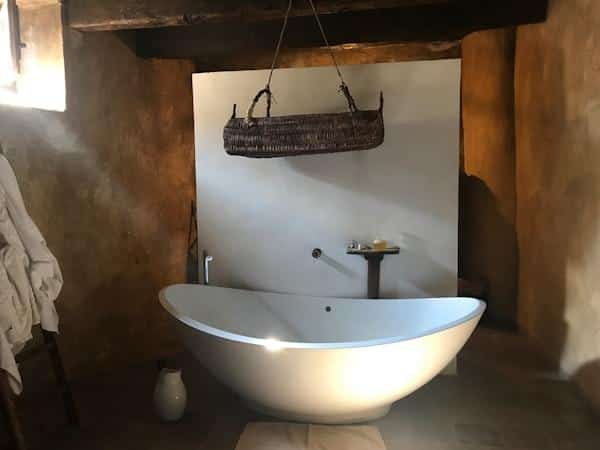
Three-in-one ceiling units combine light, exhaust, and heat lamps for immediate radiant warmth. Common configurations use lamps rated at 275 or 375 watts each. Verify that the integrated exhaust capacity meets your ACH target; if not, add a dedicated fan to avoid persistent fogging.
Steady Warmth from Wall Panels
IP-rated wall panel heaters provide quiet, continuous background warmth. They work well in Zone 2 or outside wet zones entirely. Add a timer or thermostat to pre-warm the room for morning showers without running all day and wasting energy.
Heated Towel Rails
These low-wattage options, typically sixty to two hundred watts, keep towels dry and room-temperature rather than damp and chilling. At two hundred watts running four hours daily at roughly thirty-five cents per kilowatt-hour, expect costs of around thirty to forty cents per day. Schedule one to two hours before use and one hour after to maximise drying.
Which Heater Suits a Small Australian Bathroom
For instant warmth in tight rooms, heat lamps excel. For quiet all-over comfort, pick a panel heater. For towels that don’t chill the room, add a rail on a timer.
In small Australian bathrooms, it helps to consider whether you prioritise instant overhead warmth, a gentle background heat source, or simply faster towel drying before you settle on a specific electric heater solution. If you want to compare models sized for compact, IP-rated installs you can pre-warm on cold mornings, browse bathroom heater options from Mases Lighting to see instant-heat lamps, quiet panels, and timer-ready rails in one place.
Upgrade Towels, Mats, And Surfaces So Every Touch Point Feels Warm, Dry, And Secure
What your feet and hands touch shapes how warm a bathroom feels as much as the actual air temperature. Choose materials that dry quickly, stay safe underfoot, and add visual softness to hard surfaces. Warm-looking finishes, such as timber tones or textured stone, can make cooler rooms feel more welcoming.
Select the Right Towels
Aim for 500 to 700 GSM for that plush hotel feel, but ensure your rails can fully dry them between uses. Rotate two sets and hang towels fully spread to avoid sour odours. Towels that stay damp overnight make the whole room feel colder.
Choose Grippy, Quick-Dry Mats
Pick non-slip mats with quick-dry fibres and wash them weekly to prevent soap scum buildup. Consider a sealed cork or timber mat outside the shower for warmer underfoot feel; always stand it upright to dry after use. For floors, select tiles with appropriate slip resistance: P3 to P4 for most bathrooms under AS 4586 guidance.
Adjust Settings Seasonally
A truly cozy bathroom adapts to seasons rather than fighting them with constant settings. Small adjustments to lighting, heating, and ventilation keep comfort high while controlling energy costs year-round. Tuning these dials by region, from temperate southern states to humid tropics, matters more than copying a one-size-fits-all schedule.
Winter Settings
Shift ambient lighting warmer in evenings, around 2700 Kelvin. Pre-warm the space via a panel heater or heat lamps before your morning shower. Extend fan run-on to twenty to thirty minutes when windows stay wet or surfaces show persistent condensation.
Check door seals to reduce cold drafts, and add a simple door snake outside the bathroom if gaps under the door make the room feel icy.
Summer Settings
Target forty-five to fifty percent humidity with robust extraction. Add a compact dehumidifier during humid weeks. Swap to lighter, faster-drying towels and maintain clear ventilation paths.
Create cross-breezes by opening an adjacent window after showering, and leave internal doors open so the exhaust fan is not starved of makeup air.
Lock In Bathroom Warmth With Short, Repeatable Maintenance Routines
Simple routines compound into lasting warmth and prevent the slow slide back toward damp and cold. Build these habits and your bathroom stays inviting without major intervention. Treat them as part of closing the room down each day and each season.
Daily After-Shower Routine
Start the fan before water runs and keep it going twenty minutes post-shower. Leave the door slightly ajar for makeup air. Quickly squeegee glass and the wettest tiles to reduce the evaporation load your fan needs to handle.
Weekly and Quarterly Tasks
Weekly, wash towels and mats in hot water to remove odours. Wipe mirrors and vanity surfaces to clear residue that traps moisture.
Quarterly, vacuum fan grilles and inspect accessible ducting. Test timers, check backdraft dampers, and reseal any grout or silicone showing gaps.
Schedule Bathroom Renovations
When your cozy refresh reveals deeper issues like failed waterproofing or you want layout changes, it’s time to engage licensed professionals who understand local conditions and compliance requirements.
When to Escalate to Licensed Pros
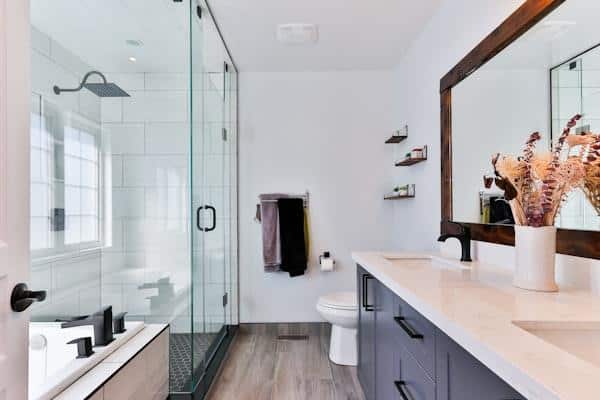
Once you move beyond cosmetic updates, it’s sensible to bring in a licensed bathroom renovator who can coordinate waterproofing, trades, and compliance instead of trying to manage complex works yourself. If your cozy refresh reveals failed membranes or you’re reconfiguring plumbing and electrical, get a local quote from Matrix Renovations, bathroom renovations Williamstown, to align with NCC wet-area rules and plan upgrades like underfloor heating with one accountable team. Ask for a scope that includes waterproofing system details, membrane specifications, flood testing where applicable, and electrical certification covering RCDs and IP ratings.
Waterproofing Under NCC 2022
Use compatible, manufacturer-tested waterproofing systems. Prepare substrates properly and seal all penetrations. Continue vertical flashings to 1800 millimetres in showers per housing provisions.
Plan setdowns and falls to drains to prevent water pooling that cools surfaces and drives mould growth.
Layout Moves That Feel Warmer
Use framed or partially framed shower screens to block drafts and trap warmth. Add dimmable niche lighting and under-tile heating for soft, even comfort in winter. Document all circuits and controls, and label isolators clearly for future maintenance.
Tie Together Ventilation, Heat, Light, And Textures For A Cozy Bathroom That Lasts
A cozy Australian bathroom stacks fundamentals like humidity control, extraction to outdoors, warm high-CRI lighting, targeted heat, and plush quick-drying textiles before adding style extras. Start with the 48-hour wins outlined earlier, then tailor heating and lighting to your routine.
If deeper work surfaces, loop in licensed professionals to meet NCC and AS/NZS 3000 requirements. Keep your cozy feeling lasting with seasonal tweaks and simple maintenance habits. Small actions like timers, proper towel drying, and regular squeegeeing compound into a bathroom that feels warm, dry, and genuinely inviting every day of the year.